




Top Articles
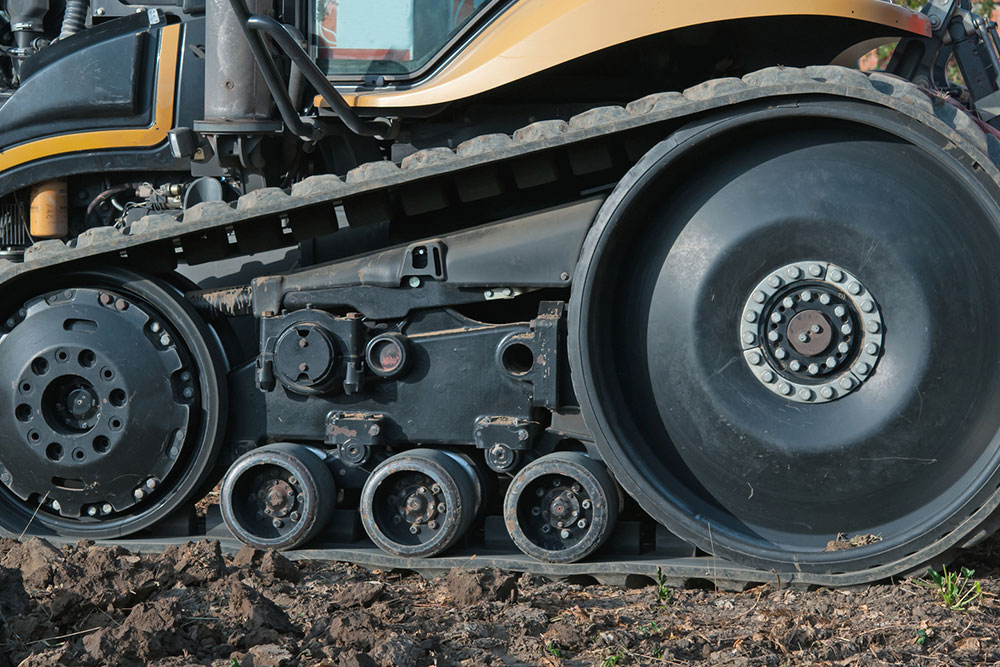
Guide to selecting rubber tracks
A rubber track is a circular belt made of rubber and additional materials, such as metal or fiber. It is primarily used in moving systems like agricultural machines, construction machines, and other vehicles. Rubber tracks offer traction and are designed to guarantee machine stability, low ground pressure, and a smooth ride. There are different rubber tracks, each with different uses. Here are the different types of rubber tracks and their advantages and disadvantages. Uses of rubber tracks In different kinds of machinery, different types of rubber tracks are used to keep the movement of the machine smooth and effective. Here are some common examples of the use of rubber tracks in various equipment or machines: 1. Excavator tracks Those who want to check out excavator rubber tracks for their vehicles should know that they come in two main types. The conventional ones operate on excavators that are designed only for rubber tracks. On the other hand, interchangeable tracks operate on machines with undercarriages with steel chains and rubber tracks. Interchangeable tracks can further be categorized into two types. The first is the K-rail tracks, which are flat and higher to add reinforcement for the rollers. The second is the non-K-rail tracks positioned on the top of a vehicle’s links.
Read More 
7 mistakes to avoid when buying auto insurance
Finding the ideal auto insurance plan is crucial because purchasing a car is a substantial investment. Since insurers consider several criteria when determining your cost, searching for auto insurance can be challenging. To reduce their insurance rates, customers frequently look for novel solutions. Sometimes, the choices people make to save end up costing them more in the end. Here are some vehicle insurance blunders to watch out for and avoid. Not knowing what type of insurance you require Every state has different minimum coverage requirements, but you shouldn’t base your decision solely on that. Each person has different protection needs based on various factors, including the model and type of vehicle, the vehicle’s cost, and your driving experience. Of course, everyone desires complete coverage. Nonetheless, it is usually quite costly. So, your best bet is to find the right balance of price and coverage. Setting an excessive deductible Your premium should decrease when you increase the deductible on your auto insurance coverage. Many car owners who want to cut costs may find this quite enticing. When you are in an accident or damage your car and need to get it fixed, then there would be a problem. You could run into serious problems getting your automobile fixed and back on the road if the repairs are going to cost more than you have available.
Read More 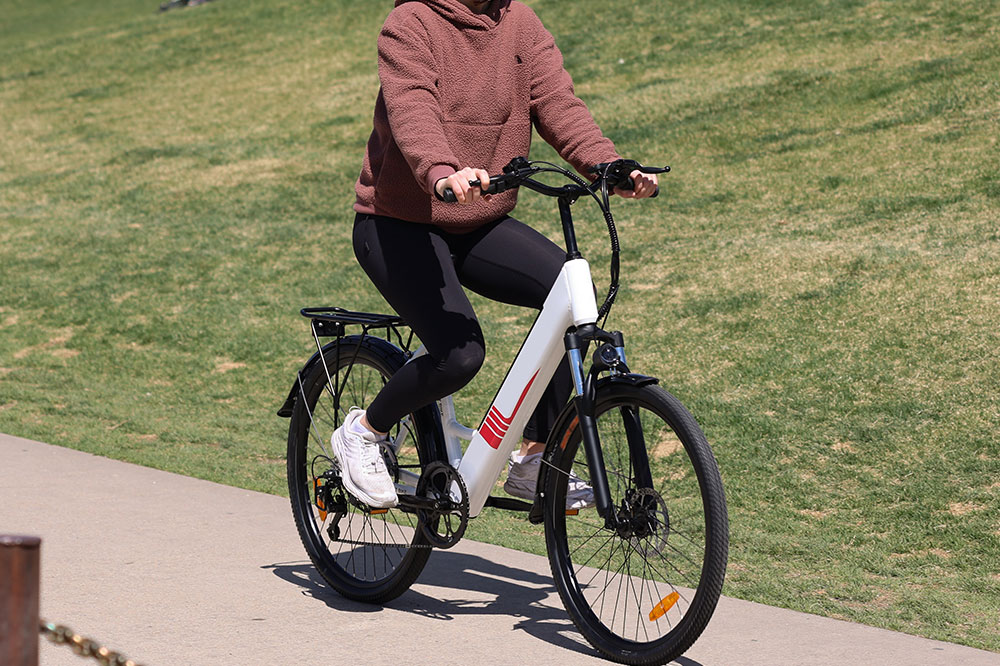
7 mistakes to avoid when buying an e-bike
The rise in fuel prices and growing social awareness have highlighted the need for alternative, greener modes of transportation. Of these, electric bikes have gained immense popularity, as they offer convenience and health and wellness benefits. However, with e-bike prices ranging anywhere between $1,000 and $10,000, buying one is an expensive affair. To make the most of your newest ride, avoid these seven common mistakes when buying an e-bike: Choosing the cheapest variant When buying an e-bike, the topmost priority is quality. In cheaper bikes, the parts may wear out within the first 500 miles. With replacements being difficult to source, choosing a cheap bike can be an expensive mistake. Cheaper variants generally offer a lower range or power, which can also be a problem in the future. Instead, you should look for better quality e-bikes that are more durable, so you can get the most out of the purchase. Not considering your requirements When buying a bike, it is important to consider what kind of ground or terrain you will ride it on. A commuter bike may be a better fit for those looking to commute within the city. These bikes run on a mid-drive system that is lighter, more efficient, and easier to maintain.
Read More