
Why Segment Switches Catch Buyers Off Guard
Most buyers approaching a vehicle upgrade focus on one number: the price difference between what they currently own and what they want next. That gap is real and meaningful, but it captures only a fraction of the financial shift. When you cross from one segment into another - say, a compact hatch into a mid-size SUV, or a sedan into a pickup truck - you're not just buying a bigger vehicle. You're enrolling in a different cost structure that runs for as long as you own the vehicle.
The oversight isn't carelessness. Dealers present monthly payment comparisons, not ten-year ownership totals. And buyers naturally anchor to the sticker price because it's the most visible number in the transaction. Our guide on why a low asking price can be deceptive explores how that anchoring effect distorts the full picture. The items below are the cost categories that consistently blindside buyers making their first significant segment jump.
Run the numbers before the test drive
It's easy to fall in love with a vehicle during a test drive and then reverse-engineer a justification for the cost. Completing your ownership-cost comparison before visiting a dealership keeps the financial picture objective and protects you from payment anchoring during negotiation.
Hidden Costs to Calculate Before You Switch Segments
Insurance premium recalculation
Insurers price policies based on the vehicle's replacement value, repair complexity, theft profile, and the statistical risk associated with its class. A move from a small hatch to a large SUV or a performance-oriented segment typically increases annual premiums - sometimes by amounts that rival the fuel cost difference. Request quotes on the target vehicle before purchase, not after, so the figure is already in your budget model. Refer to long-term sedan ownership costs for context on how insurance varies even within a single segment.
Request insurance quotes on the target vehicle before purchase, not after signing.
Registration and government charges
In most U.S. states, registration fees scale with vehicle weight, declared value, or engine displacement - all of which tend to rise when moving to a larger segment. A full-size pickup or heavy SUV may attract a significantly higher annual registration cost than the compact it replaces. Check your state's DMV fee schedule directly; don't assume the difference is negligible.
Registration fees in many states scale with weight or value - larger segments pay more annually.
Tyre costs - size, type, and replacement frequency
Larger vehicles run larger, heavier-duty tyres that cost more per unit and, in some truck or off-road-oriented segments, may wear faster under normal road use. A full-size SUV or truck with four all-terrain tyres can represent two to three times the tyre budget of a compact hatch. Factor in both the per-tyre price and how many miles per set the manufacturer recommends for that tyre type.
Tyre budgets for larger segments can be two to three times higher than compact vehicles.
Fuel consumption at real-world driving conditions
EPA estimates are useful benchmarks, but segment switches often involve a larger gap in real-world consumption than the window sticker implies - particularly if your driving involves city traffic, towing, or hauling. A truck driven empty still carries the weight and aerodynamic drag of a truck. Run the math at your actual annual mileage, not a round number, and use a realistic fuel price range rather than the current low.
Calculate fuel cost at your real mileage and realistic fuel prices, not EPA estimates alone.
Depreciation curve differences between segments
Depreciation is the largest single ownership cost for most buyers, yet it's the least discussed because it's invisible until you sell or trade in. Different segments depreciate at different rates and along different curves. Some truck segments have historically held value well; some luxury SUV segments depreciate steeply in years two through four. Checking historical resale data for the specific segment - not just the specific model - helps you understand what your equity position might look like at trade-in time. See the trade-offs compact sedan buyers face for an example of how segment-level depreciation thinking applies in practice.
Depreciation curves vary by segment - your equity position at trade-in depends on which curve you're on.
Financing term and interest cost changes
A higher purchase price in a new segment often leads buyers to extend the loan term to keep monthly payments familiar. Stretching from 48 to 72 months on a larger loan means substantially more total interest paid, and potentially a period of negative equity if the vehicle depreciates faster than the loan balance falls. Understanding how loan rates and terms interact with your vehicle's depreciation schedule is essential before accepting any payment structure.
Extending your loan term to manage a higher price can cost thousands in additional interest.
Physical infrastructure costs
This category surprises buyers more than almost any other. A full-size truck or large SUV may not fit in a standard home garage without modification. Parking structures with height or length restrictions may become unusable. Monthly parking fees in cities often increase for oversized vehicles. If towing is part of the plan, a trailer hitch, wiring harness, and potentially a transmission cooler add to the upfront cost. These are one-time and recurring costs that have nothing to do with the vehicle's sticker price.
Garage clearance, parking restrictions, and tow-package add-ons are real costs with no sticker-price equivalent.
Costs compound across ownership years
Each individual cost category in this list may appear manageable in isolation. The issue is that they compound together across a multi-year ownership period. A buyer who underestimates insurance, tyres, fuel, and depreciation simultaneously may find that a segment move costs significantly more annually than their initial estimate suggested. Building a full-year cost model - rather than evaluating each line item in isolation - is the most reliable way to avoid this trap.
Building a Realistic Cross-Segment Budget
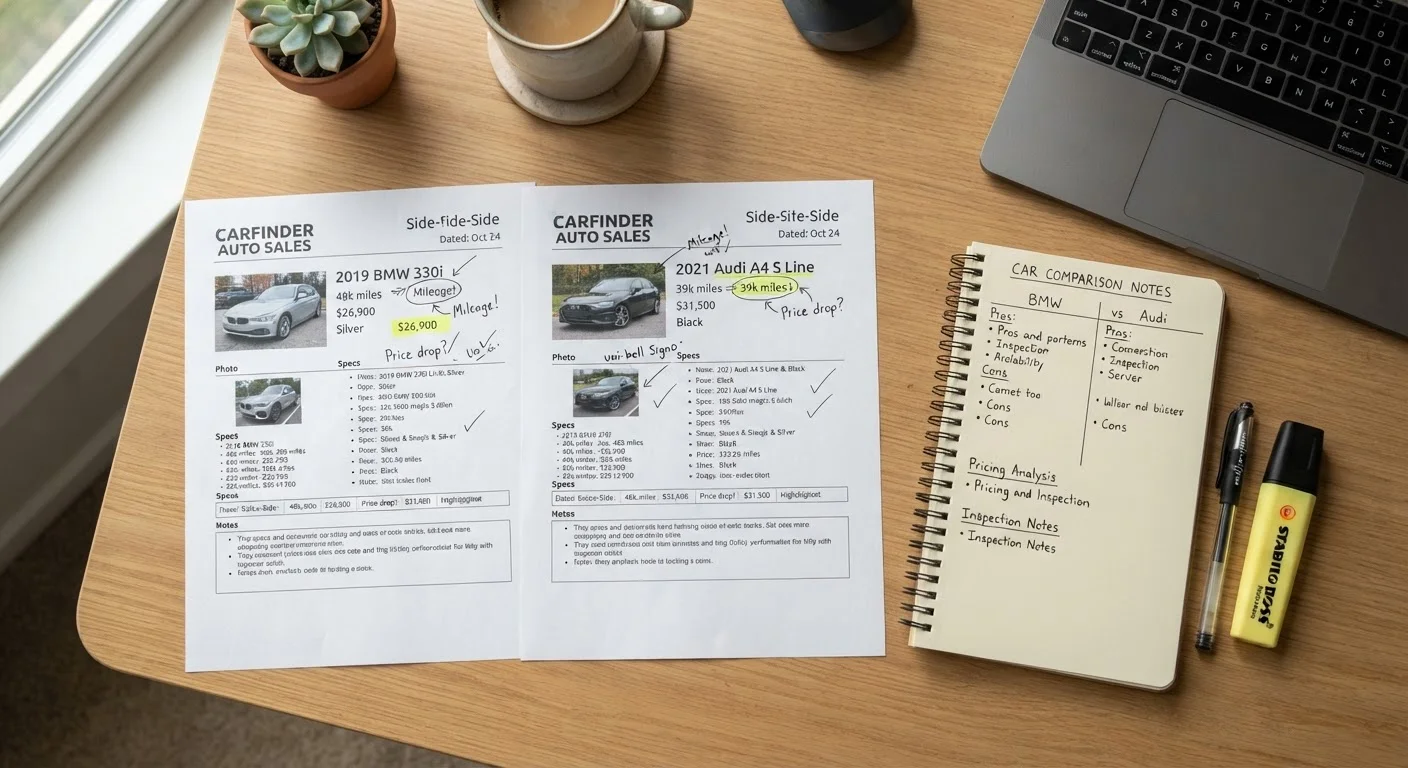
Before committing to any segment change, build a side-by-side ownership cost table covering at least three years. Include every category listed above - not just fuel and insurance, but tyres, registration, parking, and expected depreciation. The vehicle running costs reference guide provides a structured framework for that exercise.
It's also worth cross-checking your assumptions against common ownership cost myths, which examines widely held beliefs - about diesel efficiency, EV payback periods, and other segment-specific claims - against available evidence. And if your switch involves moving into the truck or SUV space, our Trucks & SUVs hub covers capability and utility comparisons that help you verify whether the segment you're eyeing actually fits your use case.
The goal isn't to discourage a segment move - sometimes the vehicle you need genuinely sits in a different category. The goal is to enter that decision with accurate numbers rather than a sticker-price estimate dressed up as a budget.
This article is for general informational purposes only and does not constitute personalised financial or purchasing advice. Costs vary significantly by location, vehicle configuration, insurer, and individual circumstances. Consult qualified professionals for advice tailored to your situation.