Why the Headline Figure Misleads More Than It Reveals
An asking price is a marketing tool before it's a financial one. Its job is to attract attention, and the most attention-grabbing number is usually the lowest one a seller can credibly display. That number typically excludes a range of costs that are non-negotiable parts of your actual outlay.
Understanding price anchoring tactics helps explain why buyers systematically underestimate what they'll pay. Once a low number is introduced, every subsequent figure is evaluated relative to it - making fees and add-ons appear minor even when they're substantial in aggregate.
The antidote is a structured framework: convert every vehicle under consideration into a single comparable number that captures purchase price, on-road costs, financing costs, depreciation, and projected running costs over your intended ownership period. Estimating total ownership cost before committing is the single most effective step a buyer can take.
Sticker Price Is Not Your Final Cost
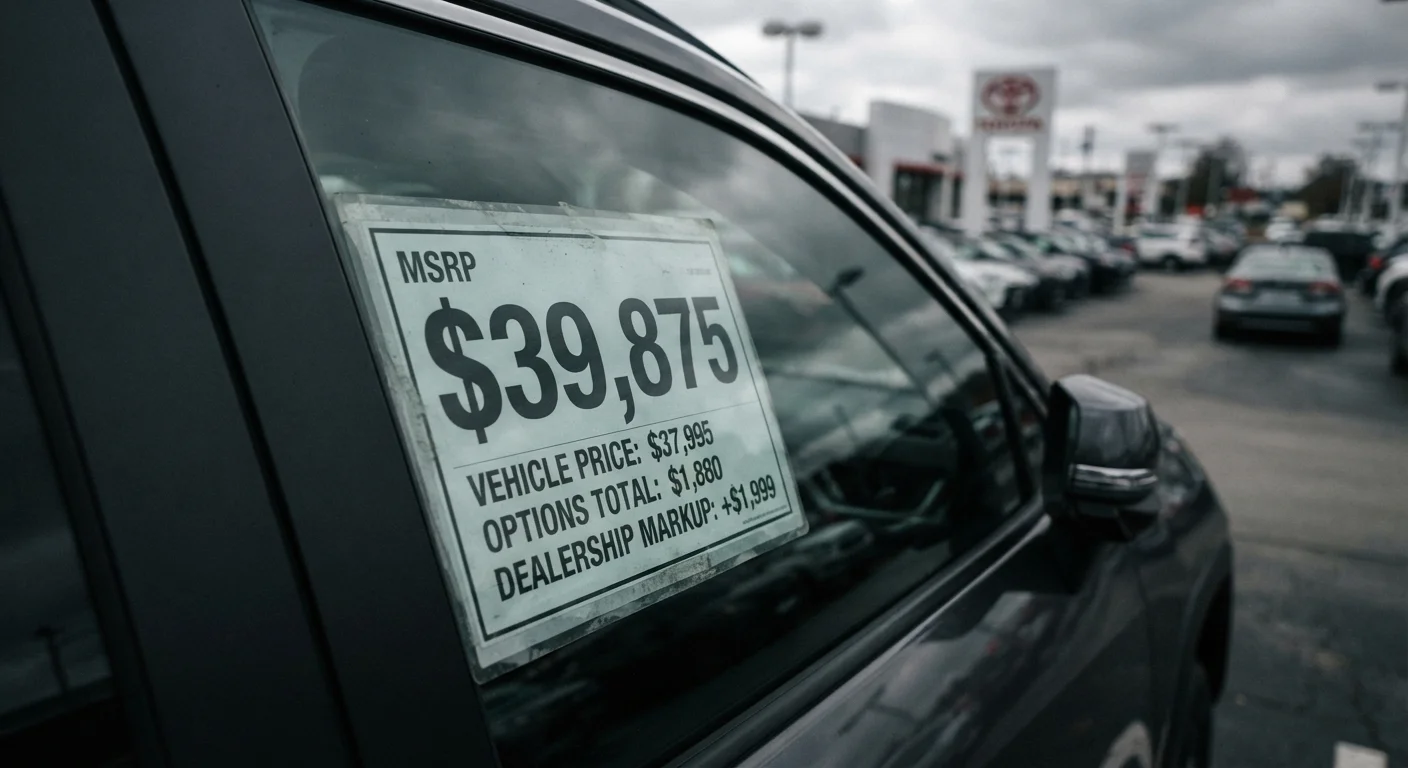
In virtually every vehicle transaction, the amount you pay at handover exceeds the advertised asking price. Registration fees, stamp duty, dealer delivery charges, and optional add-ons are routinely excluded from headline figures. Before comparing any two vehicles on price, confirm exactly which costs are - and aren't - included in the number being advertised.
Common Mistakes That Make a Low Price Cost You More
The errors below follow a consistent pattern: each involves narrowing attention to one number while a larger cost accumulates unexamined elsewhere. Recognising these mistakes in advance is straightforward; avoiding them under the pressure of an active vehicle search requires a deliberate process.
Treating the advertised asking price as the total you'll pay at handover.
Why it happens: Listings headline the most attractive number. Buyers in early research mode anchor to that figure and carry it mentally through the rest of the process.
Comparing vehicles from different segments purely on purchase price without accounting for running-cost differences.
Why it happens: When two vehicles sit in a similar price bracket, buyers assume their ongoing costs will also be similar - but fuel economy, insurance premiums, tyre costs, and service intervals can diverge substantially.
Ignoring depreciation as a real cost because it doesn't appear on a monthly statement.
Why it happens: Depreciation is invisible until the vehicle is sold. Buyers focused on monthly repayments and fuel bills rarely factor in how much of the purchase price they will recover - or won't.
Accepting dealer-arranged financing without calculating the total amount repayable.
Why it happens: Monthly repayment figures feel manageable and concrete; the total interest component across a five- or seven-year term is abstract and easy to overlook.
Overlooking the insurance cost differential between otherwise similar vehicles.
Why it happens: Insurance is treated as a fixed background cost rather than a variable that changes meaningfully between models, trims, and even colours.
~$10,000+
Typical gap between purchase price and on-road cost
On-road costs including registration, stamp duty, CTP insurance, and dealer delivery commonly add several thousand to over ten thousand dollars depending on vehicle price and state, according to consumer motoring guides.
3-5×
Running costs vs. purchase price over ownership life
Industry analysis consistently shows that fuel, insurance, servicing, and depreciation over a typical five-year ownership period can total three to five times the original purchase price for many vehicle categories.
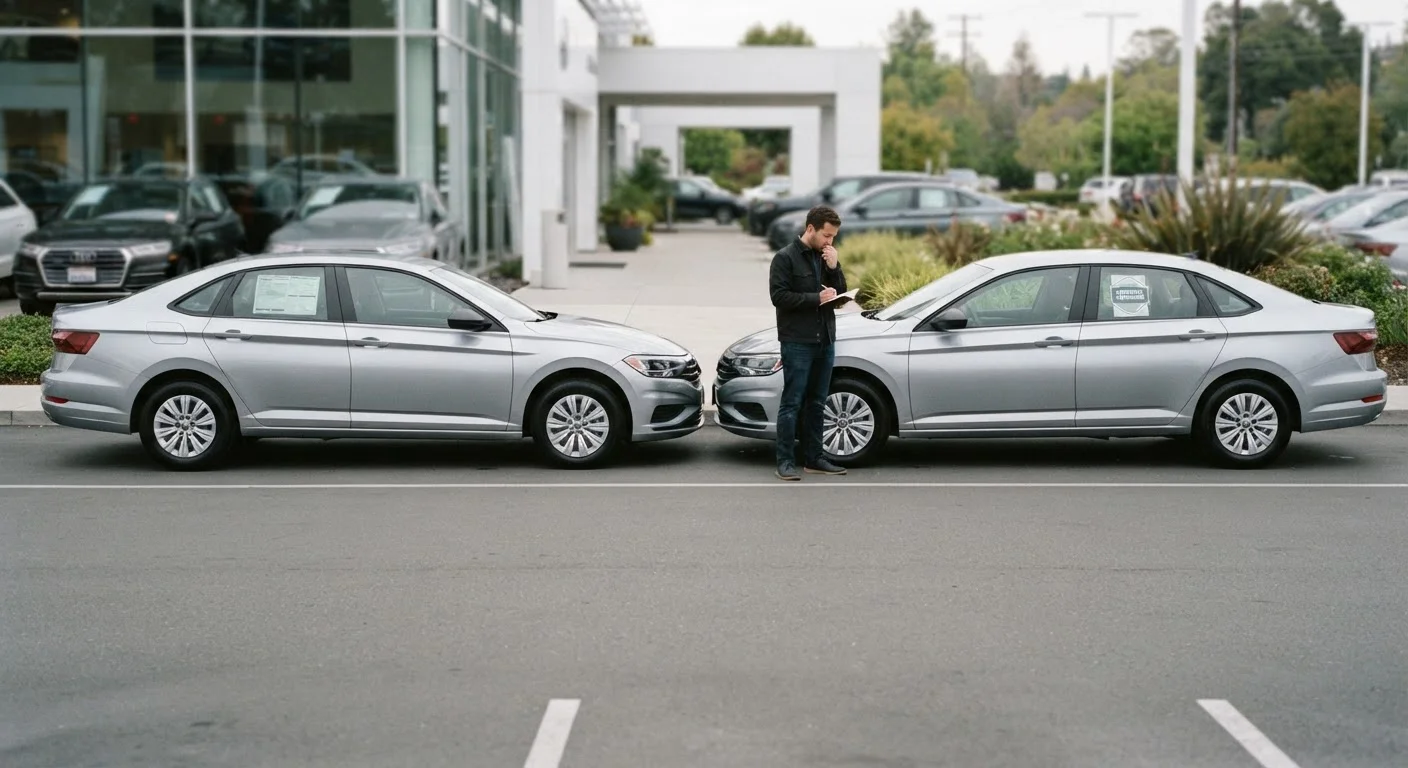
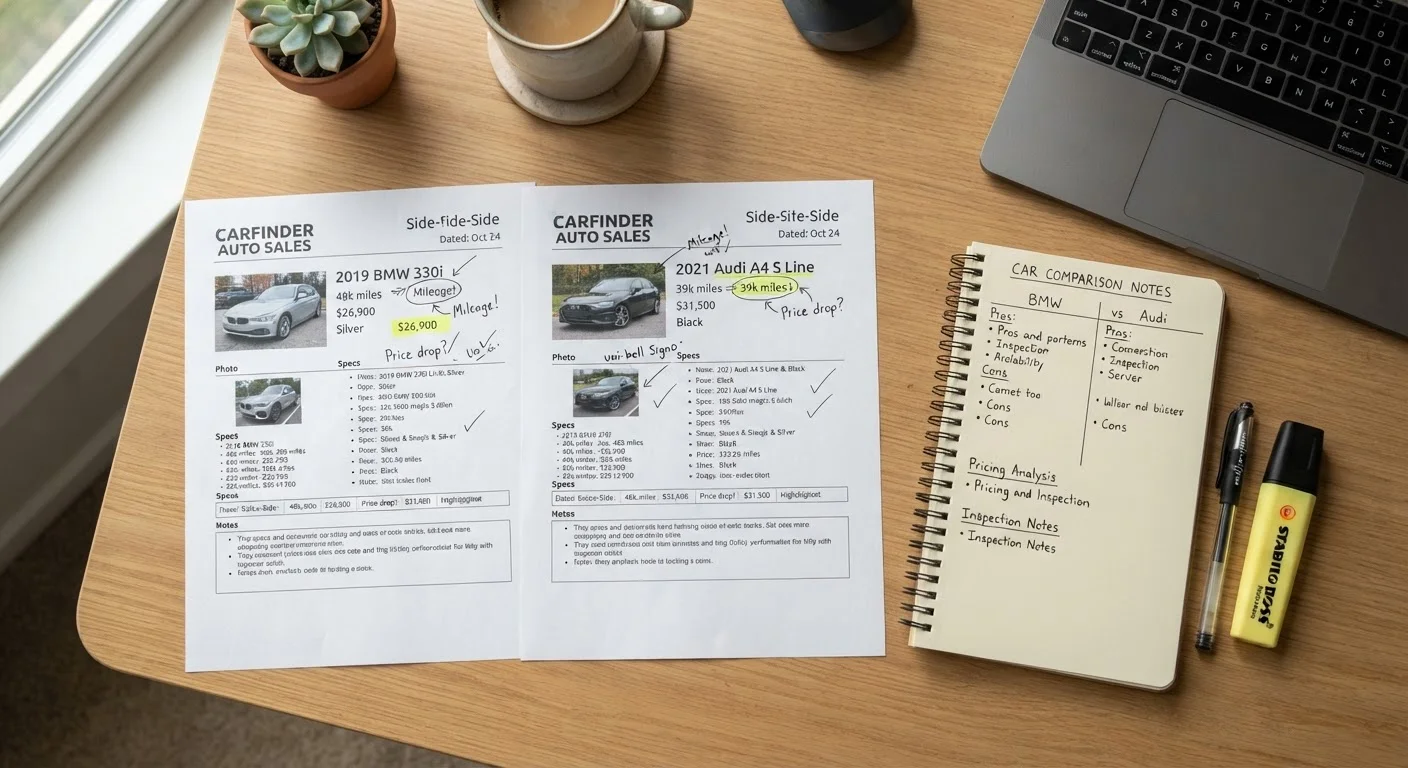
For buyers comparing multiple listings of the same model, a structured comparison approach can surface the cost differences that raw price comparisons miss. And if you're evaluating fuel economy claims as part of that comparison, understand what window sticker fuel figures actually mean in real-world driving before projecting annual fuel costs.
Low Price, High Interest Rate Can Cost More
A vehicle priced several thousand dollars below a competitor can still be the more expensive option if it's financed at a materially higher interest rate or over a longer term. Always calculate the total amount repayable - principal plus all interest - before treating a low sticker price as a financial win. See how rates and loan terms affect total cost for a deeper breakdown.
Explore the full picture of vehicle ownership costs - from depreciation to servicing - to build a complete framework for evaluating any vehicle purchase. For a deeper dive into the true cost of car ownership, our dedicated guide walks through every major cost category.
This article provides general information for educational purposes and does not constitute personalised financial advice. For guidance specific to your circumstances, consult a qualified financial adviser.