What Separates the Three Classes
The Class A, B, and C designations aren't marketing labels - they reflect distinct chassis types, construction methods, and design philosophies. Understanding these foundations is essential before evaluating floor plans or amenity lists. For a deeper primer, see how each class is defined.
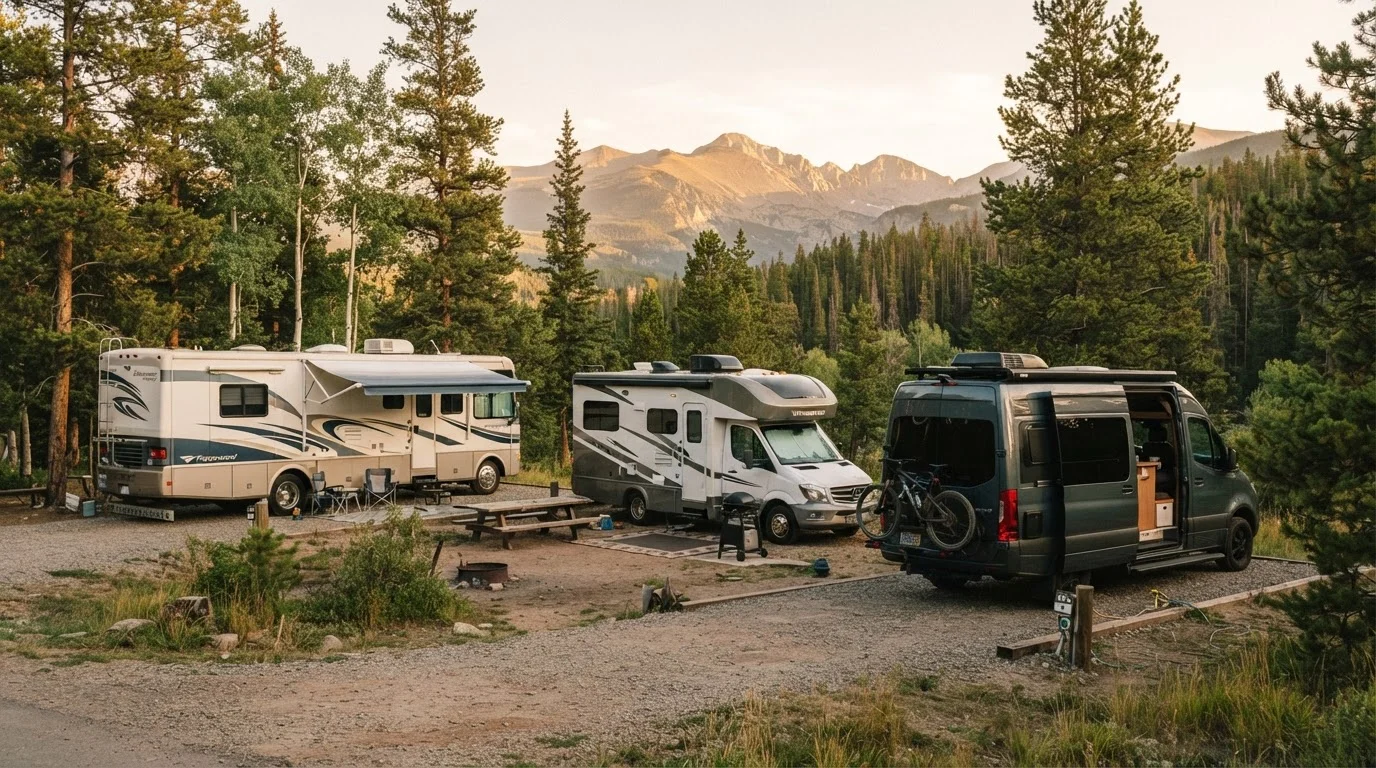
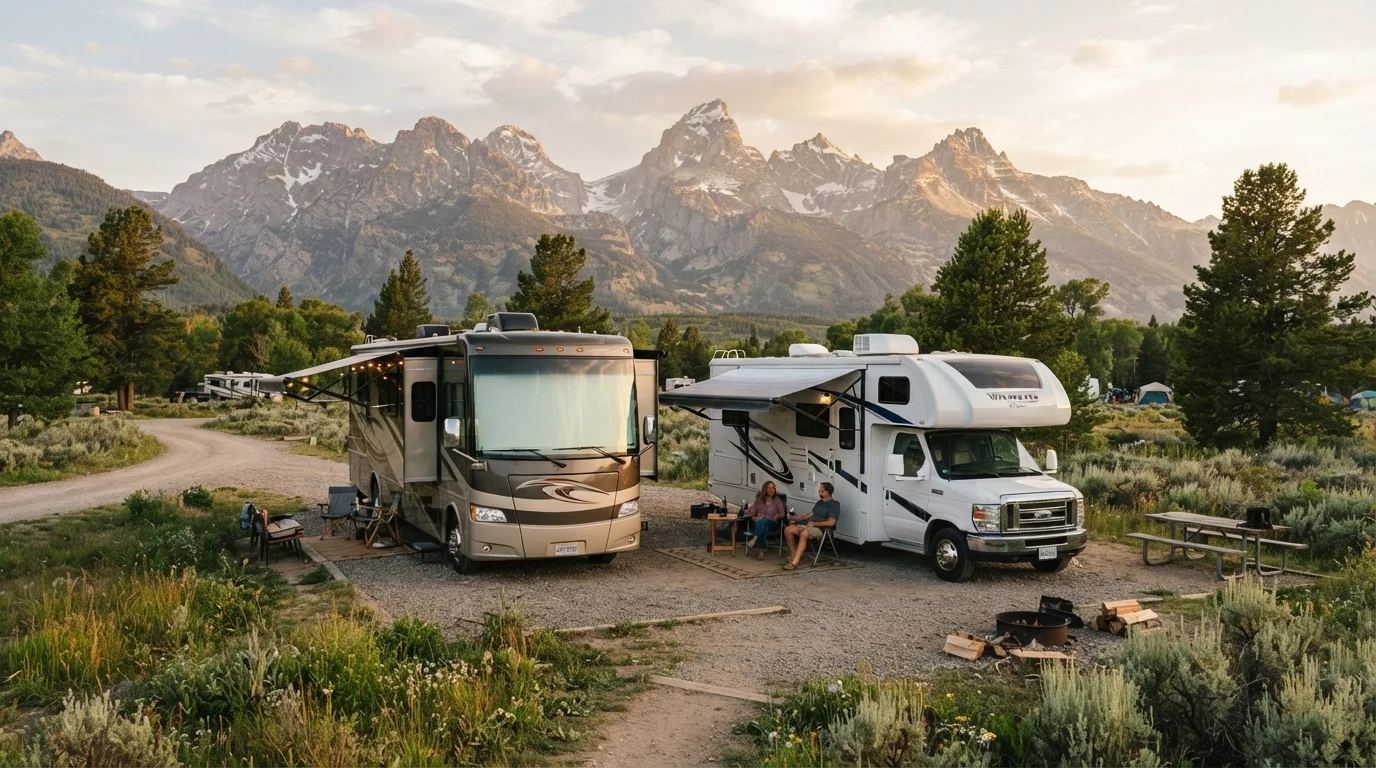
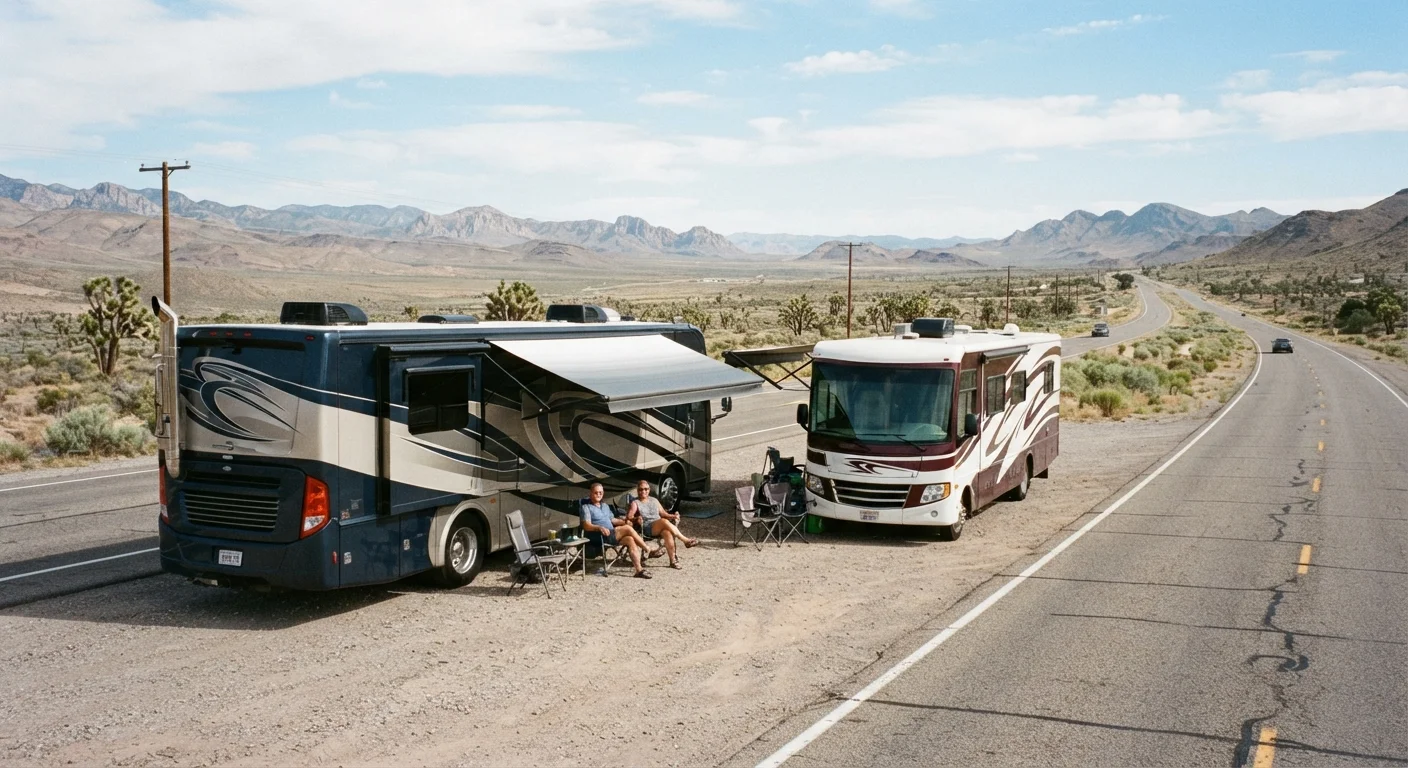
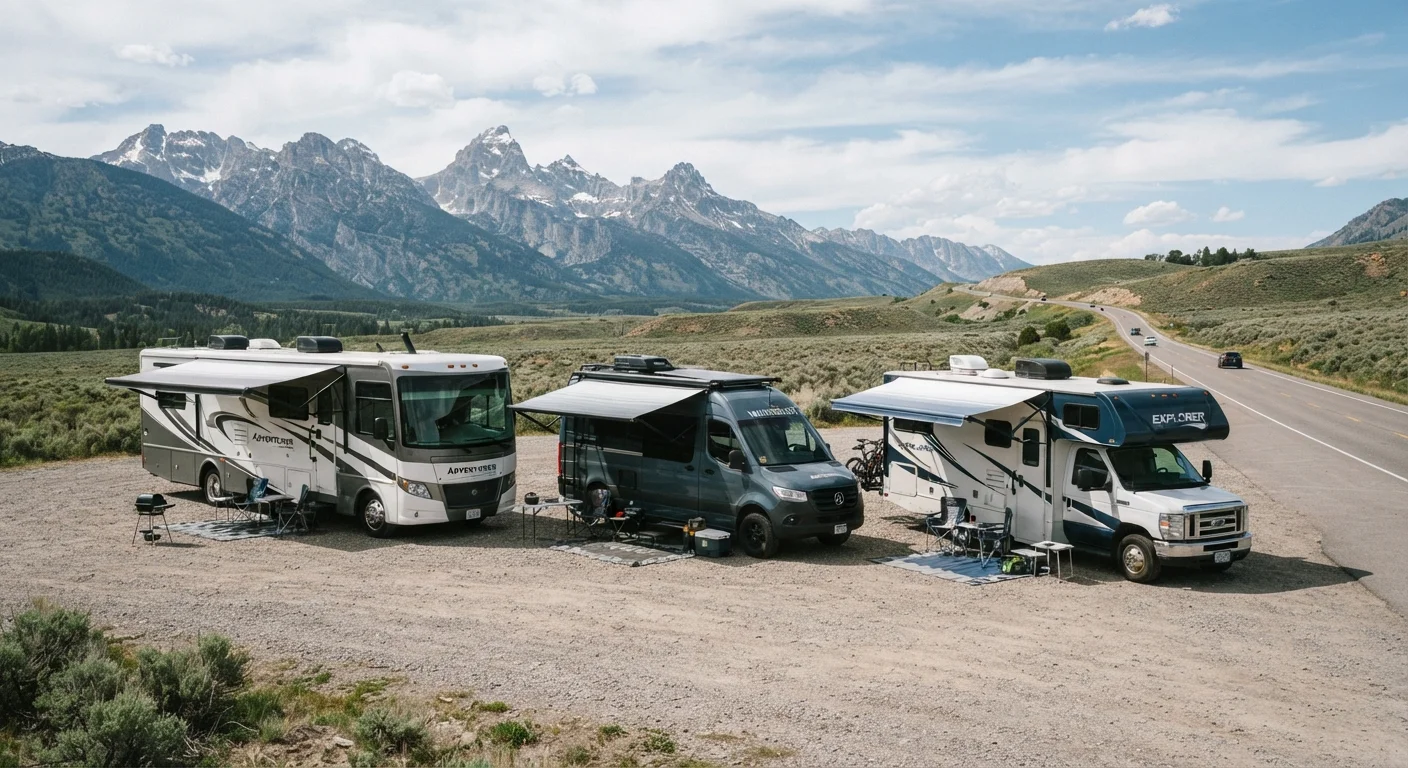
Class A motorhomes are built on heavy-duty commercial bus or truck chassis. Their flat-front, boxy profile maximizes interior volume. Lengths typically range from 24 to 45 feet, and many diesel-powered models feature a rear-mounted engine ("diesel pusher") for quieter cabin noise and better weight distribution.
Class B motorhomes - commonly called camper vans - are built within the original body of a full-size cargo van. The manufacturer raises the roof and outfits the interior, but the vehicle retains its van profile. Lengths generally stay between 17 and 24 feet, making them uniquely practical for urban parking and non-RV campgrounds.
Class C motorhomes use a cutaway truck or van chassis - meaning a cab section is retained from the donor vehicle, while a custom living unit is built onto the frame behind it. The signature cab-over bunk above the driver compartment is both a visual identifier and an extra sleeping area. Lengths typically span 20 to 33 feet.
| Class A | Class B | Class C | |
|---|---|---|---|
| Typical Length | 24-45 feet | 17-24 feet | 20-33 feet |
| Chassis Origin | Commercial bus or truck | Full-size cargo van | Cutaway truck/van |
| Drivability | Challenging, experience needed | Easiest, near car-like | Moderate, manageable curve |
| Living Space | Maximum, residential feel | Compact, requires efficiency | Family-capable, good vertical use |
| Fuel Economy | Lowest, 6-10 MPG typical | Highest, 18-25 MPG typical | Moderate, 10-18 MPG typical |
| Campsite Access | Restricted at smaller sites | Nearly universal access | Broad access, minor limits |
| Best For | Full-timers, extended trips | Solo/couple, spontaneous travel | Families, first-time buyers |
Drivability and Handling
How a rig handles on the road is often the deciding factor for buyers who haven't driven anything larger than a pickup truck.
Class B vans drive closest to a standard vehicle. Experienced or inexperienced drivers alike typically adapt quickly, and most fit in standard parking spaces. Fuel economy is also significantly better than the other two classes.
Class C rigs sit in the middle ground. The familiar cab forward position - similar to a large moving truck - gives most drivers a manageable learning curve. Turning radius and overhead clearance require attention, but Class C handling is generally forgiving for newcomers.
Class A motorhomes demand the most from the driver. The flat front provides excellent sightlines forward, but the lack of a traditional hood and the sheer length require real practice, especially when backing, navigating narrow campground roads, or crossing low-clearance bridges. Many experienced Class A owners recommend several shakedown drives before any serious trip.
Practice Before Your First Big Trip
Regardless of class, plan at least one or two local overnight shakedown trips before committing to a long-haul journey. This lets you identify fit-out issues, get comfortable with the rig's dimensions, and learn how systems like slide-outs, leveling jacks, and water connections actually behave in practice. Many RV rental programs offer short-term access across all three classes - a useful way to road-test a class before purchasing.
For a side-by-side breakdown of how floor plans translate into actual usable room, see how square footage varies across classes.
Livability for Full-Time and Part-Time Use
Livability isn't just square footage - it's how the space functions over days or months of continuous use.
Class A units typically include residential-scale kitchens, full-size bathrooms with separate showers, washer/dryer hookups, and multiple slide-out rooms that dramatically expand the floor plan when parked. For full-timers, this class most closely replicates home living. The trade-off is reduced campsite access: many Class A rigs over 40 feet are restricted at state and national park campgrounds.
Class C rigs offer solid livability with thoughtful use of vertical space. The cab-over bunk is a genuine sleeping area, freeing the rear bedroom for adults. Bathrooms are generally adequate for short-to-medium trips. Slide-outs are common in larger Class C models, adding meaningful floor space. They're a natural fit for families taking seasonal trips. A detailed Class A vs. Class C comparison explores these trade-offs further.
Class B vans require deliberate organization and comfort with close quarters. Beds are often convertible from seating, galley kitchens are compact, and wet-bath configurations combine shower and toilet in one tight space. For solo travelers or couples on spontaneous trips, this format excels - but it isn't well-suited to extended full-timing without significant lifestyle adjustment.
Don't let common assumptions guide you - RV class myths can steer first-time shoppers toward the wrong choice.
Campsite Compatibility and Practical Considerations
Where you intend to camp narrows your options considerably. Boondocking on dispersed federal land, hooking up at full-service RV resorts, and staying at national park campgrounds each impose different size constraints.
Class B vans are the most versatile. They fit in tent sites, city parking garages, and standard driveways - opening up destinations entirely off-limits to larger rigs. Class C motorhomes access most established campgrounds comfortably; models under 30 feet fit many national park loops. Class A rigs, particularly those over 35 feet, may be restricted at older or more remote campgrounds with tight turns and short pull-throughs.
Towing capacity is another practical differentiator. Many Class A and Class C motorhomes are capable of flat-towing or towing a trailer, adding flexibility for bringing along a car or utility vehicle. Most Class B vans have limited towing capacity and aren't designed for heavy supplemental loads.
Before committing to any class, run through a structured self-assessment. Key questions worth asking before you commit can help you pressure-test your assumptions and avoid buyer's remorse.
This article is for general informational and educational purposes only. RV specifications, campground restrictions, and operating requirements vary widely by model, region, and regulation. Consult qualified professionals and conduct independent research before making any purchasing or financial decisions.