Size and Layout: What You Actually Get Inside
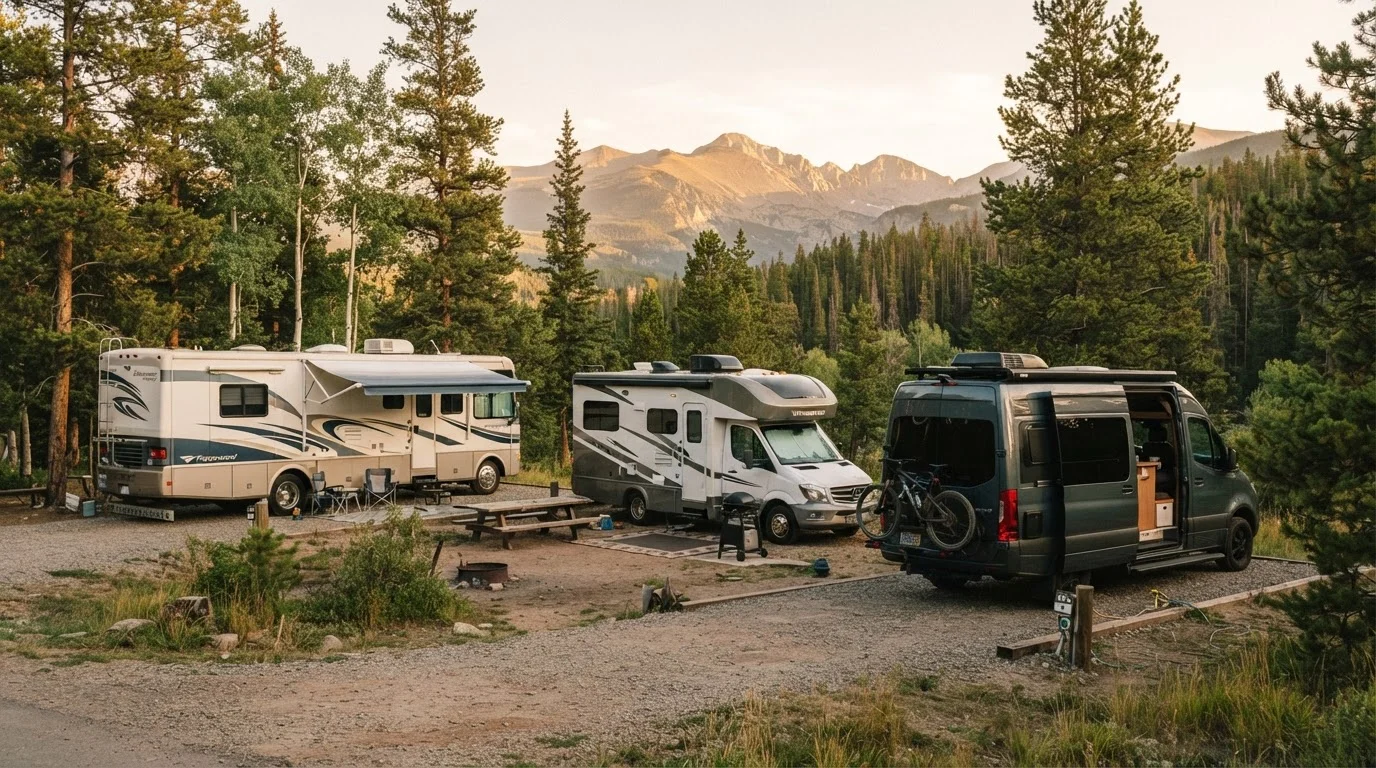
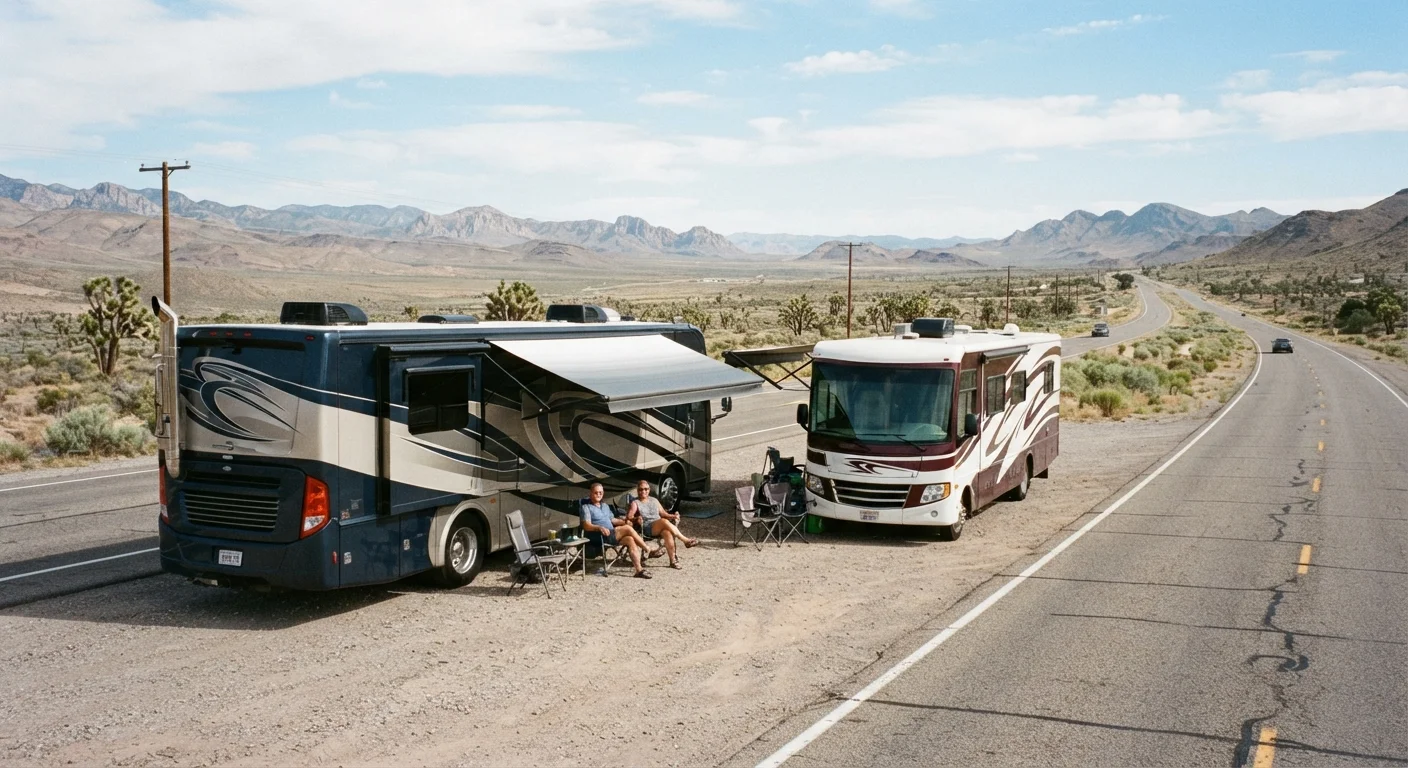
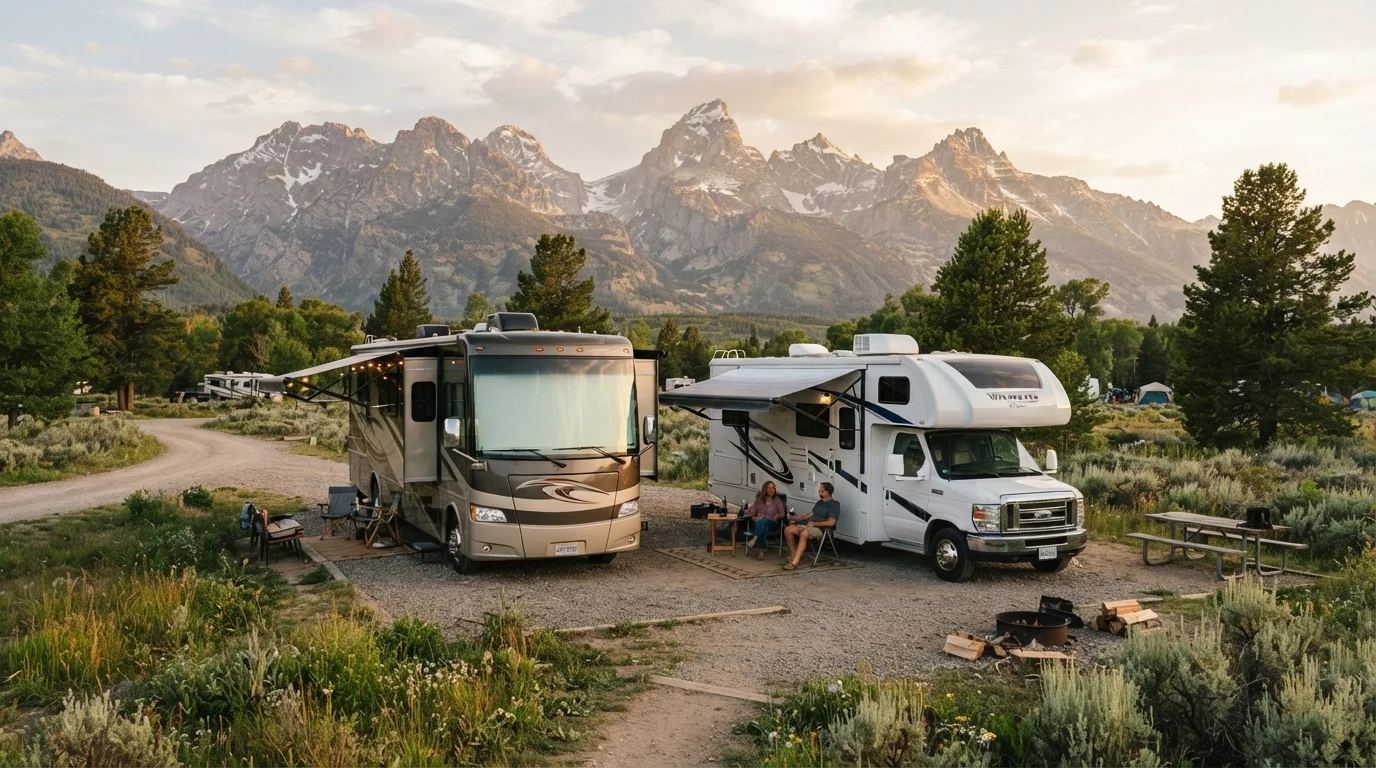
Class A motorhomes are built on a purpose-designed or commercial bus chassis with a flat, vertical front end. Lengths commonly range from 26 to 45 feet, and the absence of a protruding cab allows manufacturers to use nearly every inch of that length for living space. Slide-outs - sections of the floor plan that extend outward when parked - are common and can meaningfully expand the kitchen, bedroom, or living area.
Class C motorhomes are built on a cutaway truck or van chassis, which means the cab section is integrated into the body. Lengths typically fall between 20 and 33 feet, and the signature cab-over bunk above the driving area provides sleeping space that doesn't consume the main floor plan. This is a practical advantage for families needing more berths, though headroom in that bunk is limited.
For a deeper look at how usable square footage compares across all RV formats, see how living space actually varies across RV classes. Floor plan variety is considerably broader in the Class A segment, including rear bedroom, front bedroom, and bunkhouse configurations.
| Criterion | Class A Motorhome | Class C Motorhome |
|---|---|---|
| Typical length range | 26-45 feet | 20-33 feet |
| Chassis type | Purpose-built or bus chassis | Cutaway truck or van chassis |
| New entry price (gas) | Mid-$80,000s and up | Mid-$60,000s and up |
| Typical fuel economy | 6-10 mpg | 8-13 mpg |
| Cab-over sleeping bunk | Not available | Standard feature |
| Slide-out availability | Common; multiple slides typical | Available; fewer per floor plan |
| Drivability for newcomers | Steeper learning curve | More intuitive, truck-like feel |
| Campsite size compatibility | May exceed site length limits | Fits more campsite configurations |
| Diesel towing capacity | Up to 15,000 lbs on some models | Generally 5,000-8,000 lbs |
Cost, Fuel, and Long-Term Ownership
New gas-powered Class A units generally start in the mid-$80,000 range, while diesel models can reach $200,000 or beyond for premium coaches. Class C motorhomes span a wider accessible range - gas models begin around $60,000-$80,000 new, with diesel Class C units approaching Class A gas prices at the upper end. The gap between used examples can be narrower, and depreciation curves vary by brand and chassis type.
26-45 ft
Class A length range
Industry specifications from RV manufacturers generally place Class A motorhome lengths between 26 and 45 feet, with diesel coaches often occupying the upper end.
~$60K
Typical Class C gas entry price (new)
Entry-level new gas Class C motorhomes commonly start in the $60,000-$80,000 range, though prices vary by manufacturer and configuration.
6-10 mpg
Class A fuel economy range
Real-world fuel economy for Class A motorhomes varies with engine type, load, terrain, and driving speed - diesel pushers often perform at the lower end of this range.
Operating costs diverge similarly. Class A coaches, especially diesel pushers, typically achieve 6-10 mpg depending on length and load. Class C gas units generally return 8-13 mpg. Maintenance intervals, tire costs (Class A uses more tires at higher load ratings), and insurance premiums all favor the smaller platform. For engine-specific considerations on the Class A side, diesel pusher vs. gas motorhome differences covers what layout choices mean in practice.
Drivability, Campsite Access, and Day-to-Day Usability
Driver confidence is one of the most underweighted factors in this decision. Class C motorhomes use a standard truck cab with conventional mirrors, a hood visible from the driver's seat, and a vehicle profile that many drivers find intuitive after a short adjustment period. The overall length and height are less imposing, and more campgrounds impose site-length limits that favor Class C dimensions.
Class A coaches require a more deliberate approach - wide turns, careful overhead clearance monitoring, and familiarity with how a flat-nose vehicle behaves in reverse. Many experienced RVers find Class A maneuvering becomes second nature, but the initial learning curve is real. Height is a consistent concern; many Class A units exceed 12 feet and require advance planning at fuel stations, bridges, and urban streets.
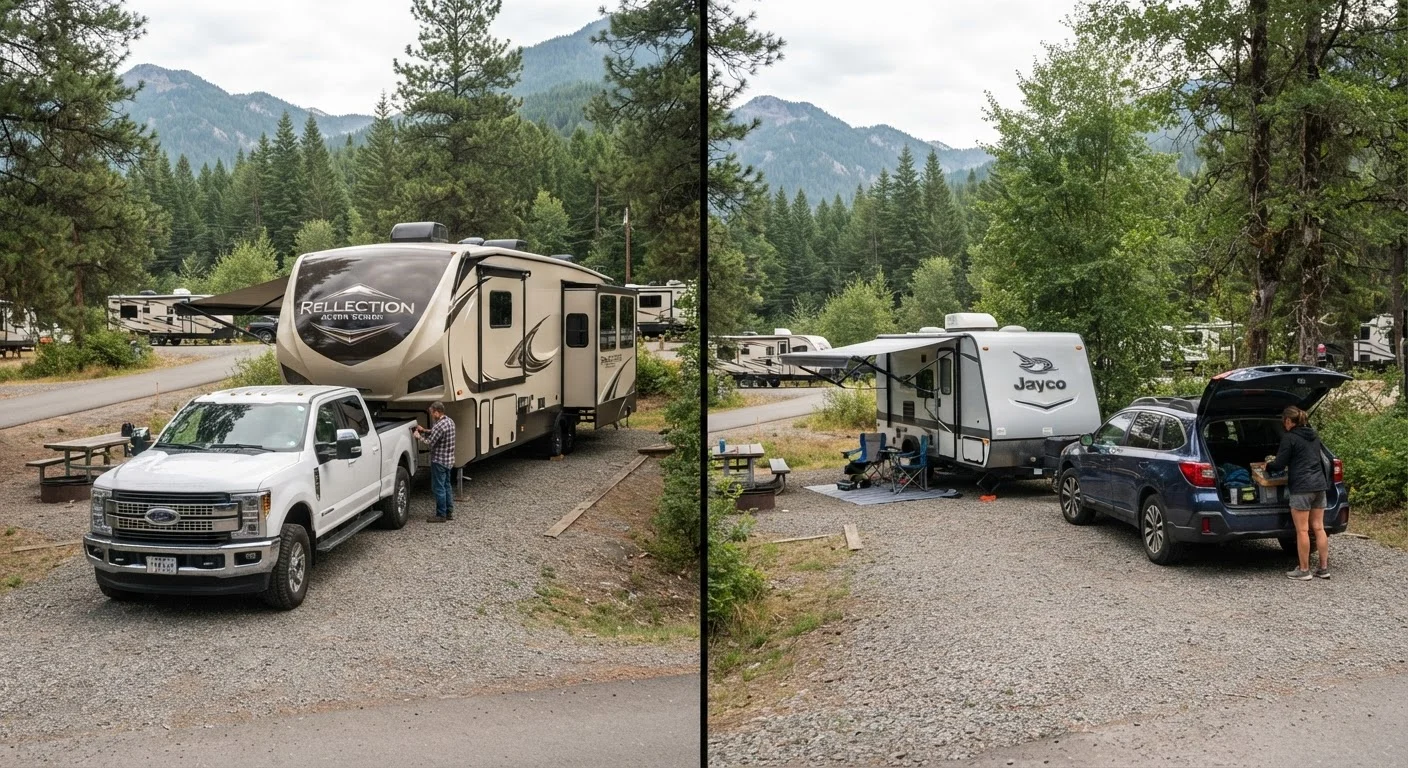
Common RV class misconceptions are worth addressing here: Class A does not automatically mean easier towing, and Class C does not automatically mean cramped. Both classes can tow a dinghy vehicle, though Class A diesel platforms typically offer higher tow ratings. Matching the class to your actual travel pattern matters more than chasing a status tier - aligning your RV class to your trip type walks through that decision in detail.
A Note on RV Class Terminology
The terms Class A and Class C describe chassis and body construction methods, not quality tiers. A well-equipped Class C can rival an entry-level Class A in amenities, while a base Class A may offer fewer features than a premium Class C. Understanding what these labels actually describe helps buyers evaluate floor plans and specs on their own merits. For a foundational primer, the RV class system explained covers all three motorhome categories in detail.