
Why the "Cheaper Than Renting" Claim Deserves Scrutiny
The idea that full-time RV living is a budget-friendly escape from high rents has spread widely online. For some people in some circumstances, it can be - but treating it as a financial guarantee sets newcomers up for a rude awakening. The real cost picture depends heavily on your rig, your travel pace, your campsite preferences, and a set of recurring expenses that rarely appear in the glossy social media version of van life or motorhome travel.
Understanding where the money actually goes is the first step toward making an informed decision. The myth-busting breakdown below addresses the most common misconceptions full-timers encounter - and what the numbers tend to look like in practice. For a broader look at the lifestyle trade-offs involved, see the trade-offs worth knowing before you downsize.
Myth
Full-time RV living is almost always cheaper than paying rent.
Fact
It can be, but only under specific conditions - and for many full-timers, total monthly costs rival or exceed modest apartment rents.
When you factor in campsite fees ($600-$1,500/month for RV parks with hookups), fuel, insurance, maintenance reserves, and health coverage, many full-timers report spending $3,000-$5,000 per month. That figure can drop significantly for disciplined slow-travelers who use free or low-cost camping options like public lands, but it requires trade-offs in location flexibility and amenities. The comparison with rent is only fair if you also account for what a traditional rental would include - utilities, renter's insurance, parking - and what it would not include, like the ongoing depreciation of your rig.
Myth
Your RV is a one-time purchase - after that, you're basically living for free.
Fact
Rig ownership carries substantial recurring costs: loan payments, depreciation, insurance, registration, and a maintenance budget that should typically be 1-2% of the rig's value annually.
RVs depreciate, often steeply in the first few years. A financed rig also carries monthly loan payments that need to be factored alongside campsite costs, not instead of them. Insurance for full-timers is a specialized product that costs more than standard RV insurance, and registration fees vary by domicile state. A maintenance reserve - set aside monthly before anything breaks - is not optional; it's a discipline that prevents a single repair from derailing your finances. Understanding how loan rates and terms affect your total cost of ownership is essential before financing any RV purchase.
Myth
Campsite fees are negligible compared to rent.
Fact
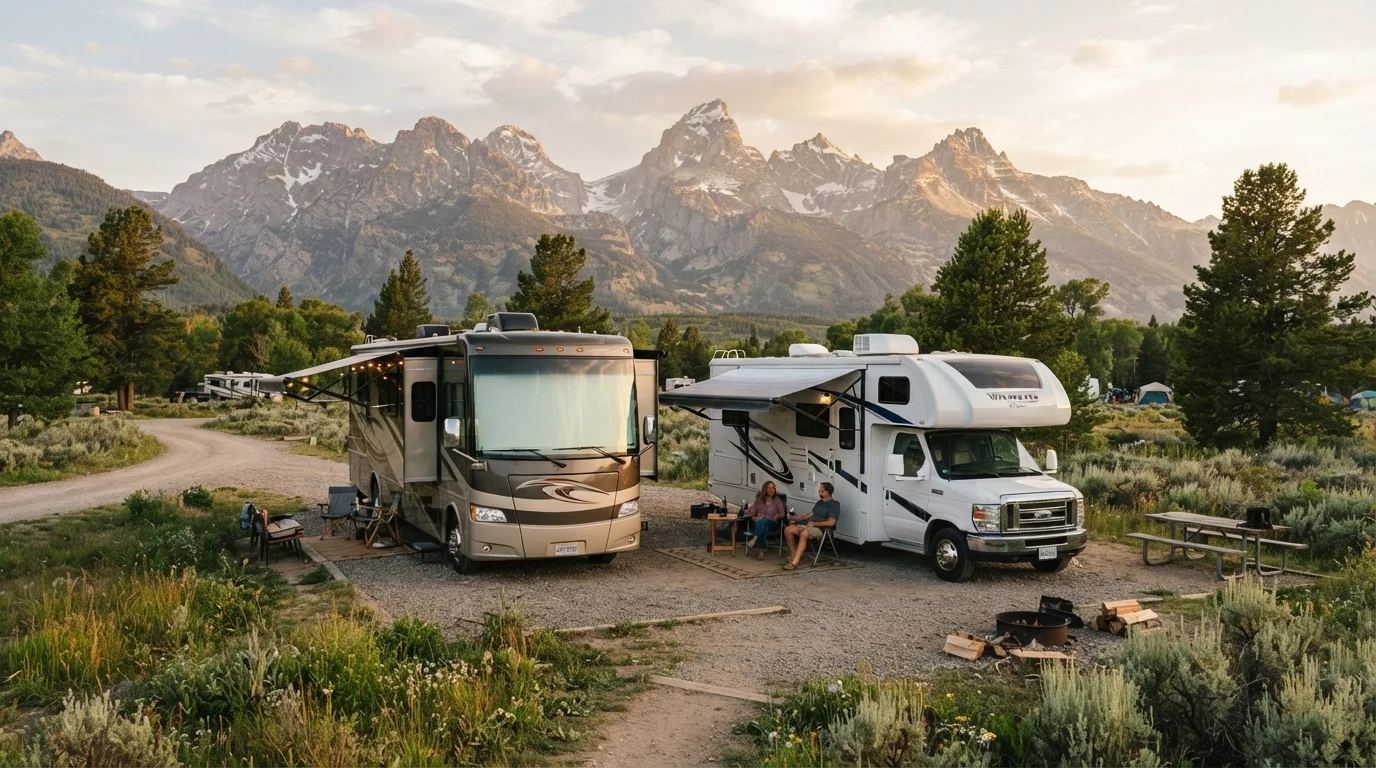
Full-hookup RV park fees in popular or urban areas routinely run $50-$80 per night, and even monthly rates can exceed $1,000 in desirable locations.
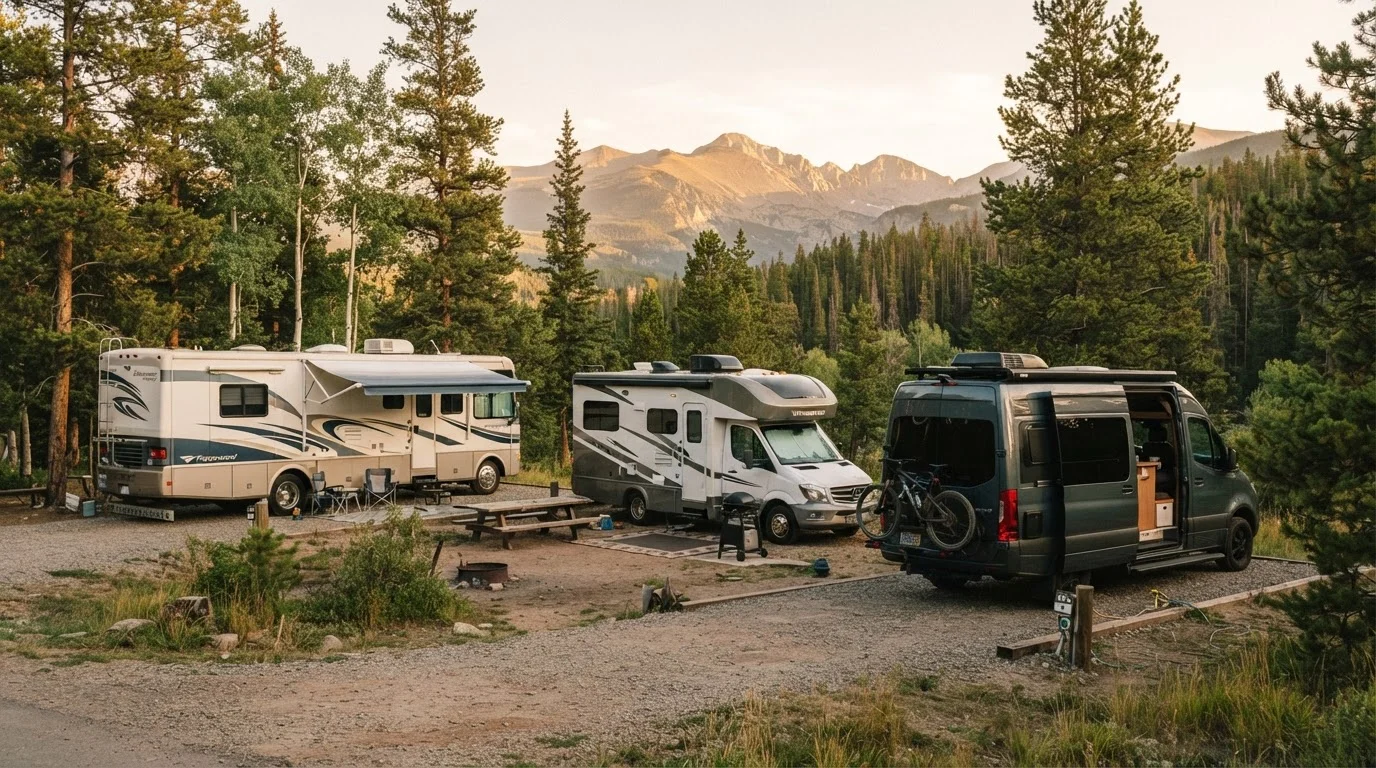
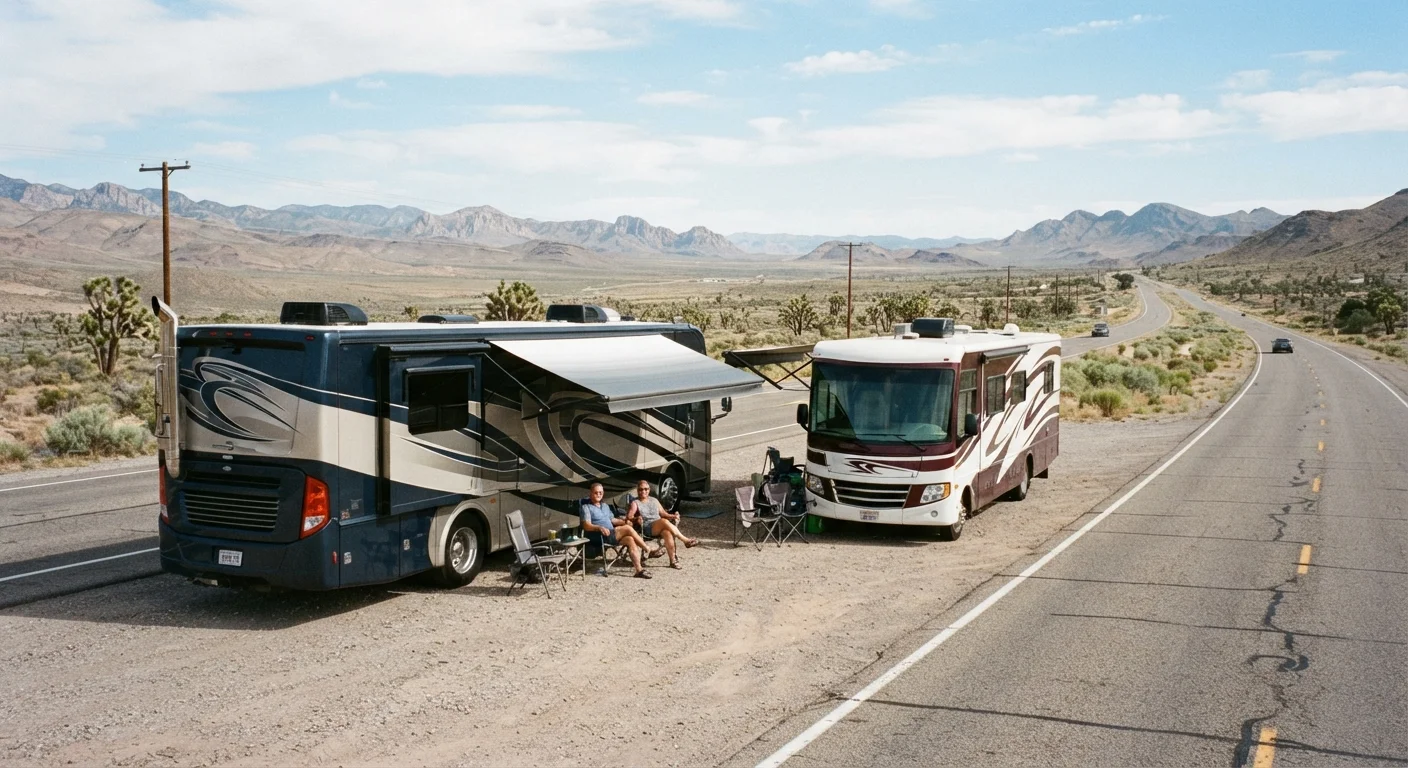
Free camping on Bureau of Land Management (BLM) land or in national forests is genuinely available and used strategically by experienced full-timers, but it requires a rig that can function off-grid and a willingness to forgo shore power, sewer connections, and reliable cell service. For those who prefer campground amenities or need reliable connectivity for remote work, budget campsite fees as a primary line item. Membership programs (such as camping clubs) can reduce nightly rates, but the upfront membership cost and terms vary and should be evaluated carefully.
Myth
Fuel is only a cost when you're actively driving somewhere.
Fact
Fuel costs apply to generator use, heating in colder months, and any tow vehicle or chase car - not just road miles.
A propane-heated rig in winter still burns fuel. A generator running several hours a day to power a home office adds up quickly. Full-timers with a motorhome who also tow a car - or those towing a fifth wheel with a pickup truck - need to budget for two separate vehicles' operating costs. Realistic fuel budgeting means estimating annual miles, your rig's miles-per-gallon (or gallons-per-hour for generators), and the regional price variability you'll encounter across different states.
Myth
Health insurance isn't a major concern - you can figure it out later.
Fact
Health insurance is one of the largest and most complex expenses for full-time RVers without employer-sponsored coverage.
ACA marketplace premiums for a healthy individual without subsidies can range from several hundred to over a thousand dollars monthly, depending on age, plan tier, and domicile state. Access to in-network providers also matters: some plans work poorly for people who move frequently across state lines. Telemedicine services and direct primary care memberships are tools some full-timers use to supplement coverage, but they don't replace comprehensive insurance. Healthcare planning needs to happen before you leave - not after. The domicile and healthcare logistics guide covers this in more depth.
The Costs That Catch Full-Timers Off Guard
Even experienced RVers acknowledge that certain expense categories blindside newcomers. Maintenance is the most common culprit. Unlike a conventional home where repairs can sometimes be deferred, an RV that breaks down on the road creates both a repair bill and a logistics problem simultaneously.
$1,000-$1,500
Typical monthly campsite fees at full-hookup RV parks
Monthly rates at mid-tier RV parks with electric, water, and sewer hookups in moderate-demand areas frequently fall in this range, based on industry-reported campground pricing.
1-2%
Annual maintenance reserve as share of RV value
RV industry financial planners commonly recommend setting aside 1-2% of the rig's current value each year to cover unexpected repairs and routine upkeep.
$3,000-$5,000
Estimated monthly all-in costs for many full-timers
Community surveys and full-timer budget breakdowns shared across RV forums suggest this range is common for couples traveling at a moderate pace with hookup camping.
Healthcare is another major variable. Without an employer-sponsored plan, full-timers typically turn to the ACA marketplace, short-term health plans, or health-sharing ministries - each with different cost and coverage profiles. Choosing a domicile state also affects insurance premiums, registration fees, and tax obligations, which makes it a financial decision as much as a legal one. The logistics of domicile, mail, and healthcare deserve careful planning before you hit the road.
Don't Underestimate Repair Timing and Cost
RV repairs often occur at the least convenient moments - mid-trip, in an unfamiliar location, with parts that need to be ordered. Labor rates at RV service centers vary widely, and wait times for appointments can stretch weeks during peak season. Building a dedicated emergency repair fund of at least $2,000-$5,000 before going full-time is a widely recommended baseline, not a luxury.
Fuel is perhaps the most visible ongoing cost, but also one of the most controllable. Full-timers who move frequently - say, weekly - will spend dramatically more on diesel or gasoline than those who adopt a slower travel style, staying in one region for a month or more. Adjusting your pace is one of the most effective levers for managing total spending. For a grounded look at daily life and what routines actually look like, see what full-time RV life actually looks like.
This article provides general financial information for educational purposes only. It is not personalized financial advice. Consult a qualified financial adviser before making major lifestyle or financial decisions.