What Full-Time RV Life Actually Involves Day to Day
Strip away the Instagram-ready sunsets and what remains is a lifestyle built on logistics. Every day on the road involves decisions that homeowners never think twice about: Where will you get power tonight? How much fresh water is in the tank? Is the dump station at the next campground free or fee-based?
Full-timers develop routines quickly out of necessity. Morning often starts with checking tank levels - fresh water, gray water, and black water - and assessing power reserves if running on solar or battery. Meal planning becomes tighter when refrigerator space is measured in cubic feet rather than a full-size kitchen. Laundry happens at campground facilities or laundromats rather than a dedicated room at home.
These aren't complaints - they're calibrations. Most experienced full-timers describe the adjustment period as about three to six months before the logistics feel second nature. After that, many report that the structured intentionality of van or RV life feels less burdensome than the passive overhead of a fixed home.
Build Your Routine Before You Leave
Many successful full-timers recommend spending several long weekends - not just one - living exclusively in your RV before committing to life on the road full-time. This stress-tests your systems, reveals storage gaps, and helps you identify what you genuinely need versus what you assumed you would. A shakedown trip of two to four weeks, ideally in varying weather, is even more valuable.
Choosing the Right Rig for Long-Term Comfort
The RV you choose shapes every aspect of daily life, and what works for weekend trips often falls short for year-round habitation. Storage, insulation, bed size, kitchen counter space, and bathroom configuration all carry more weight when the rig is your only home.
RV classes and types range from compact Class B campervans to sprawling Class A diesel pushers, each with distinct trade-offs in drivability, livability, and fuel cost. Fifth wheels are a popular full-timer choice because they offer residential-style floor plans - including full-size refrigerators and separate bedroom slides - without the engine maintenance of a motorhome. However, they require a capable tow vehicle, which adds cost and complexity.
Floor plan matters enormously. Couples or families living full-time need clearly delineated zones for sleeping, working, and relaxing. A dedicated workspace - even a fold-down desk - is no longer optional if remote work is part of the plan. Four-season insulation packages become critical for those who don't strictly follow warm weather. And slide-outs, while adding living space, introduce mechanical complexity that requires regular attention.
~1 million
Estimated full-time RVers in the US
Industry surveys and RV Industry Association data suggest approximately one million Americans live in their RVs full-time, a figure that grew noticeably following the rise of remote work.
3-6 months
Typical adjustment period for new full-timers
Experienced full-timers commonly report that logistics feel genuinely routine after three to six months on the road, based on community surveys and anecdotal reporting.
40%
Full-timers who work remotely
Surveys conducted by RV lifestyle organizations suggest roughly 40% of full-time RVers maintain remote employment or run location-independent businesses while traveling.
Managing Campgrounds, Parking, and Seasonal Routes
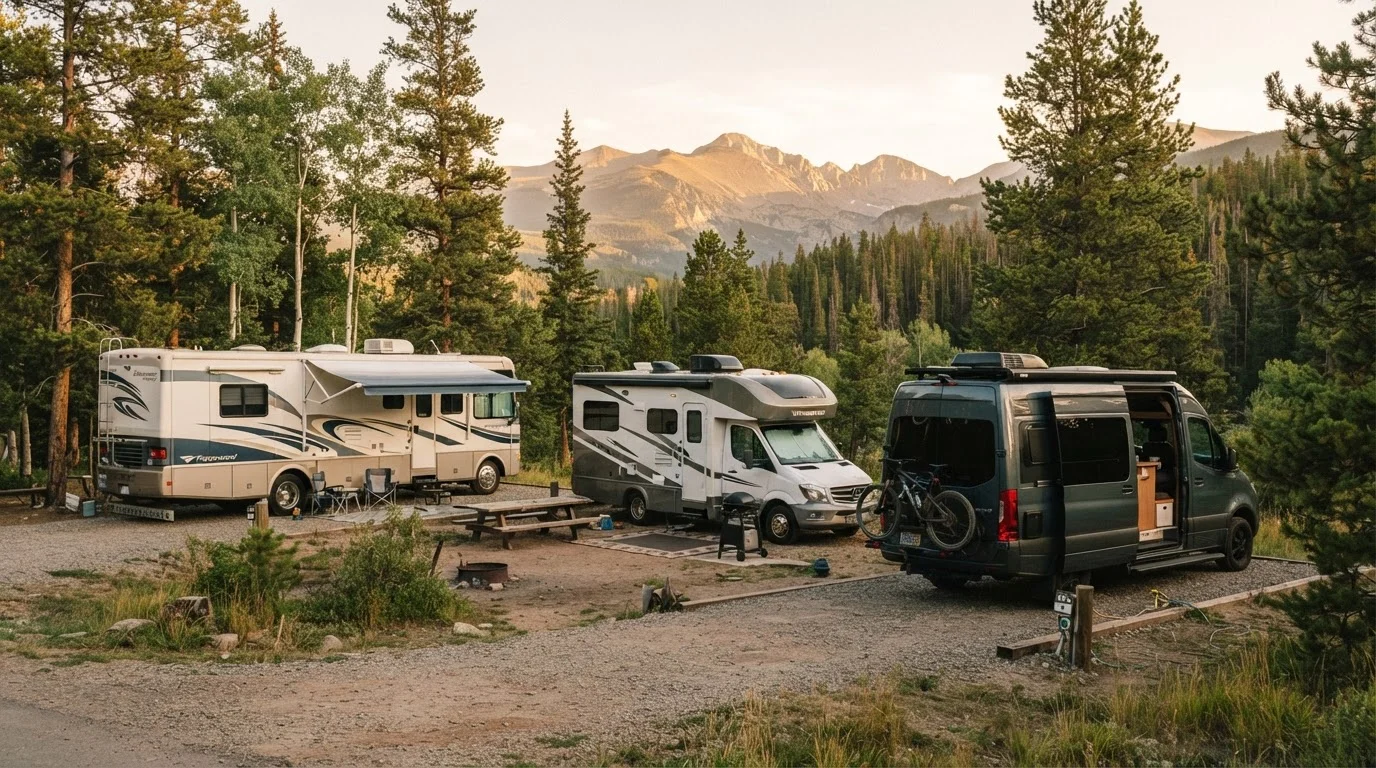
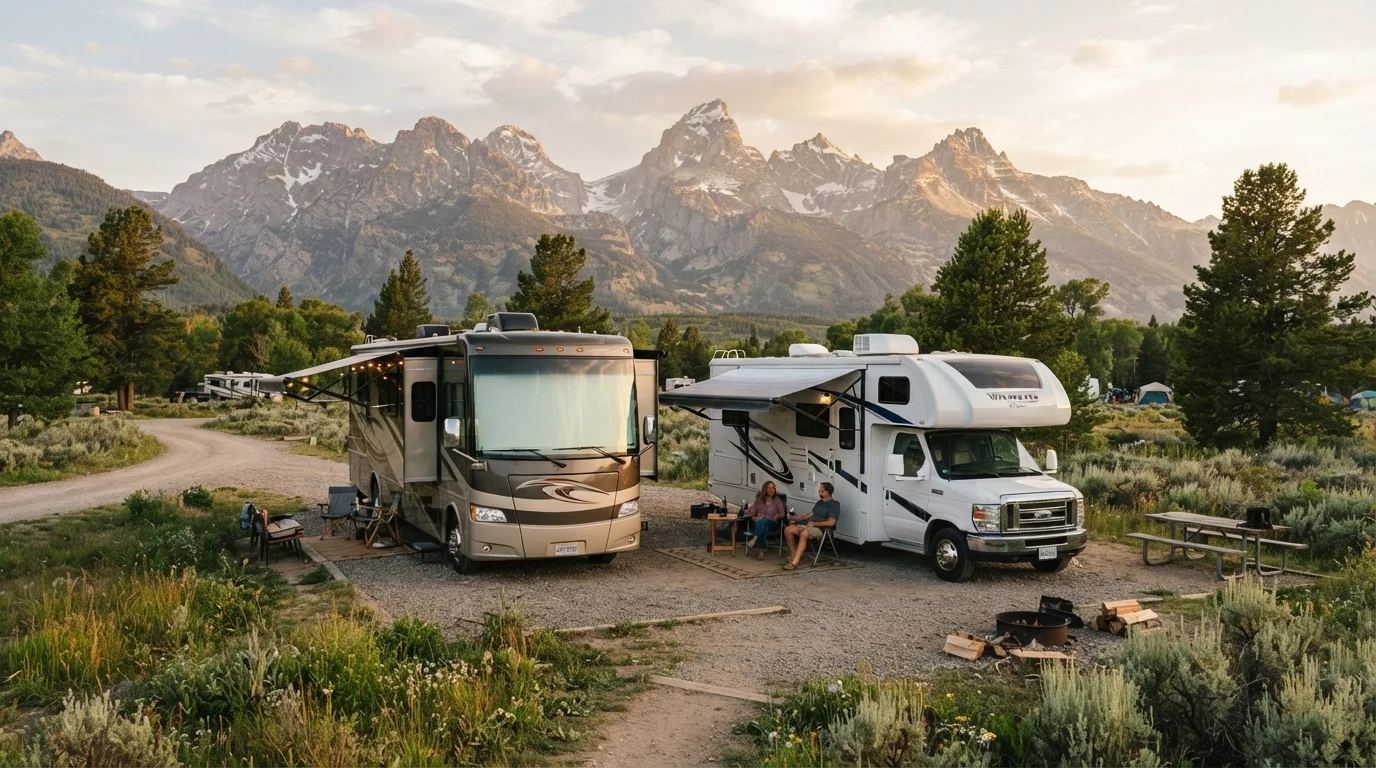
Where you park is as important a decision as what you drive. Full-timers typically mix campground memberships, state and national park reservations, Bureau of Land Management (BLM) dispersed camping, and private RV parks to balance cost, scenery, and amenity access.
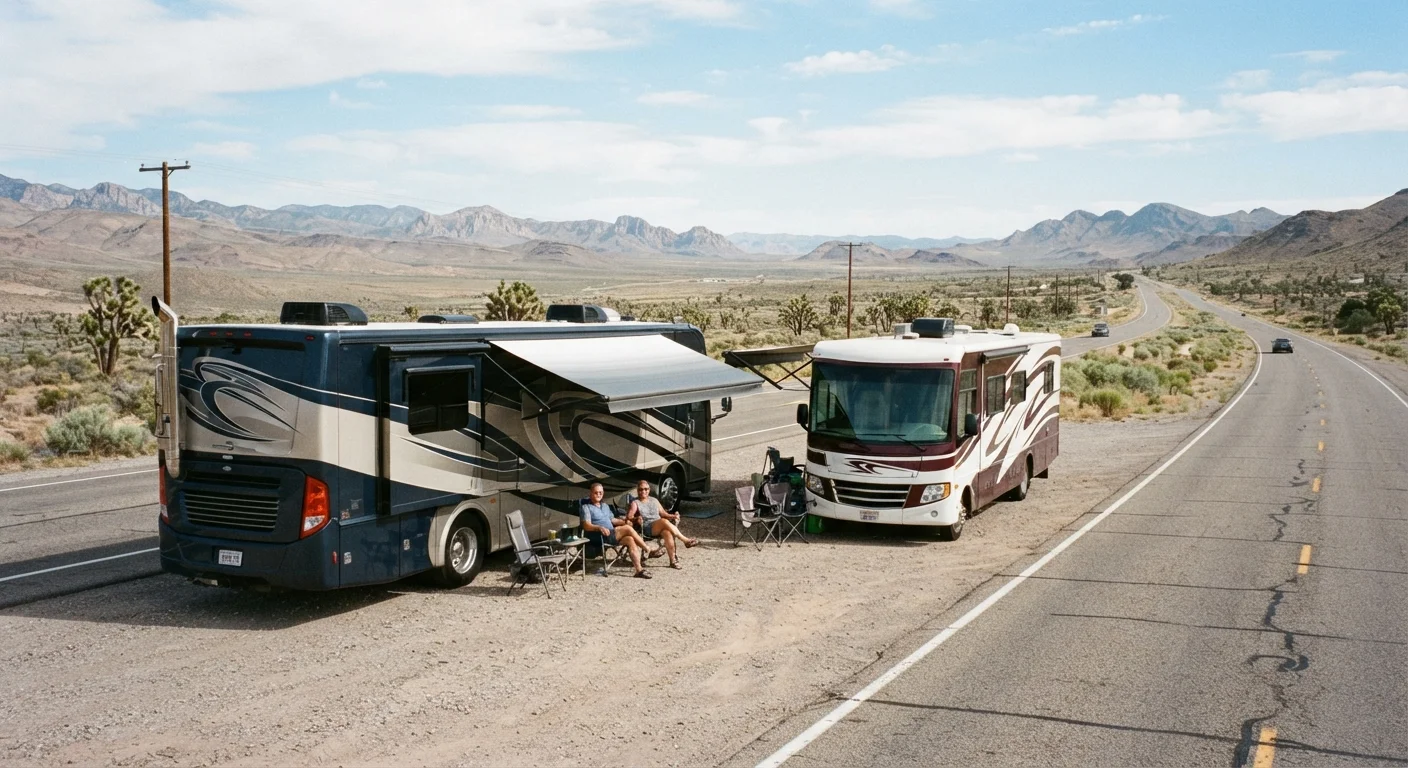
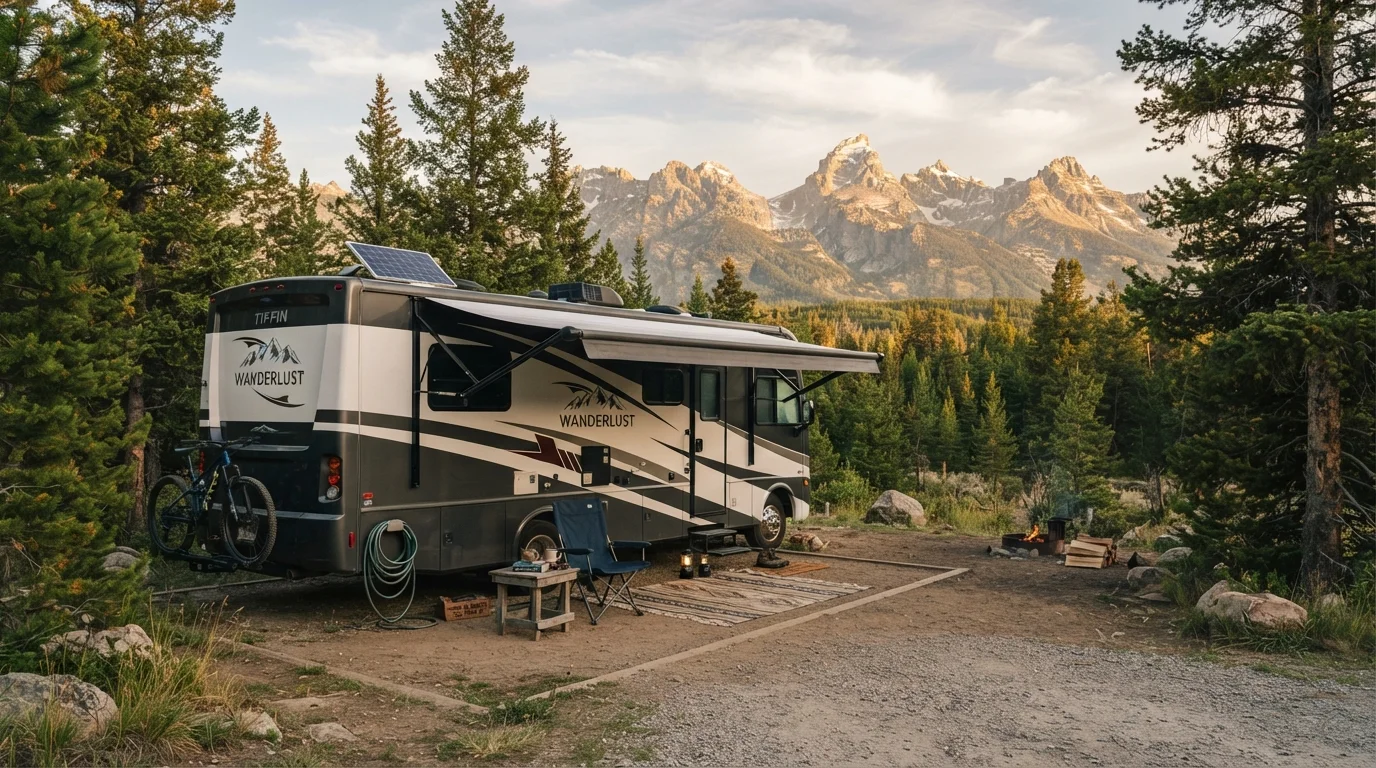
Campground memberships - annual programs offered by various networks of private parks - can reduce nightly fees significantly for those who stay frequently at member locations. BLM land and national forests allow extended stays for free in many areas, though hookups are absent, placing greater demands on self-sufficiency through solar, generator, or large battery banks.
Experienced full-timers rarely fight the weather. Instead, they follow it - wintering in warmer southern climates and migrating north or to higher elevations during summer. This kind of seasonal route planning is one of the lifestyle's genuine advantages: you can sidestep winter heating bills and summer heat waves simultaneously. The trade-off is that it requires advance reservation planning, since popular campgrounds - particularly in national parks - book out months ahead.
Reservation Lead Times Are Getting Longer
Demand for campground sites - especially at national parks and popular state parks - has increased substantially in recent years. Many sites open reservations six months in advance and fill within hours. Full-timers who prefer spontaneous movement often focus on BLM land, national forests, and private parks with flexible availability, reserving national park stays strategically for key destinations.
The Honest Trade-Offs and How Full-Timers Navigate Them
Full-time RV life comes with genuine constraints that no amount of lifestyle content fully prepares you for. Space is finite, and the novelty of minimalism can wear thin when you can't find a place to store a second pair of boots. Relationships - romantic or platonic - are tested by proximity and the absence of personal space.
Maintenance demands are constant. Unlike a house where a landlord handles repairs, RV systems require the owner to be conversant in everything from slide-out mechanisms to propane regulators to roof seam sealant. Staying on top of routine RV maintenance isn't optional - a neglected water leak or failing refrigerator seal becomes a living-condition problem immediately.
Social life requires more intentional effort. Full-timers often build community through campground neighbors, RV clubs, and online groups, but the transience of the lifestyle means connections are frequently temporary. Some full-timers describe a feeling of being slightly outside the rhythm of stationary life - neither fully nomadic nor fully settled.
For a detailed look at these trade-offs before committing, understanding what downsizing really means is a grounded starting point. And if you're actively considering the transition, practical preparation steps for new full-timers outlines the key decisions involved.
“The biggest misconception about full-time RV life is that it's a vacation. It's not - it's just home, with different logistics. Once people accept that, they usually figure out whether they love it or not pretty quickly.”
— Anonymous full-time RVer, Five-year full-timer and member of multiple RV community forums