Why First-Time Buyers Consistently Misjudge RV Class
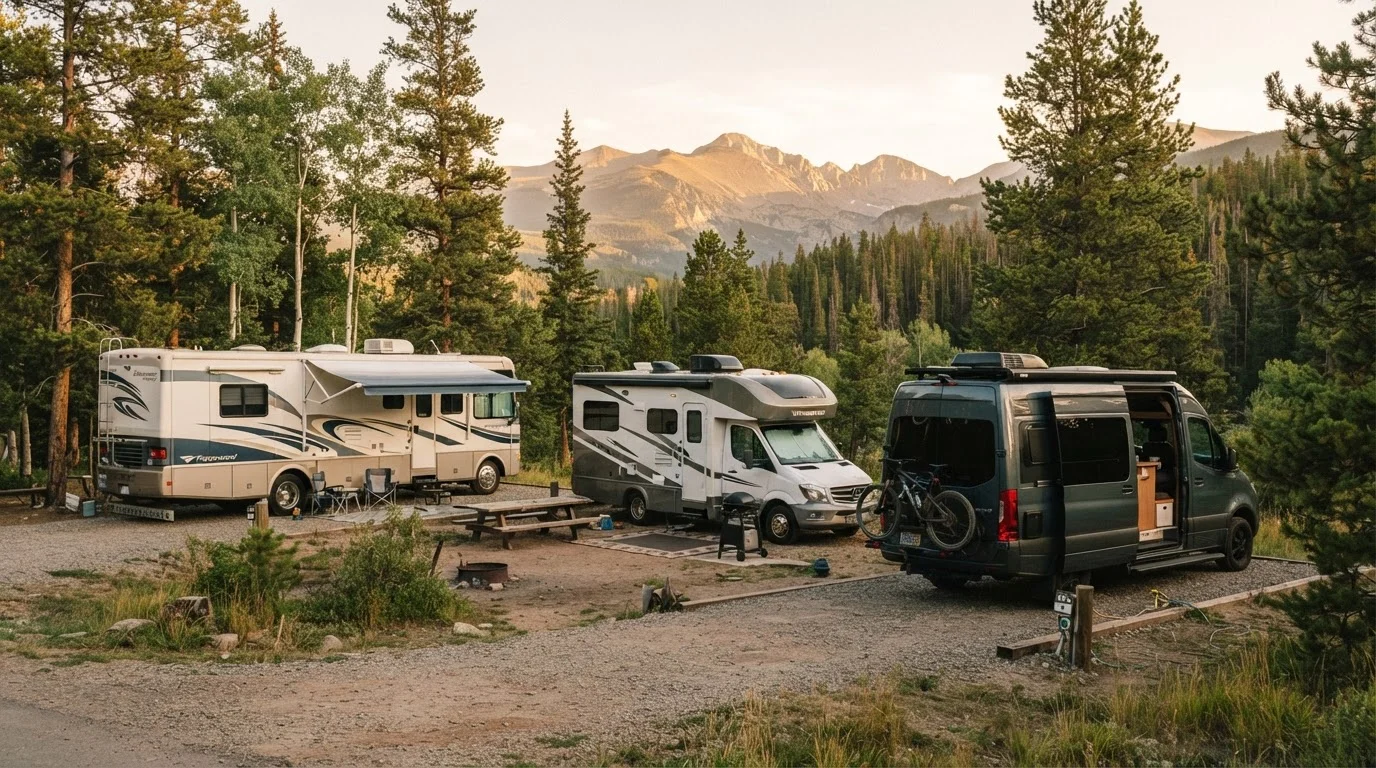
The RV market offers genuine complexity: motorhomes in three distinct classes, towable formats from pop-up campers to fifth wheels, and an enormous range of floor plans within each category. For first-time shoppers, that complexity condenses into a single flawed shortcut - picking a class that looks right rather than one that works right for their actual travel patterns.
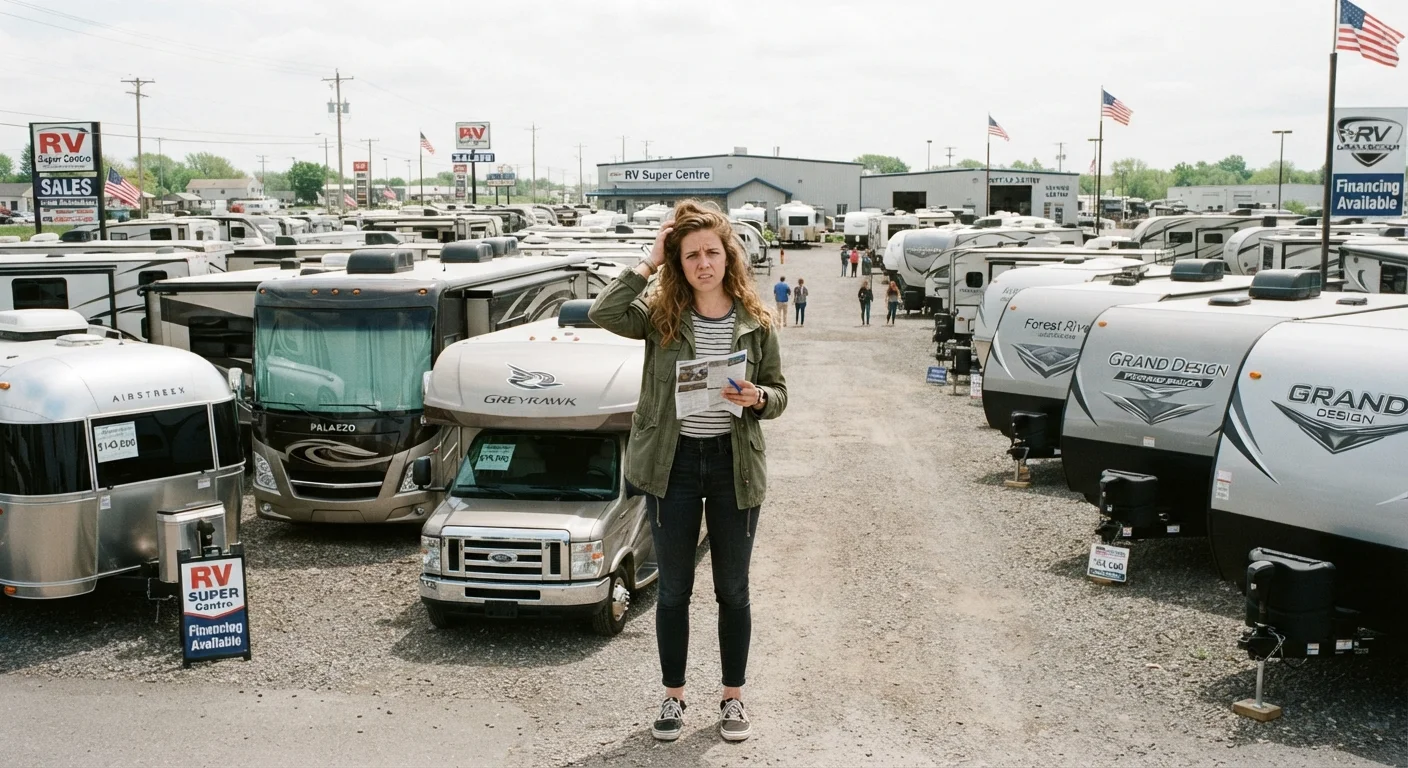
The result is a predictable pattern of regret. Some buyers purchase a hulking Class A only to park it because they can't confidently back it into standard campsites. Others buy a compact Class B van expecting weekend versatility, then discover it can't comfortably sleep two adults and two children on a ten-day trip. Both outcomes are avoidable. Understanding the full range of RV classes and formats before you step onto a lot is the single most useful preparation a first-time buyer can make.
Class Labels Don't Predict Your Experience
The letter assigned to an RV class - A, B, or C - describes its chassis and construction format, not its comfort level, storage capacity, or suitability for your trips. A Class C can sleep more people than some Class A coaches. A Class B can cost more than an entry-level Class A. Never use the class label alone as a proxy for value or livability.
The Most Common Class Misjudgment Mistakes
Each of the errors below stems from a specific blind spot - a gap between how buyers imagine RV ownership and how it actually unfolds across different trip types, campground realities, and household logistics. Recognizing these patterns in your own thinking is the first step toward a better-fit decision.
Choosing a class based on interior aesthetics seen in showroom walkthroughs rather than real-world use requirements.
Why it happens: Showroom models are staged to impress, and buyers often make emotional decisions based on how an RV looks when parked and fully set up rather than how it functions in motion or at a crowded campsite.
Underestimating the driving and maneuvering demands of larger Class A motorhomes.
Why it happens: Buyers transitioning from large trucks or SUVs assume that vehicle size experience translates directly to handling a 38-foot diesel pusher - it generally does not.
Overlooking tow vehicle compatibility when selecting a towable format such as a fifth wheel or travel trailer.
Why it happens: Shoppers focus on the RV's features and price while treating their tow vehicle as an afterthought, only discovering payload or hitch weight conflicts after the purchase.
Assuming a larger class will naturally accommodate future lifestyle changes like full-time living.
Why it happens: First-timers often buy up in size "just in case," believing a bigger RV equals more flexibility - but full-time living introduces constraints around fuel costs, campground hookup availability, and storage logistics that size alone doesn't solve.
Ignoring the meaningful differences between Class B campervans and Class C motorhomes when both appear similarly priced.
Why it happens: Buyers see overlapping price ranges and assume the two formats are interchangeable, when in fact they serve quite different travel styles and group sizes.
Selecting a class based on one trip type while ignoring the variety of trips actually planned.
Why it happens: A buyer planning one national park loop imagines that scenario perfectly, then purchases accordingly - only to find the RV is impractical for weekend festivals, family reunions, or urban overnight stops.
~65%
First-time buyers who report regretting their RV size choice
Industry surveys from RV trade organizations have consistently found that a majority of first-time buyers wish they had chosen a different size or class within their first two years of ownership.
40+ feet
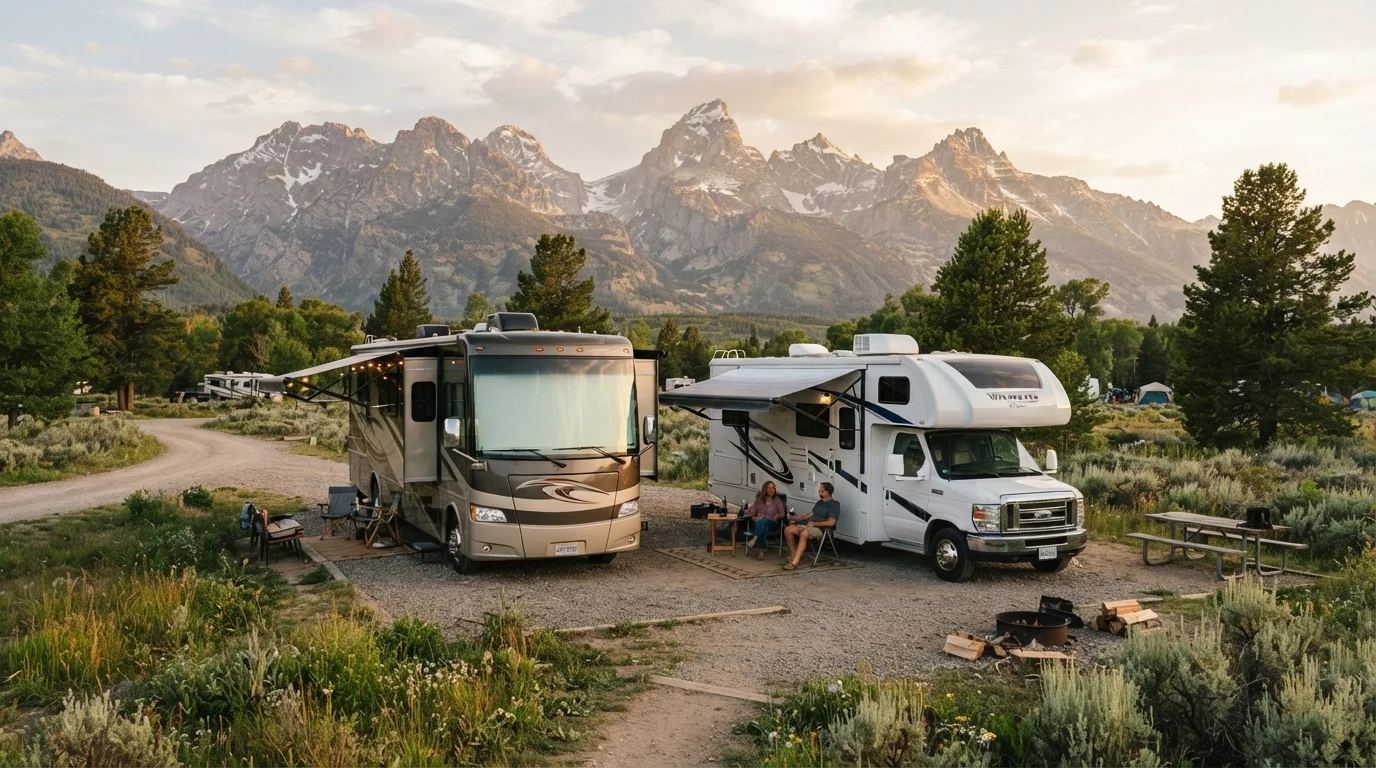
Maximum length restricted at many state and national park campgrounds
Numerous campground networks, including many national forest sites, cap vehicle length at 35-40 feet, effectively excluding the largest Class A coaches from a significant share of destinations.
If you suspect your assumptions about a particular class may already be shaped by marketing more than fact, the RV class myths article addresses the most persistent misconceptions head-on.
Making a Confident, Informed Class Decision
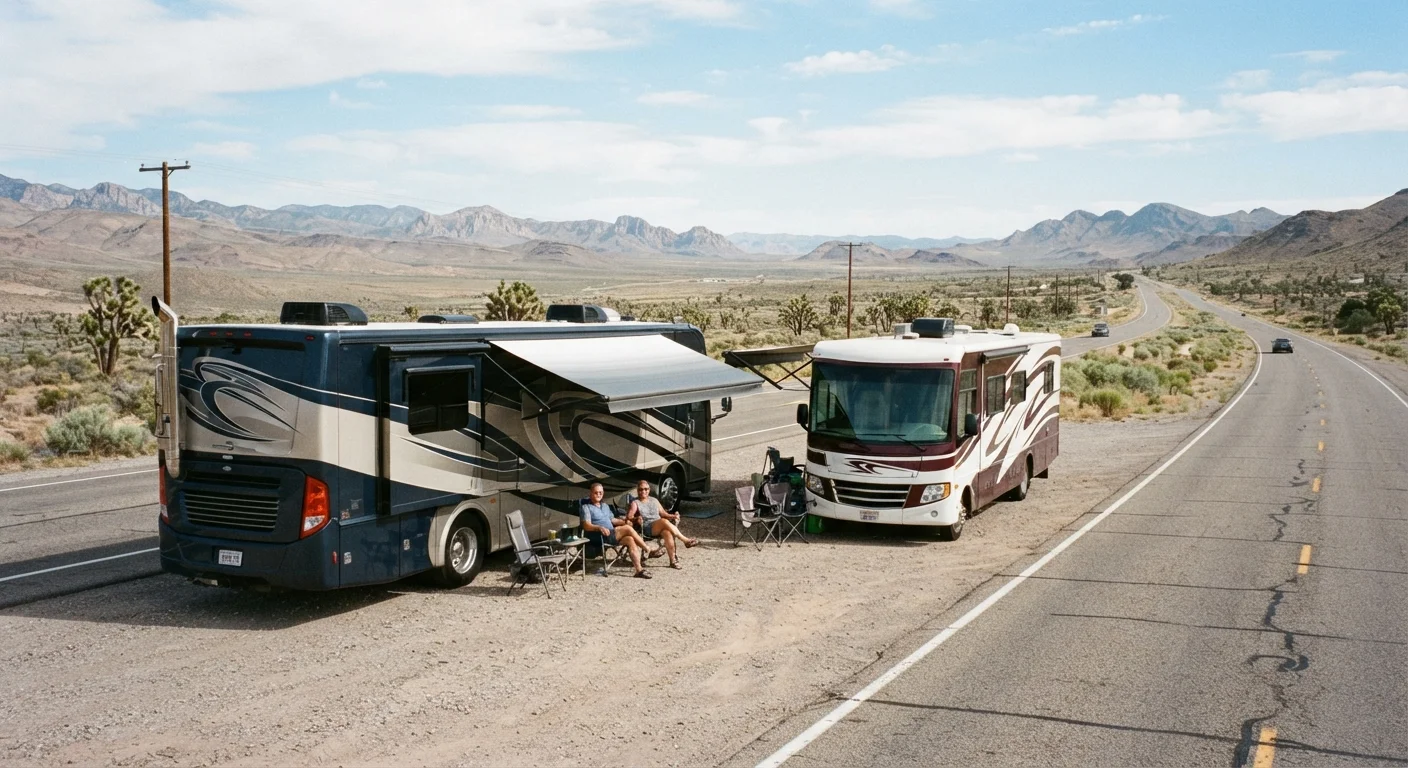
Avoiding these mistakes doesn't require exhaustive technical knowledge - it requires structured self-assessment before you engage with inventory. Document your realistic travel scenarios, verify your tow vehicle's rated limits if you're considering a towable, and distinguish between what you want in a showroom and what you'll actually need on a two-week loop through mountainous terrain.
When you're ready to move beyond general class awareness into a specific decision framework, the pre-purchase class checklist offers a structured set of questions designed to pressure-test your choice before you commit. For buyers also weighing financing options, understanding how loan terms and interest rates affect total RV cost is an important parallel step - particularly when comparing the substantial price differences between classes.
Financing a Mismatched RV Compounds the Cost
Buying the wrong class isn't just an inconvenience - if you financed the purchase, trading up or down before the loan matures can result in negative equity. A Class A motorhome that depreciates faster than you pay down the loan leaves you owing more than the unit is worth. Think through the full ownership cost - not just the purchase price - before committing to any class.