
Why the Quiet Moments Matter Most
Most buyers rehearse what they'll say at the dealership. They memorize target prices, plan their opening offer, and anticipate counterarguments. What they rarely prepare for is what to do when they stop talking.
Silence is one of the most underused tools in any negotiation. After you make an offer or counter a price, the instinct is to keep talking - to justify your number, soften it, or fill the quiet. That instinct works against you. When you speak first after making an offer, you're handing the other party an opportunity to learn what pressure you're feeling.
Experienced negotiators - and experienced salespeople - understand this well. The person who speaks first after an offer often makes a concession without being asked. Sitting with discomfort, letting a pause run its course, and waiting for the other side to respond is a discipline that pays off in concrete terms.
This article covers three dimensions of negotiation that operate largely in the background: silence, timing, and patience. None of them require you to know more than the salesperson. They simply require you to manage your own behavior more deliberately. For a broader framework on how dealership negotiations unfold, see The Anatomy of a Car Dealership Negotiation.
Best Practices: Using Silence, Timing, and Patience Effectively
The following practices are grounded in how dealership negotiations actually function. Each addresses a specific behavioral lever buyers can apply without specialized knowledge or confrontational tactics.
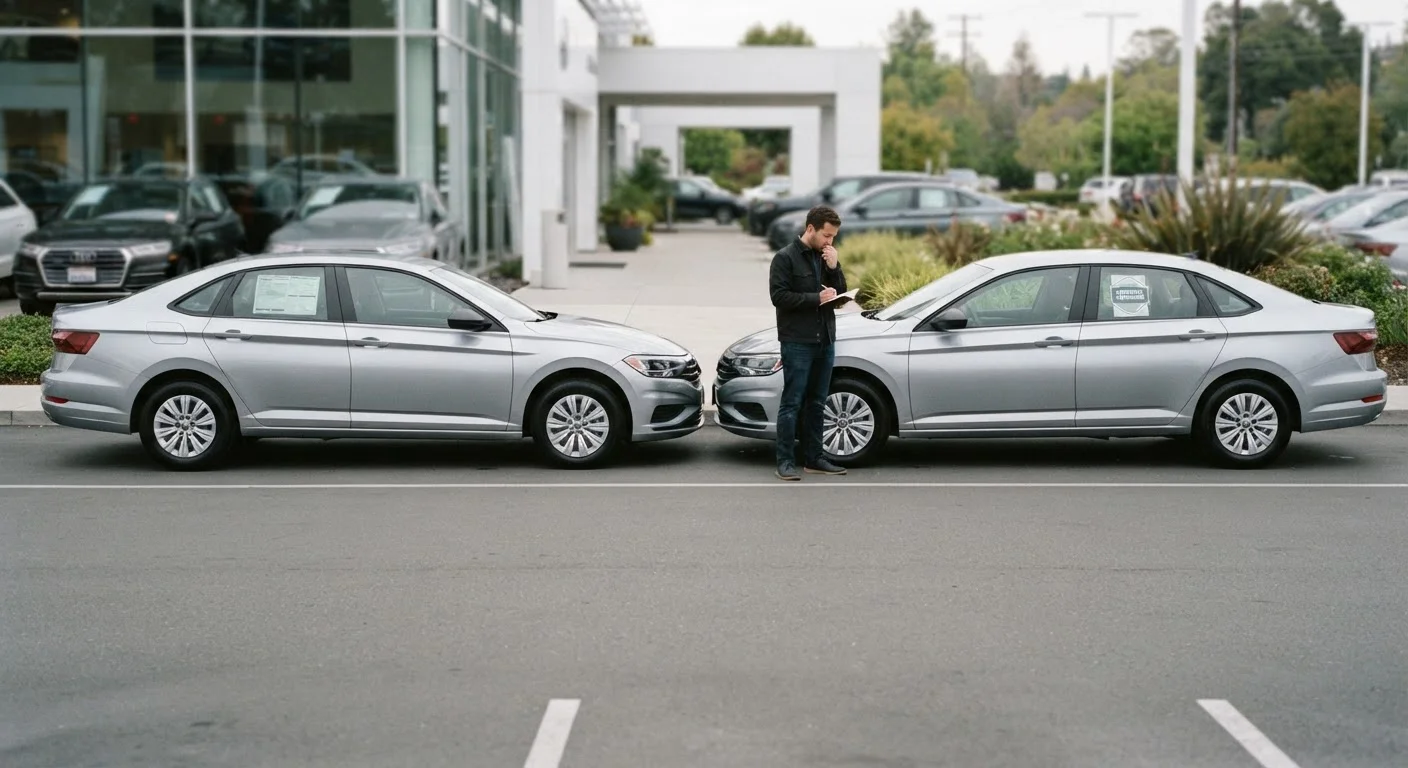
After stating your offer, stop talking and wait for a response.
The silence that follows an offer creates a natural pressure to respond. If you fill it yourself, you signal anxiety - and dealers read that as room to hold firm. Letting the pause sit puts the burden of the next move on the other party.
Time your dealership visit for late in the month, ideally on a weekday.
Dealerships and individual salespeople often work against monthly sales quotas. As the month closes, the motivation to move inventory typically increases, which can translate into more flexibility on price. Weekday visits also mean less floor traffic and more salesperson attention.
Delay revealing your financing situation until you've agreed on a vehicle price.
When a dealer knows whether you're financing through them, paying cash, or bringing outside financing, they can structure the deal around that information. Keeping it separate until price is locked prevents the conversation from shifting to monthly payments before a total price is established.
Use deliberate pauses when reviewing paperwork or counteroffers.
Dealers are trained to keep the process moving. When a desk manager brings a counteroffer, taking time to read it carefully - without rushing - resets the pace on your terms. It also gives you space to notice figures that don't match what was discussed verbally.
Be willing to leave and return - or leave and not return.
Walking away is only credible if you're genuinely prepared to do it. Buyers who are visibly eager to close that day surrender leverage. Leaving - politely and without ultimatums - resets the dynamic and often produces follow-up contact with revised terms.
Avoid negotiating under self-imposed time pressure.
Telling the dealer you need the car by the weekend, that your current vehicle just broke down, or that this is your only day off hands them information they can use. Urgency signals reduce your options and shift leverage toward the seller.
This content is general educational information about negotiation dynamics and is not personalized financial or legal advice. For guidance specific to your situation, consult a qualified professional.
Quick Wins You Can Apply Today
You don't need to master every tactic at once. These actions can shift your footing in a negotiation immediately, whether you're still in the research phase or already in conversation with a dealer.
If you haven't yet established a clear target price before approaching a dealer, review Negotiating Without a Number in Mind - going in without a concrete figure is one of the most common preparation gaps buyers carry into the room.
Putting It All Together
Silence, timing, and patience are not passive stances. Each is an active choice that shapes how the negotiation unfolds. When you wait out a pause, you're doing something deliberate. When you choose to visit late in the month, you're selecting conditions that favor buyers. When you decline to rush toward a decision, you're signaling a kind of leverage that is difficult to manufacture with words alone.
“In negotiation, the most powerful thing you can do after making an offer is nothing. The first person to speak usually gives something away.”
— William Ury, Co-author of 'Getting to Yes' and negotiation researcher
These tools work alongside - not instead of - solid preparation. Know your target price going in. Keep your trade-in negotiation separate from the vehicle price discussion (see Trade-In Timing for why this matters). Recognize when pressure tactics are being used against you - Pressure Tactics Commonly Used in Dealerships walks through the most common ones and how to respond calmly.
And be alert to the moments after you've agreed on a headline price. That's when deals can quietly erode. Negotiation Pitfalls That Erode the Deal You Thought You Won outlines exactly where buyers lose ground in the final stages without realizing it.
The throughline across all of it: slow down, stay quiet at the right moments, and let patience do what urgency never can.