How the Sales Floor Is Set Up to Work
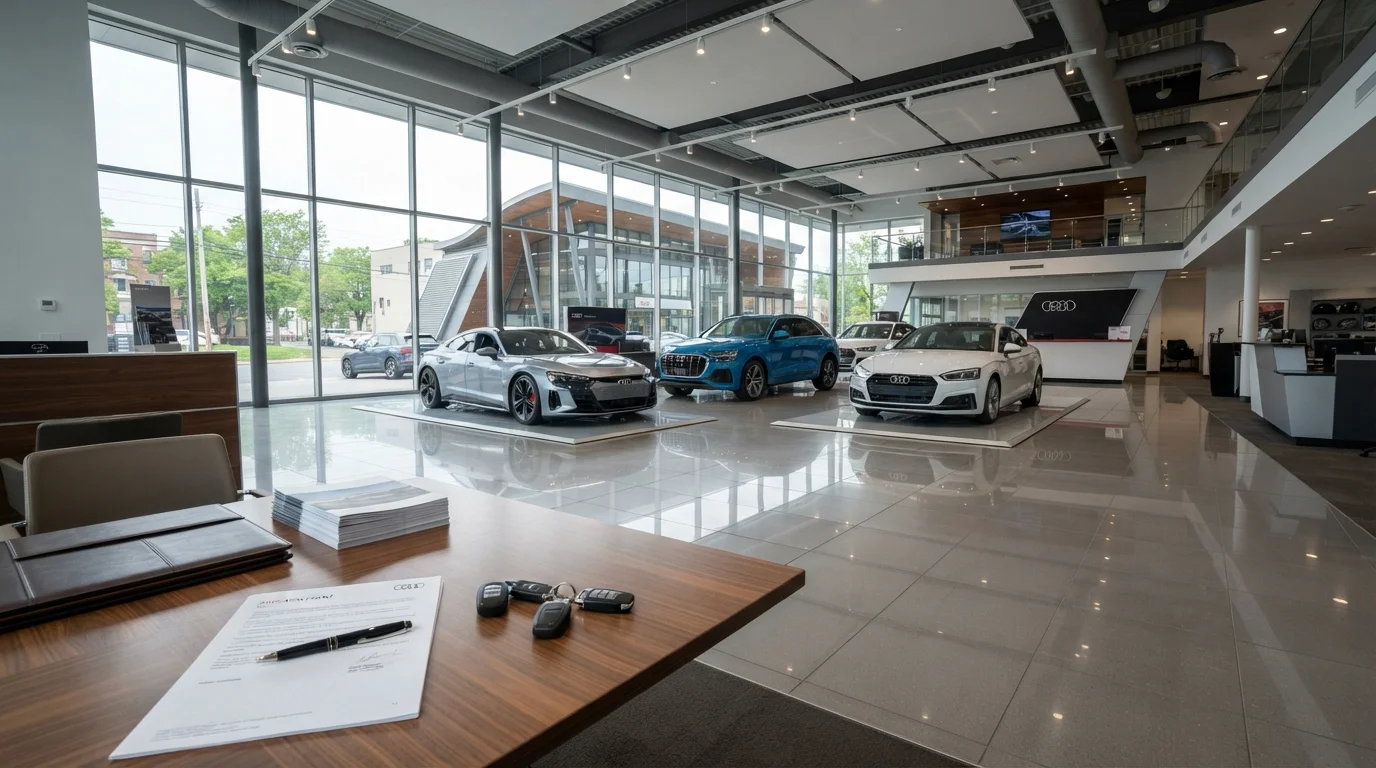
When you walk into a dealership, the environment itself is part of the process. Salespeople are trained to build rapport quickly, qualify your budget, and identify which vehicles are within your stated price range. This initial stage - often called the "meet and greet" - is where dealers begin gathering information about how you intend to pay, whether you have a trade-in, and how urgently you need to buy.
Understanding this framing is not meant to make you suspicious; it's meant to help you recognize that the salesperson is simultaneously building a relationship and profiling the deal. Being pleasant but measured with what you share early - particularly around your monthly budget ceiling - keeps options open as the conversation moves forward.
Prepare Your Numbers Before You Arrive
Know your credit score, have a pre-approved loan rate from an outside lender, and research the market value of both the vehicle you want and the one you're trading in. Arriving with this information means you're evaluating the dealer's offer against real data, not negotiating blind. The pre-negotiation checklist walks through each of these steps in sequence.
For a structured way to prepare before this conversation even starts, the pre-negotiation checklist covers every step from research to setting your walk-away number.
The Price Negotiation: What's Actually on the Table
Once you've identified a vehicle, the negotiation over its price begins. The sticker price - formally the Manufacturer's Suggested Retail Price (MSRP) - is a starting point, not a fixed value. Dealers typically have a cost basis called the invoice price, though actual dealer cost can be lower due to manufacturer incentives, holdbacks, and volume bonuses that aren't visible on the sticker.
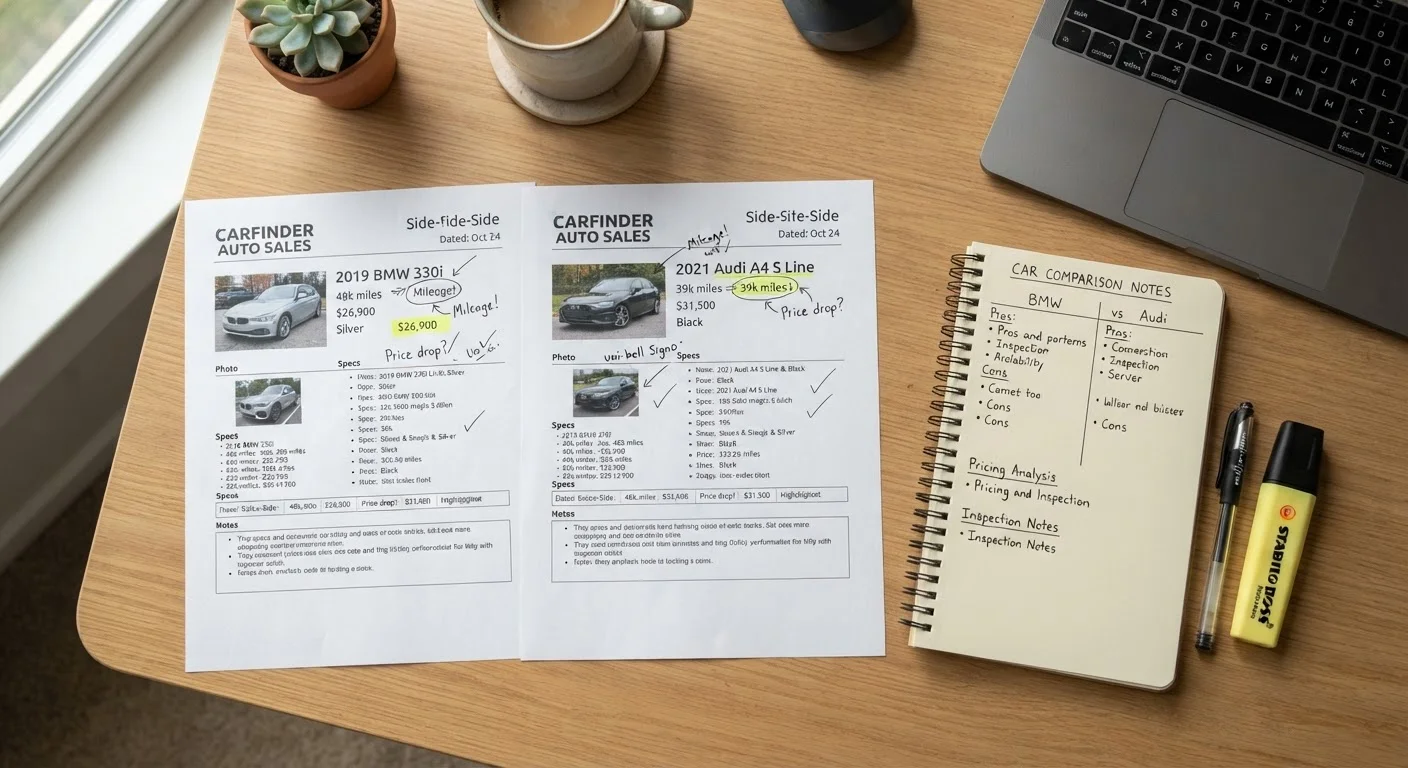
Market conditions determine how much flexibility exists. In high-demand periods, many vehicles sell at or above MSRP. In softer markets, meaningful movement below sticker is more common. Coming in with data - comparable listings, pricing guides, and an understanding of current inventory levels - is what separates an informed negotiation from guesswork.
~$1,000-$3,000
Typical dealer profit from finance and insurance products
Industry analysts and dealer financial statements consistently show F&I (finance and insurance) products as a significant per-vehicle profit center, often exceeding front-end vehicle gross profit.
1-2%
Common range of dealer reserve markup on loan rates
Dealers may mark up lender-approved rates by a percentage point or more; borrowers with pre-approved financing from an outside lender have a direct basis for comparison.
Dealers also earn profit from the financing component of a deal, which is why separating the vehicle price conversation from the financing discussion matters. Once the purchase price is settled, you're in a better position to evaluate the loan terms independently. Identifying a genuine deal requires understanding both sides of that equation.
The Trade-In: A Separate Transaction
If you're trading in a vehicle, dealers will typically assess its value as part of the overall deal - and that bundling can obscure whether you're getting fair value. A dealer might offer a generous-seeming trade-in credit while recovering that margin in the vehicle purchase price, or vice versa.
The most transparent approach is to negotiate the new vehicle price to a firm number before introducing the trade-in. Get an independent valuation from multiple sources beforehand so you have a defensible floor. This process is meaningfully different when buying used, where pricing variability is higher - see how used car negotiations differ for an adjusted framework.
The Finance Office: A Second Negotiation
Many buyers treat the finance office as a formality - a place to sign documents. In practice, it's a distinct negotiation with its own set of products and profit centers. The finance manager will present loan terms, and may also offer extended service contracts, gap insurance (which covers the difference between what you owe and what the vehicle is worth if it's totaled), paint or fabric protection, and other aftermarket packages.
Each of these products has a standalone cost that should be evaluated on its own merits, not folded into a monthly payment figure. Ask for the out-of-pocket price of each item individually. Some products - particularly gap coverage - can be purchased from your own insurer at lower cost.
Remote Negotiation Changes the Dynamic
Buyers who obtain competing price quotes by email or phone before visiting a dealership often report stronger starting positions. This approach is covered in depth for those who prefer to establish terms before committing to an in-person visit. Email and phone negotiation strategies explain how to structure those conversations effectively.
If you're financing through the dealer, compare the rate offered against a pre-approval from your bank or credit union. Understanding how interest rates and loan terms affect total cost helps you evaluate whether the dealer's financing is competitive or carries a significant markup.
For a full walkthrough of how these stages connect from first contact to contract signing, the guide on car negotiation from first contact to final signature maps the complete sequence.