Purchase Price and Incentives
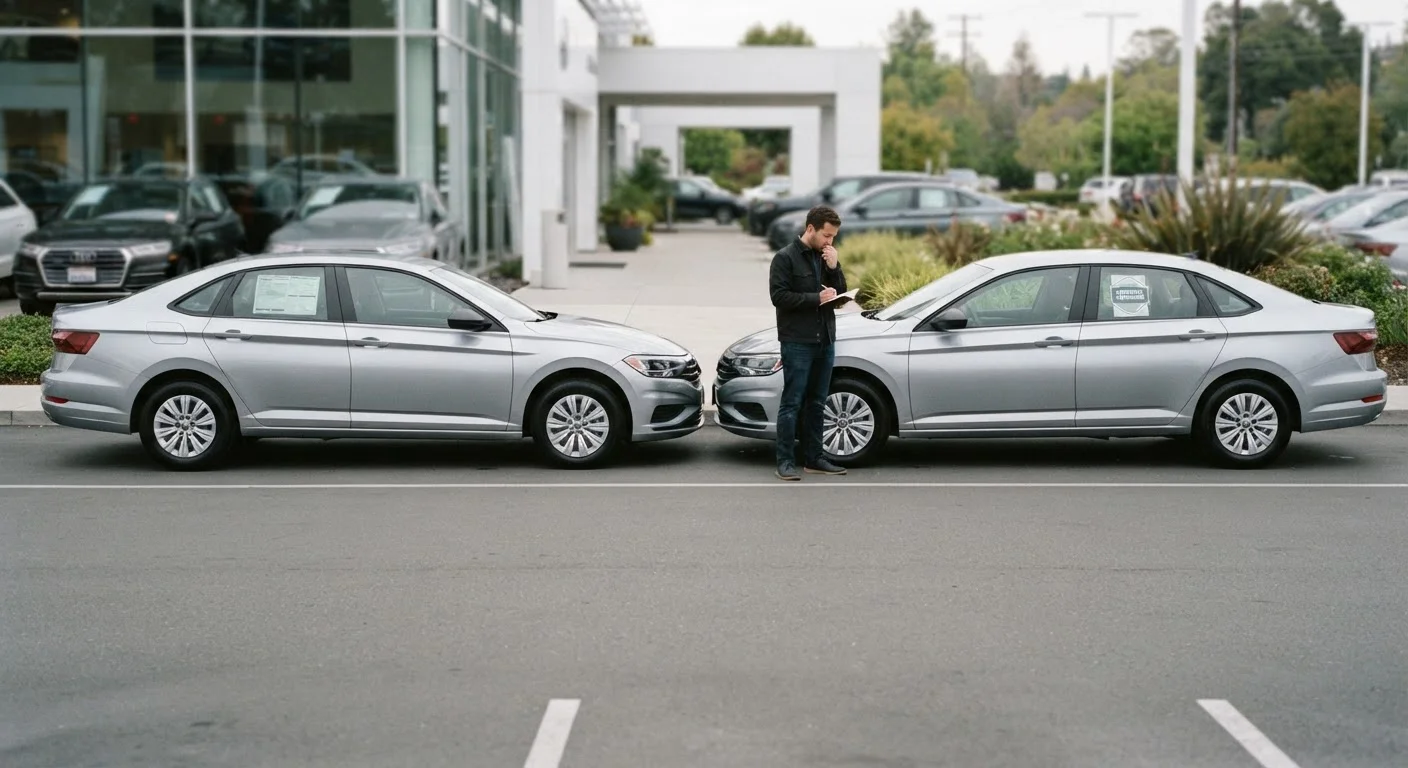
The most immediate cost difference between electric and petrol vehicles is the purchase price. EVs in equivalent segments generally command a notable premium over petrol counterparts, driven by battery manufacturing costs. However, federal and state incentives - such as the federal EV tax credit available to qualifying buyers in the U.S. - can reduce that gap meaningfully. These incentives vary by income threshold, vehicle price cap, and whether the vehicle is purchased new or used, so prospective buyers should verify current eligibility directly with the IRS or a tax professional rather than assuming a fixed discount.
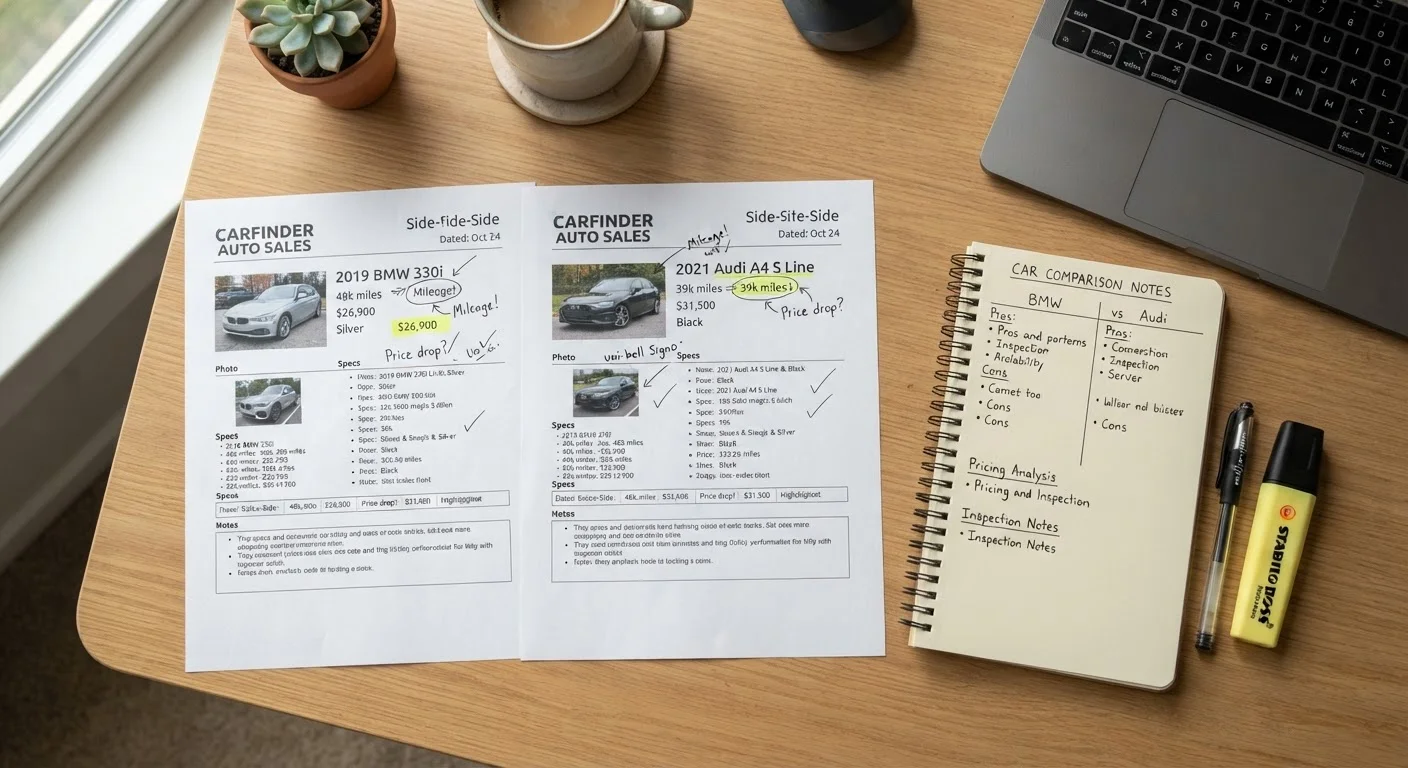
It's worth noting that the sticker price is just one input. Total five-year cost comparisons consistently show that purchase price, depreciation, fuel, insurance, and maintenance interact in ways that can invert first impressions about which option is genuinely cheaper.
| Criterion | Electric Vehicle | Petrol Vehicle |
|---|---|---|
| Typical purchase price | Higher upfront cost | Lower upfront cost |
| Energy cost per mile | Lower (home charging) | Higher, commodity-linked |
| Routine servicing | Less frequent, lower cost | Regular schedule, established cost |
| Battery/engine longevity risk | Battery degradation uncertain | Engine wear well understood |
| Depreciation predictability | Less predictable currently | More established patterns |
| Insurance premiums | Typically higher | Typically lower |
| Government incentives | Often available (vary by region) | Rarely applicable |
Fuel and Energy Costs
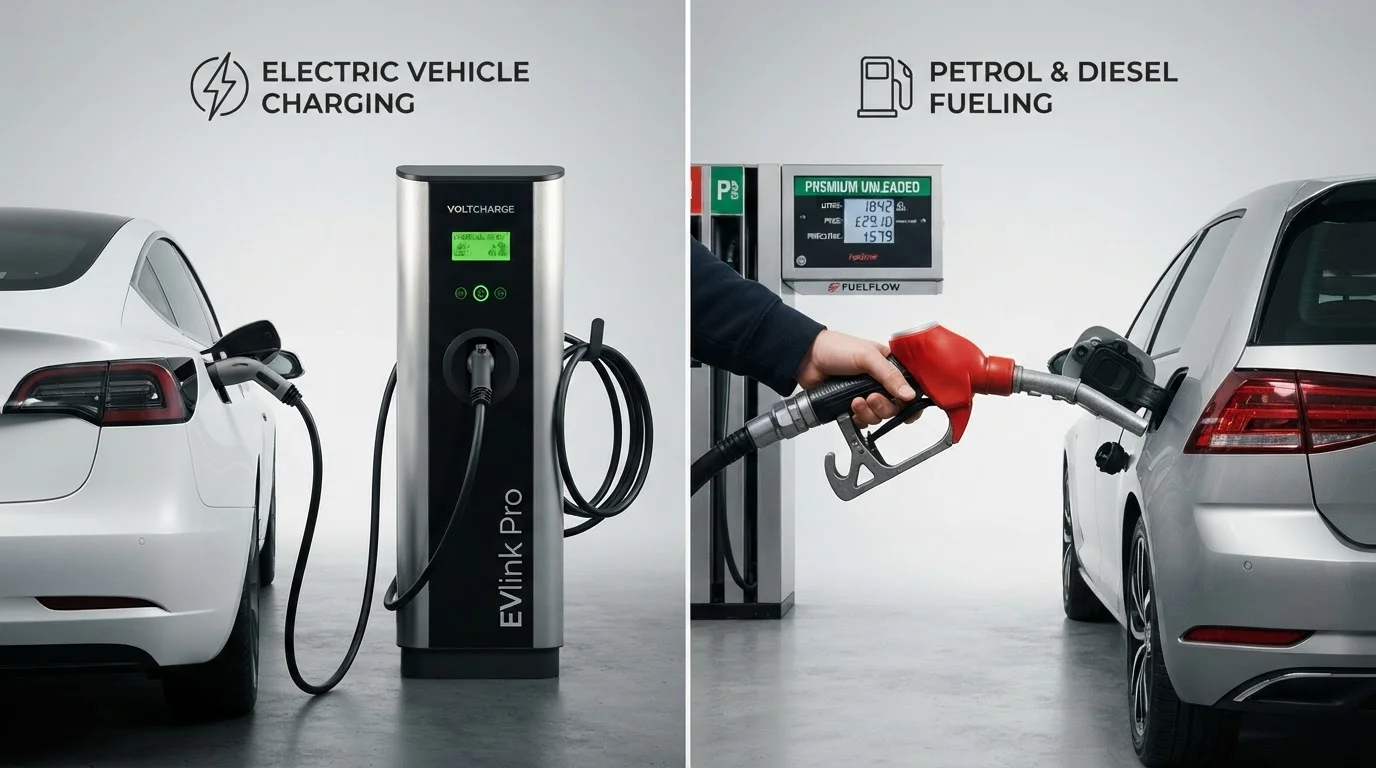
Electricity is generally cheaper per mile than petrol, but the margin varies considerably based on local utility rates, time-of-use pricing, and whether charging happens at home or at public fast-chargers. Home overnight charging tends to be significantly less expensive per mile than public DC fast charging, which can approach petrol parity in some markets.
Petrol prices are subject to commodity fluctuations that are difficult to forecast. EV energy costs are more stable when charging is home-based, but public charging network pricing lacks the transparency of petrol pump signage, making budgeting less straightforward for drivers without home charging access.
~3-4¢
Estimated cost per mile for home EV charging
U.S. Department of Energy figures suggest home charging averages significantly less per mile than petrol at typical national pump prices, though local utility rates vary widely.
~40%
Potential reduction in scheduled maintenance costs
Studies by bodies including the U.S. Department of Energy have estimated EV owners may spend materially less on routine maintenance compared to petrol vehicle owners over comparable periods.
8 yrs / 100k mi
Common EV battery warranty period
Most major manufacturers offer at least this coverage for the high-voltage battery pack, though terms differ by brand and market.
For a thorough look at how these running costs interact with depreciation and servicing across EV and hybrid options, see this structured five-year cost analysis.
Maintenance and Servicing
EVs have a mechanical advantage in routine maintenance. Without an internal combustion engine, they require no oil changes, fewer brake pad replacements (regenerative braking reduces wear), and have no timing belts, spark plugs, or exhaust systems. This meaningfully reduces scheduled servicing costs over time.
Petrol vehicles carry well-understood maintenance schedules and a dense network of independent mechanics, which can keep labour costs competitive. EV-specific repairs - particularly those involving battery management systems or high-voltage components - require specialist training and equipment, which can translate to higher labour rates at some service centres.
The largest long-term EV maintenance unknown is battery degradation. Most manufacturers offer battery warranties (commonly eight years or 100,000 miles), but out-of-warranty replacement costs remain substantial. Understanding key vehicle components can help buyers assess what they're committing to before purchase.
Hybrid Vehicles as a Middle Path
If the EV charging infrastructure in your area is limited but you want lower running costs than a straight petrol vehicle, a hybrid may warrant consideration. Comparing EV and hybrid powertrains across range, refuelling, and running costs can help clarify whether a hybrid closes the gap for your driving profile. Hybrids don't eliminate petrol dependency but reduce it, and they sidestep the range anxiety and charging infrastructure constraints that affect some EV buyers.
Depreciation and Resale Value
Petrol vehicles have decades of resale data behind them, giving buyers and lenders a stable framework for estimating depreciation. EVs present more uncertainty: battery state-of-health, charging history, and rapidly evolving model competition all affect used EV values in ways that historical petrol depreciation curves don't fully capture.
Some EV models have depreciated steeply in recent years as newer models enter the market and range anxiety concerns persist among used-car buyers. Others have held value well due to strong demand in specific segments. This variability is a genuine risk for buyers who plan shorter ownership periods.
If you're weighing these dynamics more broadly, common ownership cost myths - including the idea that EVs always pay for themselves quickly - are worth examining against the evidence before committing.
Insurance Costs
Insurance premiums for EVs have generally run higher than for equivalent petrol vehicles, reflecting higher repair costs (expensive battery packs, specialist parts, and lower parts availability) and, in some cases, higher vehicle values. However, the gap has been narrowing as insurers accumulate more EV claims data and the repair ecosystem matures.
Petrol vehicle insurance is well-established, with actuarial data going back decades. For buyers comparing like-for-like models, the insurance differential is worth obtaining actual quotes for - averages can obscure significant variation by driver profile, location, and vehicle segment. For a broader view of how insurance fits into total sedan ownership costs, see this breakdown of costs sticker prices don't show.
This article is for general informational and educational purposes only. It does not constitute personalised financial, tax, or legal advice. Costs, incentives, and regulations vary by location and change over time. Consult a qualified financial or tax professional regarding your specific circumstances.