Why Sticker Price Misleads Five-Year Cost Comparisons
Most buyers anchor their new-vs.-used decision on the purchase price gap. That gap is real, but it tells only part of the story. Over five years, ownership cost is shaped by at least five separate forces: depreciation, financing charges, insurance premiums, maintenance and repairs, and registration or tax fees. Each factor tilts differently depending on whether the vehicle is new or used.
Depreciation is the single largest cost for most vehicle owners, yet it rarely appears on a window sticker. Understanding how these layers interact is what separates an informed purchase from one that looks cheap until the bills arrive. For a parallel look at how powertrain choice adds another layer, see our long-term electric vs. petrol cost breakdown.
How Each Cost Category Plays Out
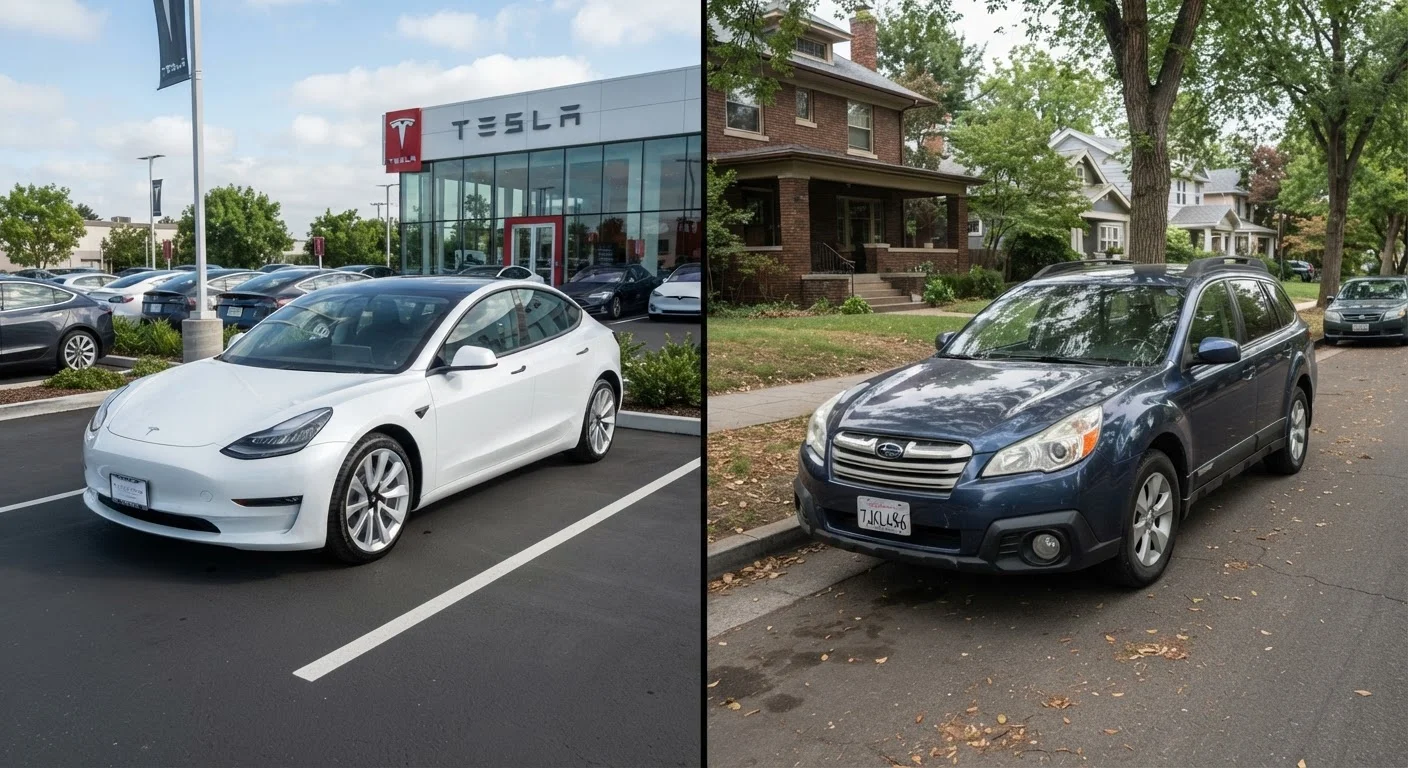
Depreciation: New vehicles typically lose 15-25% of their value in the first year alone, with cumulative losses of roughly 40-60% over five years - though this varies considerably by segment and vehicle condition. A used car that is already two to three years old has absorbed the steepest part of that curve. The buyer of that used car effectively lets the first owner pay the depreciation premium.
Financing: Lenders generally price used-car loans at higher interest rates than new-car loans, reflecting greater collateral risk. A lower rate on a larger new-car balance can sometimes result in similar or even lower total interest paid compared to a higher rate on a smaller used-car loan. Run the full amortization, not just the monthly payment. Our hub on auto financing rates and terms walks through how to evaluate this accurately.
Maintenance and repairs: New cars come with manufacturer warranties - typically three years bumper-to-bumper and five years powertrain - that shift repair costs to the automaker during that window. A used car past its original warranty period exposes the buyer to repair bills immediately. The older and higher-mileage the vehicle, the wider that exposure becomes.
Insurance: Comprehensive and collision coverage on a newer, higher-value vehicle usually costs more than on an older used vehicle with a lower replacement value. However, newer vehicles may qualify for safety-related discounts, and the net difference varies by insurer and driver profile.
Registration and fees: Many states base annual registration fees partly on vehicle value or model year. New cars typically carry higher fees in early years, with costs declining as the vehicle ages.
| Cost Category | New Car (5-Year Tendency) | Used Car (5-Year Tendency) | |
|---|---|---|---|
| Depreciation burden | High - absorbs first-year drop | Lower - prior owner absorbed peak loss | |
| Financing rate | Generally lower | Generally higher | |
| Warranty coverage | Full manufacturer warranty early on | May be expired or limited | |
| Maintenance & repair risk | Low in early years | Higher, especially post-warranty | |
| Insurance premiums | Typically higher (higher value) | Typically lower (lower value) | |
| Registration fees | Higher in early years | Lower, declines with age |
The Certified Pre-Owned Middle Ground
Certified pre-owned (CPO) vehicles occupy a distinct position in this comparison. They are used cars that have passed a manufacturer-defined inspection and carry an extended warranty, partially bridging the repair-cost gap with new. The trade-off is a price premium over equivalent non-certified used vehicles. Whether that premium is worth it depends on the warranty terms, the specific vehicle's reliability profile, and how long the buyer intends to keep it. Our detailed breakdown on when CPO is worth the extra outlay examines this question directly.
Check Warranty Transferability Before Buying CPO
Not all manufacturer CPO warranties transfer automatically if the vehicle changes hands again. Before paying the CPO premium, verify the warranty terms in writing - specifically what is covered, for how long, and whether it remains valid if you later sell. Some third-party extended warranties sold by dealers are not the same as manufacturer CPO programs.
Building Your Own Five-Year Cost Estimate
Because so many variables are vehicle-specific, the most useful exercise is building a rough five-year cost model before committing. Start with projected depreciation by checking historical resale data for the make, model, and trim you're considering. Add estimated financing cost using the actual loan terms available to you - not advertised rates. Factor in expected insurance quotes, not assumptions. Finally, account for warranty coverage gaps and set a realistic maintenance reserve for any used vehicle outside warranty.
If you're comparing used cars specifically, the negotiation dynamics also differ from buying new. Used car negotiation involves different pricing benchmarks and leverage points than a new-car transaction. And if sedans are in your consideration set, our guide to long-term sedan ownership costs adds further category-specific detail.
~20%
Typical new-car value loss in year one
Industry estimates from vehicle valuation guides consistently place first-year depreciation for mainstream vehicles in the 15-25% range.
1-2%+
Average rate gap: used vs. new auto loans
Federal Reserve consumer credit data has historically shown used-car loan rates running above new-car rates, though the spread shifts with market conditions.
This article provides general financial information for educational purposes only and does not constitute personalized financial or purchasing advice. Consult qualified professionals for guidance specific to your situation.