Why Flawed Beliefs Persist in Specialty Markets
Specialty and classic vehicle collecting rewards deep knowledge - but the same insularity that generates expertise within marque communities also incubates myths that circulate unchallenged for decades. Auction results get misread, anecdotal wins become generalized rules, and marketing language migrates into accepted fact. The result is a marketplace where buyers routinely overpay for attributes that don't drive value, and undervalue characteristics that appraisers and serious collectors prize most.
Understanding which beliefs are well-founded and which are distortions is foundational to sound decision-making in any niche segment, whether you're pursuing pre-war brass-era automobiles, purpose-built race cars, or light commercial vehicles from the postwar era. The myths addressed below represent the most consequential - and most common - errors in collector reasoning.
Myth
Low production numbers automatically make a vehicle valuable and desirable to collectors.
Fact
Rarity is a necessary but not sufficient condition for collector value. Demand, parts availability, marque community size, and documented history all weigh heavily in actual market outcomes.
Auction records consistently show that obscure low-volume vehicles with thin enthusiast communities can sit unsold at reserve prices that would seem modest by mainstream collector standards. Rarity without a critical mass of interested buyers simply means a vehicle is hard to sell, not necessarily hard to afford. Marques with dedicated registries, active clubs, and reproducible parts tend to outperform objectively rarer vehicles that lack those support networks. Before treating low production figures as a value anchor, research the depth of the collector community around that specific model.
Myth
A freshly restored specialty vehicle is always worth more than an unrestored original.
Fact
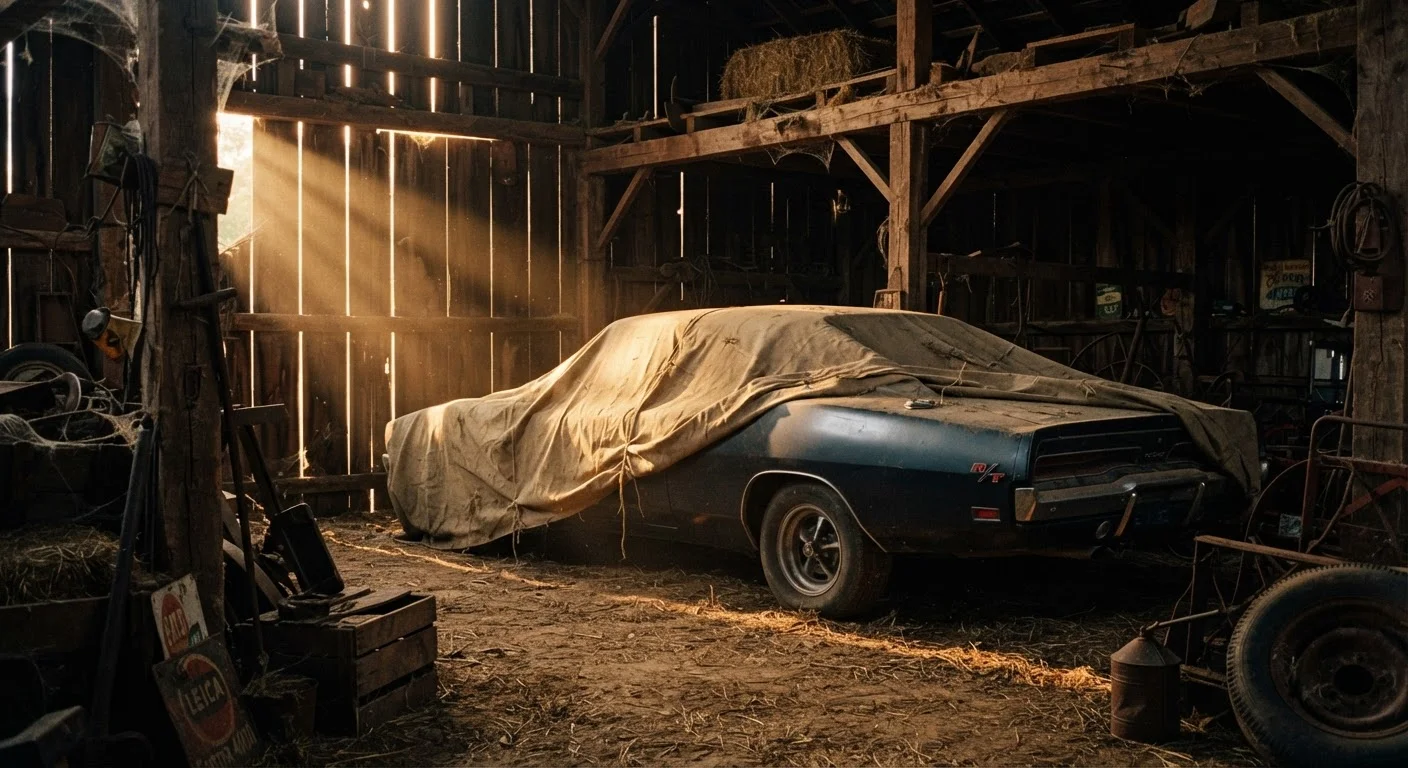
In many segments - particularly those judged at concours events or appraised for insurance - documented, unrestored originals in honest condition can command equal or higher values than restored counterparts.
Restoration introduces variables that appraisers scrutinize closely: the quality of the work, the correctness of materials, and whether non-original parts were introduced. A poorly executed restoration - or one using incorrect-period components - can actually reduce a vehicle's appraised value relative to a driver-quality original. This dynamic is especially pronounced in European sports cars and pre-war American vehicles, where originality documentation carries substantial weight. The value myths surrounding classic car restoration deserve careful review before committing to a full restoration budget.
Myth
A replica, tribute, or continuation vehicle carries the same collectibility as the original it references.
Fact
These three categories are legally and commercially distinct, and the market prices them accordingly - often with dramatic gaps relative to authenticated originals.
Replicas are purpose-built approximations; tribute vehicles are typically modified originals styled to resemble a more desirable variant; continuation vehicles are factory-sanctioned later productions that may carry serial numbers but were not built in the original production run. Conflating these categories - whether through misunderstanding or misrepresentation - is one of the most persistent sources of buyer error in specialty markets. The distinctions between replica, tribute, and continuation vehicles have direct and significant implications for valuation.
Myth
Specialty vehicle markets move in lockstep with broader collector car trends.
Fact
Niche segments - microcars, commercial vehicles, pre-war motorcycles, purpose-built race cars - often follow entirely independent demand cycles driven by their own collector communities.
When mainstream muscle car values softened in certain auction cycles, well-documented microcars and light commercials from the same era held or appreciated, driven by European and Japanese collector demand that operates on different cultural and generational rhythms. Treating the collector car market as a monolith leads buyers to misread entry points and exit timing in specialty segments. For enthusiasts drawn to the distinctive world of small-displacement collectors, the history and appeal of microcars illustrates how passion, not production scale, drives these markets.
Myth
Any vehicle described as 'numbers matching' is guaranteed to be all-original.
Fact
'Numbers matching' is a marketing phrase with no standardized definition. What it means in practice varies widely and requires independent verification.
In the US collector market, 'numbers matching' typically refers to the alignment of engine, transmission, and body stampings with factory records - but the phrase is applied loosely and sometimes inaccurately. Stampings can be transposed, documentation can be forged, and partial matches are frequently presented as complete ones. A qualified inspector with marque-specific expertise should verify any numbers-matching claim before a buyer places meaningful weight on it in pricing negotiations.
Applying Accurate Market Logic to Niche Acquisitions
The corrective to market myths is not cynicism - it's structured, evidence-based evaluation. Condition grading from a marque-recognized inspector, cross-referencing against factory records held by marque registries, and reviewing actual comparable auction results (not asking prices) form the practical baseline for any serious acquisition.
Provenance Claims Demand Paper Trails
In specialty vehicle transactions, verbal histories and seller narratives carry no evidentiary weight with serious appraisers or auction houses. Factory build sheets, original titles, competition logs, and marque-registry records are the baseline for any legitimate provenance claim. Buyers who accept stories in place of documentation routinely discover discrepancies only after the sale is complete. For a deeper examination of where documentation most often falls short, see our analysis of provenance claim failures.
Buyers who anchor their valuations to verified data rather than seller narratives and received wisdom tend to navigate both entry and exit with greater confidence. The broader context of classic car culture - including what drives passion in these communities - helps frame why certain myths prove so durable, and why correcting them matters for the health of the market itself. For readers approaching specialty purchases from a deal-spotting perspective, the principles explored in identifying genuine vehicle value apply with equal force in niche segments.
~30%
Auction lots with unverified provenance claims
Industry observers and appraisal specialists have noted that a substantial portion of specialty vehicle listings carry provenance claims that cannot be fully substantiated by available documentation, though precise figures vary by segment and venue.
2-4×
Value premium for documented originals over restored equivalents
In concours-judged categories and some marque registries, authenticated unrestored examples have historically achieved multiples above comparable restored vehicles at major US auction events.