Two Philosophies, One Passion
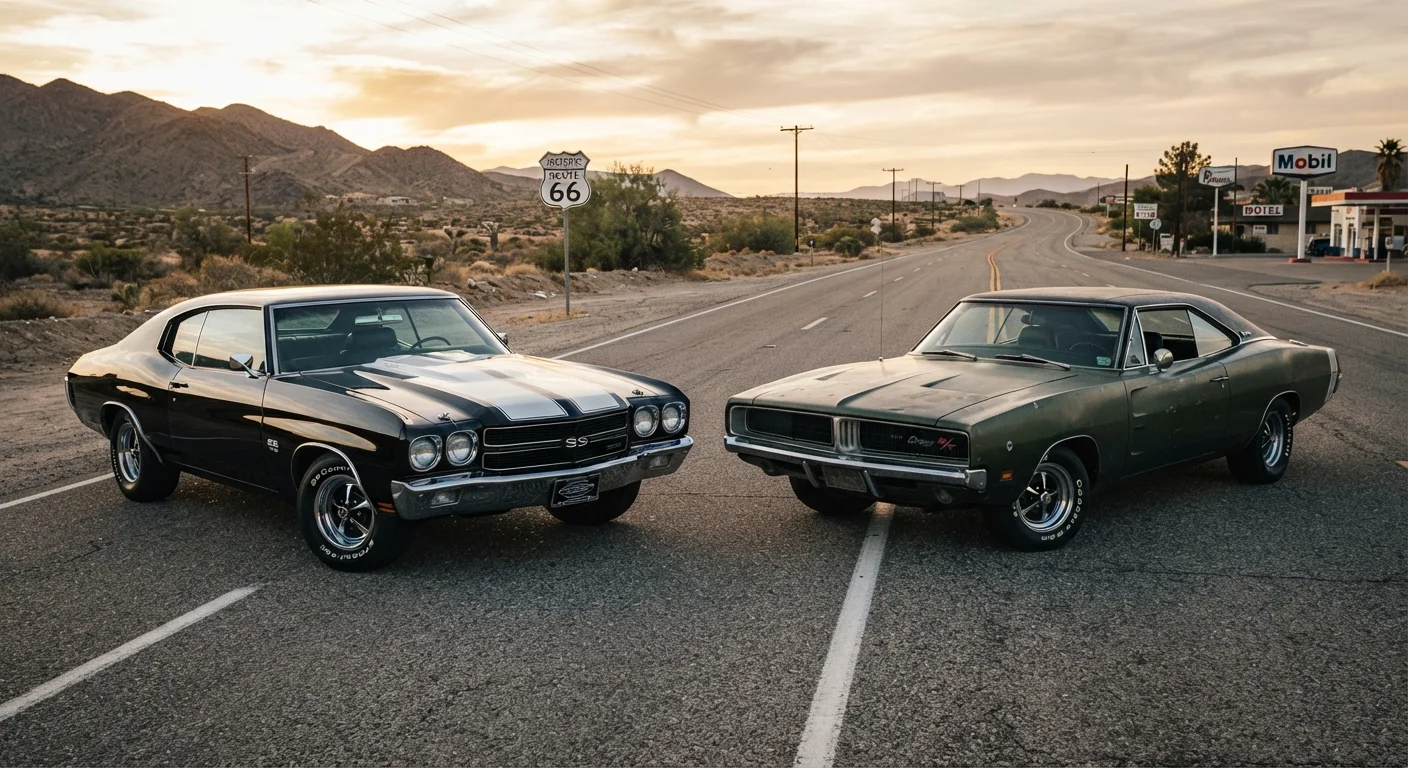
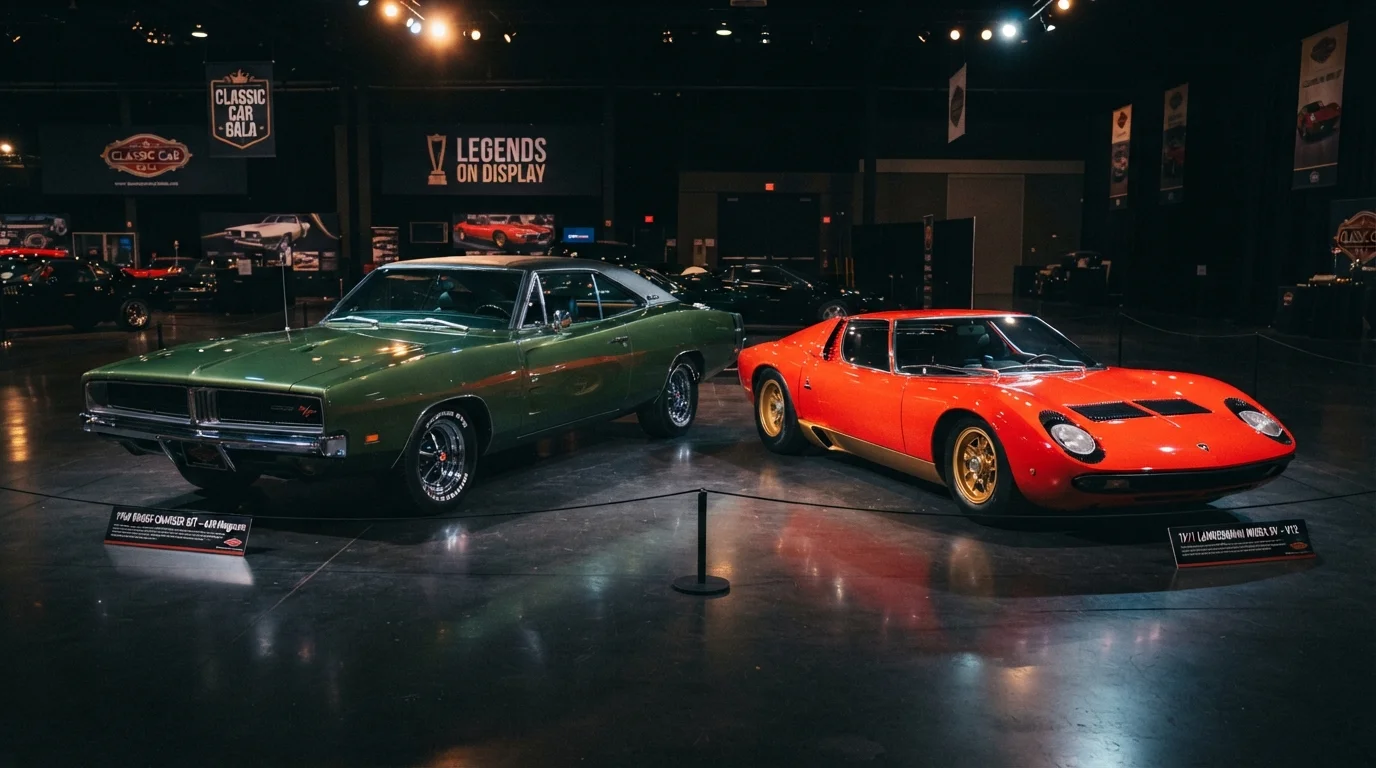
At major concours events and regional swap meets alike, the divide between American iron devotees and European exotic collectors is immediately visible - in the cars themselves, in the conversation around them, and in what each community considers the ultimate measure of a vehicle's worth. These are not merely different tastes; they represent fundamentally different frameworks for understanding automotive heritage.
The American collector tradition grew from a culture of manufacturing abundance, racing on public roads, and youth identity tied to horsepower. The European tradition draws from factory racing programs, coachbuilding artistry, and a marque hierarchy shaped by Continental motorsport. Understanding both requires appreciating what each community is actually preserving - and why. See the cultural eras that shaped American collecting for essential context on how domestic preferences evolved.
The American Iron Tradition: Muscle, Community, and Accessibility
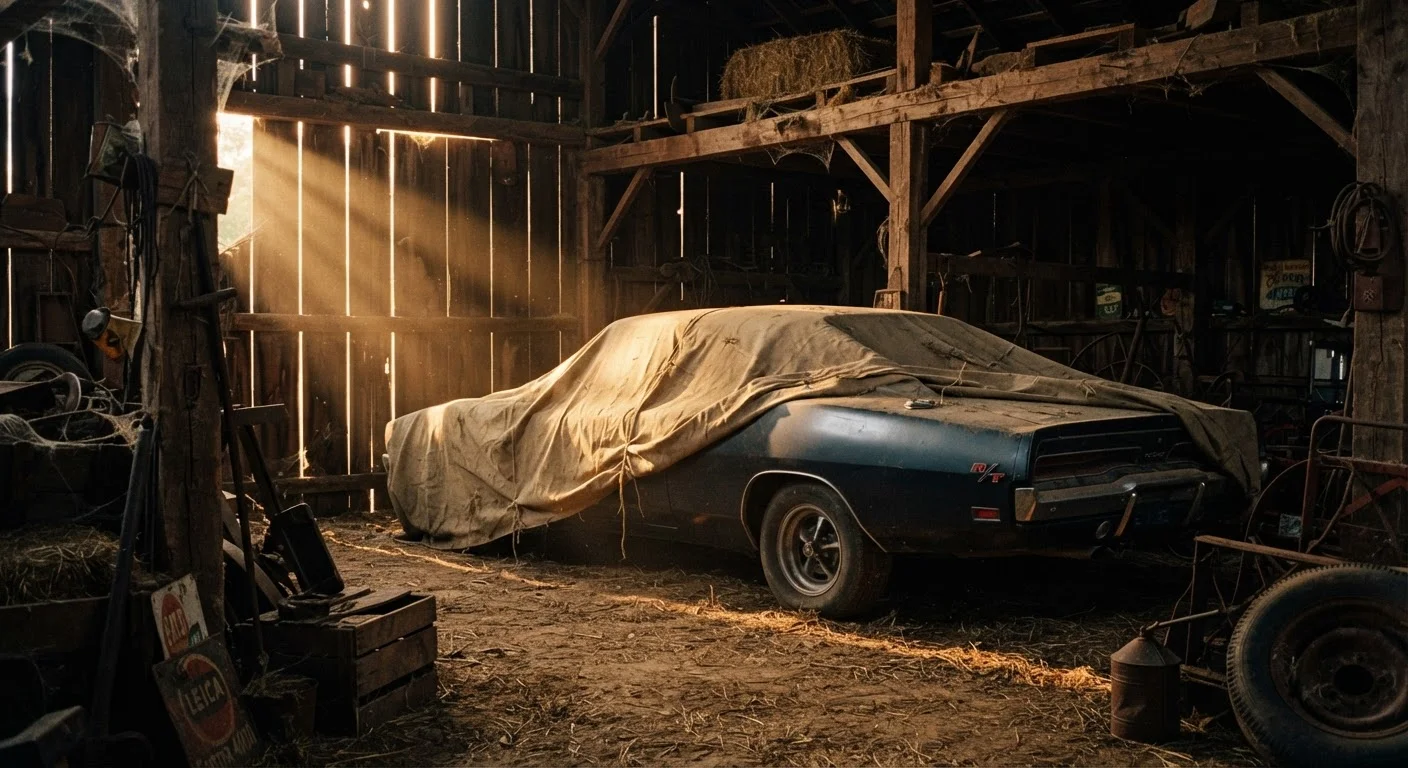
American muscle collecting is anchored in a specific postwar moment: the factory horsepower wars of the late 1960s, when Detroit's Big Three competed furiously on displacement, quarter-mile times, and option-sheet drama. Collectors in this space prize numbers-matching vehicles - meaning the engine, transmission, and major drivetrain components carry the correct casting codes for the car's build date - above almost any other attribute.
The community culture is distinctly democratic. Regional car shows, cruise nights, and marque-specific clubs welcome participants at nearly every financial level. Reproduction parts availability for high-volume models like first-generation Camaros, early Mustangs, and classic Mopar muscle cars is extensive, which lowers the restoration barrier considerably. The decade-by-decade arc of the muscle car era reveals how deeply these vehicles are woven into American social history, not merely automotive history.
Build Your Documentation File Early
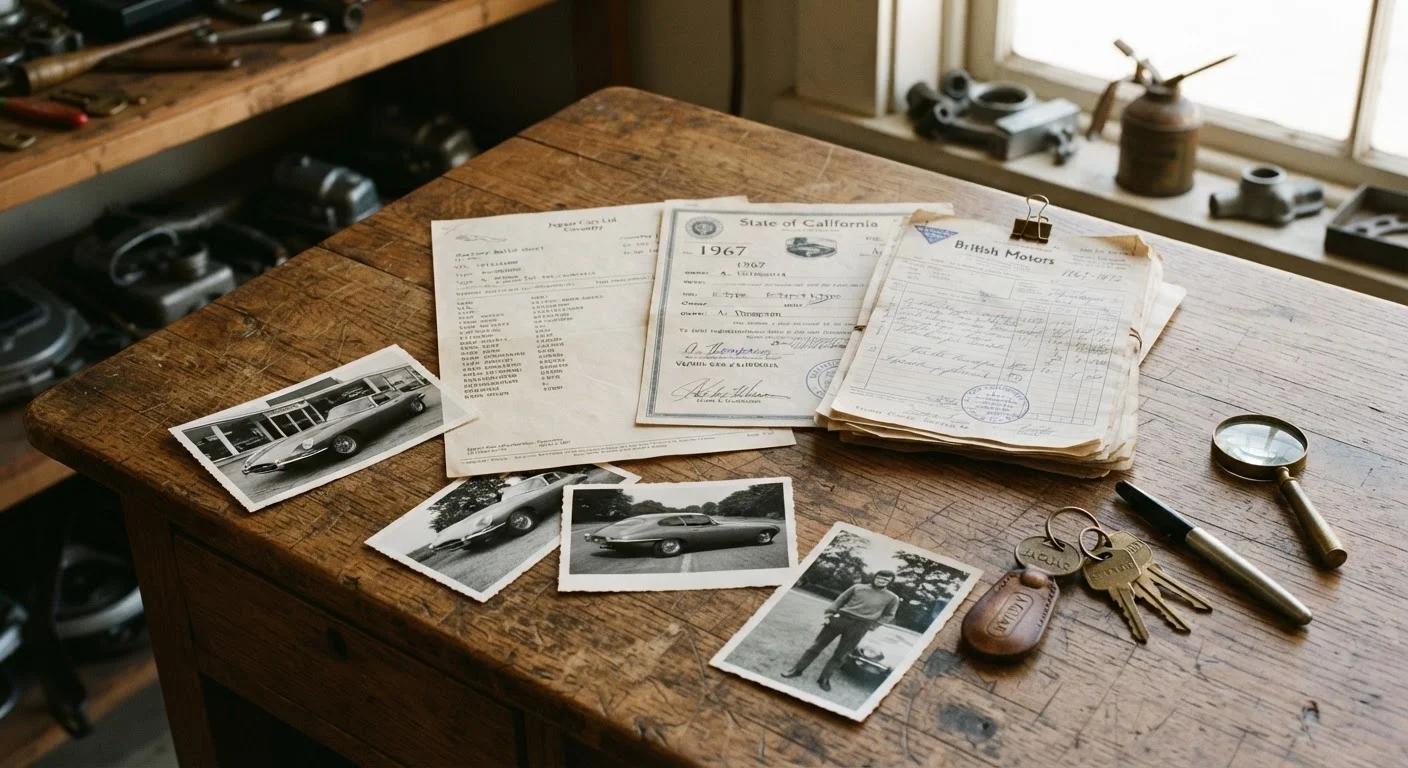
Whether you collect American muscle or European exotics, assembling a complete documentation file before purchase is essential. For domestic cars, seek out the original window sticker, build sheet, and any dealer records. For European marques, contact the relevant factory archive or marque registry to request a heritage certificate before committing to a transaction. Gaps in paperwork are far harder to fill after ownership transfers.
Judging at American muscle shows typically rewards documentation - window stickers, protect-o-plates, broadcast sheets, and build records that verify factory configuration. Assembling this paper trail before acquisition is as important as the vehicle's physical condition.
The European Exotic World: Provenance, Pedigree, and Precision
European exotic collecting operates by a different set of priorities. Marque registries, factory certificats, and coachbuilder records carry enormous weight. For certain Italian and British marques, the difference between a fully documented example and an identical-appearing car with incomplete history can represent a dramatic valuation gap at auction.
Racing provenance functions as a multiplier. A road car with documented competition history - verified through period photographs, entry lists, and marque club research - commands significant premiums over standard production examples. The research process itself is part of the hobby for many European exotic collectors, often involving correspondence with overseas archives and specialist registries. Marque clubs and collector registries play a particularly vital role in this world, maintaining chassis records that can authenticate or disqualify a car's claimed history.
| American Iron | European Exotics | |
|---|---|---|
| Primary value driver | Numbers-matching originality, factory codes | Provenance documentation, racing history |
| Parts availability | Extensive reproduction market for popular models | Limited; often NOS or specialist-sourced |
| Community entry barrier | Relatively accessible across budget levels | Higher; marque expertise and documentation required |
| Show judging standard | Factory configuration, broadcast sheet accuracy | Factory records, marque club certification |
| Racing provenance impact | Moderate; adds interest but not always premium | Significant multiplier on documented examples |
| Restoration philosophy | Concours vs. driver debate within community | Factory-correct with registry-body oversight |
Where the Two Worlds Meet - and Diverge
Both collector cultures share a foundational commitment to authenticity and documented history. Neither community ultimately respects a re-stamped number or a retrofitted engine, regardless of how convincing the presentation. That shared ethic creates mutual recognition even across the cultural divide.
The divergence appears most sharply in restoration philosophy. American muscle collectors frequently debate the merits of concours-correct restorations versus sympathetic drivers; the argument is conducted largely within the community's own judging standards. European exotic enthusiasts often defer more heavily to factory records and marque-club certification bodies, which carry quasi-official authority in valuation disputes.
Parts sourcing presents another contrast. High-volume American models benefit from a robust reproduction industry; low-volume European exotics may require sourcing NOS (new old stock) components from specialist dealers across multiple countries. Budget planning for either path requires clear-eyed research - a point covered thoroughly in the full spectrum of classic car ownership.
For enthusiasts drawn to track-bred machines specifically, the comparison of collector niches extends further. Cup cars versus GT-class racers explores how purpose-built competition vehicles from both traditions attract their own distinct collector profiles. And regardless of which tradition a collector gravitates toward, the regional club scene remains the connective tissue that keeps both communities vibrant across generations.
This article provides general educational information about collector car culture and market dynamics. It does not constitute financial, investment, or purchasing advice. Consult qualified appraisers and specialists before making significant acquisition or restoration decisions.