Three Paths Into the Hobby - and Why the Choice Matters
Seasoned collectors seldom stumble into great cars by accident. The vehicles they prize most are typically located through deliberate strategy: cultivated relationships, auction calendars marked months in advance, or methodical rural outreach. How a car is sourced shapes everything that follows - the price paid, the paperwork trail, the restoration scope, and even the story attached to the vehicle for the rest of its life.
This article examines the three primary acquisition channels - barn finds, auctions, and private sales - against criteria that matter most to serious collectors. For context on why certain vehicles qualify as collectible in the first place, see what actually makes a car 'classic'.
| Barn Finds | Auction Houses | Private Sales | |
|---|---|---|---|
| Price Transparency | Low - highly negotiated | High - public hammer results | Moderate - direct negotiation |
| Inspection Access | Variable; often limited physically | Time-limited pre-sale window | Typically buyer-controlled |
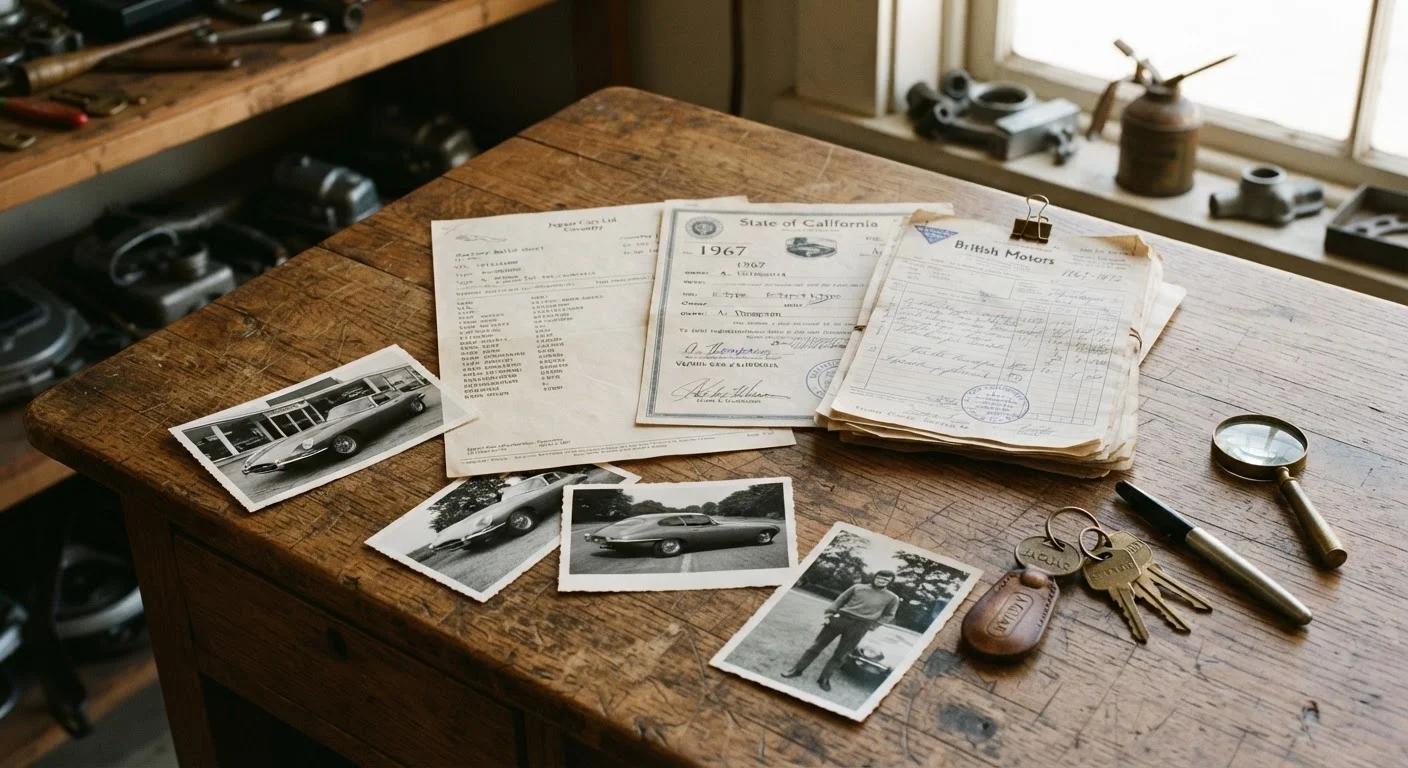
| Title & Provenance Risk | High - lapsed records common | Low to moderate - houses vet titles | Moderate - verify independently |
| Network Required | Rural contacts, local leads | Low - open registration | High - marque community ties |
| Buyer's Premium / Fees | None (direct purchase) | 5%-12% above hammer price | None (direct purchase) |
| Availability of Rare Examples | Occasional, unpredictable | Curated, seasonal calendar | High - best cars often unlisted |
| Due Diligence Complexity | Very high | Moderate | Moderate to high |
Auction Houses: Transparent Markets With Real Costs
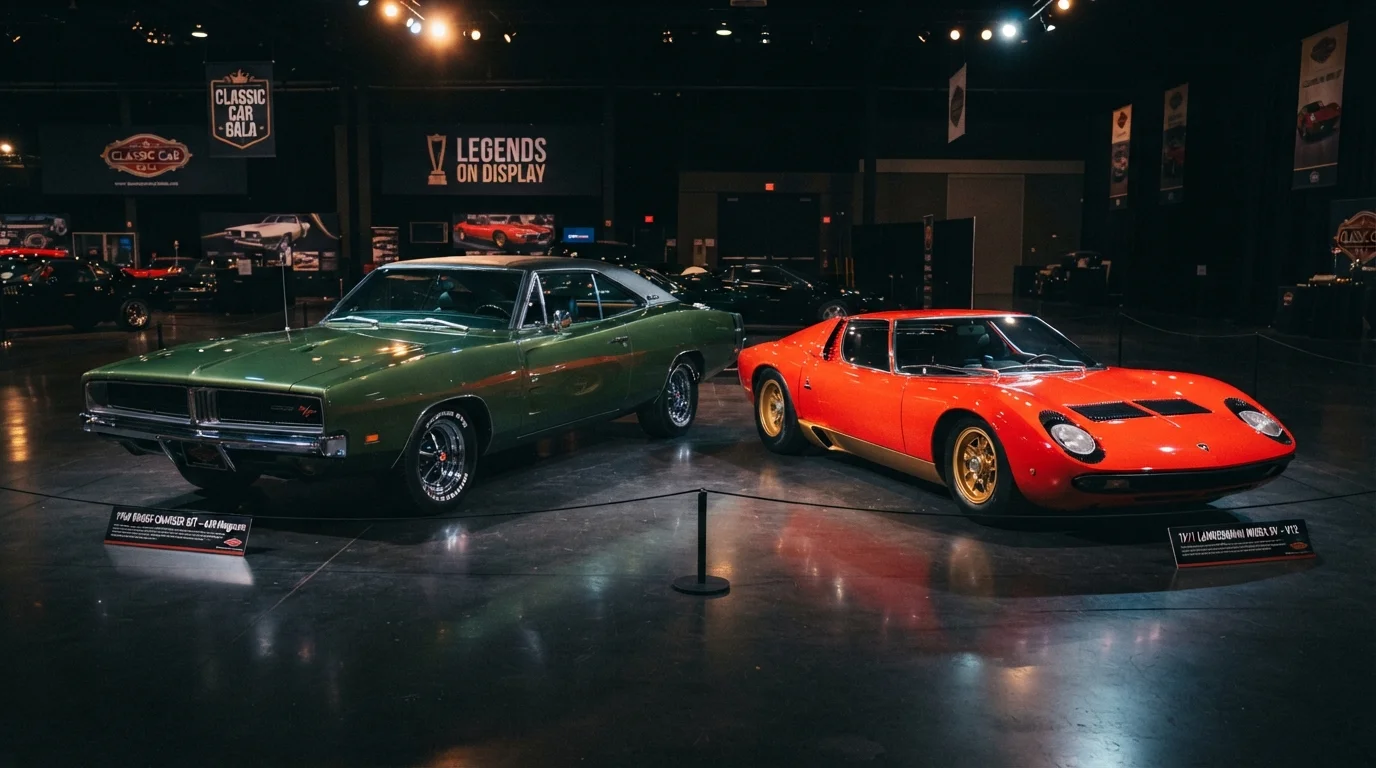
Major collector-car auctions - held in Scottsdale, Monterey, Indianapolis, and other venues - provide something genuinely rare in the classic car world: a public, competitive price signal. When a comparable model sells in front of hundreds of registered bidders, the result becomes a credible market reference. Auction archives from established houses are among the most cited pricing tools in the hobby.
The tradeoffs are real, however. Buyer's premiums - typically ranging from 5% to 12% of the hammer price, depending on the house and sale tier - add meaningful cost above the winning bid. Pre-sale inspections are time-limited and occur under auction-house rules, not the buyer's preferred conditions. And auction pressure, whether real or perceived, can compress careful decision-making.
Set Your Ceiling Before the Gavel Falls
Auction environments - live or online - create social and time pressure that can erode pre-set budgets. Experienced collectors recommend establishing a firm maximum bid that accounts for the buyer's premium and estimated post-purchase costs before the lot opens. Revisiting that ceiling mid-bid is where costly decisions happen. Discipline before the sale is the most reliable form of price protection.
Online auction platforms have expanded access significantly, but the same discipline applies: study the catalog description, review any available inspection reports, and set a firm ceiling before bidding opens.
Private Sales: The Network Premium
The most desirable classics - low-mileage survivors, documented one-family cars, unrestored originals - frequently change hands without ever appearing in a public listing. They move through marque clubs, regional car shows, enthusiast forums, and word-of-mouth referrals. This is not myth; it reflects a straightforward reality: owners who care deeply about their cars often care who acquires them next.
Private sales generally allow more thorough pre-purchase inspection on the buyer's terms. A qualified independent mechanic can spend meaningful time under the car, and title research can proceed without auction-day time pressure. Negotiation is direct and unhurried. The price may reflect seller sentiment as much as market value - sometimes favorably, sometimes not.
The barrier is access. Without established community ties, a collector may never hear about the best private opportunities. Joining marque-specific registries, attending regional shows consistently, and contributing genuinely to enthusiast communities over time is how that access is built. Classic car ownership involves far more than acquisition, and community immersion pays dividends throughout.
Barn Finds: Romantic Premise, Rigorous Reality
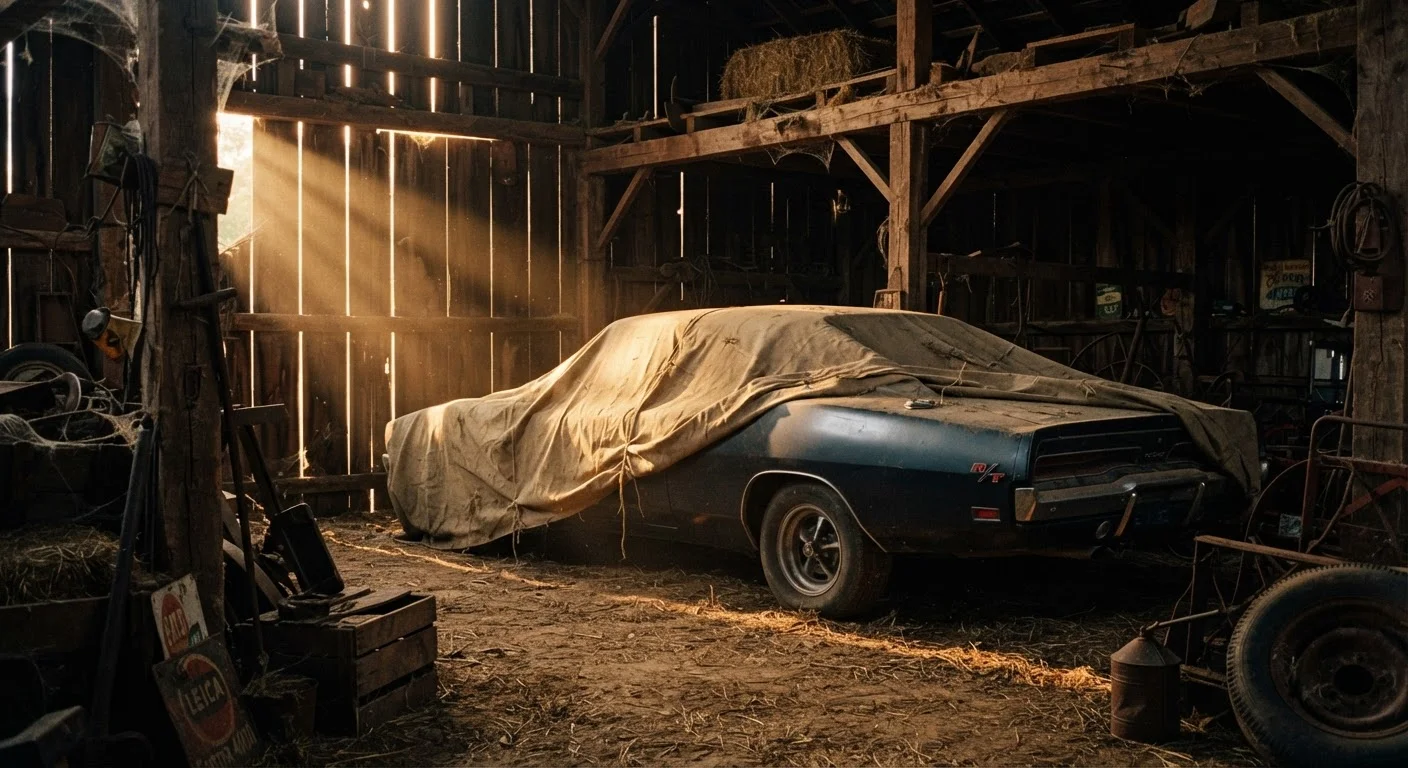
Few concepts in collector culture carry more romance than the barn find - the dormant machine rediscovered after decades of storage, waiting for the right steward. Genuine examples do exist, and some have represented meaningful value for knowledgeable buyers. But the category is also where optimism most reliably exceeds analysis.
Long-term storage introduces specific failure modes: fuel system deterioration, rodent damage to wiring harnesses, seized brake components, and corrosion in structural areas that cosmetic photos rarely reveal. Title complications - lapsed registrations, estate ambiguities, lien records - can be as consequential as mechanical condition. A rigorous barn find inspection process is not optional; it is the entire basis for determining whether a discovery is a genuine opportunity or an expensive project dressed in nostalgia.
Storage Does Not Preserve - It Transforms
A car sitting in a barn for 20 years has not been frozen in time; it has been slowly altered by moisture, temperature swings, pests, and fuel degradation. Rust inside a sealed fuel tank, compromised brake lines, and deteriorated rubber components may not be visible in seller photographs. Always commission an independent mechanical inspection and a VIN-verified title search before committing funds to any barn find purchase.
Collectors interested in sourcing unusual or purpose-built vehicles through non-traditional channels - including surplus and military classifications - will find that the same due diligence framework applies. See our field guide for military surplus collectibles for a parallel case study in condition grading and ownership rules.