Defining the Two Standards
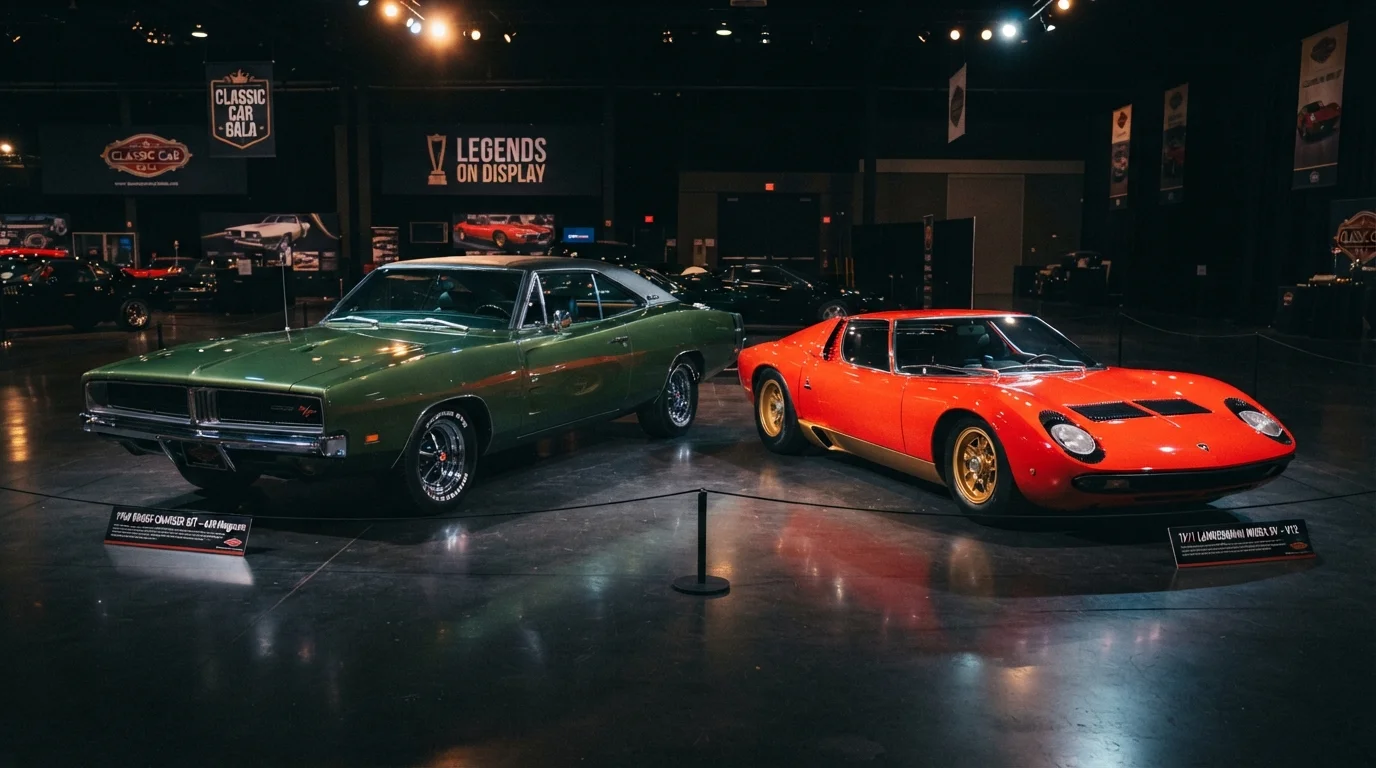
In American collector car culture, the term concours restoration refers to rebuilding a vehicle to the precise factory specifications it carried on its original assembly date - correct paint codes, period-accurate stampings, date-coded components, and finish textures that match documented factory records. The standard is set by organizations such as the Antique Automobile Club of America (AACA) and event-specific judging bodies whose scorecards reward accuracy down to the stencil on an air-cleaner lid. For a deeper look at what judges actually evaluate, see what makes a restoration 'correct'.
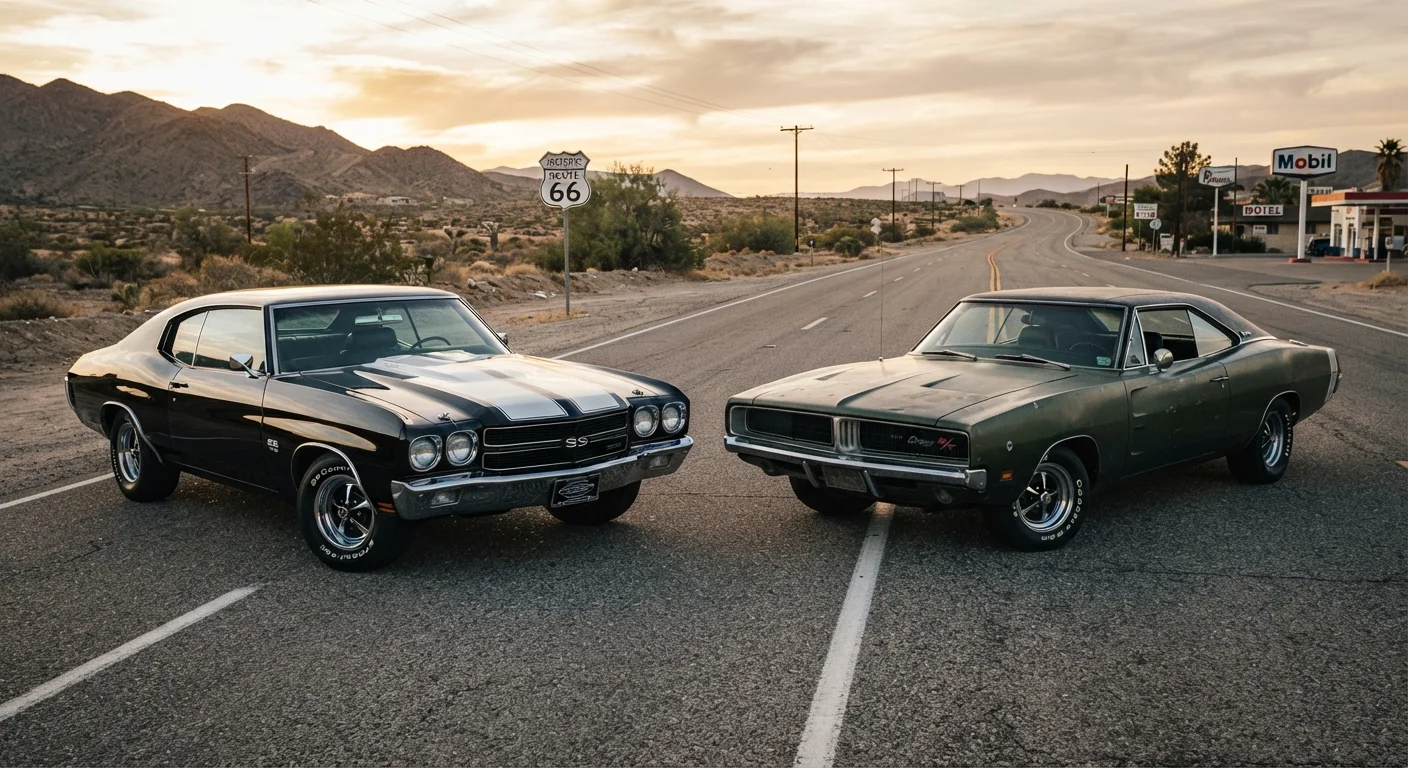
A driver-quality build, by contrast, aims for a mechanically sound, visually presentable vehicle that can be used and enjoyed without treating every commute as a threat to a museum piece. Paint may be correct in color but not in process; rebuilt parts replace date-coded originals; modern materials appear where they improve durability. The goal is honest, road-worthy condition - not points on a judging sheet.
| Criterion | Concours Restoration | Driver-Quality Build |
|---|---|---|
| Primary goal | Factory-correct perfection | Reliable, enjoyable usability |
| Typical cost range | Significantly higher | Moderate to substantial |
| Parts sourcing | Date-coded or NOS originals | Quality reproductions accepted |
| Labor specialization | Marque-specific experts required | Competent generalist shops viable |
| Show-circuit eligibility | Fully competitive | Limited or ineligible |
| Everyday driveability | Restricted - preservation priority | High - built to be driven |
| Auction ceiling (rare cars) | Highest achievable | Moderate premium |
| Return on common models | Often doesn't recoup cost | More likely to align with market |
Cost, Time, and Resource Realities
The cost differential between these two philosophies can be substantial. Concours work requires sourcing date-coded or NOS components, engaging specialists with marque-specific credentials, and accepting the labor overhead of stripping and rebuilding assemblies multiple times to achieve correct tolerances and finishes. Hidden costs accumulate quickly - bodywork overruns, rare-part sourcing delays, and specialist refinishing frequently push concours budgets well beyond initial estimates.
Driver-quality builds allow for more pragmatic sourcing: quality reproduction parts, reliable rebuilt components, and competent general-shop labor rather than marque specialists. This flexibility compresses timelines and keeps costs manageable. The tradeoff is a ceiling on show-circuit competitiveness and, on certain high-profile marques, a measurable reduction in auction ceiling.
2-4×
Concours cost multiplier over driver-quality
Marque specialists and period-correct sourcing routinely double to quadruple budgets compared to driver-quality builds on the same platform, based on widely reported restoration shop estimates.
30-50%
Auction premium for documented concours on rare variants
Major collector car auction results - including published Mecum and Barrett-Jackson data - consistently show this premium range for top-condition judged vehicles versus comparable driver-quality examples.
How Each Approach Affects Long-Term Value
The relationship between restoration standard and market value is more nuanced than a simple hierarchy. On rare, numbers-matching vehicles - think low-production muscle car variants, factory race-option cars, or marques with active judging communities - a documented concours restoration can command meaningful premiums at auction over driver-quality counterparts. The full picture of that dynamic is explored in factory originality vs. restored to spec.
On high-volume production vehicles, however, the math shifts. Investing concours-level resources into a common model rarely returns proportional value at resale because the market for that vehicle is populated by comparable examples at lower price points. A driver-quality build on the same car may represent stronger real-world economics. The broader restoration decision framework - from candidate selection through value considerations - is covered in the end-to-end restoration and value guide.
Neither approach guarantees appreciation. Vehicle markets are subject to generational demand shifts and broader economic factors beyond any owner's control. Decisions about restoration investment should be treated as general financial planning considerations; consult a qualified financial adviser before treating any collector vehicle as an investment asset.
Choosing the Right Path for Your Vehicle and Goals
The single most important question to answer before committing to either path is: How do I intend to use this vehicle? If the answer involves regular touring, club drives, or simply the pleasure of operating a classic on public roads, a driver-quality build aligns directly with that use. If the answer is show-circuit competition, estate-level presentation, or maximizing the ceiling on an already-significant car, concours work earns its premium.
A related consideration is which approach sits between these poles. For a detailed examination of how a full rotisserie teardown compares to a clean driver-quality restoration in practice, see rotisserie restoration vs. driver-quality resto. The Restoration & Value hub also provides broader context for evaluating these decisions across marques and eras.
Community input matters too. Marque clubs, regional judging events, and fellow enthusiasts who have navigated both paths offer grounded, experience-based perspective that no budget spreadsheet fully captures. In American collector car culture, that shared knowledge is part of what makes the pursuit worthwhile - regardless of which standard you choose.
Condition Grades Are Not Universal
Terms like 'driver quality' and 'concours' mean different things across different judging organizations, auction houses, and regional clubs. Before committing to a restoration standard, research the specific grading criteria used by the community or events most relevant to your vehicle. What earns top marks at one show may be scored differently at another.