Why Weather-Driven Routing Matters
Living full-time in an RV means your home travels with you - but the weather doesn't care about your schedule. Unlike a stick-and-brick house that insulates you from seasonal extremes, your RV has real thermal limits. Most RVs are not rated for sustained temperatures below freezing or above 100°F, and operating outside those ranges stresses plumbing, batteries, slide seals, and your own comfort in ways that add up quickly.
Experienced full-timers treat weather routing as the backbone of their annual plan, not an afterthought. The goal isn't to chase perfect conditions obsessively - it's to stay within a livable band of temperatures while still seeing the places you want to see. For a deeper look at the daily realities behind this lifestyle, see Full-Time RV Living: What Life on the Road Actually Looks Like.
Follow the 70°F Line
A common heuristic among veteran full-timers is to 'follow the 70°F isotherm' - the geographic band where average daytime highs hover near 70°F. This band migrates north in summer and south in winter, tracing a natural path that aligns with the classic snowbird circuit. It's a useful mental model, even if your actual route deviates from it.
What You'll Need Before You Start
Effective route planning requires more than a map. Before you begin plotting your seasonal circuit, gather the right inputs.
What you will need
Historical Climate Maps (NOAA or equivalent)
Provides average temperature and precipitation data by region and month to inform safe travel windows.
Campground Reservation Platform
Used to book sites weeks in advance in high-demand areas such as national parks and snowbird destinations.
RV Owner's Manual
Contains the manufacturer's rated operating temperature range for your specific rig.
Elevation and Pass Condition App
Tracks road closures, chain requirements, and high-wind advisories on mountain routes.
Digital Route Planning Tool (e.g. a mapping app with RV-specific routing)
Calculates routes accounting for rig height, weight restrictions, and propane tunnel restrictions.
Planning Your Seasonal Route: Step by Step
Follow these steps each time you plan a new seasonal leg - whether you're mapping an entire year in advance or just plotting the next quarter.
Map Your Temperature Comfort Zone
Start by identifying the temperature band your RV and household can comfortably handle. For most rigs, that means staying above 20°F at night (to protect plumbing) and below 95°F during the day (to avoid overworking your air conditioning and propane systems). Note your own preferences - some full-timers tolerate heat well; others don't.
Cross-reference that band with NOAA historical climate normals for US regions. This reveals which areas are livable in which months without requiring you to run systems at full capacity around the clock.
Identify Your Anchor Points for Each Season
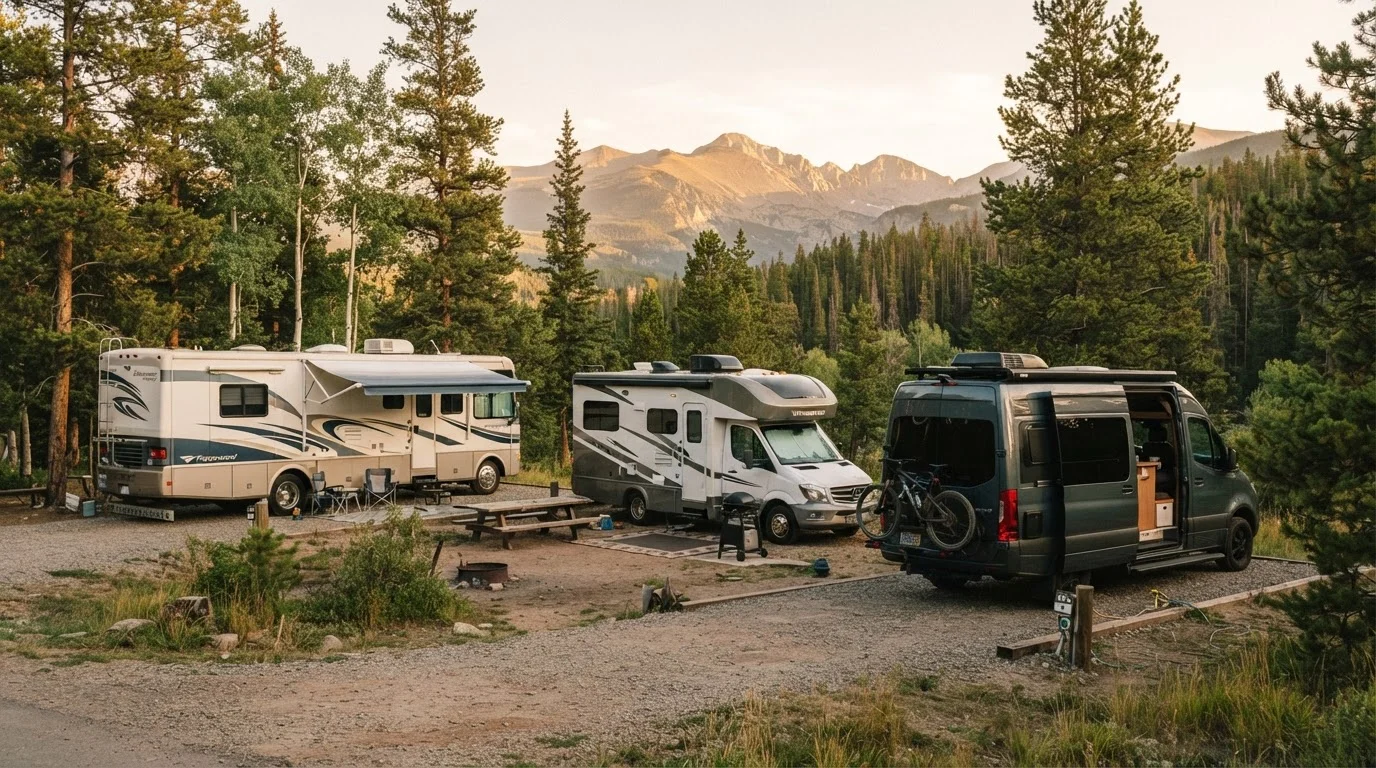
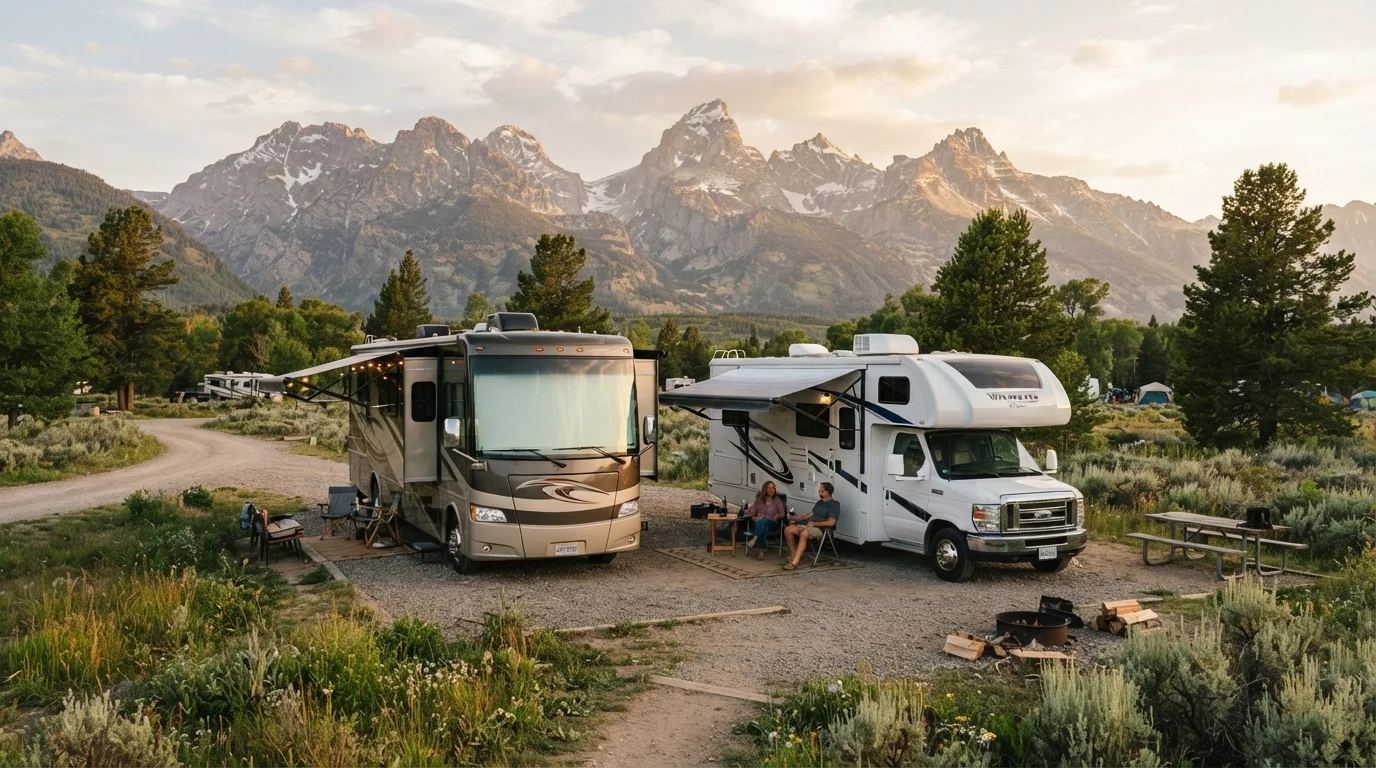
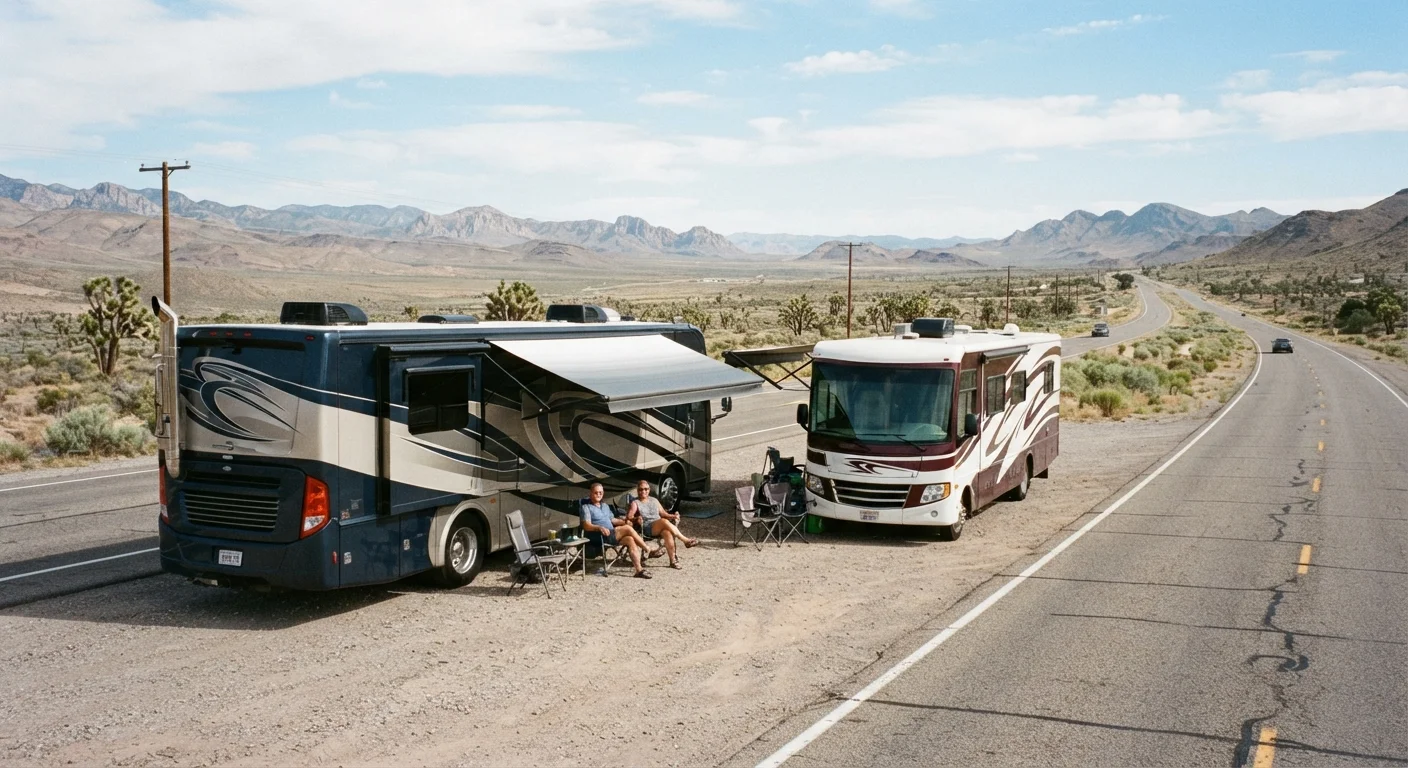
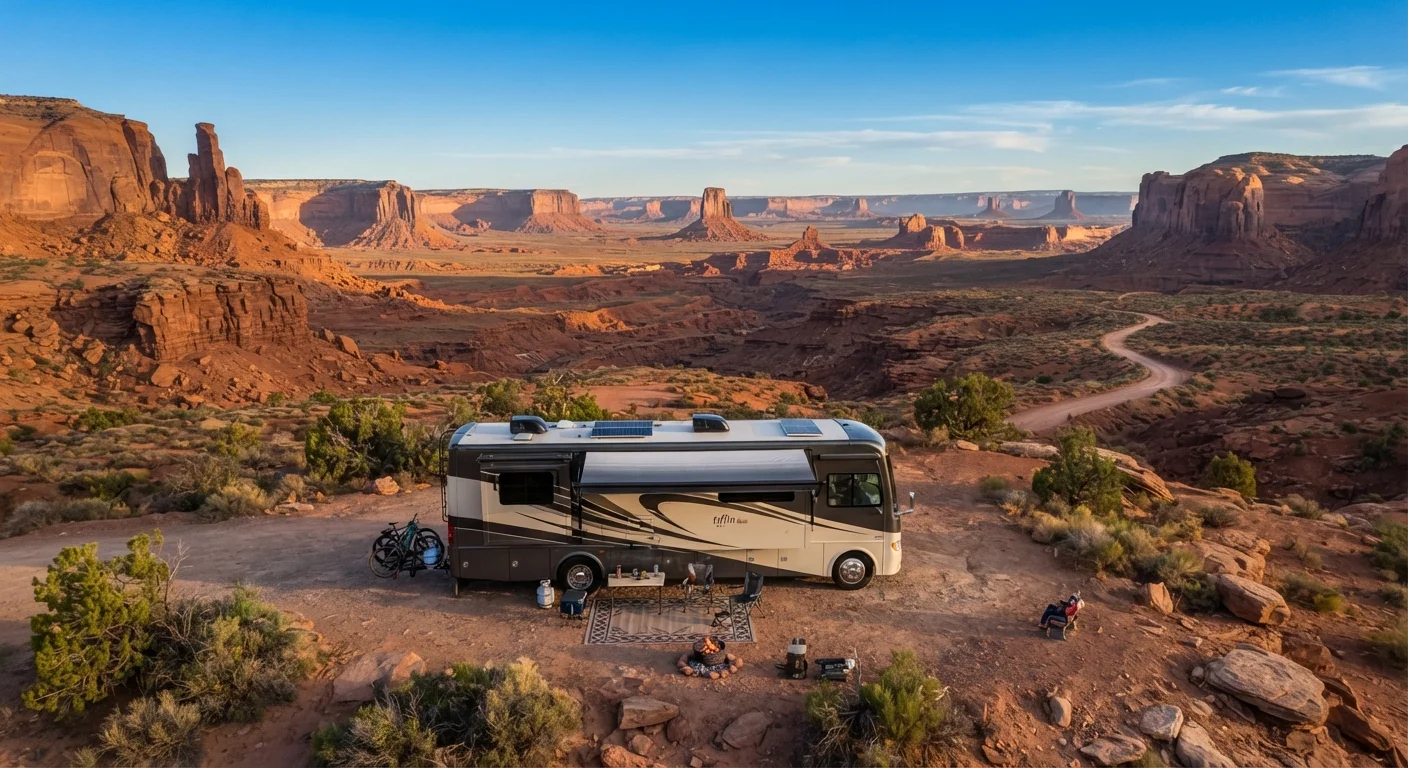
Rather than planning every campsite in advance, identify two to four anchor regions per season - broad geographic areas you plan to be in during a given period. Common frameworks used by full-timers include: the Desert Southwest (Arizona, New Mexico) for winter; the Mountain West or Pacific Northwest for summer; and the Southeast or Texas Gulf Coast for fall transitions.
Your RV type influences which anchors make sense. A large Class A motorhome has different access constraints than a Class B van camper - see RV Types & Classes for a breakdown of how rig size affects travel options.
Book Reservations 4-6 Weeks Ahead
Once your anchor regions are set, begin securing specific campsite reservations. Popular destinations - national park campgrounds, snowbird RV parks in Arizona and Florida, coastal sites in summer - fill quickly. A 4-6 week lead time is a practical minimum for most high-demand locations; some national park sites require reservations six months in advance.
Don't book every night rigidly. Leave 20-30% of your nights unbooked to accommodate spontaneous stays, weather-driven rerouting, or mechanical delays that shift your timeline.
Plan Your Transition Drives Around Shoulder Seasons
The legs between anchor regions - driving from Arizona to Colorado in spring, or from the Pacific Northwest to the Southeast in fall - are best timed to shoulder seasons when mountain passes are open but summer crowds haven't arrived. These transitional moves often cover 500-1,500 miles and may span multiple driving days.
Break long transitions into segments of no more than 250-300 miles per driving day, which keeps fatigue manageable and allows time to address any mechanical issues that surface. Gear requirements also shift meaningfully across seasons; Road Trip Gear Across Seasons outlines what to add or swap for each climate transition.
Review and Adjust Your Circuit Annually
A seasonal circuit is not a one-time plan - it's a living document. After each year, review what worked and what didn't: Which regions were too crowded? Where did maintenance issues arise that a better-timed stop could have prevented? Did any climate patterns deviate enough to warrant route changes next year?
Build a simple annual debrief into your planning routine, ideally in late fall before you commit to bookings for the following year. Connect this review to your broader RV maintenance schedule so that mechanical readiness and route planning stay in sync.
Don't Underestimate High-Elevation Cold
Mountain campsites above 6,000 feet can drop below freezing even in midsummer - catching many full-timers off guard. Always check nightly low temperatures for your specific elevation, not just regional averages. An unexpected freeze can damage unprotected water lines overnight.
Adapting Your Plan as Conditions Change
Even the best seasonal plan will meet unexpected weather. A hurricane tracking toward the Gulf Coast, an unusually early snowpack in the Rockies, or a wildfire smoke advisory can each force a pivot. Experienced full-timers build in flexibility by identifying a primary route and at least one alternate for each seasonal leg.
Keep a running list of "shoulder regions" - areas like the Texas Hill Country, the Carolinas, or the high desert of New Mexico - that stay mild when other regions swing to extremes. These function as weather buffers: you can linger there longer if your original destination becomes untenable.
Maintenance needs also intersect with your seasonal timing. Transitioning from a hot Southwest summer to a cool Pacific Northwest fall is an ideal moment for a mid-season systems check. The Full-Year RV Maintenance Calendar offers a month-by-month framework you can synchronise directly with your route transitions. And before any cold-weather stretch, review Winterising Your RV: A Season-End Walkthrough to protect your plumbing and batteries.
Know Your RV's Rated Operating Limits
Consistently operating your RV outside its manufacturer-rated temperature range can void warranties and cause serious systems damage - including burst pipes, failed seals, and battery degradation. Before committing to any climate zone, confirm your rig's specifications in the owner's manual. If you're unsure, consult a qualified RV technician before heading into extreme conditions.