Is Full-Time RV Living Right for You?
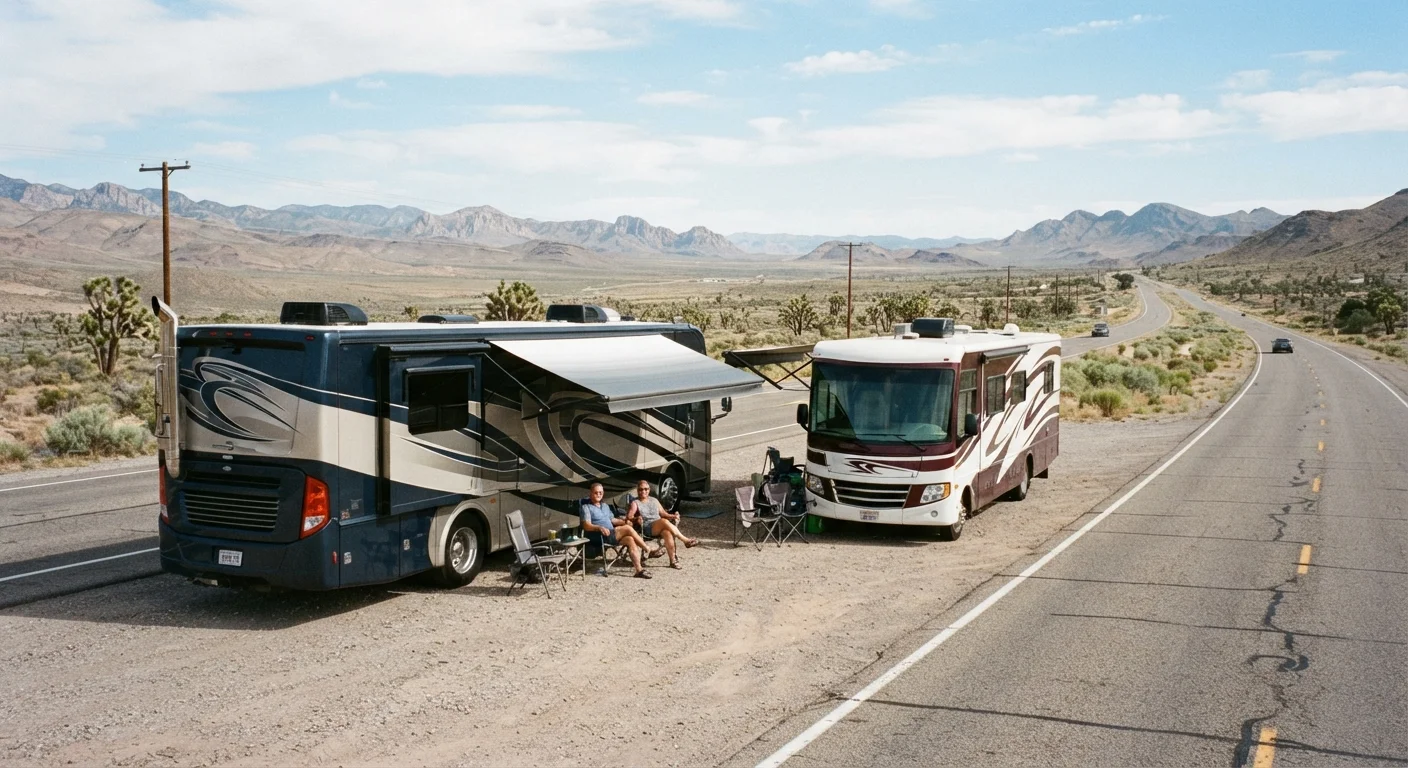
The appeal of full-time RV life is genuine: freedom of movement, lower overhead than a traditional home, and the ability to follow good weather. But the fantasy and the reality diverge sharply without honest self-assessment upfront.
Start with your lifestyle tolerance. Full-time living means confined quarters, frequent setup and teardown, and limited storage. Couples and families should have frank conversations about personal space before committing. If you work remotely, connectivity needs become a core planning factor - not an afterthought.
A trial run of two to four consecutive weeks in a rented or borrowed RV is one of the most reliable ways to stress-test your assumptions. The friction points that emerge - cramped cooking, noisy campgrounds, limited privacy - are far easier to evaluate from experience than from a spec sheet.
Try Before You Commit
Renting an RV for an extended trial trip - ideally two weeks or more - is one of the most effective ways to pressure-test your assumptions before purchasing. Pay attention to cooking comfort, sleeping quality, and how you handle driving in unfamiliar areas. The discomforts you discover are invaluable data.
Choosing the Right RV for Full-Time Use
Not every RV is built for full-time habitation. Weekend rigs are designed for short trips, not sustained daily living. When evaluating options, focus on build quality, insulation, storage capacity, and how the floorplan functions as a genuine living space - not just a sleeping space.
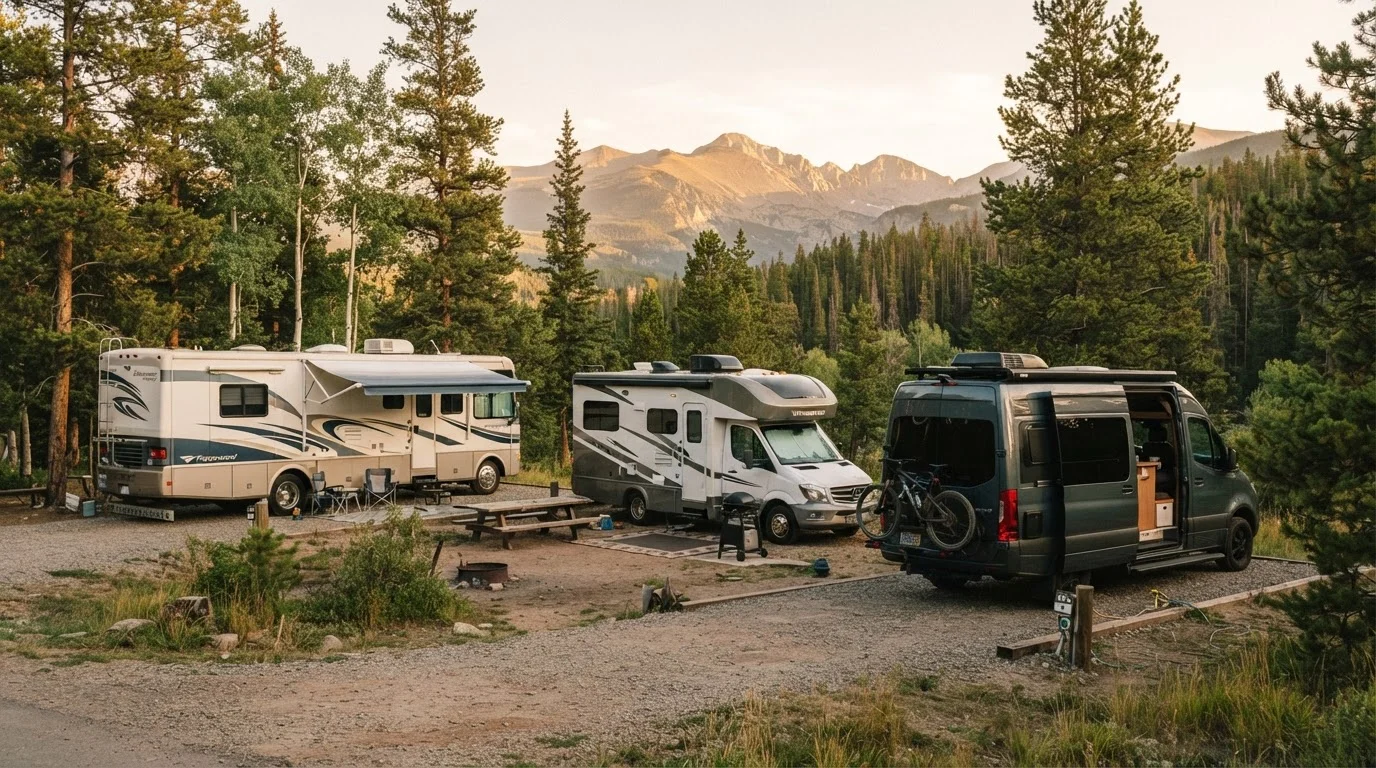
Understanding RV classes is foundational here. Our RV Types & Classes hub covers the key distinctions between Class A motorhomes, Class B campervans, Class C units, and towable options such as fifth-wheels and travel trailers. Each has meaningful trade-offs in drivability, cost, and livability.
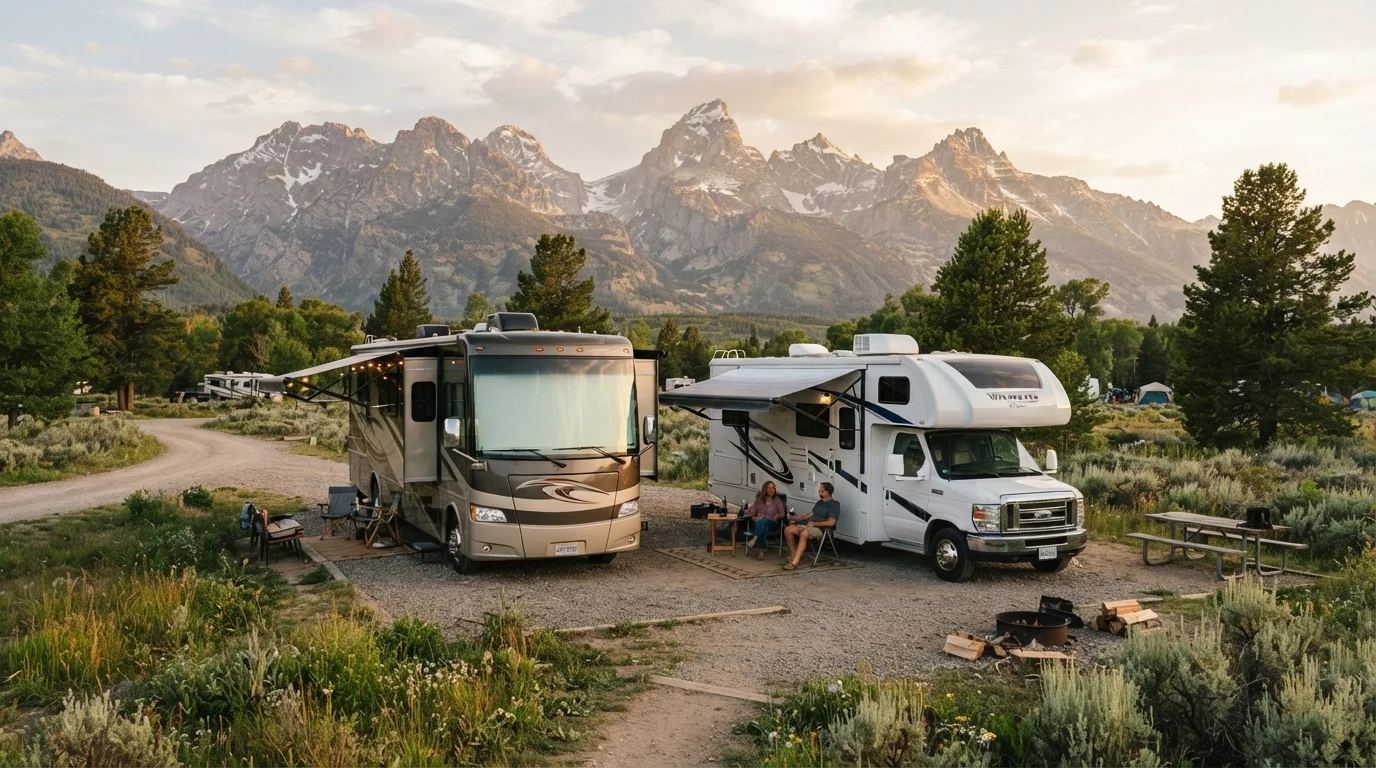
For full-timers, fifth-wheel trailers and Class A motorhomes tend to offer the most livable square footage and storage. Class B vans appeal to solo travelers or couples who prioritize mobility over space. Whatever you choose, prioritize a rig with residential-quality components: a real mattress, adequate water tank capacity, and effective climate control for year-round use.
Domicile state
The U.S. state where you establish legal residency, determining your driver's license, vehicle registration, and tax obligations - critical for full-timers without a fixed home address.
Full hookups
A campsite connection providing all three utilities: shore power (electricity), potable water, and sewer - allowing you to run appliances and drain tanks without moving.
Dry camping (boondocking)
Camping without any utility hookups, relying entirely on your RV's onboard tanks, batteries, and generator or solar power.
Slide-out
A section of the RV wall that extends outward when parked to add interior living space, retracted while driving.
Fifth-wheel trailer
A large towable RV that connects to a specialized hitch mounted in the bed of a pickup truck, offering more living space and stability than a conventional travel trailer.
Shore power
External electrical power supplied by a campground pedestal, allowing you to run appliances without draining batteries or running a generator.
The Logistics You Must Solve Before You Leave
The practical infrastructure of full-time RV life involves decisions most newcomers underestimate. Three areas require resolution before your departure date: legal domicile, mail handling, and healthcare access.
Your domicile state establishes where you hold a driver's license, register your vehicle, and file taxes. It also affects your insurance options. Choosing a domicile state is a consequential legal decision - consulting a tax professional or attorney familiar with mobile lifestyles is advisable. Our companion article on domicile, mail, and healthcare logistics covers how most full-timers approach each of these challenges in detail.
Mail forwarding services specializing in RVers provide a legal address, scan incoming mail, and forward packages on request. For healthcare, investigate whether your chosen plan covers services across multiple states - many HMO-style plans do not.
Don't Skip the Legal Groundwork
Failing to establish a proper domicile before hitting the road can create serious complications with vehicle registration, insurance validity, and tax filing. Some states have residency requirements that affect which plans and licenses are available to you. Address this before your departure date, not after.
Setting Up Life on the Road
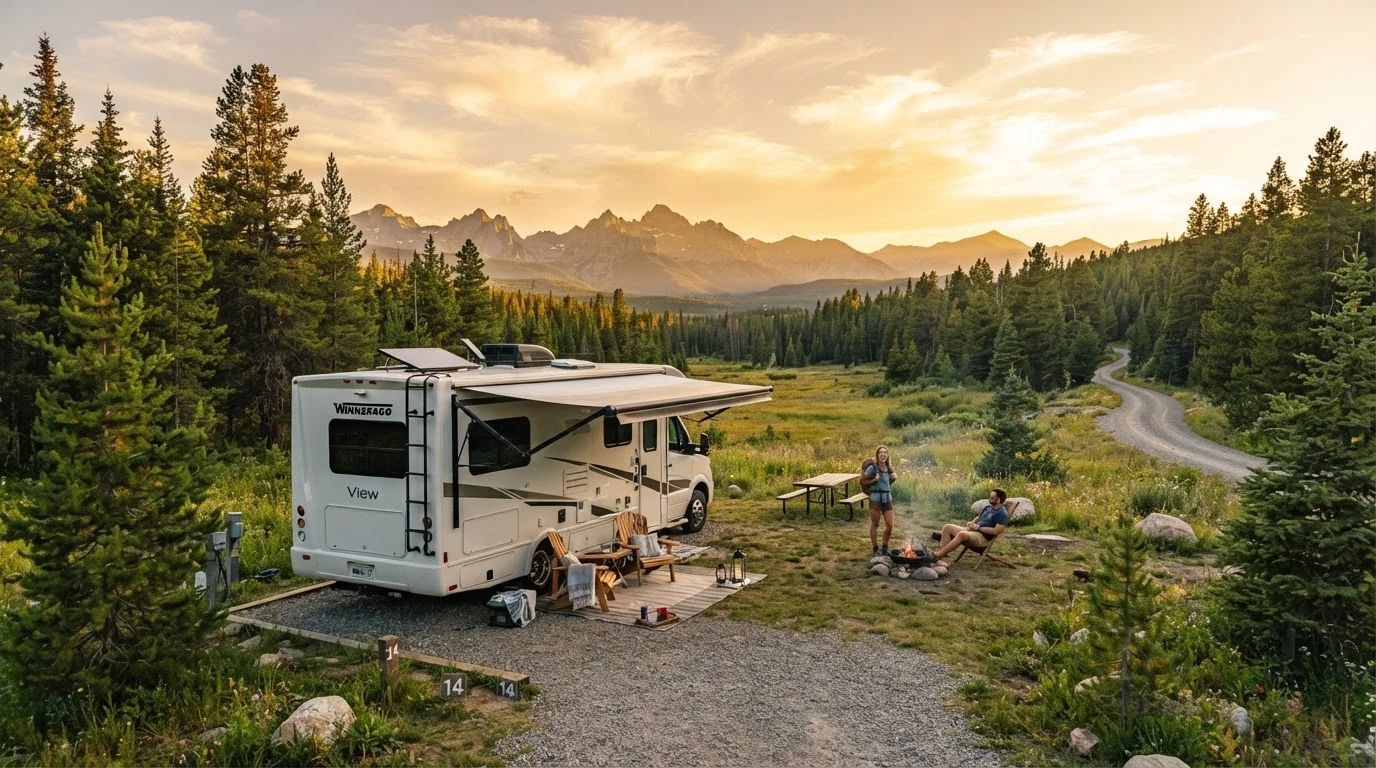
Once you're on the road, two disciplines define day-to-day quality of life: campsite setup and interior organization. Arriving at a new site and efficiently leveling, connecting hookups, and stabilizing your rig is a skill that becomes second nature - but only with deliberate practice. The campsite setup walkthrough provides a practical sequence for new arrivals.
Interior organization is equally critical. Every cubic inch of storage must earn its place. Full-timers who thrive tend to be ruthless editors of their possessions and creative with vertical space. Our interior organization guide documents the approaches experienced full-timers rely on.
Route planning is the other major discipline. Most experienced full-timers follow the seasons rather than fight them - moving north in summer and south in winter. See how full-timers plan seasonal routes for a detailed breakdown of that approach.
Managing Costs and Budgeting Realistically
Full-time RV living can cost less than renting in some markets - or considerably more, depending on your travel pace, campsite choices, and rig maintenance demands. The variables are numerous enough that general claims about savings should be treated with skepticism.
Core ongoing costs include campsite fees (which vary from free dispersed camping to $60-$100 per night at full-hookup private parks), fuel, RV insurance, health insurance, groceries, and vehicle maintenance. Maintenance deserves particular emphasis: full-timers put far more wear on their rigs than weekend campers, and deferred maintenance compounds quickly. The RV Maintenance hub is a useful starting point for understanding upkeep requirements, and what new owners overlook in year one addresses the most common first-year mistakes.
For a realistic cost picture, explore The Truth About Full-Time RV Living Costs. Building a financial buffer of several months' expenses before transitioning is a widely recommended practice - not a guarantee of success, but a meaningful safety margin.
This article provides general educational information about full-time RV living. It is not financial, legal, or tax advice. Consult a qualified professional for guidance specific to your circumstances.
Maintenance Costs Rise with Full-Time Use
Full-time RVers typically accumulate 15,000-25,000 miles per year or more, plus continuous wear on systems like water pumps, slide mechanisms, and roof seals. Budget for maintenance as a fixed monthly expense rather than an occasional surprise. Most experienced full-timers recommend setting aside 1-2% of their rig's value annually for upkeep.