The Core Distinction: A Van That's Also a Home
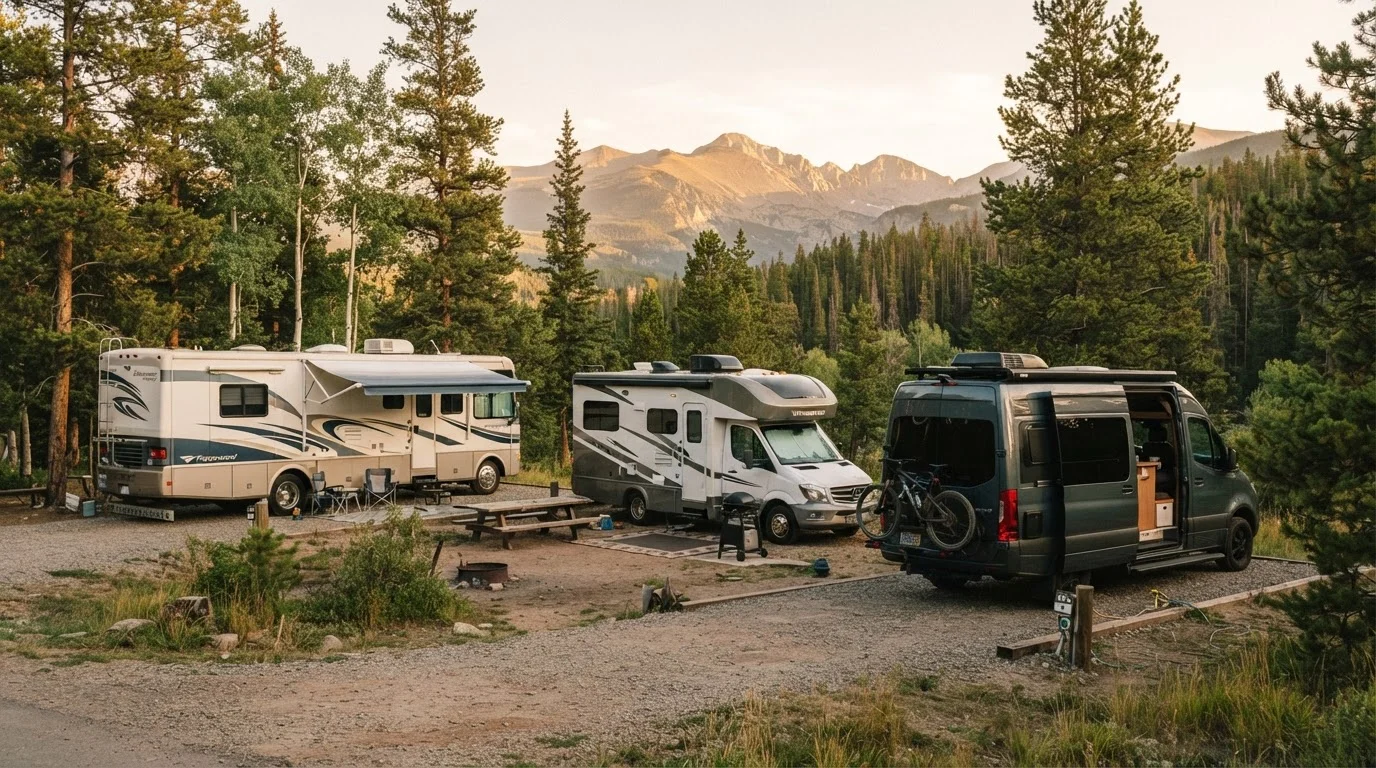
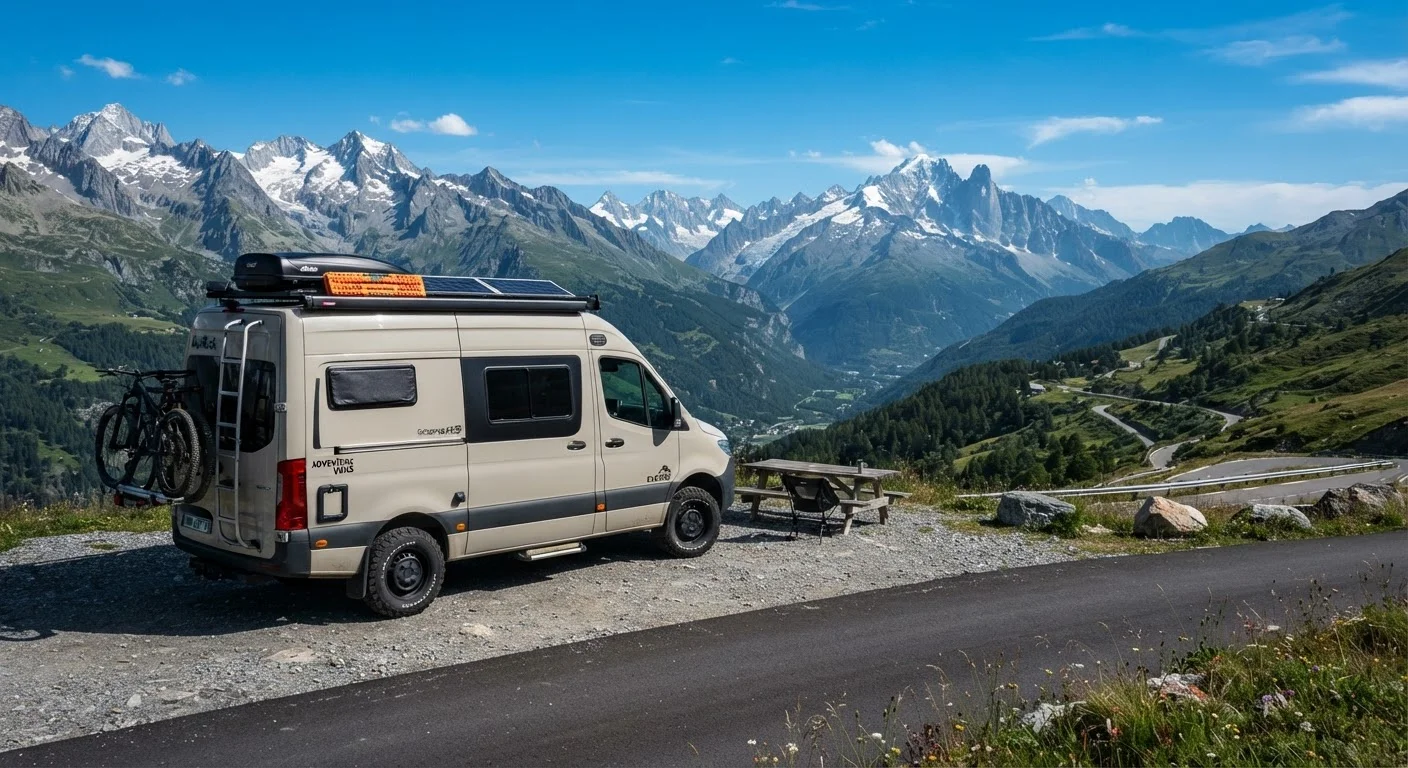
Every RV class reflects a fundamental engineering choice about where to draw the line between vehicle and living space. Class A motorhomes are purpose-built coaches riding on heavy-duty bus or commercial truck chassis. Class C motorhomes use cutaway truck platforms with distinctive cab-over sections extending above the driver's cab. Class B takes a different approach entirely: it starts with a production cargo van and builds the RV systems within that existing body.
That single design decision cascades into nearly every practical difference you'll notice. The van shell stays intact, which means a Class B looks like a high-roof cargo van from the outside. No protruding nose cap, no wide coach body, no slide-out walls. What changes is everything inside: insulation, cabinetry, a bed platform, a galley kitchen, and often a compact bath - all engineered into a space typically under 24 feet long.
For a broader look at how all three motorhome classes relate to one another, see our breakdown of the RV class system.
Size, Drivability, and Access
The most immediate practical consequence of the Class B's compact form is how it handles on the road. At 17-24 feet, a campervan fits into standard parking spaces, navigates urban streets without special maneuvering, and can access campgrounds and trailheads that larger rigs cannot reach. Most drivers familiar with full-size vans adapt quickly - no commercial license is required for Class B units in most US states.
17-24 ft
Typical Class B overall length range
This range places Class B units significantly below Class C (20-33 ft) and Class A (26-45 ft) motorhomes in overall footprint.
~6,000-11,000 lbs
Common Class B gross vehicle weight range
Class B units are substantially lighter than Class A coaches, which frequently exceed 20,000 lbs GVWR, contributing to better fuel efficiency and easier handling.
This drivability advantage comes with a real trade-off. Class B interiors require careful use of every square inch. Dual-purpose furniture, fold-away beds, and integrated storage are design necessities rather than optional upgrades. Two adults traveling together can live comfortably in a well-designed Class B layout; families with children will likely find the footprint too confining for anything beyond short trips.
Fuel economy is another distinguishing factor. Because Class B units run on standard gasoline or diesel van drivetrains and haul considerably less mass than Class A or C coaches, they tend to return meaningfully better fuel efficiency - though real-world numbers vary by model, load, and terrain.
How Class B Compares to Class A and Class C
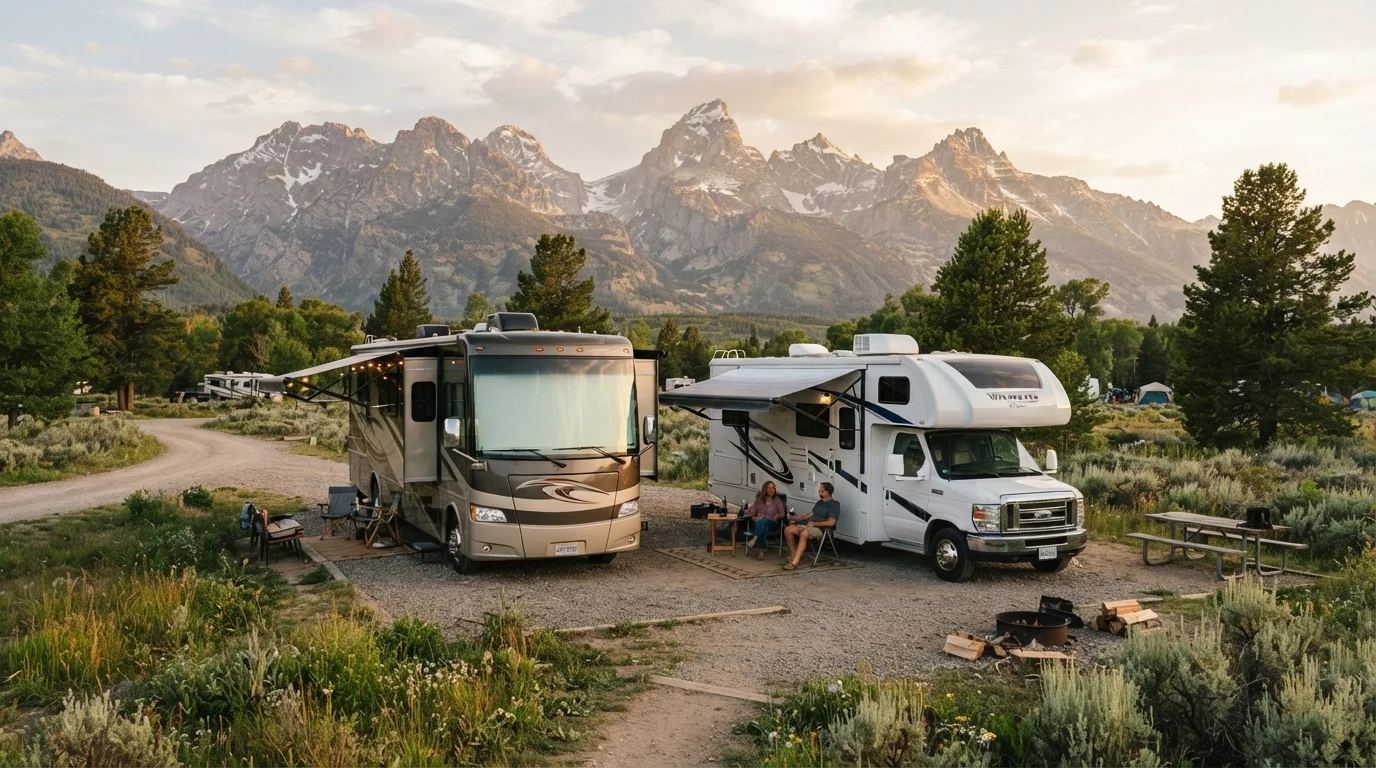
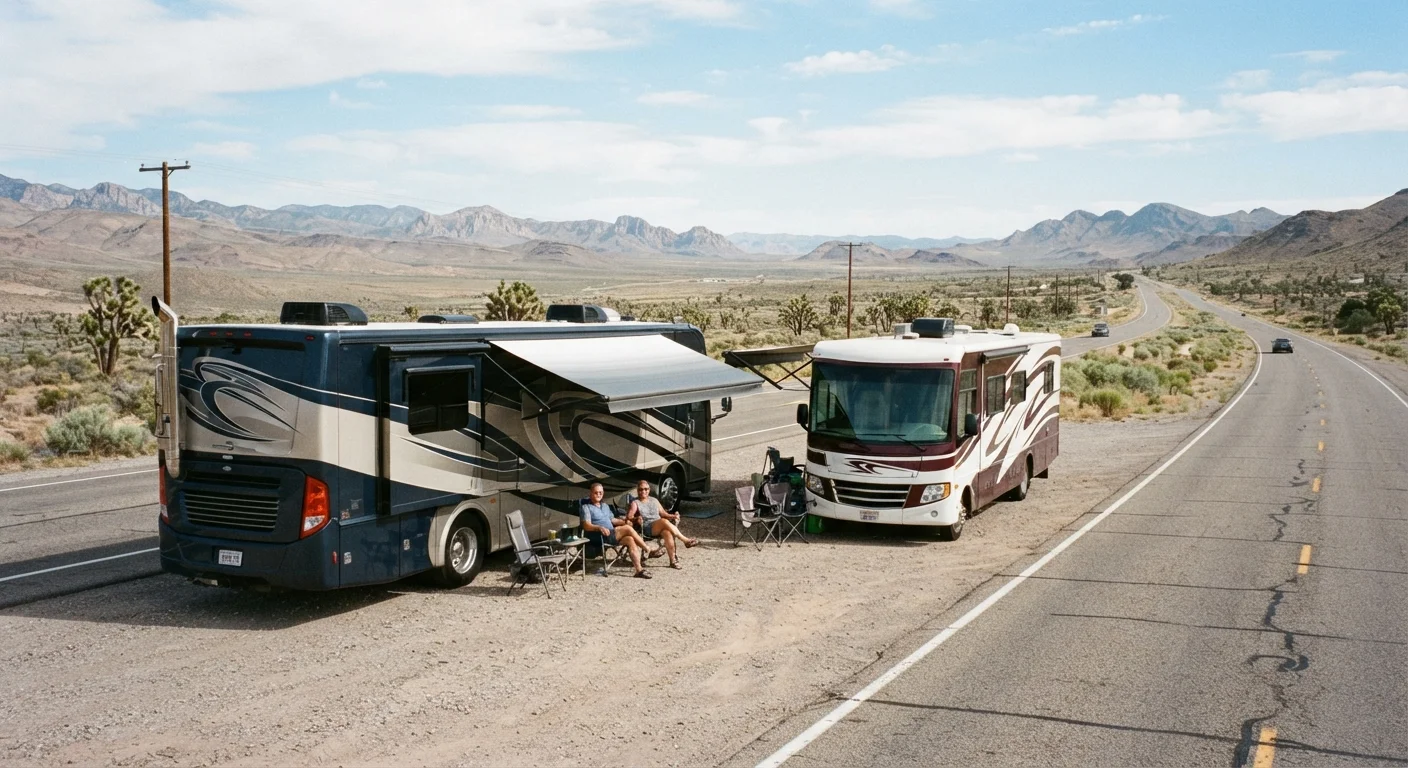
Class A motorhomes occupy the largest footprint in the motorhome spectrum - commonly 26 to 45 feet - with full-width coach bodies that offer residential-scale interiors, slide-outs, and substantial storage bays. They suit long-term travelers and full-timers who prioritize living comfort. The trade-off is a vehicle that demands practiced driving skills, specialized campsite hookups, and higher fuel and maintenance costs.
Class C sits between Class A and Class B in most practical dimensions. The cab-over sleeping area gives Class C units extra capacity without requiring the full coach body of a Class A. They're maneuverable enough for most campgrounds yet spacious enough for families. See our detailed look at how Class A and Class C compare for a closer examination of those two formats.
Class B, by contrast, makes the explicit choice to minimize the vehicle's physical presence in exchange for access, convenience, and everyday usability. It isn't a compromise so much as a deliberate design philosophy - one that aligns well with certain travel styles and poorly with others.
Matching the Class B to Your Travel Style
The Class B format tends to serve specific use cases especially well: solo travelers who prioritize spontaneous travel, couples who camp on weekends while also driving to work during the week, and adventurers who need to access remote destinations that larger rigs cannot reach. The ability to park a campervan in a city overnight or leave it in a standard parking lot at a trailhead is a genuine functional advantage those travelers rely on regularly.
Test the Interior Before Committing
Floor plan descriptions don't fully convey how a Class B interior actually feels at your height and with your gear inside. Whenever possible, spend time in a configured unit - ideally overnight - before making any purchase decision. Small differences in ceiling height, bed orientation, and galley placement have an outsized impact on daily comfort in compact spaces.
Where the Class B struggles is with extended family travel, long-term full-time living by people who need meaningful personal space, and use cases that require substantial freshwater or cargo capacity. Those scenarios generally push travelers toward Class C or Class A platforms.
If you're still weighing which format suits your specific trip type - weekend runs versus extended travel versus full-time living - our guide on matching your RV class to your trip type walks through that decision in detail. And for a look at common misconceptions about all three classes, including the idea that Class B always means cramped, see our piece on RV class myths that mislead first-time shoppers.