
Why Process Matters More Than Personality
Most car buyers assume negotiation is a personality contest - won by the boldest or most combative person in the room. In practice, dealership sales processes are highly structured, and the buyers who fare best are those who bring an equally structured approach of their own.
This guide walks through the negotiation from start to finish as a repeatable process, not a personality performance. Whether you're calm or assertive by nature, these phases give you a framework that works. For a deeper look at how the dealership side of this equation is organized, see how dealership negotiations are structured.
~42%
Buyers who research prices before visiting a dealer
Consumer research studies consistently show that fewer than half of car buyers conduct structured price research before their first dealership visit, leaving most at an informational disadvantage.
3-5
Separate negotiation variables in a typical car deal
Vehicle price, trade-in value, financing terms, and add-on products are each distinct levers - bundling them benefits the seller, not the buyer.
Phase 1: Research and Positioning Before Any Contact
No negotiation begins at the dealership. It begins when you sit down to understand the market. Before reaching out to any dealer, you should know the following:
- Invoice price and market average: Use publicly available pricing tools to identify what dealers are typically paying and what comparable vehicles are selling for in your region.
- Your financing ceiling: Know your maximum monthly payment, your target loan term, and the interest rate you qualify for based on your credit profile. Understanding how rates and loan terms affect total cost prevents dealers from obscuring the true price through payment manipulation.
- Your trade-in's realistic value: Get independent appraisals before setting foot on a lot - this insulates you from low-ball trade-in offers used to offset discounts elsewhere.
Working through a structured pre-negotiation checklist before any outreach ensures nothing critical is overlooked.
Set a hard walk-away number before you enter any negotiation, and treat it as non-negotiable regardless of what concessions are offered in the final moments.
Dealers are trained to make late-stage offers that feel like wins - having a pre-committed ceiling prevents emotional overspend in the closing room.
Request the dealer's out-the-door price in writing via email before visiting in person - this creates a documented baseline you can hold them to.
Verbal quotes are easily revised once you're on the lot; written email quotes create accountability and give you something concrete to reference during face-to-face discussions.
Phase 2: First Contact - Remote Outreach Strategy
Your first contact with a dealership should rarely happen in person. Email and phone outreach shifts meaningful leverage toward you: it's documented, it's unhurried, and it allows you to contact multiple dealers simultaneously to generate competing quotes.
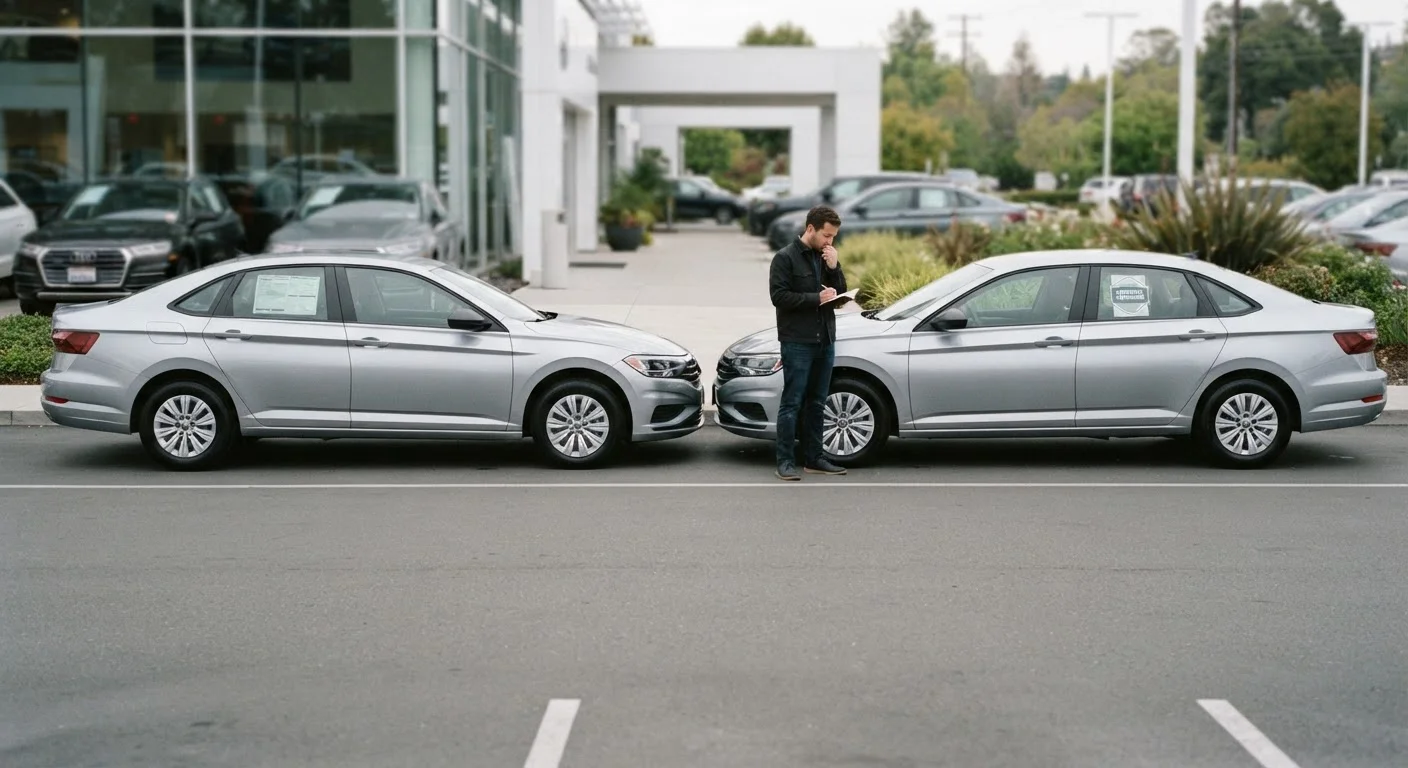
When reaching out, be specific about the vehicle - trim level, color, and options - so quotes are genuinely comparable. Ask for the out-of-door price, not just the vehicle price, so destination charges and dealer fees are included from the start. Avoid volunteering trade-in or financing information at this stage; bundling those elements early gives the dealer more variables to work with.
Remote negotiation strategies using email and phone can help you develop a contact template and a response framework that keeps discussions professional and productive.
Contact Multiple Dealers at the Same Time
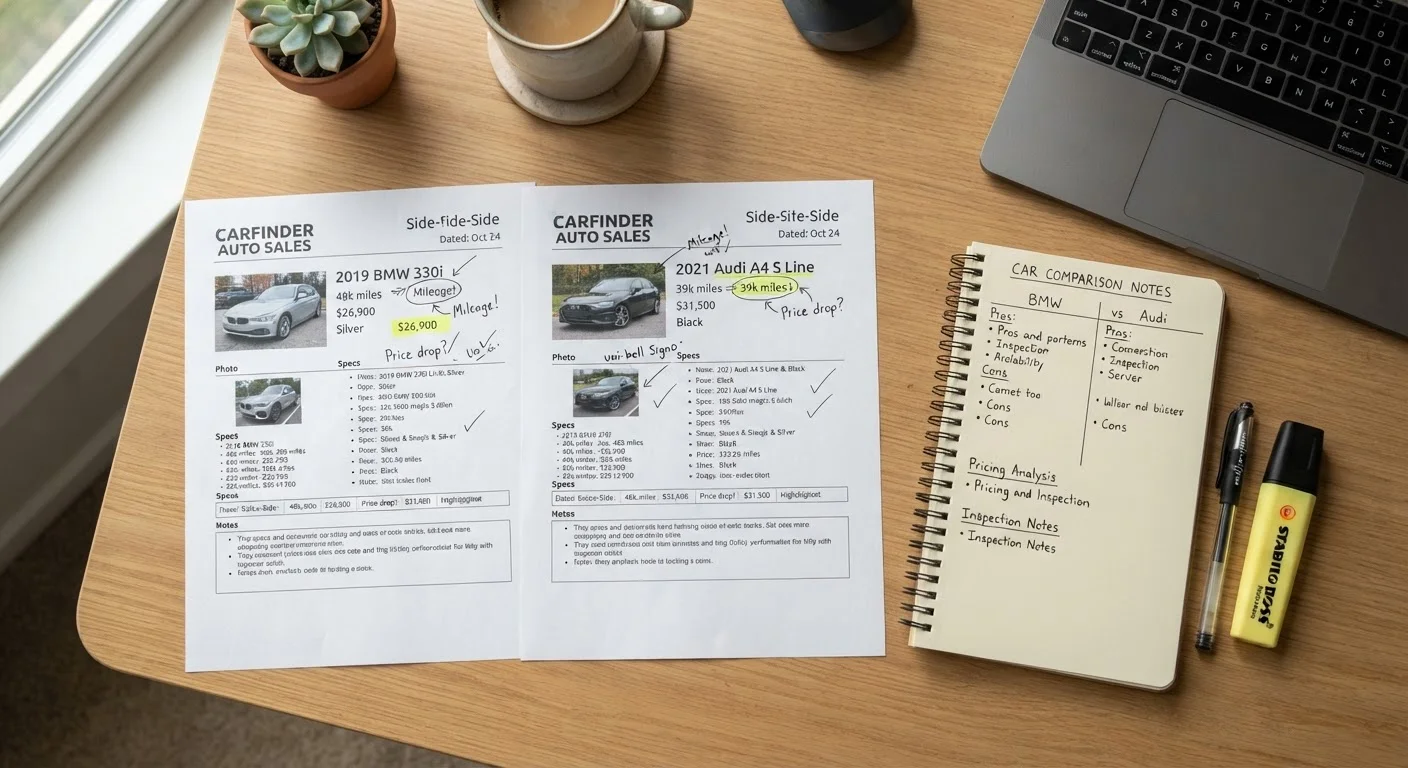
Send identical quote requests to several dealers in your area simultaneously. When dealers know they're competing, the quotes you receive tend to reflect actual market pricing rather than opening-position figures. Give each dealer the same information and the same deadline to respond so comparisons are fair.
Phase 3: On the Lot - Keeping Negotiations Structured
When you visit in person, the goal is to negotiate one variable at a time. The most common mistake buyers make is allowing the salesperson to blend the vehicle price, trade-in value, and monthly payment into a single conversation. This gives the dealer maximum flexibility to give ground in one area while quietly gaining it in another.
A disciplined sequence looks like this:
- Agree on the vehicle's out-the-door price first.
- Introduce your trade-in as a separate transaction after the purchase price is settled.
- Discuss financing last, using your pre-approved rate as a benchmark.
Patience and timing matter throughout. Knowing when to pause and let silence work is a skill that can move a stuck negotiation without additional concessions from you.
If you're buying used rather than new, the dynamics shift - pricing variability is wider and the data sources differ. How the used-car negotiation process differs covers those adjustments in detail.
Phase 4: The Finance Office - Where Deals Often Unravel
The finance and insurance (F&I) office is a distinct negotiation environment. By the time you reach it, you may feel the hard work is done - that's when attention tends to slip. The F&I manager's role includes presenting add-on products (extended warranties, paint protection, GAP insurance) that carry significant margins for the dealer.
Don't Relax in the Finance Office
The F&I office is a distinct sales environment, not just an administrative step. Add-on products presented here are often high-margin items. You have the right to decline any product, to take time to review each item, and to compare pricing independently before committing. Feeling rushed to complete the transaction is a recognized sales technique - recognize it for what it is.
Approach the F&I office the same way you approached the showroom floor: one item at a time. Review the interest rate being offered against your pre-approved rate. Decline or defer add-on products unless you've independently evaluated their value - many of the same protections are available elsewhere, often at lower cost. Do not let time pressure or the implied finality of the moment push you into agreeing to terms you haven't fully reviewed.
Phase 5: Reviewing the Contract Before You Sign
The final contract is a legal document, and reviewing it carefully is not optional. Common discrepancies between what was verbally agreed and what appears in writing include:
- Added fees not discussed during negotiation (document fees, advertising fees, dealer preparation charges)
- Loan terms or interest rates that differ from what was presented
- Add-on products you declined but that appear in the contract anyway
- Trade-in payoff amounts that don't reflect your actual balance
Take the time you need. Ask for clarification on any line you don't recognize. If a term differs from what was verbally agreed, raise it before signing - correcting a contract after the fact is far more difficult. Understanding how to identify pricing traps gives you a useful lens for reading the final numbers critically.
This article provides general educational information about vehicle purchasing processes and is not legal or financial advice. Readers should consult qualified professionals for guidance specific to their circumstances.