The Gap Between What You Pay and What You're Protected For
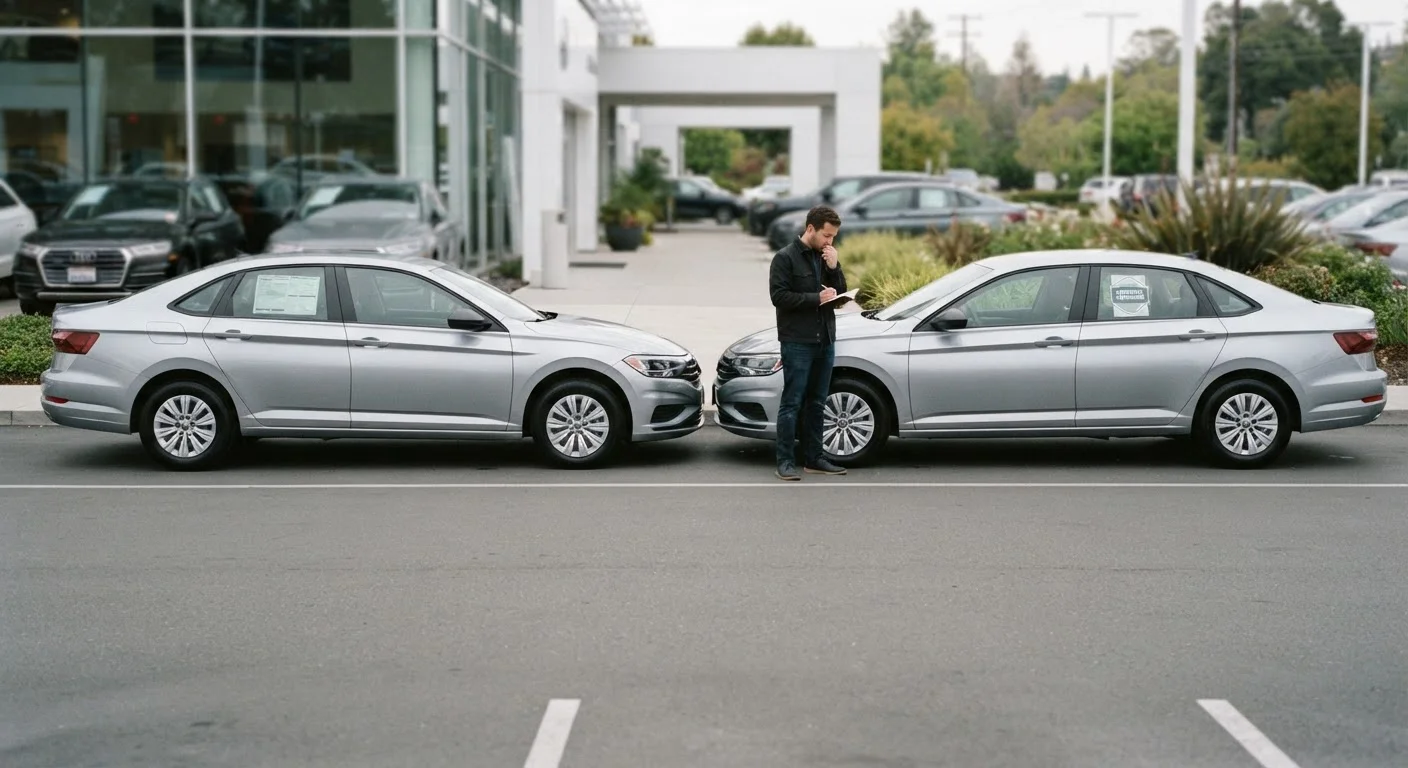
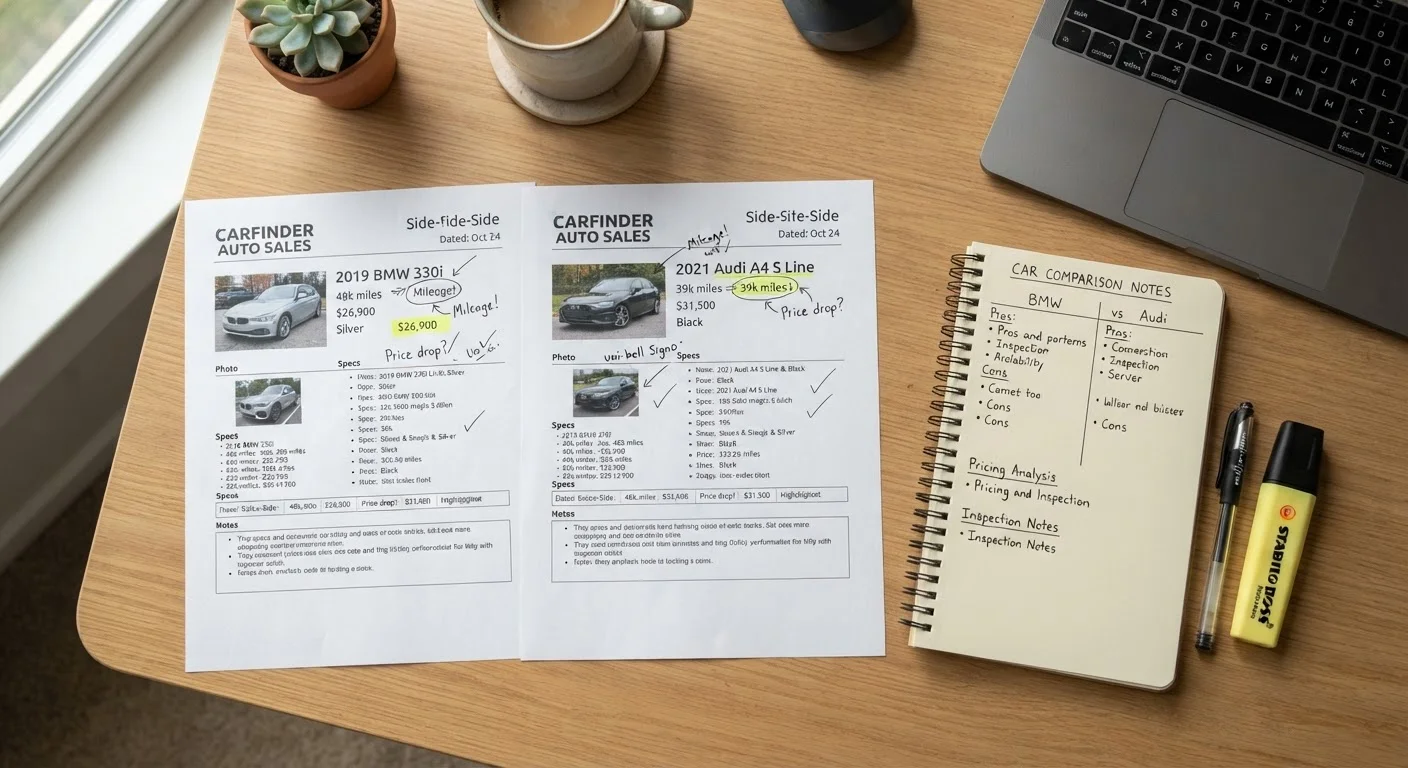
When two insurance quotes sit side by side on a screen, the lower premium exerts a powerful pull. It feels like an obvious win - the same product for less money. The problem is that auto insurance policies are rarely the same product at different prices. They're different products with different financial consequences when something goes wrong.
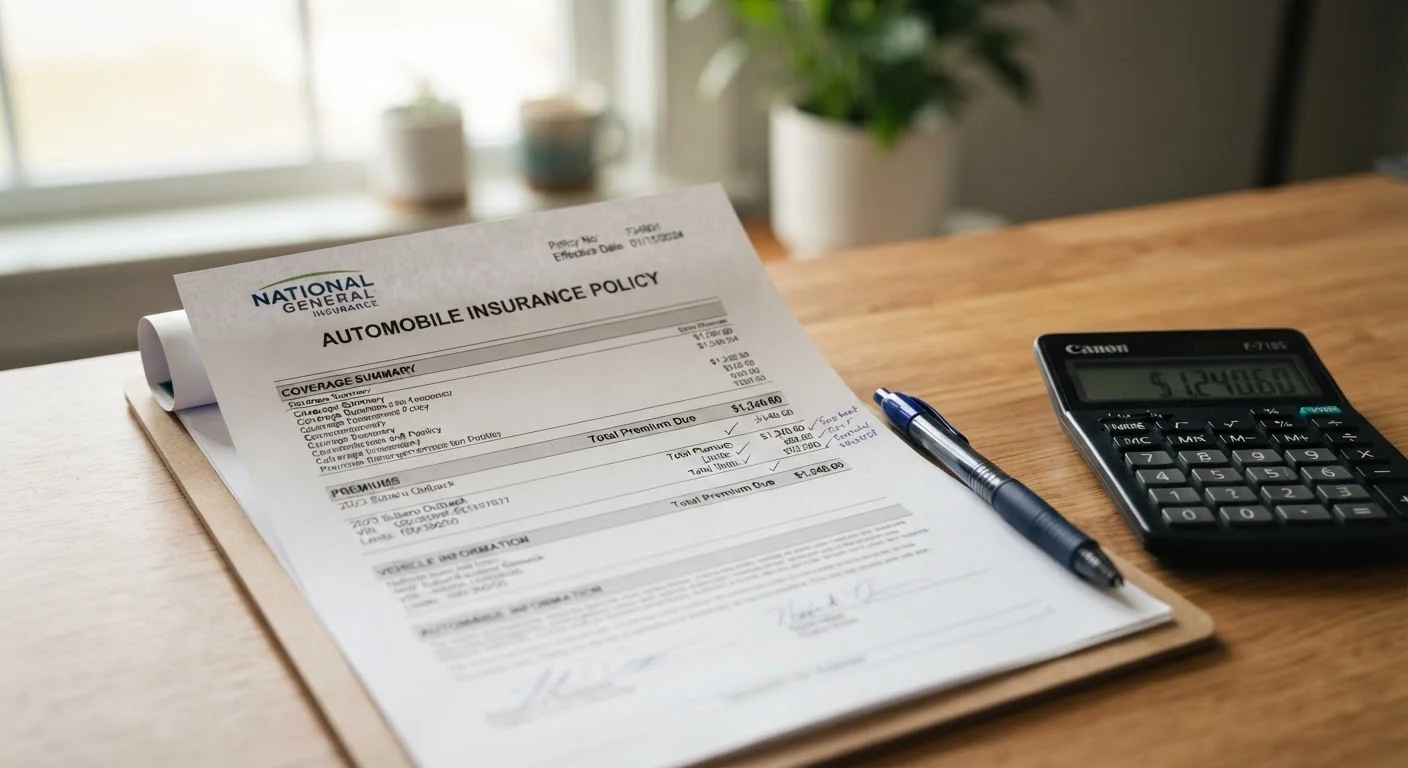
The premium reflects a bundle of coverage decisions: how much liability protection you carry, how large a deductible you absorb before the insurer pays, which events are included or excluded, and what your vehicle is worth in the eyes of the policy. Adjust any of those variables and the premium shifts. A noticeably cheaper quote almost always means one or more of those variables has been moved in a direction that reduces the insurer's exposure - and increases yours.
This matters because the cost of being underinsured doesn't appear on a monthly statement. It appears as a bill after a claim: a repair cost your policy won't fully cover, a liability judgment that exceeds your limits, or an at-fault driver whose own coverage can't pay for your damages. As the principle applies across vehicle shopping, the most attractive number on the page is not always the most meaningful one.
This Is General Information, Not Personal Advice
This article provides general financial education about vehicle insurance concepts. It is not personalised financial, legal, or insurance advice. Coverage needs vary significantly by individual circumstances, vehicle type, location, and applicable regulations. Consult a licensed insurance professional to evaluate options that suit your specific situation.
Common Mistakes That Turn Savings into Costs
Most of the ways buyers inadvertently under-insure themselves follow recognisable patterns. Understanding them in advance is the most reliable way to avoid them.
Comparing policies by premium alone without examining what each policy actually covers.
Why it happens: Premium is the most visible number in a quote, so it becomes the default comparison point. The coverage details - limits, deductibles, and exclusions - are buried in policy language that most buyers don't read before purchasing.
Choosing a very high deductible to lower the premium without having the funds available to cover it.
Why it happens: A high deductible visibly reduces the quoted premium, making it appear like a straightforward saving. Buyers often underestimate the likelihood they will need to make a claim and overlook whether the deductible is actually affordable when needed.
Accepting the default policy without verifying whether it covers the vehicle's actual use - including business errands, ridesharing, or towing.
Why it happens: Standard personal auto policies often exclude or limit coverage for commercial use, hired-network driving, or towing scenarios. Buyers assume general coverage is genuinely general.
Failing to update coverage after a vehicle's value or circumstances change significantly.
Why it happens: Insurance is often set up once and renewed automatically. As a vehicle depreciates or is modified, the original coverage levels may no longer reflect real risk or real value.
Overlooking uninsured and underinsured motorist coverage to keep premiums down.
Why it happens: This coverage protects you when the at-fault driver carries insufficient insurance - a common real-world scenario - but its value isn't obvious until a claim arises. It's often cut first in a cost-reduction exercise.
Minimum Legal Coverage Is Not the Same as Adequate Coverage
State minimum liability requirements are set as a legal floor, not as a benchmark for financial protection. A serious accident can generate repair bills, medical costs, and legal liability that exceed minimum limits by multiples. Carrying only minimum coverage to reduce premiums is a common strategy that can expose you to significant out-of-pocket costs.
These mistakes are closely related to the broader challenge of underestimating total ownership costs. Ownership cost myths - including the assumption that lower recurring costs always represent savings - surface in insurance decisions just as they do in fuel and maintenance planning. Specialty vehicle owners face a parallel version of this problem: first-time collectors frequently underestimate insurance and storage costs when calculating what a vehicle will actually require.
How to Evaluate Coverage Value, Not Just Price
A useful framework when reviewing quotes is to ask one consistent question: what happens to my finances if I make a claim under this policy? Work through at least two scenarios - a minor collision and a serious at-fault accident involving another vehicle and occupants. Trace what each policy pays, what you pay, and what remains uncovered.
Specific factors to evaluate include:
- Liability limits: Are they high enough to cover realistic property damage and medical costs in your area, not just the legal minimum?
- Deductible affordability: Could you pay this amount today if a claim occurred next week?
- Comprehensive and collision value: Is the coverage proportionate to your vehicle's current market value? Paying for collision on a low-value vehicle may cost more annually than the maximum payout.
- Exclusions for use: Does the policy reflect how you actually use the vehicle?
- Uninsured motorist coverage: Is it included, and at what limit?
Insurance is one component of the total cost of ownership that receives less scrutiny than it warrants. Principles for managing long-term ownership costs consistently include reviewing insurance annually as a core practice, not a set-and-forget decision. For a fuller picture of how insurance fits into the broader cost structure of owning a vehicle, long-term sedan ownership costs illustrates how insurance interacts with depreciation, servicing, and other recurring expenses.
1 in 8
Drivers estimated to be uninsured in the U.S.
According to Insurance Research Council estimates, approximately one in eight U.S. drivers operates without any auto insurance coverage.
$20,000+
Average liability exposure in a serious accident
Property damage, medical costs, and legal fees in multi-vehicle accidents frequently exceed state minimum liability limits, leaving gaps the policyholder must cover personally.
This article is for general informational and educational purposes only. It does not constitute personalised insurance, financial, or legal advice. Coverage requirements, availability, and regulatory frameworks vary by state and individual circumstances. Consult a licensed insurance professional before making coverage decisions.