Why Sticker Price Is Only the Beginning
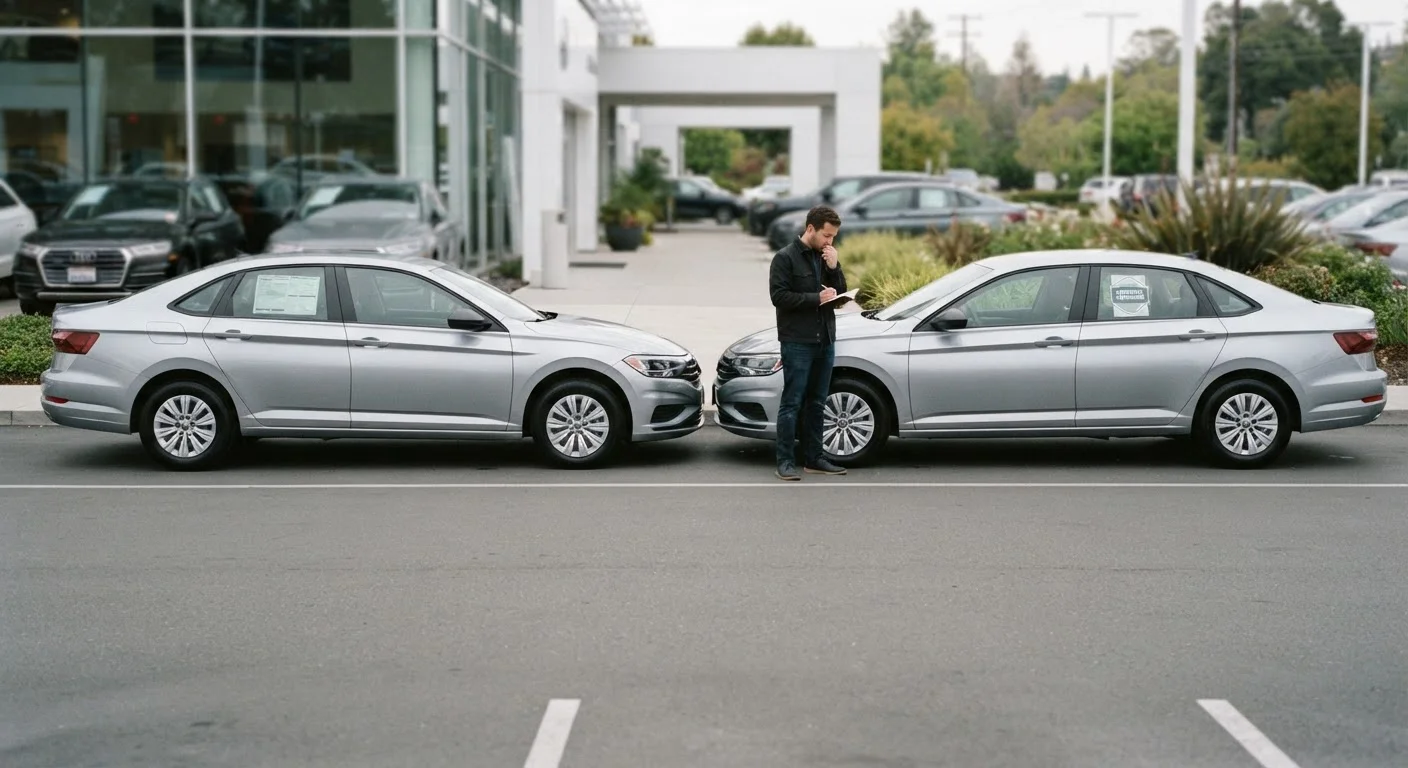
For most vehicle buyers, the negotiated purchase price feels like the finish line. In practice, it marks the starting point of an ongoing financial relationship. Insurance premiums, fuel, tires, routine servicing, financing interest, and eventual depreciation all accumulate in the background - and over a five- to ten-year ownership period, they can easily exceed the original transaction price.
Long-term costs that sticker prices obscure include factors that vary widely between vehicle categories and even within them. A vehicle that seems affordable at purchase can become expensive to insure or maintain, while a higher purchase price can sometimes buy lower running costs. The principles that follow are designed to help owners see and manage the full picture, regardless of what they drive.
These Principles Apply Across Vehicle Types
Whether you own a daily-driver sedan, a camper van, a commercial truck, or a classic vehicle, the cost-control frameworks here translate directly. The specific dollar amounts and service intervals will differ, but the underlying disciplines remain consistent. Always consult your owner's manual and a qualified mechanic for guidance specific to your vehicle.
The Core Practices That Contain Costs Over Time
Cost control in vehicle ownership is less about finding shortcuts and more about applying consistent disciplines. The practices below apply whether you own a commuter car, an RV, or a classic vehicle with its own unique cost profile. None require specialist knowledge - they require follow-through.
Follow the manufacturer's scheduled maintenance intervals without exception.
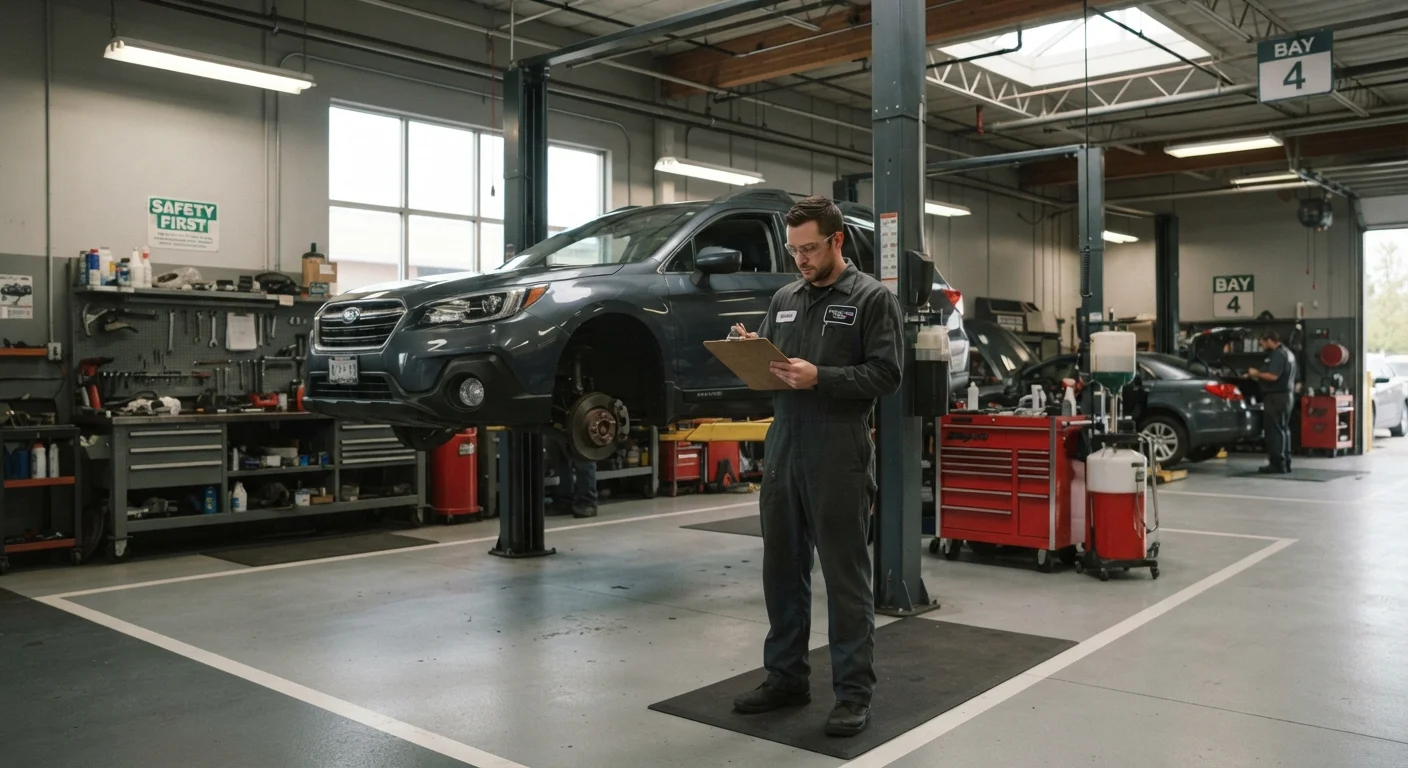
Deferred maintenance compounds quietly - a skipped fluid service today can become a failed component next season. As the evidence on deferred maintenance shows, the repair bills that follow neglect routinely dwarf the cost of the original service.
Keep a detailed repair and service log for every vehicle you own.
A written record lets you spot recurring failures, verify that work was actually completed, and demonstrate responsible ownership when selling. Maintaining a repair log also gives a mechanic context that speeds diagnosis and reduces guesswork labor charges.
Review your insurance coverage at each policy renewal, not just the premium.
Coverage gaps can be as costly as overpaying for protection you no longer need. As selecting coverage based on price alone can result in expensive out-of-pocket exposures after a claim.
Model total cost of ownership before committing to any vehicle, not after.
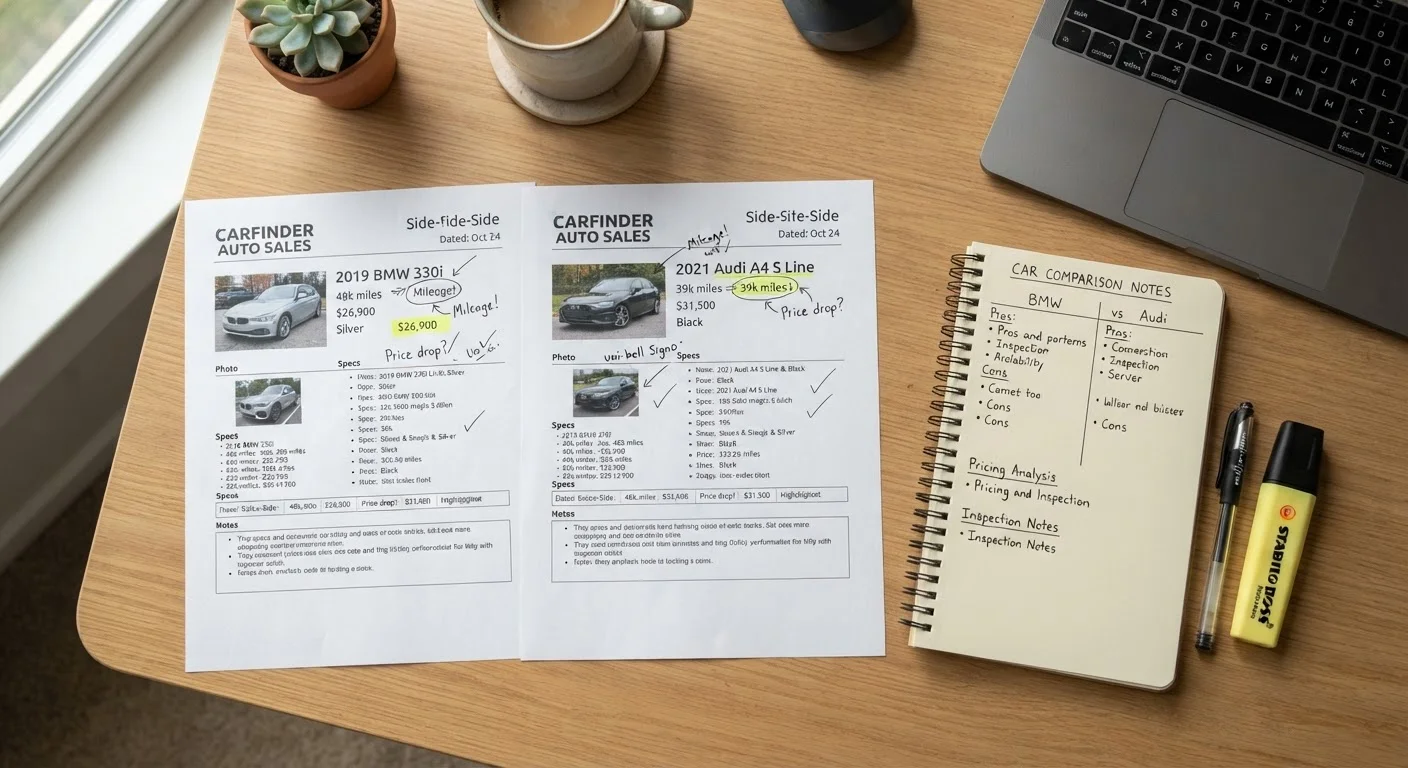
Purchase price is only the opening figure. Fuel, insurance, tires, financing interest, and depreciation combine to determine what a vehicle actually costs you. Estimating total ownership cost before purchase prevents sticker-shock moments that arrive months into ownership.
Conduct an annual cost audit to track where money is actually going.
Ownership costs shift year to year as a vehicle ages, loan balances drop, and your circumstances change. Without a structured review, overspending in one category often goes unnoticed. Use a framework like the annual ownership cost audit checklist to surface those shifts.
Understand how your financing terms affect lifetime cost, not just monthly payment.
Longer loan terms lower monthly obligations but increase the total interest paid, and can leave an owner underwater - owing more than the vehicle is worth - during the steepest depreciation years. Understanding rates and loan terms before signing prevents this erosion.
Separating Myth From Method
A significant share of unnecessary ownership spending traces back to outdated assumptions. Beliefs about oil change intervals, engine warm-up routines, and the running costs of particular fuel types can drive decisions that cost more than they save. Common ownership cost myths persist because they contain a kernel of past truth - but engineering and materials have moved on.
Similarly, maintenance myths that still circulate lead some owners to perform unnecessary services while skipping genuinely important ones. Grounding decisions in the manufacturer's current guidance - not decades-old workshop folklore - is one of the simplest and most durable cost-control moves available.
“The bitterness of poor quality remains long after the sweetness of low price is forgotten.”
— Benjamin Franklin, Founding Father and author of Poor Richard's Almanack - widely cited in consumer and quality-management contexts
Practical cost control also means understanding what preventive maintenance versus reactive repair actually costs in real terms. Scheduled upkeep is predictable and budgetable; emergency repairs are neither.
Building Habits That Compound Over Time
The owners who manage vehicle costs most effectively share a common trait: they treat ownership as an ongoing process rather than a transaction that ended at the dealership. That means keeping records, reviewing insurance, staying current with the routine maintenance schedule, and periodically revisiting financing if circumstances have changed.
Special-use vehicles - including RVs and campers - introduce additional variables like long-term storage decisions that can either protect or silently erode a vehicle's condition and value. Applying the same disciplined approach across every vehicle in your household compounds the benefit significantly over time.
This article provides general educational information about vehicle ownership costs. It is not financial, mechanical, or legal advice. Consult a qualified mechanic for maintenance decisions and a licensed financial adviser for decisions specific to your personal circumstances.