The Three-Tank System Most New RVers Underestimate
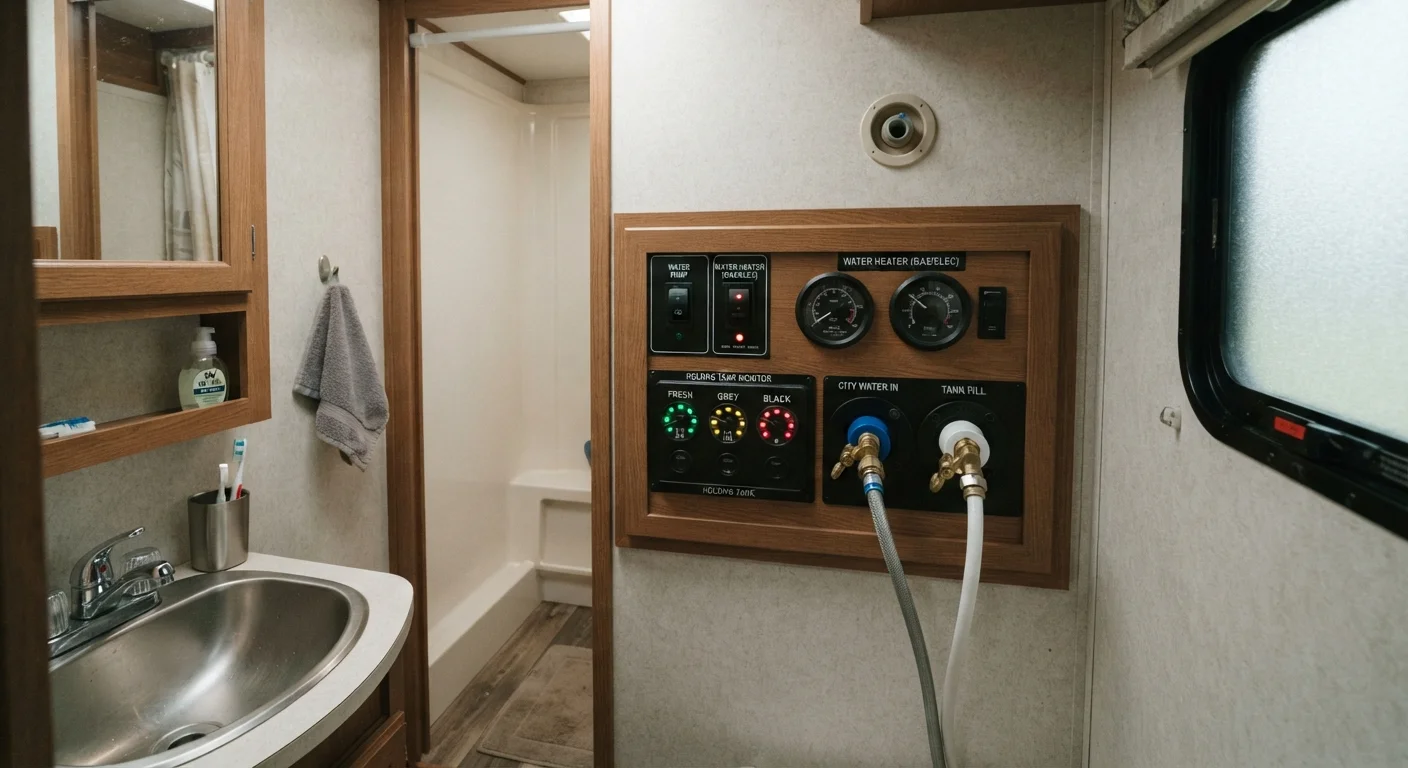
Every RV with onboard plumbing operates three distinct water systems: a fresh water tank that stores potable water, a grey water tank that collects sink and shower runoff, and a black water tank that holds toilet waste. Each system demands different habits, different chemicals, and different dump schedules - yet many first-time owners treat them all the same way.
The consequences range from persistent odors and sensor failures to sewage backups and costly plumbing repairs. Understanding how these systems interact is the first step toward managing your rig confidently. For a deeper look at the full picture - including power and off-grid water sourcing - see our guide to off-grid RV living.
Leaving the black tank valve open at a full-hookup campsite.
Why it happens: New RVers assume an open valve means continuous draining - cleaner and more convenient. In practice, liquid drains away immediately while solids accumulate and dry out, creating a nearly immovable blockage called a 'pyramid plug.'
Trusting tank level sensors without question.
Why it happens: The dashboard sensors look authoritative. Most new owners don't realize that grey and black tank sensors are notoriously prone to fouling from waste residue and mineral deposits, often reading 'full' when the tank is half-empty or vice versa.
Neglecting to sanitize the fresh water tank regularly.
Why it happens: Fresh water looks clean coming in, so owners assume the tank stays clean. Warm temperatures and stagnant water create ideal conditions for bacterial growth and biofilm - neither of which is visible to the eye.
Using household toilet paper in the RV black tank.
Why it happens: It's the product already on hand. Standard household toilet paper is engineered to stay intact, which is useful in a residential setting but creates clogs in the smaller-diameter pipes and tank geometry common in RVs.
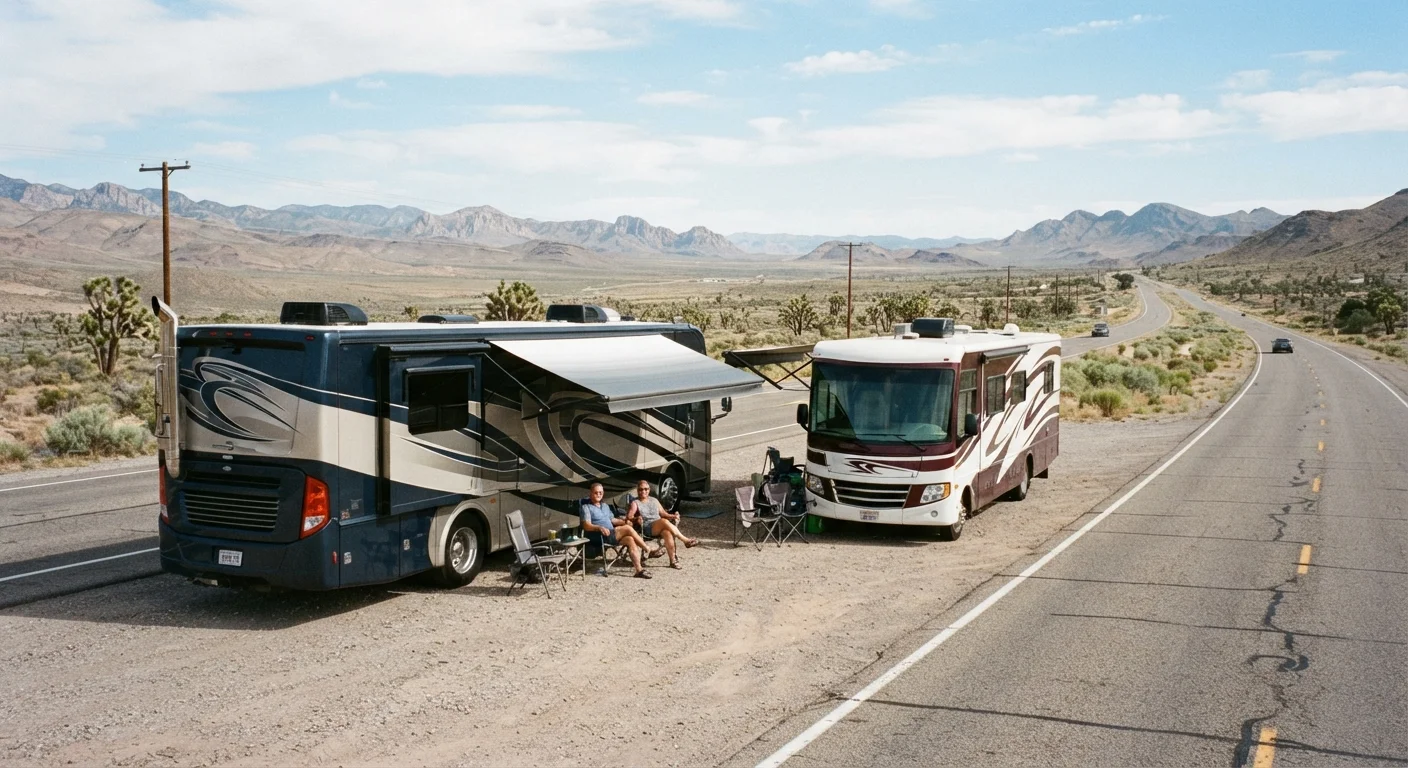
Underestimating grey water usage when boondocking.
Why it happens: Many new RVers plan their fresh water carefully but forget the grey tank fills just as fast - or faster. Shower runoff, dishwashing, and hand-washing quickly overwhelm a tank that may hold only 30-40 gallons.
Building Better Habits Before Problems Compound
Water mismanagement rarely causes a single dramatic failure - it compounds. Sensor fouling, odor buildup, and bacterial contamination each develop gradually, which is why new owners often don't connect the symptom to the root cause until damage is done.
30-50 gal
Typical RV black tank capacity range
Most Class C and travel trailer black tanks hold between 30 and 50 gallons, meaning a two-person crew may need to dump every 3-5 days depending on usage patterns.
2×/year
Minimum fresh tank sanitization frequency
RV industry maintenance guidance commonly recommends sanitizing the fresh water tank at least twice annually, or after any extended period of non-use.
Establishing a consistent tank routine early - flushing the black tank thoroughly after every dump, using enzyme-based treatments between dumps, and sanitizing the fresh tank seasonally - prevents the majority of issues described above. Consult our fresh water system maintenance reference for step-by-step sanitization guidance, and review common holding tank myths to separate fact from fiction before bad habits take hold.
Water and tank management is also covered within the broader context of first-year ownership in our RV maintenance guide for new owners. Getting these fundamentals right early makes everything else about RV life considerably easier.
Never Dump Grey or Black Tanks Illegally
Dumping holding tanks anywhere other than a licensed dump station or connected sewer hookup is illegal in all US states and can result in significant fines. Grey water is not exempt - even soapy sink water is regulated waste in most jurisdictions. Always use designated dump facilities and follow campground rules regarding dump timing and procedures.