What Off-Grid RV Living Actually Means
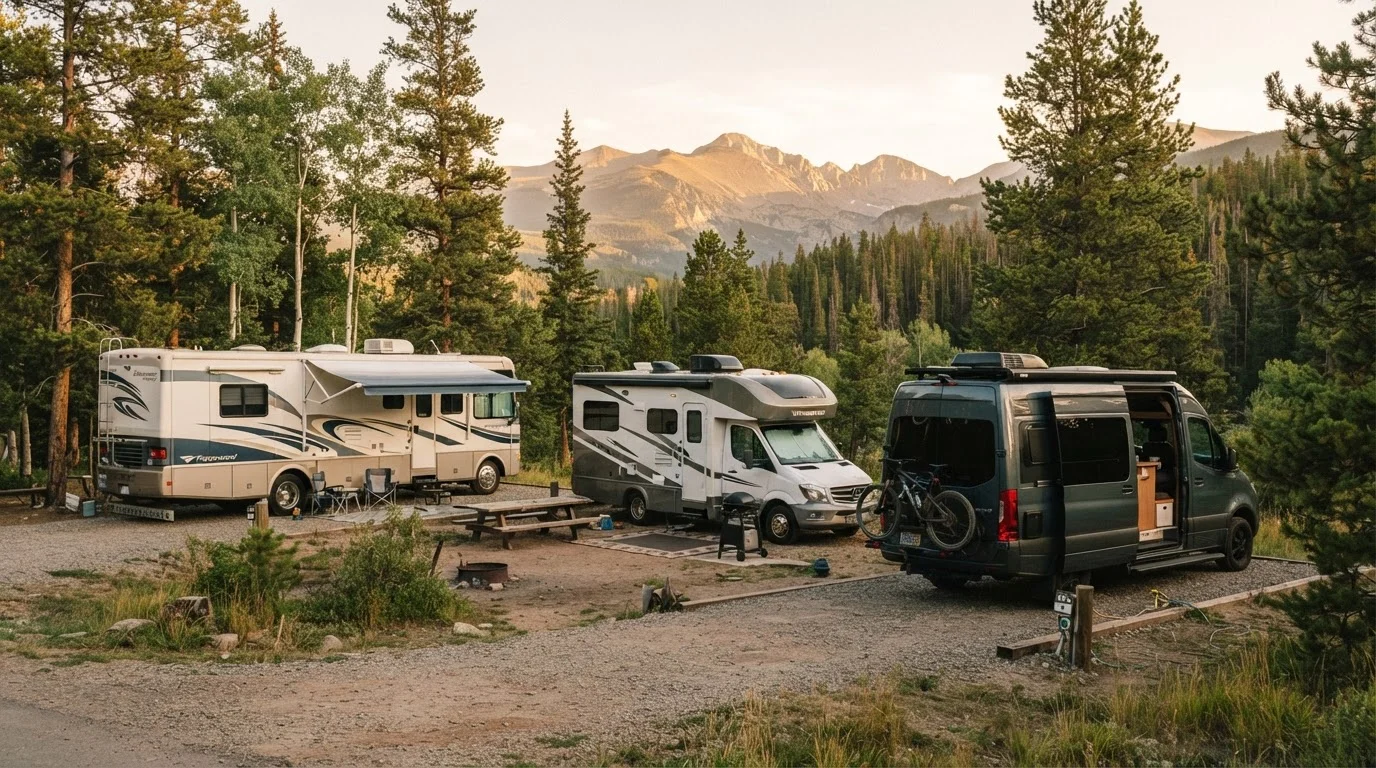
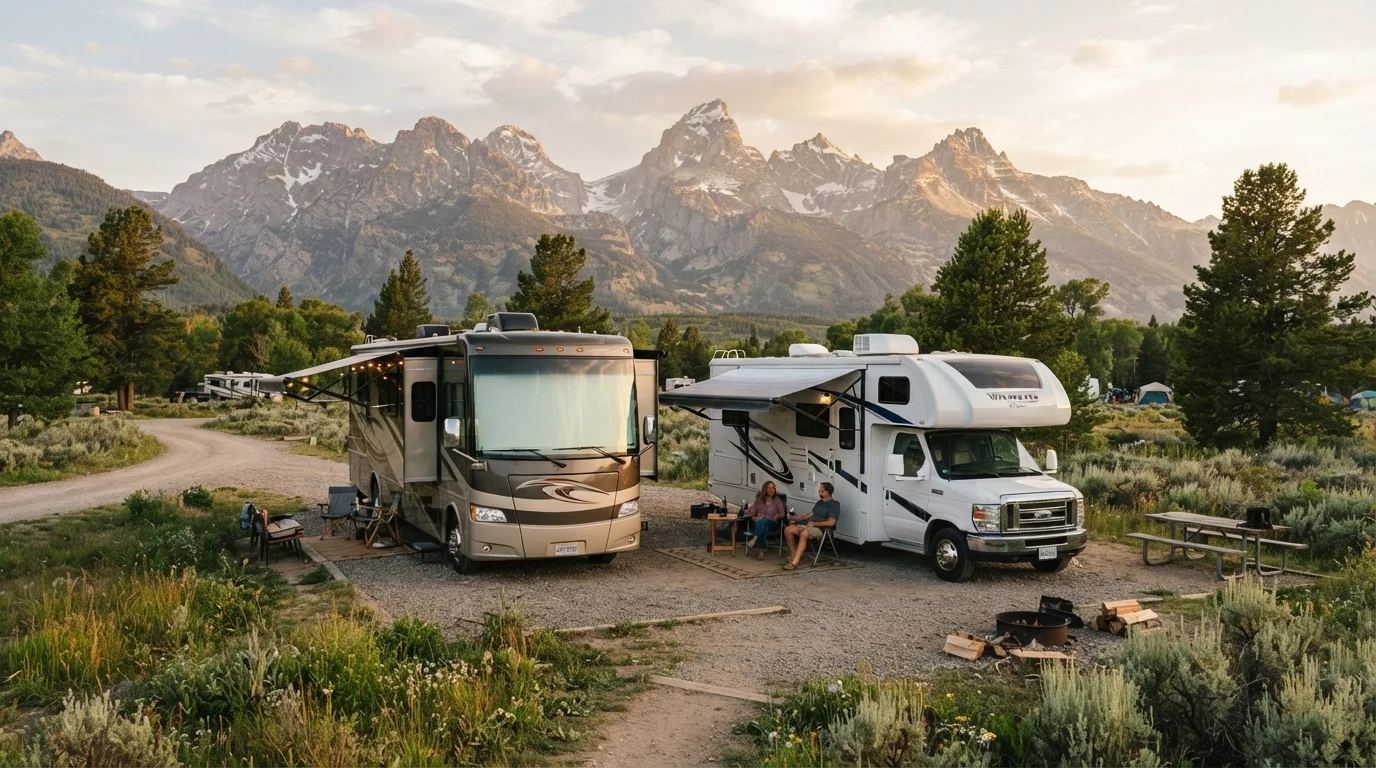
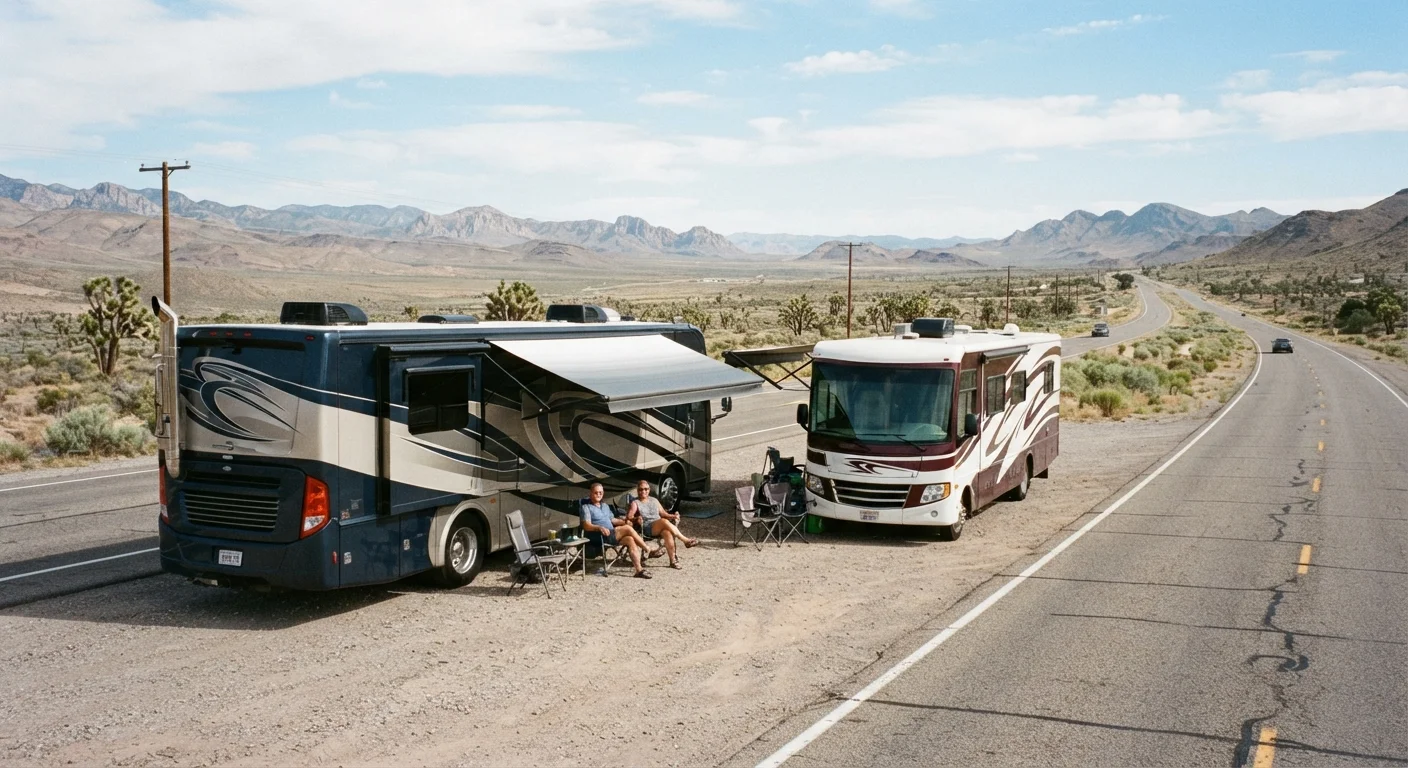
Off-grid RV living - often called boondocking or dry camping - means operating your rig without connections to external electricity, water, or sewer infrastructure. Instead of relying on campground hookups, you generate your own power, carry your own water, and contain your own waste until you can properly dispose of it.
This lifestyle offers genuine freedom: you can camp on public lands, remote deserts, and forest roads that full-hookup campers can't reach. But that freedom comes with daily responsibility. Every gallon of water consumed, every amp-hour drawn from your batteries, and every flush of your toilet has a direct consequence on how long you can stay put.
If you're evaluating whether this suits your travel style, it helps to understand how off-grid setups differ from standard hookup camping. See RV hookup connections explained for a clear breakdown of full-hookup, partial-hookup, and dry camping distinctions. And if you're still weighing the full-time leap, transitioning to full-time RV life is worth reading before you commit.
5-10 gal
Daily water use per person while boondocking
Experienced off-grid RVers routinely report this range through active conservation habits, compared to 80-100 gallons typical in a stationary household.
~30%
Of US public lands open to dispersed camping
The Bureau of Land Management oversees roughly 245 million acres, much of which permits free dispersed camping, a key draw for off-grid RV travelers.
2-4x
Longer cycle life of LiFePO4 vs. lead-acid batteries
Lithium iron phosphate batteries generally support significantly more charge cycles than flooded lead-acid equivalents under comparable conditions.
Building a Solar Power System That Works
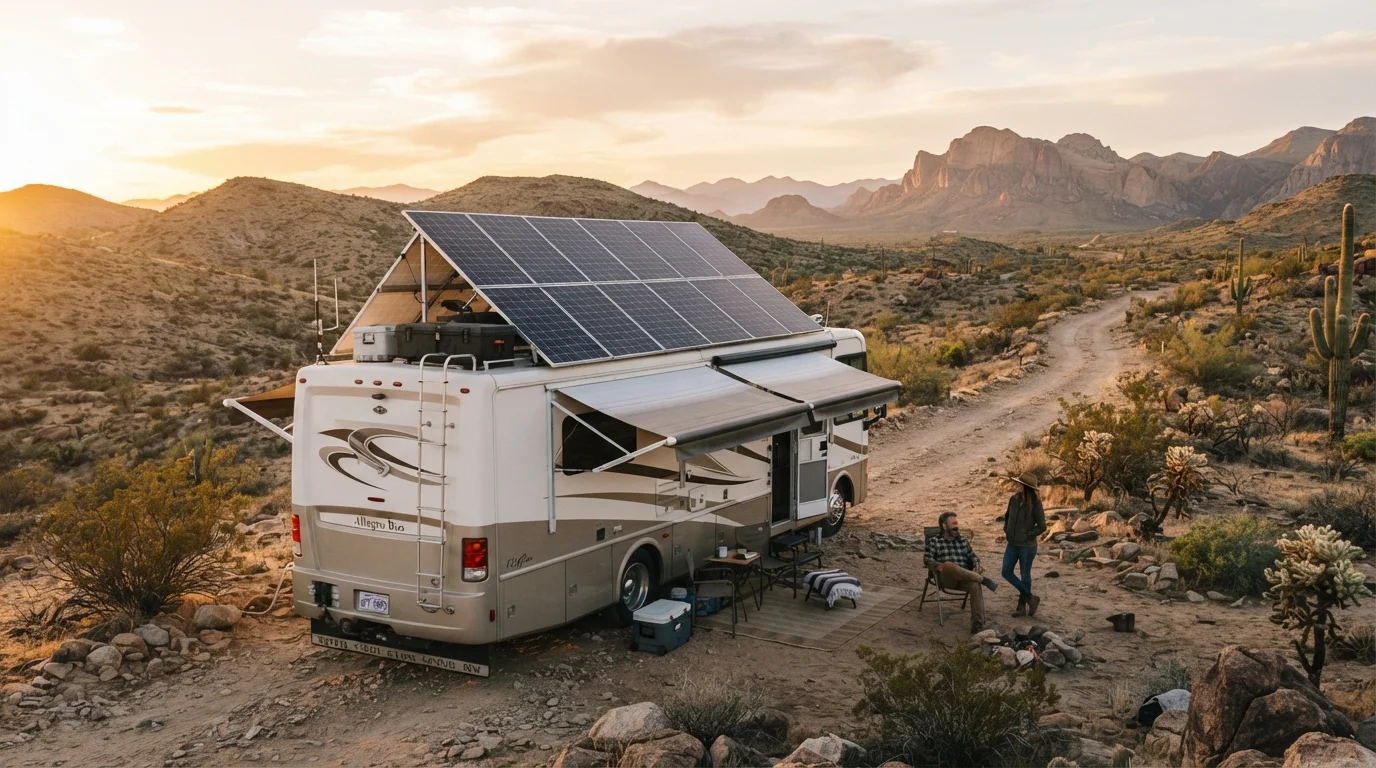
Solar is the backbone of most off-grid RV setups. A functional system has four core components: solar panels (which capture sunlight), a charge controller (which regulates power flowing to the batteries), a battery bank (which stores energy for nighttime and cloudy days), and an inverter (which converts stored DC power to the AC current your appliances use).
Sizing matters enormously. Start by calculating your daily energy consumption in amp-hours (Ah) or watt-hours (Wh) - add up every device you run and for how long. A common mistake is undersizing the battery bank: panels generate power only when the sun shines, but your refrigerator, fans, and lights run around the clock. Lithium iron phosphate (LiFePO4) batteries have become popular among full-timers because they tolerate deeper discharge cycles than traditional lead-acid options, though they carry a higher upfront cost.
Size your battery bank for two to three days of average consumption without solar input - not just one. Cloudy stretches and heavy usage days happen, and a depleted bank is hard on most battery chemistries.
Under-sizing the battery bank is the single most common solar setup mistake among new boondockers, leading to premature battery degradation or unexpected power loss.
Install a battery monitor with state-of-charge display rather than relying on the RV's built-in voltage gauge. Voltage readings alone are misleading, especially under load.
Accurate state-of-charge data lets you make real decisions about energy use; guessing based on voltage often results in accidentally discharging batteries below safe thresholds.
For a deeper look at how solar compares to shore power and generators in real-world scenarios, shore power vs. solar vs. generator walks through the trade-offs clearly.
Don't Skip a Proper Electrical Assessment
Adding solar panels, inverters, or large battery banks to an RV involves wiring that can become a fire hazard if undersized, improperly fused, or incorrectly grounded. Have any significant electrical additions reviewed or installed by a qualified RV technician or licensed electrician. Self-installed systems that aren't code-compliant can also affect your insurance coverage.
Managing Fresh Water Off the Grid
Most RVs come with a fresh water tank ranging from 30 to 100 gallons. Off-grid, that tank is your entire water supply until you find a fill station. The average American household uses roughly 80-100 gallons per person per day; experienced boondockers often manage on 5-10 gallons per person daily through deliberate conservation.
Practical strategies include: turning off the tap while brushing teeth or soaping dishes, using a spray nozzle rather than free-flowing water, and bathing at campground facilities when available. A water filter system inline with your fresh tank protects against taste and microbial concerns when filling from non-potable sources - though always verify source safety before drinking.
Why new RVers struggle with water and tank management is an honest look at the missteps that catch first-timers off guard, from sensor malfunctions to running dry unexpectedly.
Track Your Water Use for the First Week
Before heading deep into the backcountry, spend a few nights boondocking close to town and actively track how many gallons your household uses each day. Most new off-gridders significantly underestimate their consumption. A simple tally - showers, dishes, cooking, drinking - reveals where the biggest savings are possible.
Grey and Black Water: What You Need to Know
Grey water is wastewater from sinks and showers. Black water is waste from the toilet. Both are stored in holding tanks on your RV and must be emptied - legally and properly - at designated dump stations or campground sewer connections.
A few rules that matter: never dump black water on the ground or into a waterway under any circumstances - this is illegal under federal law on public lands and is environmentally harmful. Grey water rules vary by jurisdiction; some dispersal is permitted in certain areas, but check local regulations before assuming it's allowed.
Tank sensor accuracy is notoriously unreliable on many rigs. Residue buildup coats sensors and gives false readings. Using enzyme-based treatments and adequate water with each flush helps maintain tank conditions and sensor function. Dump black water when the tank is at least two-thirds full so there's enough liquid volume to flush solids effectively.
Illegal Dumping Carries Serious Penalties
Dumping black water - or untreated grey water in prohibited areas - on public lands is a federal offense that can result in substantial fines and loss of camping privileges. Beyond legal consequences, improper waste disposal contaminates groundwater and damages ecosystems that other campers depend on. Always use designated dump stations and verify local grey water rules before any dispersal.
Balancing All Three Systems for Long-Term Success
Off-grid RV living isn't about mastering one system - it's about understanding how all three interact. Your water pump draws power from your battery bank. Running the washing machine or electric kettle affects how many days you can stay without sun. A full black tank forces a move to a dump station that may require driving, which uses fuel but also gives you a chance to refill fresh water.
Experienced full-timers develop routines: checking tank levels each morning, monitoring battery state of charge, and mentally tracking water consumption. Many use a simple spreadsheet or dedicated app to stay on top of usage patterns. A well-organized rig also helps - interior organization ideas for RV living addresses how layout choices affect daily efficiency and comfort.
For ongoing maintenance that keeps all these systems running reliably, the RV maintenance hub covers seasonal care, routine checks, and what to inspect before each extended off-grid stay. Off-grid living rewards preparation and punishes complacency - but for those who invest the time to understand their systems, it delivers a quality of travel that hookup camping simply can't match.
This article provides general informational guidance about RV systems and off-grid living. Always consult qualified technicians for electrical installations and follow all local, state, and federal regulations regarding waste disposal and land use.