Why This Decision Demands a Structured Approach
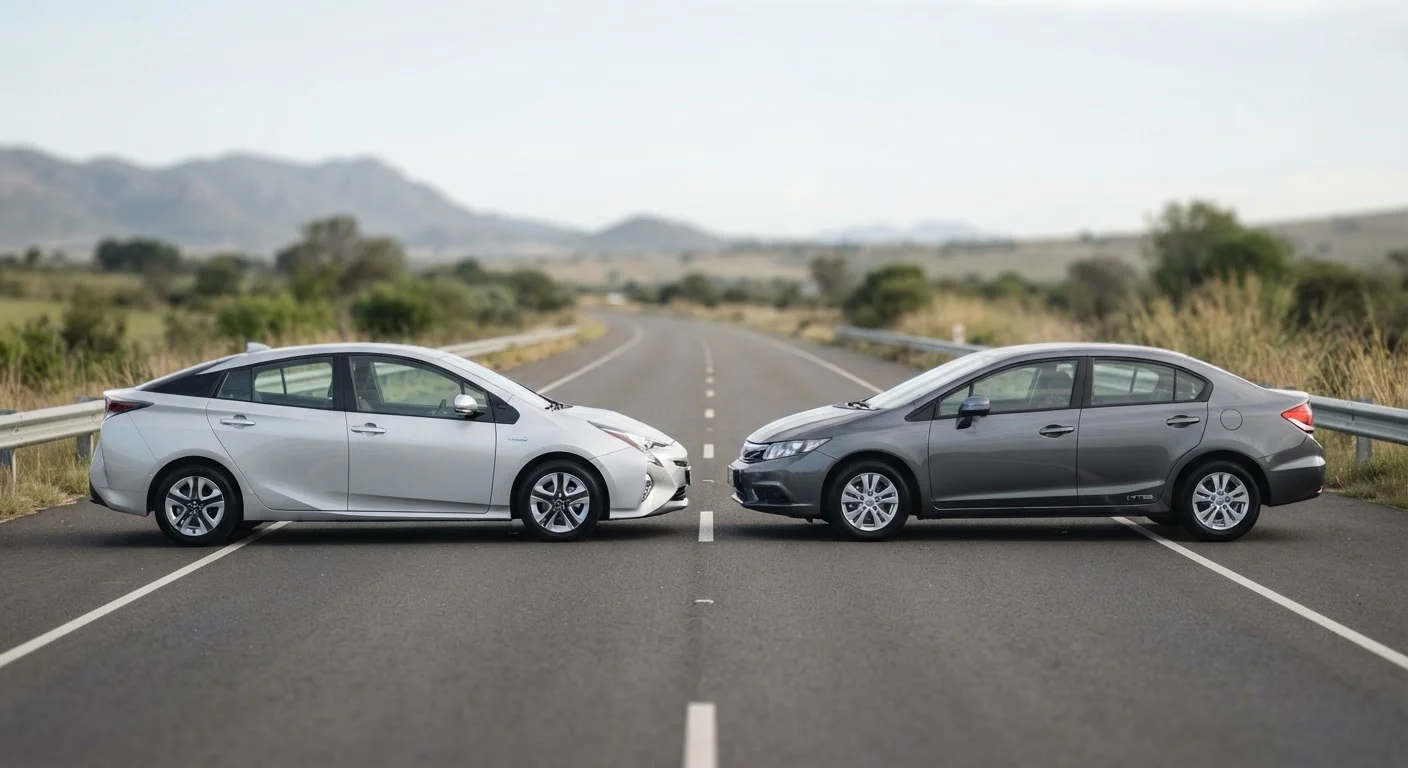
Electrified vehicles introduce variables that don't apply to conventional gas-powered cars: charging infrastructure, battery degradation, software updates, and powertrain configurations that differ fundamentally between full EVs, plug-in hybrids (PHEVs), and conventional hybrids (HEVs). Without a clear framework, buyers risk fixating on headline range figures or federal tax credit eligibility while overlooking factors that matter far more day-to-day.
This checklist cuts through the marketing noise. Work through each group methodically - ideally before you visit a showroom - so your decision is driven by your actual driving patterns, infrastructure reality, and long-term ownership economics. For a deeper look at how ownership costs compound over time, see our Ownership Costs hub.
Range and Real-World Efficiency
Charging Infrastructure
Total Cost of Ownership
Battery Health and Warranty
Powertrain and Maintenance Considerations
Tools You'll Need to Work Through This Checklist
Several of these evaluation steps require external data sources or hands-on investigation. Line up these resources before you start.
EPA fueleconomy.gov
Look up official EPA range and efficiency ratings, and use the built-in cost comparison tool to model fuel savings against comparable gas vehicles.
AFDC Alternative Fuels Station Locator
Map public charging station locations along your regular routes to assess real-world charging accessibility.
Licensed electrician
Assess your home's electrical panel capacity and provide a firm quote for Level 2 charger installation before purchase.
Vehicle-specific owner forums
Access real-world range data, reliability reports, and common issue threads from existing owners of the model you're evaluating.
EV battery diagnostic tool or dealer report
Obtain a state-of-health reading for the high-voltage battery when evaluating a used EV or PHEV.
Critical Factors That First-Time EV Buyers Often Miss
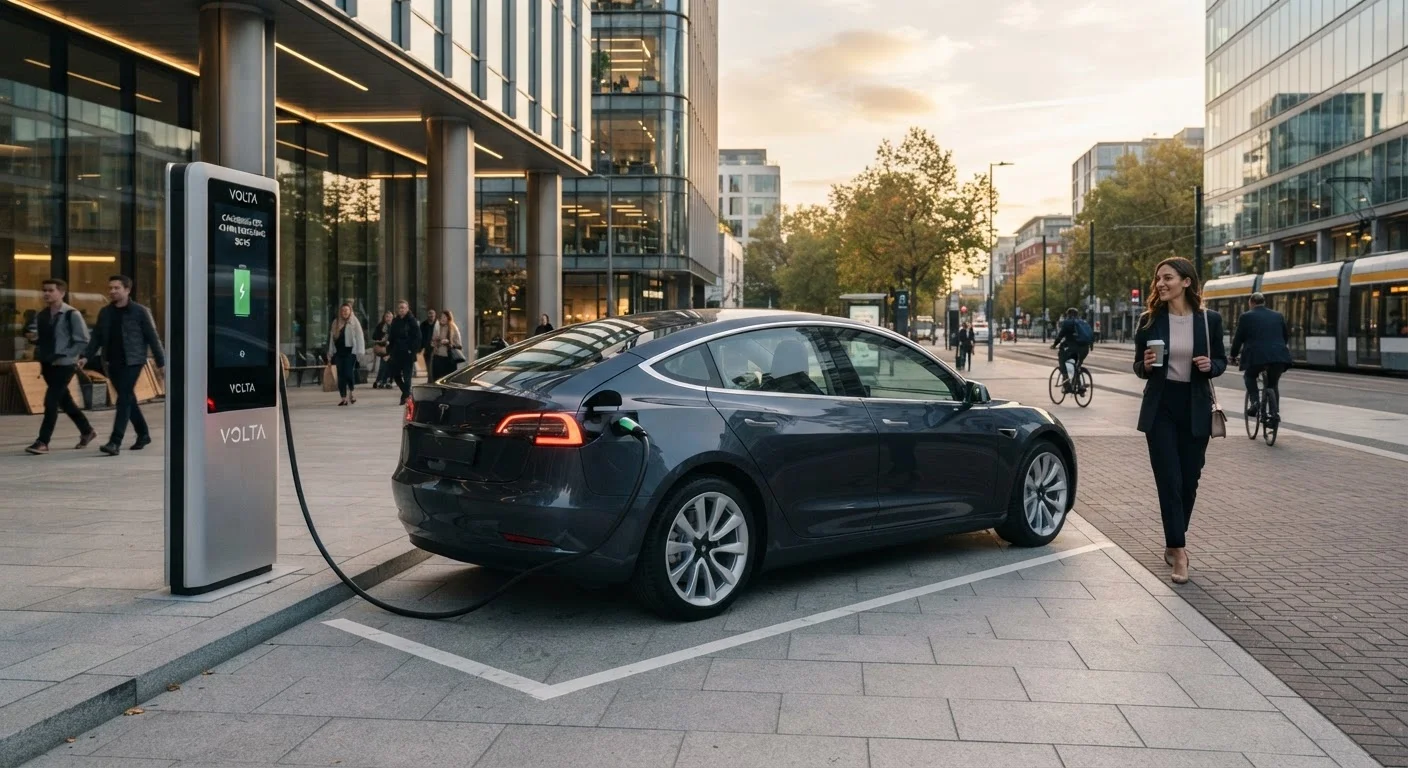
Two areas consistently trip up buyers who are new to electrified vehicles: home charging feasibility and battery warranty depth. On charging, the question isn't simply whether you have a garage - it's whether your electrical panel can support a Level 2 circuit without a costly upgrade, and whether your building permits installation at all. Our detailed guide to home EV charging walks through electrical requirements and installation considerations in full.
On warranty, manufacturers differ substantially. Some cover battery capacity loss below a defined threshold (often 70% of original capacity) for eight years or 100,000 miles - the federal minimum for EV batteries - while others offer more generous terms. Read the actual warranty document, not the summary on a product page.
Battery Warranty Terms Vary Widely
Federal law sets a minimum of eight years or 100,000 miles for EV battery coverage, but what constitutes a warrantable defect differs between manufacturers. Some will replace or repair a battery only if it fails to hold a charge at all; others cover measurable capacity degradation below a defined threshold. Request the warranty document in writing and confirm exactly what triggers a claim before you sign.
For conventional hybrid buyers, remember that adding an electric motor and a high-voltage battery to an internal combustion drivetrain means more components that can fail. Review what the powertrain warranty actually covers and consult our Parts Explained hub to understand what each system does before signing.
Don't Overlook Hybrid Mechanical Complexity
Conventional and plug-in hybrids combine a high-voltage battery system with a full internal combustion drivetrain - meaning you carry the maintenance obligations of both. Transmission fluid, timing components, exhaust systems, and engine-specific wear items remain in the picture. Budget accordingly and verify that qualified service is available in your area for the specific hybrid system used.