Why Remote Negotiation Shifts Leverage to the Buyer
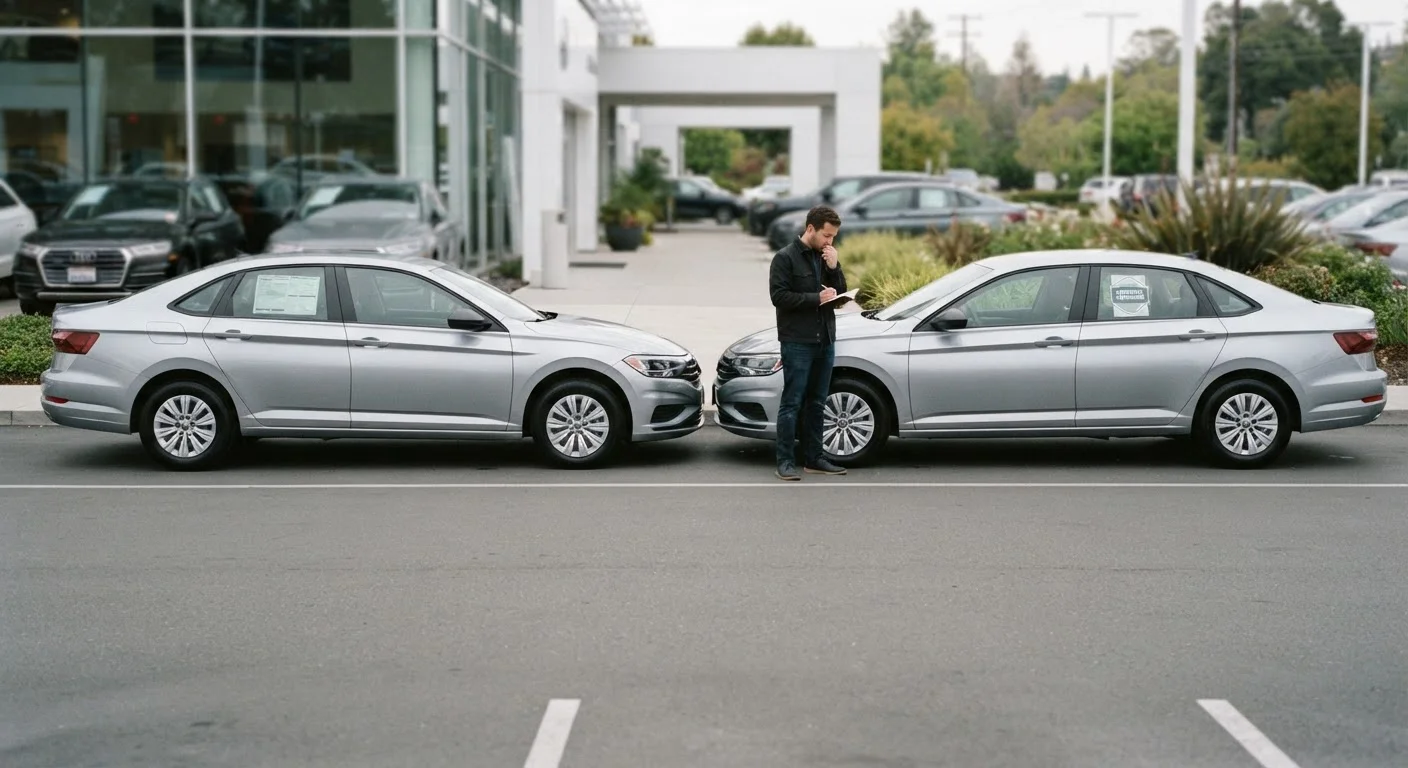
Walking onto a dealership lot hands the sales team a structural advantage: you're in their environment, on their schedule, surrounded by inventory designed to create urgency. Negotiating by email and phone dismantles most of that dynamic. You control the pace, you can research in real time, and you can compare offers side by side without a salesperson reading your body language.
Remote negotiation also works because dealers know that a buyer who has done enough homework to send a structured inquiry is likely shopping multiple stores. That competitive signal alone tends to produce more direct pricing conversations than cold walk-ins typically generate.
For a broader view of what you'll face once you do visit in person, see how dealership negotiations actually work - understanding the full process helps you know which battles to fight remotely and which to save for the lot.
What you will need
Building Your Remote Negotiation Setup
Effective remote negotiation isn't improvised - it requires specific inputs before you contact a single dealer. Gather the following before sending your first email.
Market Pricing Reference
Establishes the realistic transaction price range for your target vehicle so your opening offer is credible.
Out-the-Door Price Calculator
Combines vehicle price, taxes, registration, and dealer fees into a single comparable figure across dealers.
Dedicated Email Address
Keeps dealer communications organized and prevents personal inbox clutter from interfering with your records.
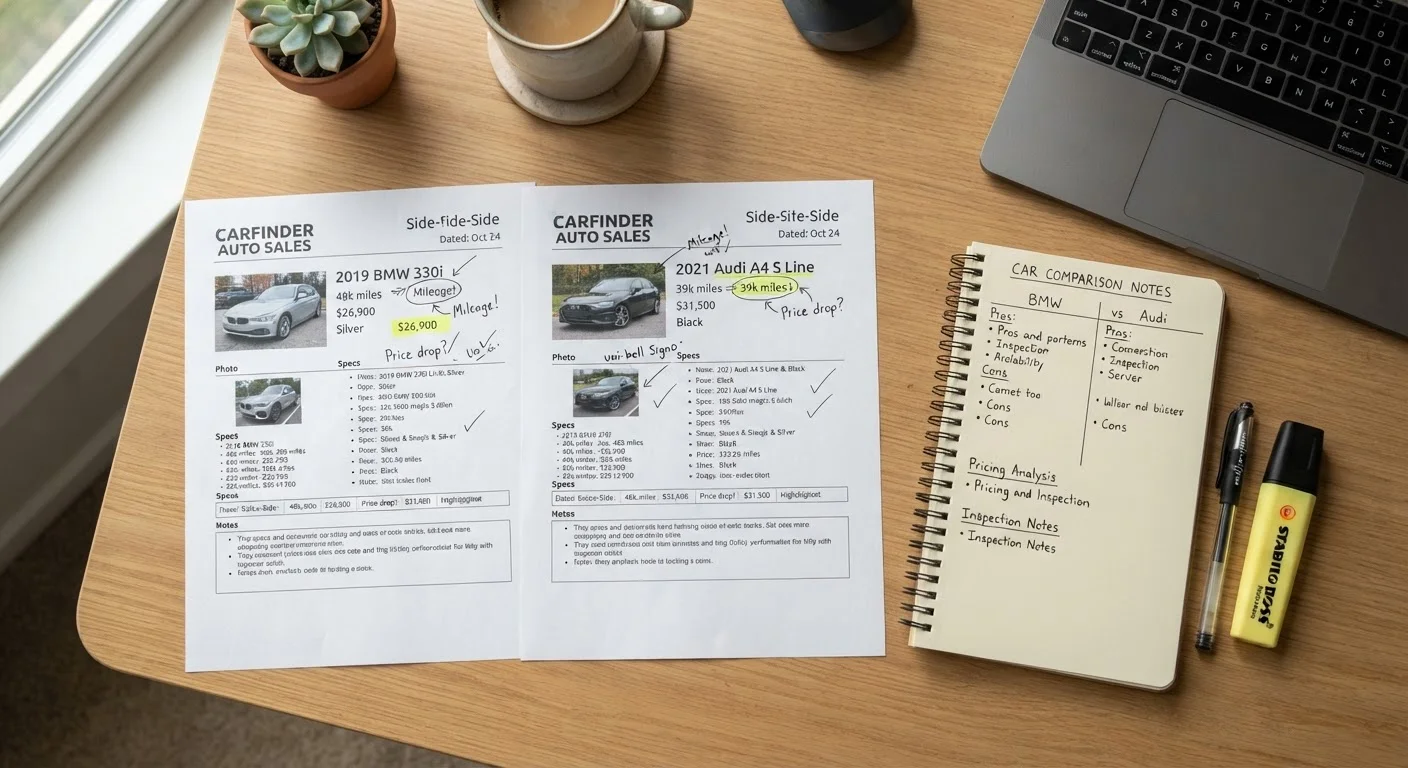
Spreadsheet or Comparison Document
Tracks each dealer's quoted price, fees, and response timeline side by side for easy comparison.
With your research in hand, cross-reference market pricing with dealer inventory listings. Note the exact stock number and VIN of the vehicle you want before you write. Specificity signals seriousness and prevents dealers from substituting a different vehicle into the conversation.
If you're also carrying a trade-in or evaluating financing, keep those threads separate. Mixing them into the opening email dilutes your leverage on the out-the-door price. Consult our guide on rates and loan terms separately so you understand what a fair financing package looks like before any dealer mentions one.
Step-by-Step: Email and Phone Strategies
Follow these steps in sequence. Each builds on the previous one to create competitive momentum.
Identify the Internet Sales Manager at Each Dealer
Bypass the general inquiry form. Search the dealer's website or call the main line to get the direct email address of the Internet Sales Manager or Fleet Manager. These roles are specifically structured for volume and efficiency - they're less likely to deflect with in-person visit requests than floor salespeople.
Target at least three to five dealers within a reasonable delivery radius to create genuine competition.
Send a Structured Opening Email With a Specific Price
Your email should be brief, specific, and anchored to a number. State: the exact vehicle (year, make, model, trim, stock number or VIN), that you are contacting multiple dealers, your specific target out-the-door price, and a deadline for response (48 hours is standard).
Example structure:
- Vehicle: [Year/Make/Model/Trim], Stock #XXXXX
- Target out-the-door price: $[Your researched figure]
- Decision timeline: I plan to finalize within 48 hours based on written responses received.
- Note: I am contacting several dealers and will move forward with the most competitive written offer.
Do not mention your trade-in, financing preference, or monthly payment target in this first email.
Evaluate Responses and Use Competition Transparently
When responses arrive, compare out-the-door figures - not just the vehicle price. Dealer documentation fees, dealer add-ons, and registration costs vary significantly and affect the true comparison. If one dealer offers a lower out-the-door total, it's appropriate to inform competing dealers: "I have a written offer at $X out the door - can you improve on that?"
You are not obligated to disclose which dealer made the offer, only the figure itself.
Use the Phone to Confirm, Not to Negotiate Blind
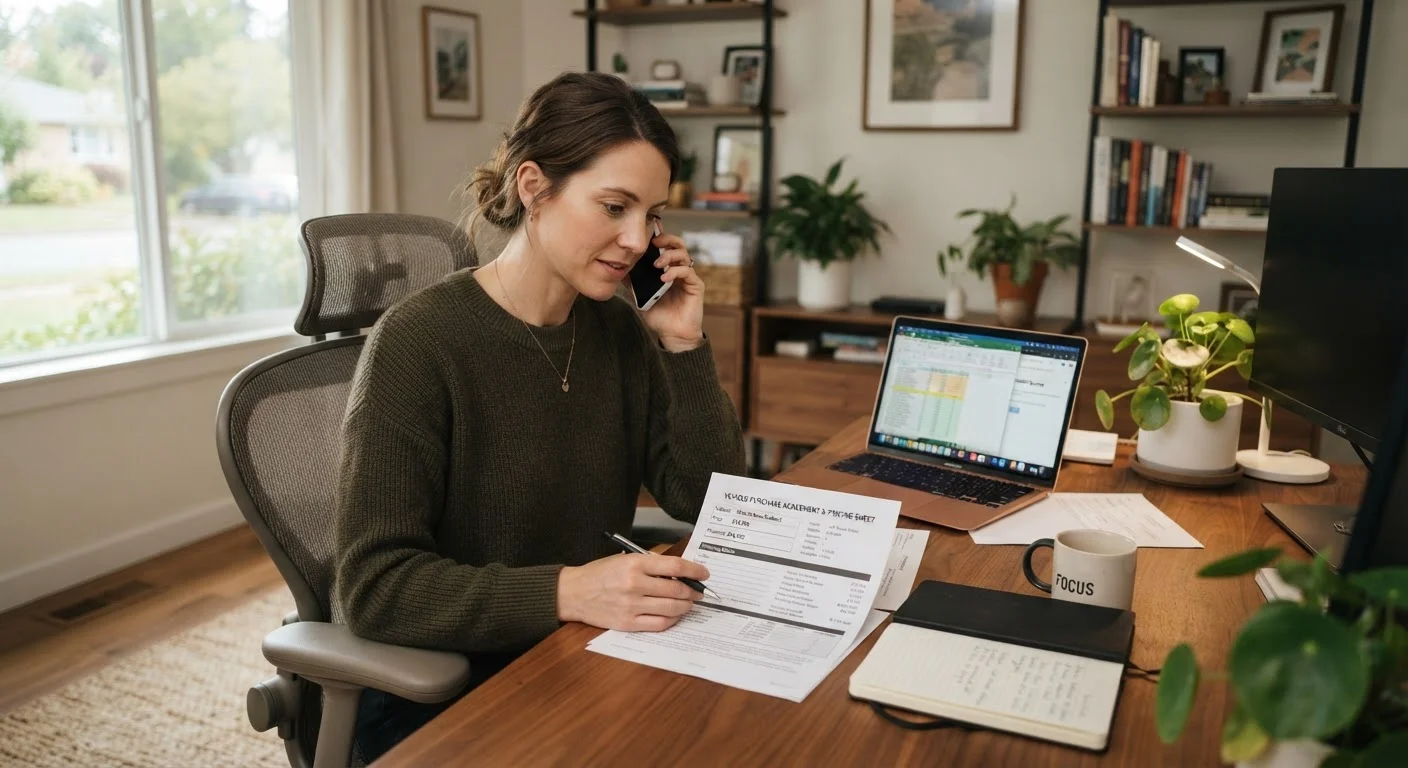
Once you have at least one written offer, a brief phone call can close remaining gaps. Call the dealer with the second-best offer and state clearly: "I have a written out-the-door offer at $X. If you can match or beat it in writing, I'll move forward with you today." Keep the call under five minutes and redirect any attempt to discuss monthly payments back to the total price.
Patience and silence are genuine tools here - after stating your position, let the silence work. See how silence and timing function in negotiation for the reasoning behind this approach.
Lock In the Deal in Writing Before You Visit
Before driving to any dealership to sign, obtain a written summary - email is sufficient - that confirms the agreed out-the-door price, any included accessories or warranties discussed, and confirmation that the specific vehicle (by VIN) is available and being held. This document becomes your reference if the finance office attempts to alter terms during the in-person visit.
Timing Your Outreach Can Help
Dealers tend to be more responsive to negotiation near the end of a month, when sales teams are working toward monthly volume targets. Sending your structured email inquiry during the final week of a month can increase the likelihood of receiving competitive responses, though this is never guaranteed and should not be your sole strategy.
Once you have a firm out-the-door price agreed in writing, review the full sequence described in car negotiation from first contact to final signature to understand what the finance office visit will look like and how to hold the line on your agreed terms.
Common Missteps and How to Avoid Them
Remote negotiation introduces its own failure modes. The most frequent: asking open-ended questions like "What's your best price?" This invites a non-committal answer and stalls the process. Always anchor with a specific number derived from your market research.
A second common error is revealing your timeline or emotional attachment. Phrases like "I need this by the weekend" or "This is exactly the color my partner wants" shift leverage back to the dealer. Keep your communications neutral and transactional.
Watch for Fee Inflation After Agreement
Some dealers accept your price target but recoup margin through inflated documentation fees, mandatory dealer add-ons, or "market adjustment" line items that appear only in the final contract. Always evaluate the complete out-the-door figure - not the vehicle price alone - and request an itemized breakdown before visiting.
For used vehicle negotiations, the dynamic differs meaningfully - pricing variability is wider and condition factors carry more weight. Our guide on negotiating for a used car covers those adjustments in detail. And before you set foot on any lot to close the deal, run through the pre-negotiation checklist to confirm your position is airtight.
This article is for general informational and educational purposes only. It does not constitute financial, legal, or personalized purchasing advice. Consult qualified professionals for guidance specific to your financial situation.