Use this checklist to review what your vehicle actually cost you this year — and identify where you might reduce expenses going forward.
Key Takeaways
Most owners underestimate true annual costs by omitting irregular expenses like tyres and registration.
Reviewing your insurance premium annually can surface savings without reducing coverage.
Loan interest paid over the year is a real cost many owners overlook when budgeting.
Fuel and maintenance are the two most controllable ongoing expense categories.
A completed audit gives you a defensible number to compare against your next vehicle purchase.
Why an Annual Cost Audit Matters
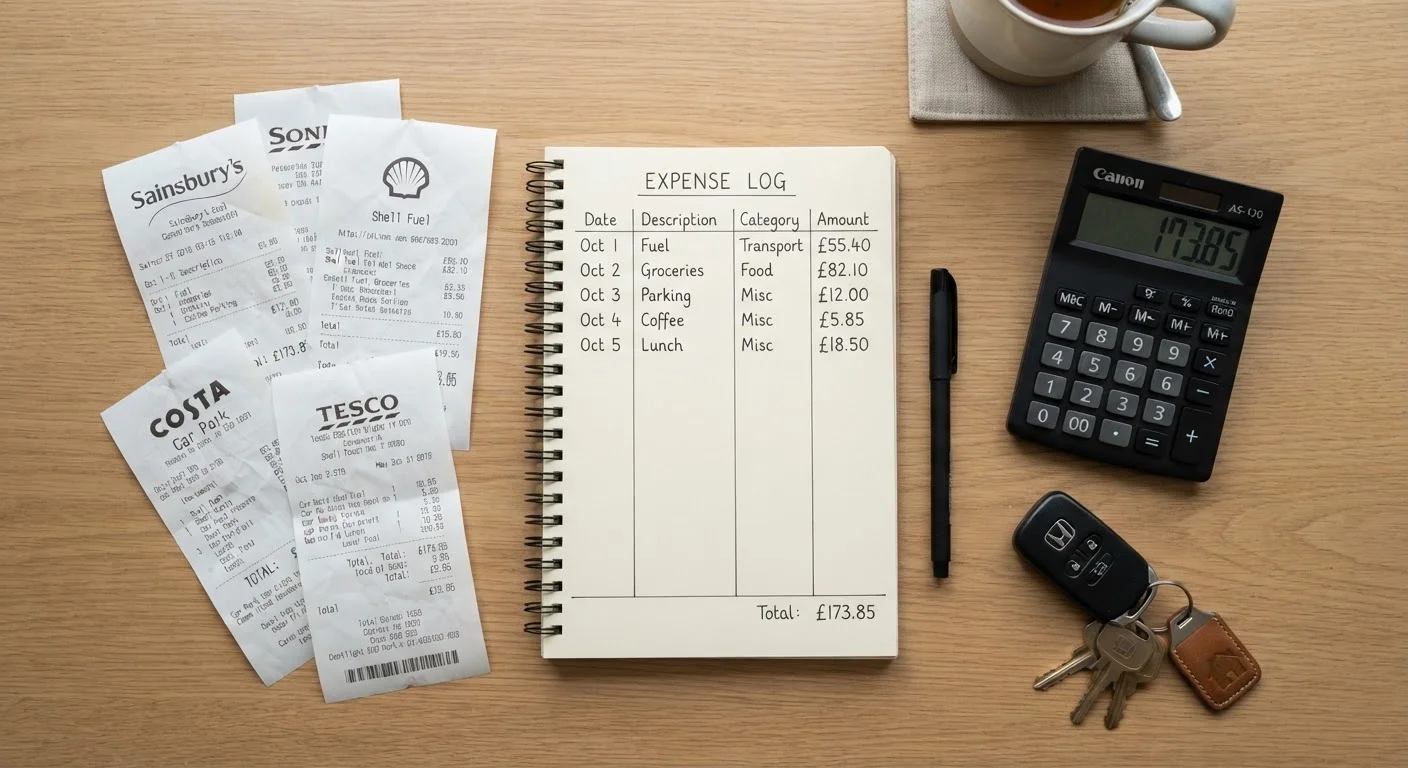
Most vehicle owners have a rough sense of what their car costs - loan payment, insurance, fuel - but that mental tally typically misses the irregular and easy-to-forget expenses that can push the true annual figure significantly higher. An annual audit pulls everything into one place so you're working with reality, not estimates.
This checklist is built around six expense categories that together capture the full financial picture of owning and operating a vehicle. Work through each section, enter your actual figures from bank statements, receipts, or your insurer's portal, and total them at the end. The result is a number you can use to evaluate whether your current vehicle makes financial sense - and to compare honestly against alternatives.
Add up every loan payment made during the year and separate principal repaid from interest paid - interest is a pure cost.Must
Estimate your vehicle's current market value using publicly available valuation tools and subtract it from last year's value to calculate depreciation.Must
If you lease, total all monthly payments and any fees paid during the year; note the residual value versus current market value.Must
Review your loan's remaining term and interest rate - if rates have shifted, refinancing may be worth investigating through your lender. See the rates and terms hub for context on how loan terms affect total cost.Should
Insurance
Total all insurance premiums paid in the year, including any mid-term adjustments or additional riders.Must
Note any claims made and calculate the effective cost net of any deductible paid out of pocket.Must
Compare your current coverage levels against your vehicle's current market value - as a vehicle depreciates, comprehensive and collision coverage thresholds may warrant review.Should
Fuel & Energy
Calculate total fuel spend by reviewing card statements or fuel-tracking app records for the full year.Must
Divide total miles driven by total fuel consumed to confirm your real-world efficiency - compare this to the vehicle's rated figure.Should
If you drive an electric or plug-in hybrid vehicle, total charging costs including any home electricity usage attributed to the vehicle.Should
Routine Maintenance
Gather all service receipts from the year and total the cost of oil changes, filter replacements, fluid top-ups, and scheduled inspections.Must
Verify that all manufacturer-recommended service intervals were met; missed services can void warranties and compound future costs.Must
Log tyre-related expenses separately - purchase, fitting, balancing, and rotation - as tyre costs are frequently underestimated over a vehicle's life.Should
Check whether any remaining warranty coverage applies to upcoming services and note expiry dates.Nice to have
Unplanned Repairs
Total all repair invoices outside your scheduled maintenance - this figure is your unplanned repair exposure for the year.Must
Categorise repairs as wear-related (brakes, belts) versus fault-related (electrical, mechanical failures) to understand the nature of your vehicle's reliability profile.Should
Note any recurring issues that required multiple visits - persistent faults may signal a larger underlying problem worth evaluating.Should
Registration, Taxes & Fees
Record all government fees paid during the year: registration renewal, emissions or safety inspection fees, and any local surcharges.Must
Include parking permit costs, toll account charges, and any traffic fines paid during the year.Should
Note next year's registration renewal date and projected fee so it can be budgeted in advance.Nice to have
What to Do With Your Results
Once you've totalled each category, divide the annual figure by your annual mileage to calculate a cost-per-mile number. This single metric is useful for comparing the true expense of your current vehicle against what ownership of a different vehicle might look like.
Depreciation Is a Real Cost Even If You Don't See It
Many owners focus on out-of-pocket expenses and overlook depreciation - the reduction in a vehicle's market value over time. Depreciation is typically the single largest annual cost component for newer vehicles, and it is just as financially real as a loan payment. Include it in your total to avoid understating what your vehicle is actually costing you.
Look for categories where your actual spending exceeded what you budgeted at the start of the year. Tyres, unexpected repairs, and registration fees are the most common surprises - and they're explored in more depth in our tyre cost reference for long-term owners and the broader vehicle running costs reference guide.
For strategies to reduce costs in the categories where you're overspending, the principles for keeping long-term ownership costs under control covers evidence-based approaches that apply across vehicle types. Routine upkeep remains one of the highest-leverage levers - a consistent schedule from our seasonal maintenance checklist prevents the expensive repairs that inflate annual totals.
This article is for general informational and educational purposes only. It does not constitute personalised financial advice. For decisions specific to your circumstances, consult a qualified financial professional.
Car Buying Basics Editorial Team is the collective byline for our editorial team and contributor network. Articles published under this byline or an editorial pen name are researched, written, and reviewed according to our editorial standards for clarity, consistency, and independence before publication.
The content on this site is for informational purposes only and is not a substitute for professional advice. Always consult a qualified professional for guidance specific to your situation.