Why Seasonal Maintenance Matters
Most vehicle failures don't happen without warning - they develop gradually through overlooked wear, aging fluids, and components pushed past their service limits. Running a structured check at each season transition gives you a regular opportunity to catch those issues early, when they're typically cheaper and simpler to address.
Temperature swings, precipitation changes, and shifting driving demands each place different stresses on your vehicle. A car well-prepared for summer heat may need significant attention before winter arrives. This checklist is organized by season so you can work through it methodically at each transition. Pair it with your owner's manual guidance for mileage-based intervals specific to your vehicle.
If you drive an RV or camper, many of these principles apply, though the systems involved are more extensive. The full-year RV maintenance calendar covers that platform in greater depth.
Know Your Limits Before You Start
Several items on this checklist - including brake inspection and cooling system work - involve safety-critical components. If you're not confident performing a task, have it inspected by a qualified mechanic rather than skipping it. An incomplete inspection can create a false sense of security. Always work with the vehicle on level ground, engine off and cooled, with the parking brake engaged.
Tools and Resources You'll Need
Before starting, gather the items below. Having them on hand prevents interruptions mid-inspection and ensures you can perform basic checks accurately rather than guessing.
Tire pressure gauge
Accurately measure tire pressure at each seasonal check to match the vehicle's door jamb spec.
Battery tester or load tester
Assess battery health and cold cranking capacity, especially before fall and winter.
Coolant refractometer or test strips
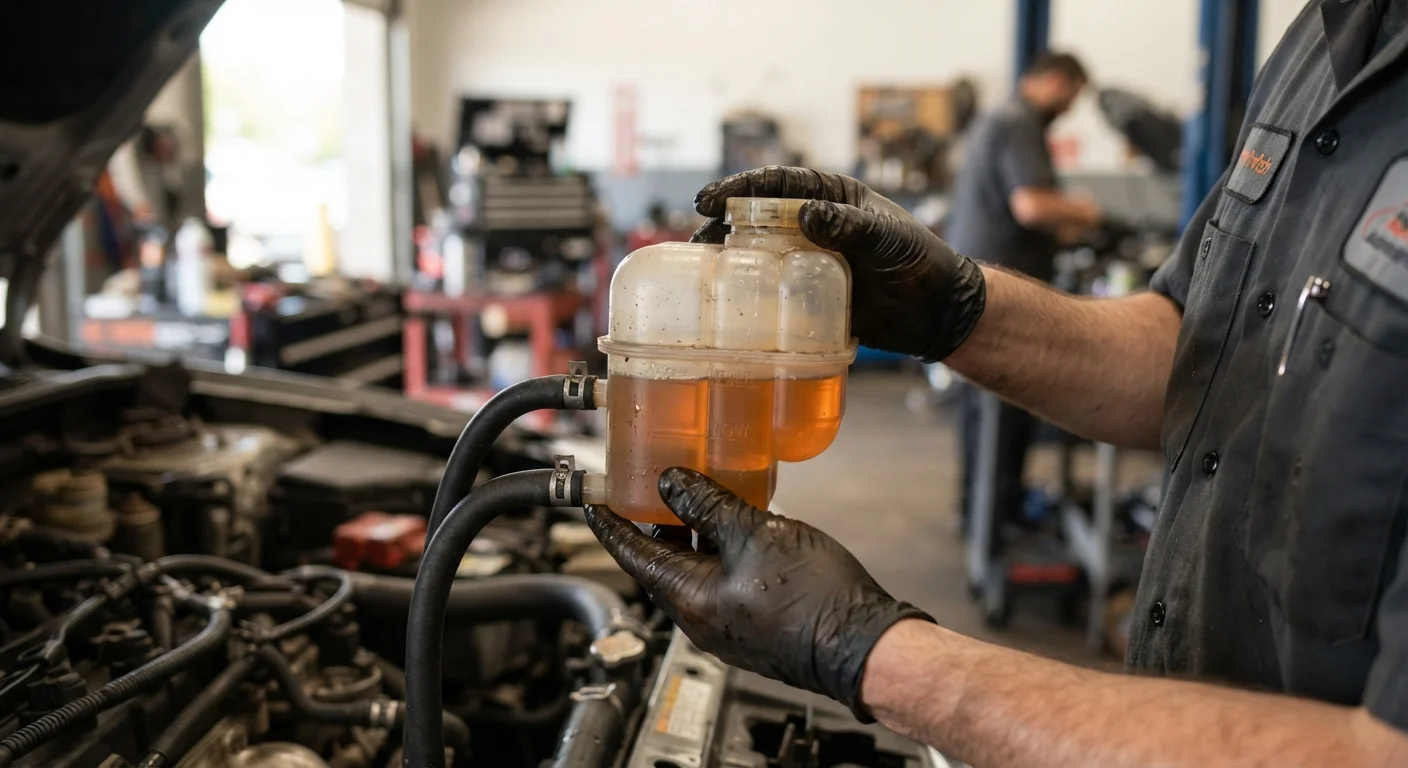
Verify antifreeze concentration and freeze protection level appropriate for your climate.
Tread depth gauge
Measure tire tread depth precisely rather than relying on visual estimates.
Flashlight or work light
Illuminate the engine bay, undercarriage, and tight spaces during inspection.
Service logbook or maintenance app
Record inspection dates, measurements, and actions taken for each seasonal check.
For a deeper overview of workspace setup and job sequencing, see our complete DIY vehicle maintenance guide.
The Seasonal Checklist
Work through these groups at each season change. Items marked must are non-negotiable for safe operation. Should items are strongly recommended. Nice-to-have items improve reliability and resale value but can be deferred if time is short.
Spring Transition
Summer Readiness
Fall Preparation
Winter Check-In
For components that don't appear on every seasonal checklist - PCV valves, cabin air filters, wheel bearings - see part replacement intervals most owners overlook.
Brake and Tire Checks Are Non-Negotiable
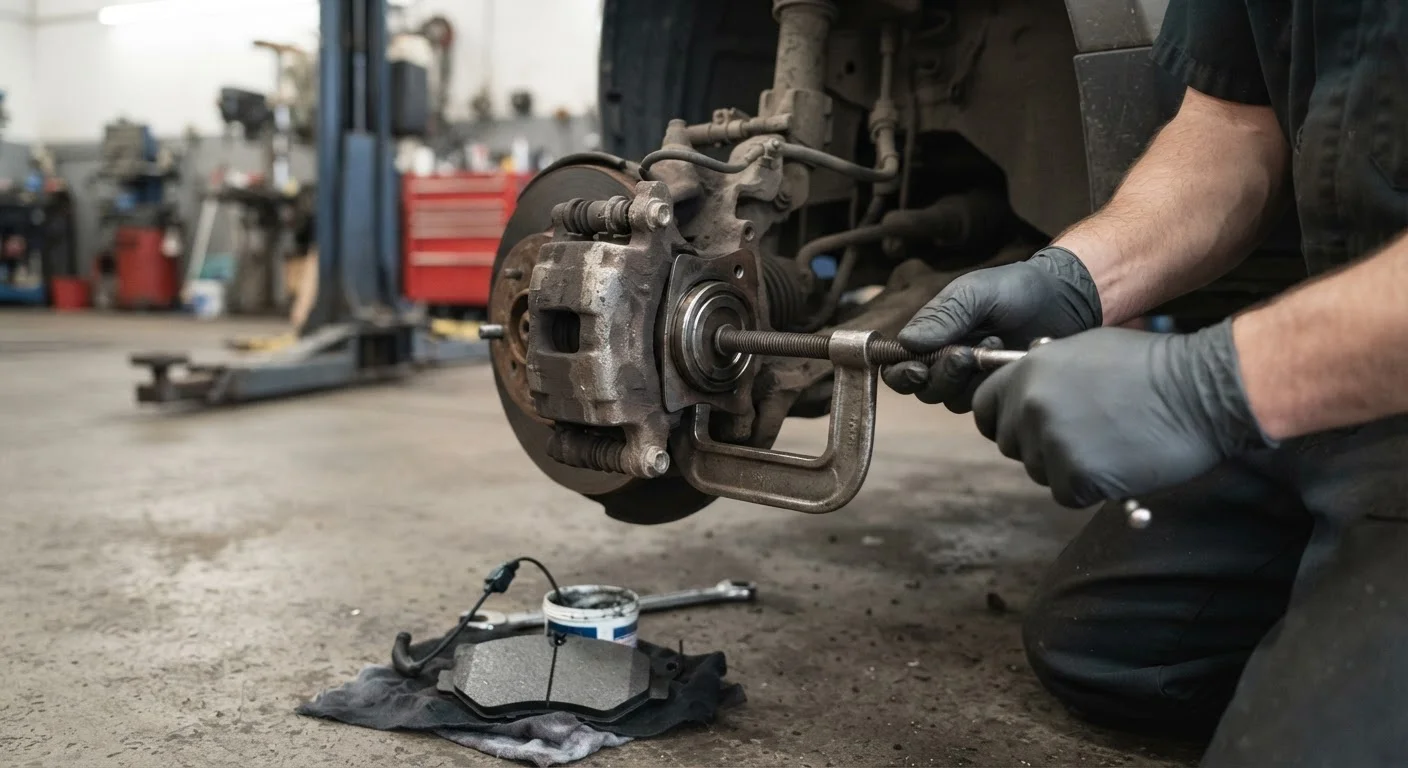
Tires and brakes are your vehicle's primary safety systems. Never defer an inspection of either if you notice warning signs: pulling to one side, vibration under braking, low tread, or unusual tire wear patterns. These symptoms warrant immediate professional evaluation, not a note to check next season.
Logging What You Find
A seasonal checklist is only as useful as the records it generates. Document each check you perform - the date, mileage, what you inspected, any measurements (tire tread depth, fluid levels), and what action you took or deferred. Over time, this log reveals patterns: a battery that's weakening year over year, brake pads that wear faster than expected, a slow coolant loss you might otherwise miss.
A well-maintained service history also has real-world financial value. Learn how to structure yours effectively in building a personal maintenance log and why it pays off at resale. And if you want to quantify what your vehicle is actually costing you annually, run it alongside the annual car ownership cost audit.
This checklist is intended for general informational purposes. Maintenance requirements vary by vehicle make, model, year, and operating conditions. Always consult your vehicle's owner's manual and, where tasks involve safety-critical systems, a qualified mechanic.