What Each Approach Actually Means
Preventive maintenance is the practice of servicing a vehicle on a scheduled basis - oil changes, filter replacements, fluid flushes, brake inspections, and similar tasks - before a component fails. Intervals are typically defined by mileage, time, or operating conditions, and are published in a vehicle's owner's manual or OEM (original equipment manufacturer) service documentation.
Reactive repair, by contrast, means addressing a problem after it has already manifested: a warning light, a noise, a fluid leak, or a complete failure. Some owners adopt this posture deliberately to avoid spending money on parts that haven't yet caused trouble; others arrive at it by default through deferred maintenance.
In practice, most owners operate somewhere on a spectrum between these two poles. Understanding the trade-offs helps you make a deliberate choice rather than a passive one. For a broader look at how maintenance habits interact with long-term costs, see our guide to controlling ownership costs.
The Case for Preventive Maintenance
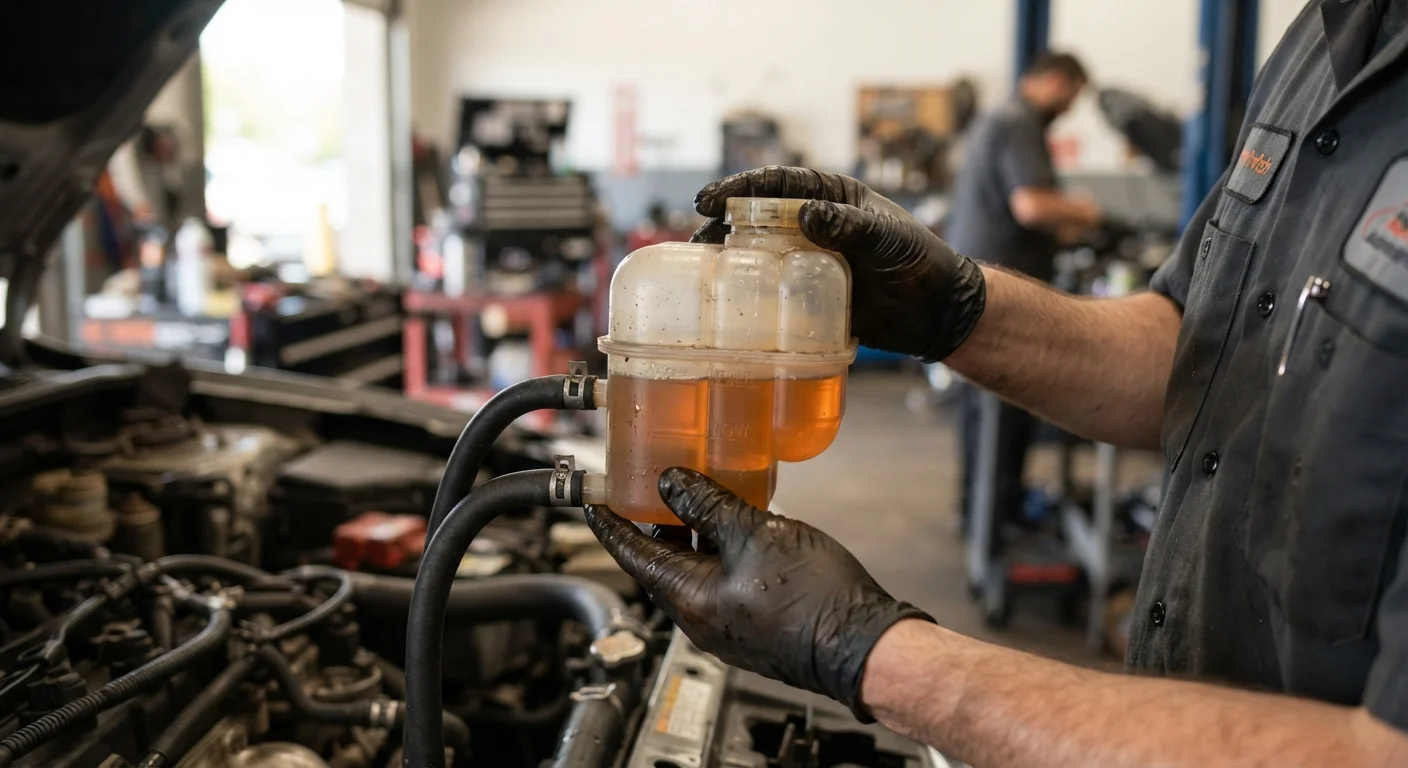
The core argument for scheduled upkeep is that small, predictable expenses prevent large, unpredictable ones. A worn serpentine belt caught during a routine inspection costs a fraction of the towing fee, labor, and ancillary damage that results if the belt snaps on the highway. The same logic applies to coolant flushes preventing corrosion inside the cooling system, or transmission fluid changes slowing clutch pack wear.
Catches small problems before they escalate
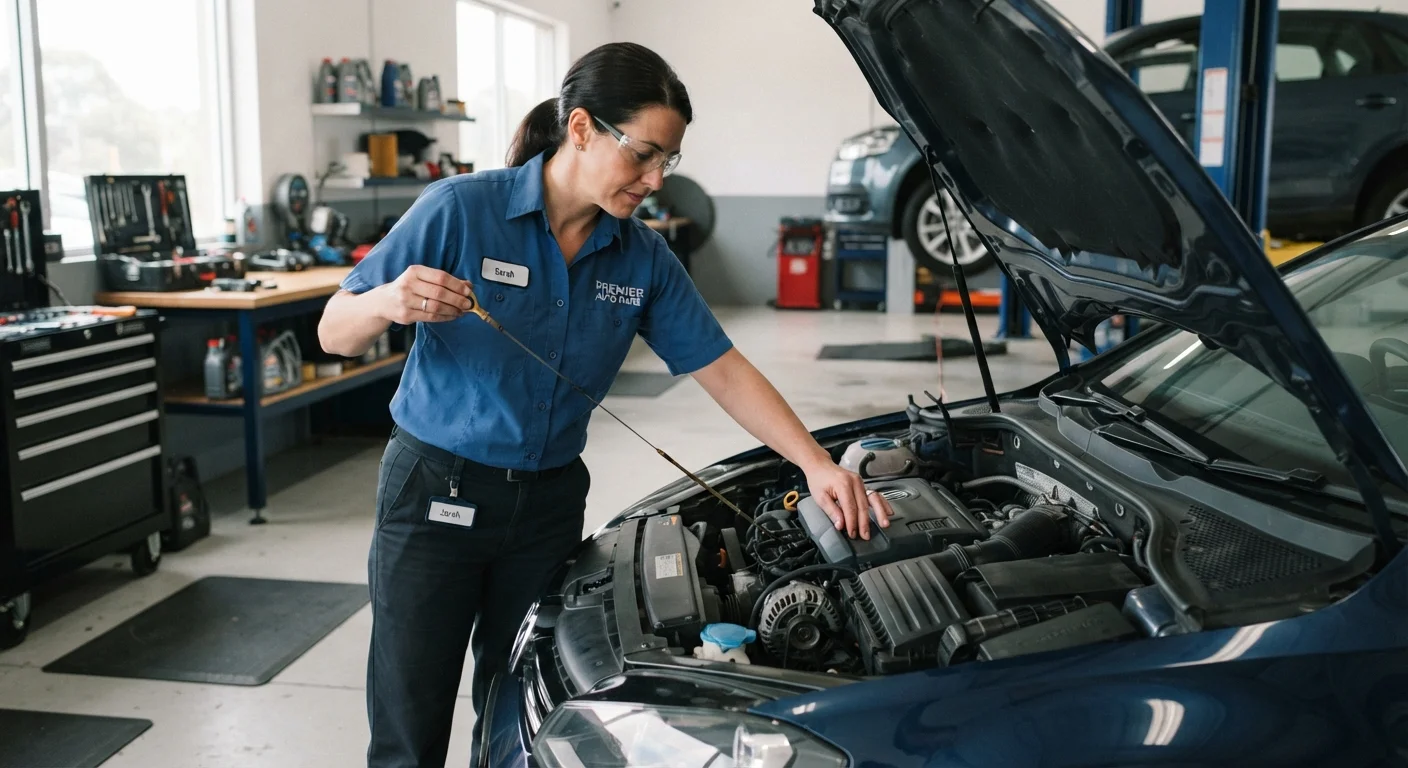
Routine inspections surface worn belts, low fluids, and marginal brake components early, when repair costs are lowest and secondary damage hasn't yet occurred.
Reduces likelihood of unexpected breakdowns
Vehicles maintained on OEM schedules are less likely to experience sudden failures, which matters most for daily drivers and vehicles used in remote or high-demand conditions.
Supports and often preserves resale value
A documented service history is a concrete signal to buyers and appraisers that the vehicle has been responsibly maintained, typically translating to stronger sale prices.
Lower average cost per repair incident over time
Although preventive services require consistent spending, they avoid the much higher per-incident costs associated with emergency repairs and cascading component failures.
Predictable budgeting across the ownership period
Known service intervals allow owners to anticipate and budget for maintenance expenses, reducing the financial shock of large, unplanned repair bills.
There is also a compounding reliability effect. Vehicles maintained to OEM intervals tend to develop fewer cascading failures - situations where one neglected component damages adjacent parts. This is especially relevant for RVs and campers, where a failure far from home carries significant consequence. The RV maintenance hub covers interval-specific guidance for that vehicle class.
Documented preventive maintenance also protects resale value. A verifiable service history is one of the most reliable signals a used-vehicle buyer can act on, and gaps in that record tend to discount a vehicle's perceived value regardless of its actual condition.
The Case (and Limits) of Reactive Repairs
Reactive repair is not always irrational. For a vehicle with very low remaining market value, spending several hundred dollars on preventive services may not make financial sense if the vehicle is unlikely to be driven long enough to benefit. Some components - particularly those with highly variable lifespans - are also more cost-effectively replaced on failure than on a fixed schedule.
Upfront costs even when nothing is visibly wrong
Scheduled services require spending money on parts and labor before a failure occurs, which can feel counterintuitive when the vehicle appears to be running normally.
Risk of unnecessary service on long-lived components
Some parts - particularly those with highly variable lifespans - may be replaced on schedule before they've actually reached end-of-life, representing avoidable cost.
Time investment and access to qualified service
Keeping a vehicle on schedule requires booking appointments, sourcing parts, or finding qualified mechanics - a real constraint for owners in rural areas or with demanding schedules.
Reactive repairs can be appropriate for low-value vehicles
When a vehicle's market value is very low, the cost of preventive services may approach or exceed what the vehicle is worth, making scheduled upkeep financially questionable.
Emergency repairs are unpredictable and often expensive
Reactive strategies mean failures happen without warning, often requiring towing, expedited parts, and higher labor costs than a planned shop visit would involve.
Secondary damage compounds repair costs quickly
A single neglected component - such as a failing water pump - can damage belts, hoses, and the engine itself, turning a moderate repair into a major one.
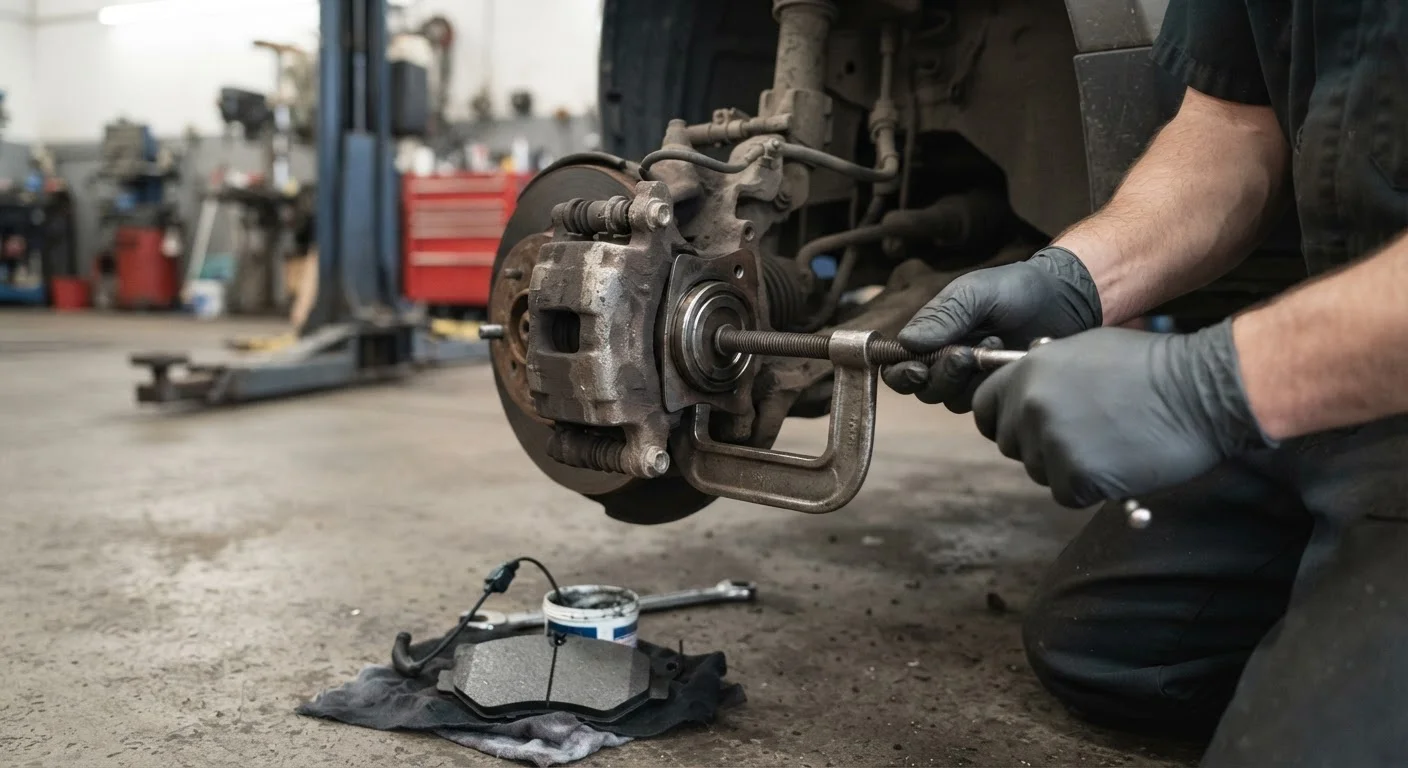
The practical problem is that reactive strategies are inherently unpredictable. Emergency repairs tend to happen at inconvenient times, may require expedited parts sourcing, and often reveal secondary damage that a timely inspection would have caught early. A seized caliper caused by neglected brake fluid is a straightforward example: the fluid service is inexpensive; the caliper, rotor, and labor are not.
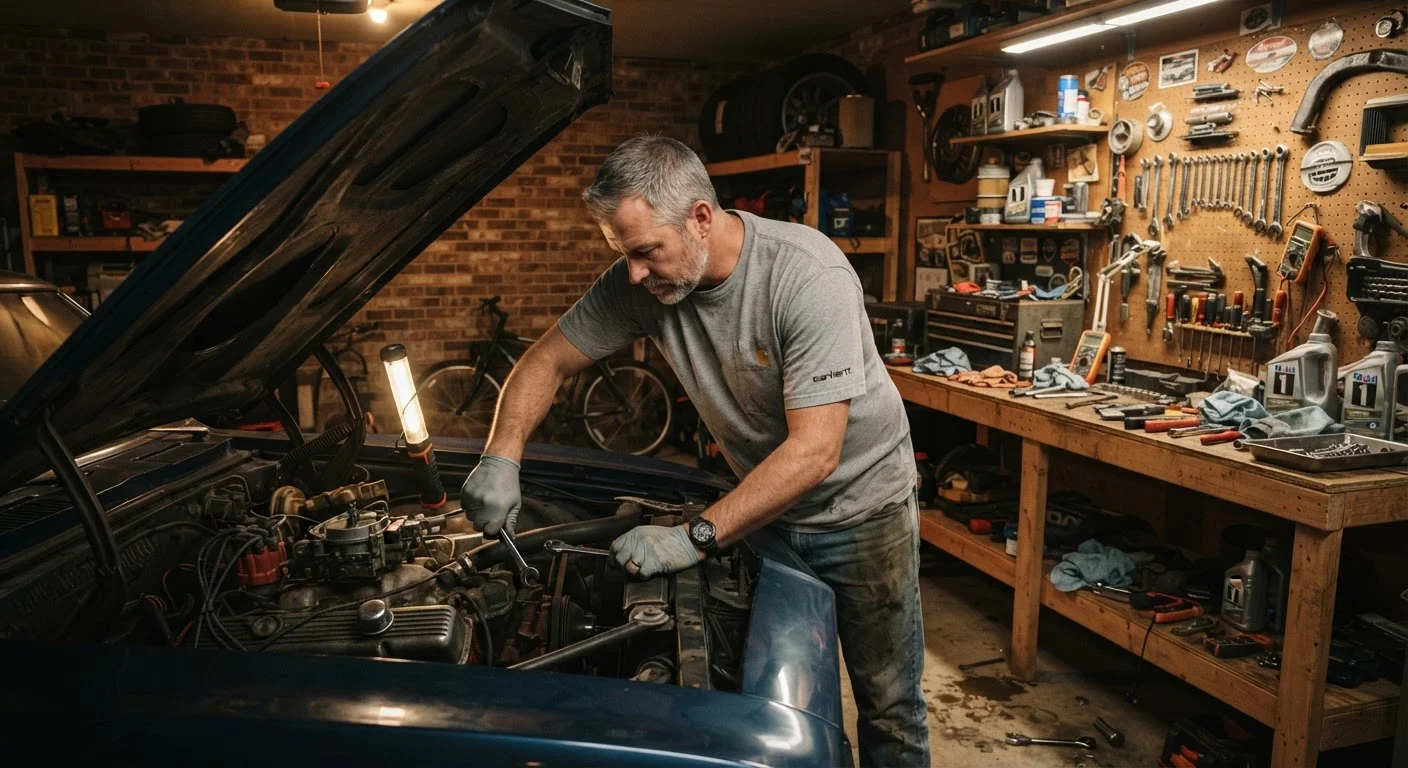
Deferred maintenance feels like a saving in the short term, but the evidence from common repair patterns suggests costs compound over time. If you do undertake your own reactive repairs at home, understanding where DIY has genuine limits is important before starting.
~$100
Typical cost of a serpentine belt replacement
Industry repair estimates consistently show a serpentine belt service costs a fraction of the towing and labor charges that result from a highway failure.
3-5×
Cost multiplier for neglected fluid-related failures
Automotive service data suggests components like transmissions and cooling systems damaged by neglected fluid maintenance can cost three to five times more to repair than the fluid service itself.
Making a Deliberate Choice for Your Vehicle
The decision isn't binary. A practical framework starts with your vehicle's owner's manual: OEM service schedules represent the manufacturer's tested recommendations and are the most reliable starting point. From there, adjust for your actual operating conditions - short-trip city driving, towing, or extreme temperatures all qualify as 'severe service' in most manuals and shorten recommended intervals.
Tracking what you spend and when is essential to knowing whether your current approach is actually working. A well-kept repair log lets you identify patterns, spot repeat failures, and present a credible service history when you eventually sell. For a direct comparison of fixed-schedule service plans versus ad-hoc repairs, this breakdown of scheduled versus pay-as-you-go maintenance walks through the financial trade-offs in detail.
When a Shop Visit Is the Right Call
Some maintenance tasks - brake hydraulic work, timing belt or chain replacements, and anything involving the fuel or emissions system - carry meaningful safety or regulatory implications if performed incorrectly. For these jobs, a qualified mechanic with the appropriate tools and diagnostic equipment is the appropriate choice, regardless of your general DIY comfort level. Owner's manual guidance and local inspection requirements are your reference points for what qualifies as safety-critical.
No maintenance strategy eliminates all failures - components wear and circumstances vary. The goal is to reduce the frequency, severity, and unpredictability of those failures, and to make informed decisions about when a shop visit is warranted versus when an owner can safely handle a task themselves.