What Classic Car Ownership Actually Means
Classic car ownership in America is rarely a single thing. For some enthusiasts it is active stewardship - maintaining a piece of automotive history for the next generation. For others it is a creative outlet, a competitive pursuit, or simply the pleasure of driving a machine built in a fundamentally different era. What unites these motivations is a shared understanding that a classic vehicle demands more than a modern car does: more attention, more patience, more specialist knowledge, and frequently more money.
The term classic itself carries legal and cultural meanings that vary by context. Many states recognize vehicles 25 years or older for special registration or reduced-fee plates, while collector organizations such as the Classic Car Club of America (CCCA) apply stricter criteria tied to specific marques and production years. Understanding which definition applies to a particular vehicle matters for insurance eligibility, emissions exemptions, and participation in sanctioned events.
Classic vs. Antique vs. Vintage: Terminology Varies
The terms classic, antique, and vintage are used inconsistently across state DMVs, insurance carriers, and collector organizations. Always confirm which definition applies to your specific vehicle in your jurisdiction before relying on associated benefits such as reduced registration fees, emissions exemptions, or mileage-limited insurance programs.
Ownership also carries an implicit custodial responsibility. Rare body stampings, matching-numbers drivetrains, and original interior trim cannot be reproduced once lost. That awareness - absent from most modern vehicle transactions - is what separates enthusiast ownership from ordinary transportation.
Acquisition Philosophy: Finding the Right Candidate
The single most consequential decision in classic car ownership is the acquisition itself. Experienced collectors consistently counsel that the condition and documentation of a vehicle at purchase determines the trajectory of every dollar and hour spent afterward. A well-preserved driver-quality example bought at fair market value will almost always deliver more satisfaction than an ambitious project acquired at a discount.
Before committing to a purchase, buyers should define their intended use with specificity: daily or seasonal driving, concours (high-level judged show) competition, occasional rallies, or passive storage as a portfolio asset. Each use case implies a different acceptable condition grade, a different restoration scope, and a different risk tolerance for undisclosed mechanical issues.
Always request a Vehicle Identification Number (VIN) decode and compare it against a marque-specific production database before any serious negotiation. Mismatched stampings are among the most common indicators of a rebuilt or re-bodied car represented as original.
Numbers-matching authenticity is a primary value driver in the collector market; errors here are extremely costly to correct after purchase.
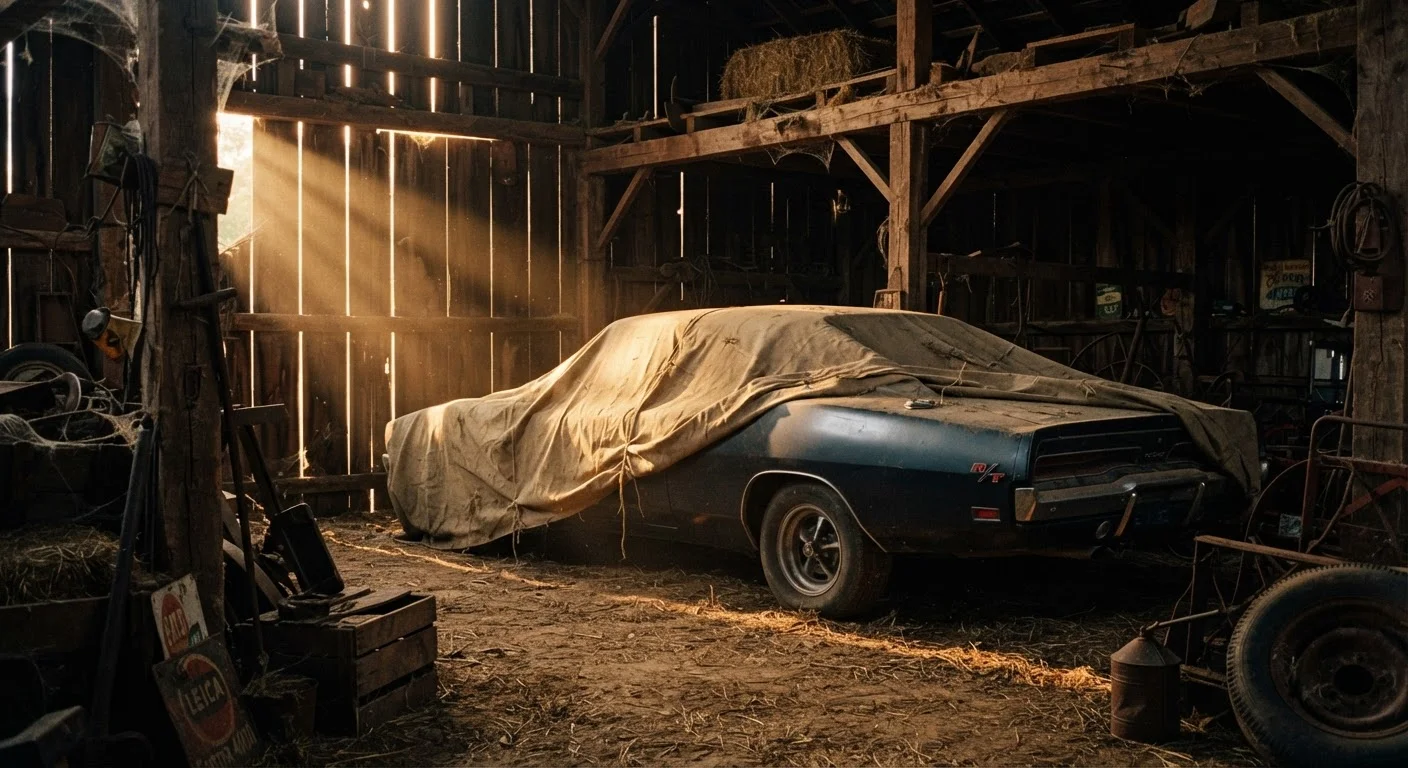
When evaluating a project car, obtain three independent labor estimates from marque-experienced shops before factoring restoration cost into your offer price. Optimism bias is pervasive in self-assessed project estimates.
Post-purchase cost overruns are the single most cited source of regret among first-time classic car buyers, according to community survey data from enthusiast registries.
Pre-purchase inspection by a marque-specialist mechanic - not a general technician - is non-negotiable for any transaction above a few thousand dollars. Hidden rust in structural sections, non-original replacement panels, and undisclosed accident repairs are the most common sources of post-purchase financial distress. See our end-to-end restoration and value guide for a systematic approach to assessing condition before committing.
Provenance - the documented chain of ownership, factory build records, and period photographs - has become an increasingly decisive factor at auction and in private sales. Our guide on documenting a classic car's history explains what records collectors value most and how to preserve them.
The Real Costs of Ownership
$1.98B+
Annual US collector car auction sales volume
Hagerty's annual market report has tracked total North American collector car auction sales consistently exceeding this figure in recent years.
25 years
Common state threshold for classic vehicle registration
Most US states define a vehicle as a classic or antique for registration purposes once it reaches 25 years of age, though exact rules vary by jurisdiction.
40%+
Share of restoration budgets often spent on bodywork alone
Industry estimates from marque restoration specialists consistently indicate metalwork and paint account for the largest single cost category in full restorations.
Purchase price is only the entry point. Informed buyers account for a broader set of recurring and unpredictable expenses before acquisition. Storage is among the most underestimated: a climate-controlled, secure facility in a major US metropolitan area can cost between $200 and $600 per month, and unsuitable storage is one of the leading causes of deterioration in otherwise sound vehicles.
Specialty insurance through carriers experienced with collector vehicles is structurally different from standard auto policies. Agreed-value coverage - which pays a predetermined amount in the event of a total loss rather than depreciated market value - is the appropriate instrument for most collectible vehicles. Premiums vary significantly based on vehicle value, annual mileage allowance, and storage conditions.
Mechanical upkeep presents its own calculus. Parts availability ranges from abundant (for popular domestic marques with active reproduction industries) to critically scarce (for low-volume imports or niche domestic models). Labor rates at shops with genuine marque expertise often exceed general repair rates by a meaningful margin. The true long-term costs of vehicle ownership hub provides a useful structural framework for budgeting these variables honestly.
Budget Overruns Are the Rule, Not the Exception
Restoration estimates prepared before disassembly are inherently speculative. Hidden rust, incorrect prior repairs, and discontinued parts routinely push final costs 30-100% above initial projections. Treat any pre-purchase restoration estimate as a floor, not a ceiling, and ensure your acquisition price reflects that uncertainty.
Restoration costs, when they arise, are notoriously difficult to cap. A competent body-off restoration of a mid-grade American muscle car can easily exceed $50,000 in skilled labor alone before parts are considered. The restoration and value hub explores how different restoration choices affect long-term market position.
Show Culture and Community
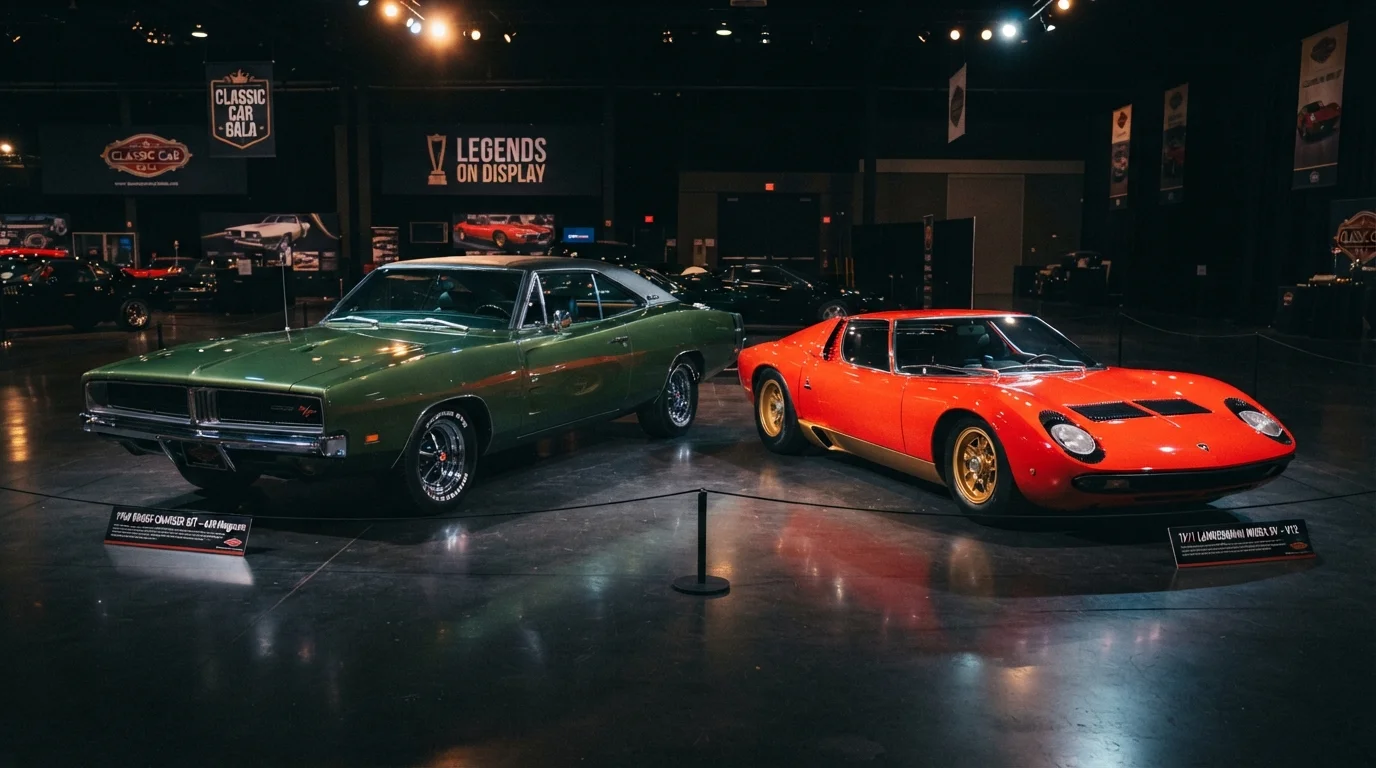
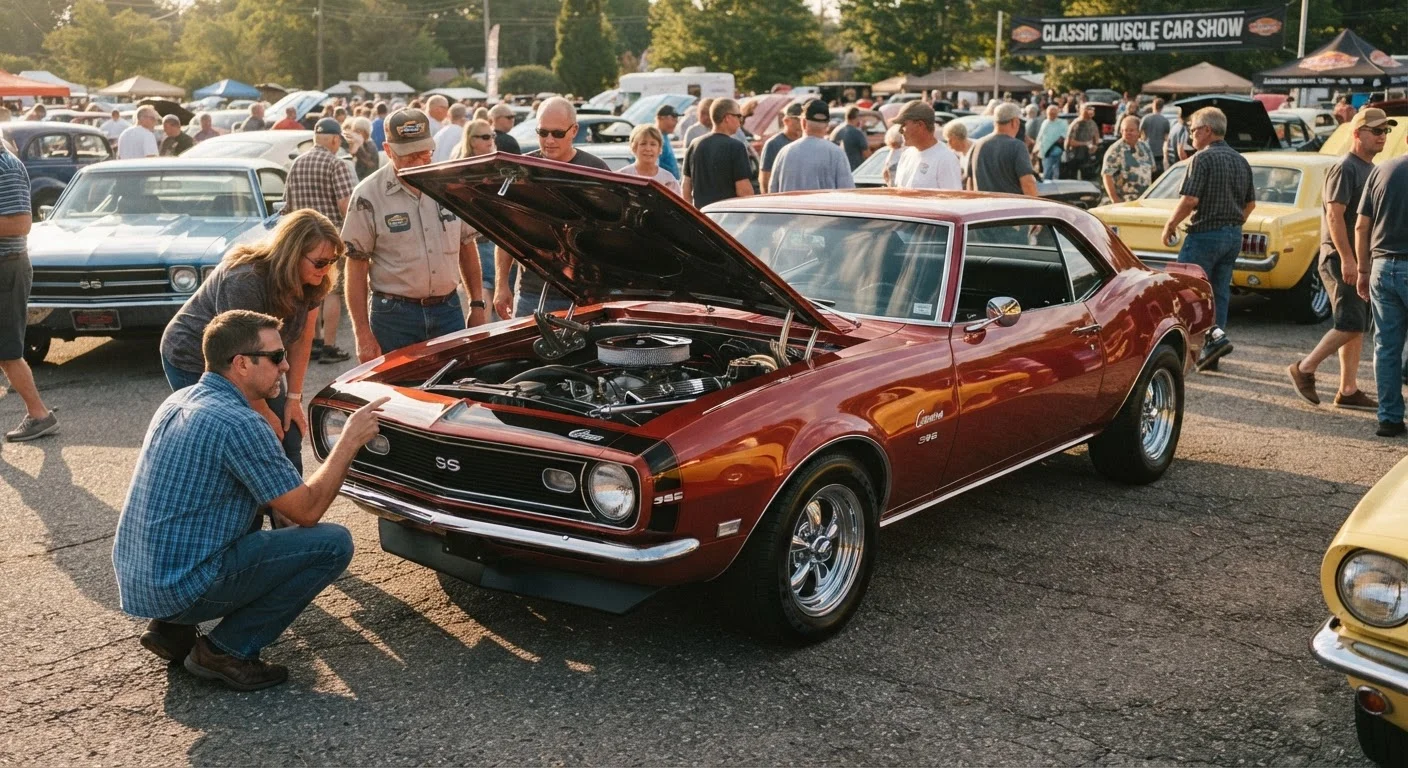
Organized show culture is one of the most visible expressions of classic car enthusiasm in the United States, ranging from informal weekly cruise nights to internationally recognized concours events judged to fractions of a point. Understanding the culture's internal structure helps newcomers navigate it productively.
Judged shows typically use established scoring systems - points deducted for incorrect parts, improper finishes, or missing documentation - while people's-choice events place voting power with fellow enthusiasts. Each format rewards different preparation philosophies. Concours competition demands extraordinary attention to period-correct detail; people's-choice events often reward visual impact and accessibility.
“The cars that command the strongest long-term interest are almost always the ones with the most honest, documented histories - not the most aggressive restorations. Originality has a compounding value that cosmetic perfection alone cannot replicate.”
— Classic Car Club of America, Collector vehicle advocacy and judging organization
Community knowledge transfer is one of the most valuable and least discussed benefits of show participation. Registry groups, marque clubs, and online forums aggregating decades of technical documentation represent resources that no single individual could replicate. Many of the most accurate restoration references in existence were produced not by manufacturers but by enthusiast communities through painstaking collective research.
Long-Term Stewardship and Compromise
Every classic car owner eventually confronts a fundamental tension: the vehicle as preserved artifact versus the vehicle as living machine. Decisions about modifications - even sympathetic, period-correct upgrades such as electronic ignition conversions or radial tire fitment - involve trade-offs between drivability, safety, and originality that affect both the ownership experience and long-term market perception.
There is no universally correct answer. A car that is never driven gradually loses its connection to the road experience that originally made it desirable, while a heavily modified vehicle may offer superior reliability at the cost of collector credibility. The most experienced stewards tend to document all changes meticulously, preserve original components, and make reversibility a design criterion for any modification.
Plan for Reversibility in Every Modification
Before making any mechanical or cosmetic change to a classic vehicle, ask whether the original component can be retained and the modification undone by a future owner. Storing original parts alongside the car - and documenting all changes in writing - preserves both value and historical integrity. This practice is considered standard among serious collector-class stewards.
Long-term financial planning for a classic vehicle collection is genuinely complex and inherits all the cautions appropriate to illiquid asset management. Market values for collector vehicles are cyclical, taste-driven, and not guaranteed to appreciate. Readers making significant financial commitments in this space should treat general market data as educational context only and consult a qualified financial adviser for decisions relevant to their own circumstances.
What endures beyond any single vehicle is participation in a community defined by shared passion, accumulated expertise, and a genuine commitment to preserving automotive heritage. That, more than any auction result or trophy, is the durable return on classic car ownership.