Why Condition Language Matters in the Collector Market
Walk into any major collector car auction, browse a weekend classified, or strike up conversation at a regional car show, and you'll encounter a shorthand vocabulary that can make or break a negotiation. Terms like numbers matching, driver quality, and project car carry precise meanings within the hobby - yet sellers and buyers don't always use them the same way. Misreading a single phrase can mean paying a concours premium for a car that's really a glorified driver, or walking away from a genuine barn find because "project" sounded too daunting.
This reference decodes the most consequential condition and authenticity terms you'll encounter in the American collector car community. Whether you're evaluating a listing or preparing to sell, knowing what each grade actually signals will sharpen your judgment at every step.
| Primary grading spectrum | Concours → Show → Driver → Project (Common collector community and auction house standard) |
| Most scrutinized authenticity term | Numbers Matching (Consistent across major U.S. auction houses) |
| Key document to request | Original broadcast sheet or tank sticker (Verifies factory options independent of door jamb tag) |
| Component verification method | Date-coded castings and VIN-derivative stamps (Standard practice in marque judging criteria) |
| Restoration type requiring most documentation | Frame-off / nut-and-bolt restoration (Labor and parts invoices help substantiate claims) |
Core Condition Grades Explained
The collector car world broadly recognizes a spectrum of condition grades. While individual auction houses and organizations such as the AACA and NADA Guides use their own numeric or descriptive scales, these categories represent the widely accepted community standard.
Numbers Matching
A vehicle whose major drivetrain components carry factory-stamped codes that correspond to its original build documentation. Matching numbers typically indicate the engine and transmission are the units installed at the factory, not replacements.
Concours Condition
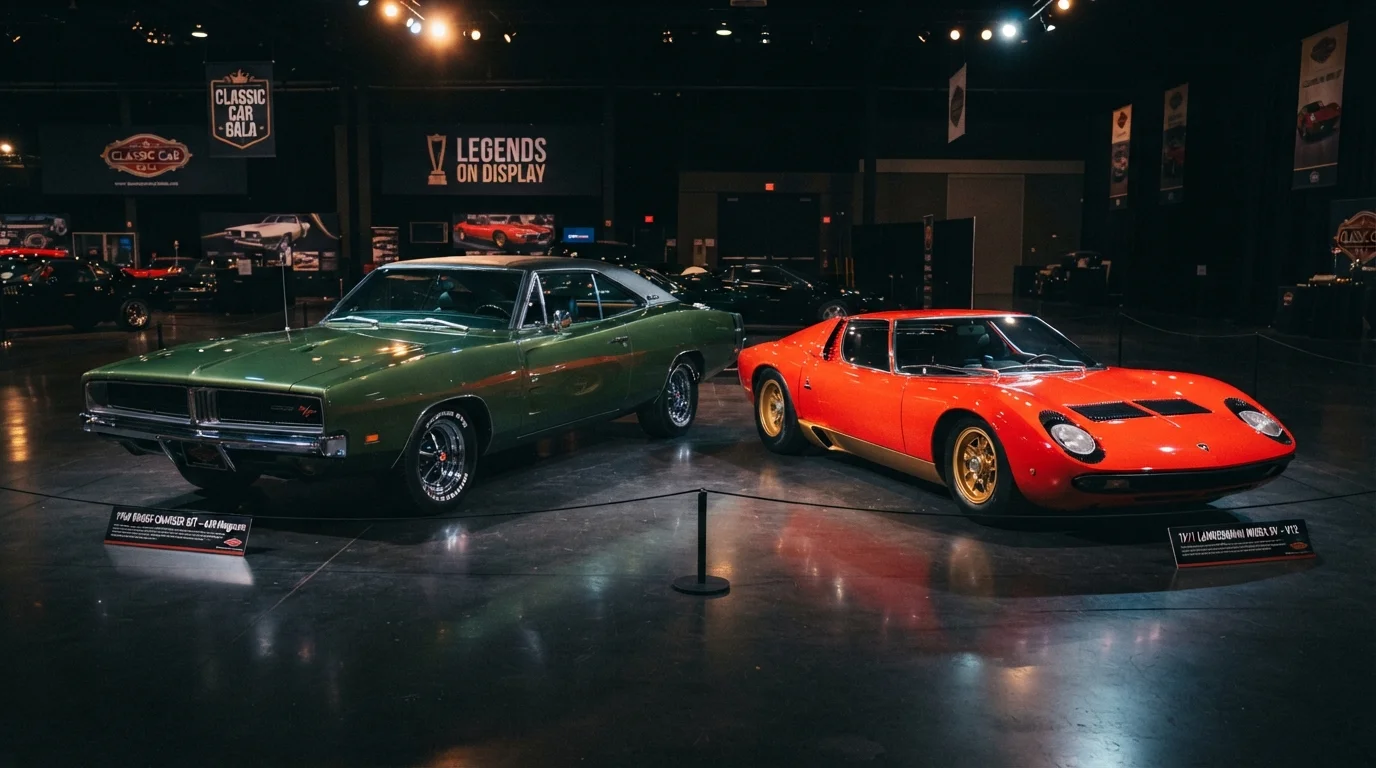
The highest recognized condition grade, indicating a vehicle that has been restored or preserved to a standard competitive at top-tier judged shows. Every detail - finish, hardware, engine bay - is expected to meet or exceed original factory specifications.
Driver Quality
A mid-range grade describing a car that is mechanically sound and presentable but not restored to show standards. Minor cosmetic flaws are acceptable; the car is meant to be used and enjoyed rather than trailered to judged events.
Project Car
A vehicle sold in incomplete or significantly deteriorated condition, requiring substantial restoration work before it is road-ready or show-competitive. Pricing reflects the work required, but costs can escalate significantly.
Survivor
An unrestored vehicle that retains its original factory paint, interior, and mechanicals in aged but largely intact condition. Genuine survivors are increasingly scarce and often command premiums among originality-focused collectors.
Frame-Off Restoration
A restoration method in which the vehicle body is completely separated from its chassis so both can be rebuilt independently. Considered the most thorough restoration approach and often the most expensive.
Date-Coded Components
Parts that carry manufacturer casting or stamping dates that precede the vehicle's assembly date, confirming they were original factory-installed pieces rather than later replacements sourced from another vehicle.
Barn Find
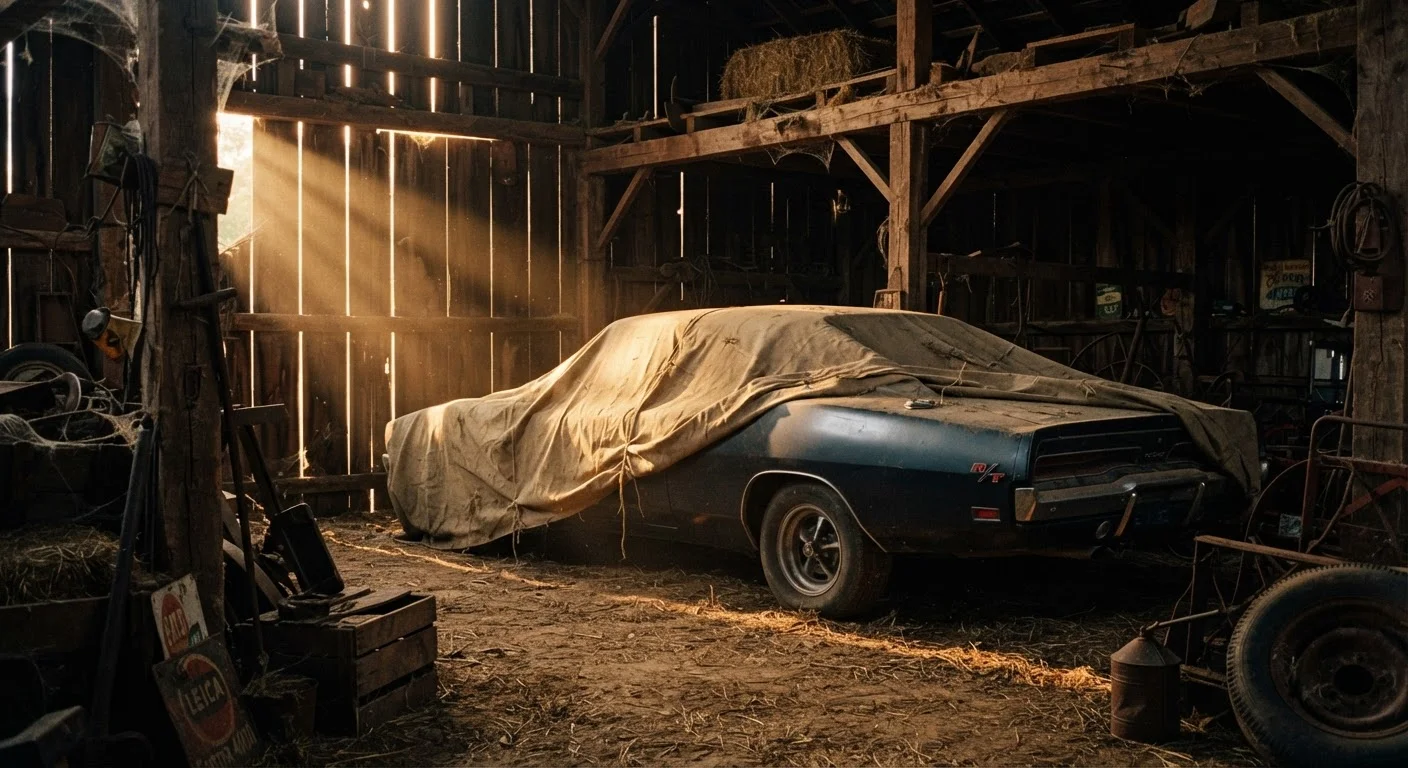
A vehicle recovered after an extended period of dormant storage, often in agricultural or rural buildings. The term implies undisturbed originality but does not guarantee mechanical soundness or completeness.
For a deeper look at how these grades translate into actual asking prices, see our article on condition grades and classic car pricing.
Authenticity Terms: Numbers Matching and Related Concepts
Condition grade and authenticity are related but distinct. A car can be cosmetically flawless yet still carry a replacement engine - which matters enormously to some buyers and very little to others. Understanding the authenticity vocabulary helps you ask the right questions before money changes hands.
20-40%
Typical premium for numbers-matching examples
Industry observers and auction analysts broadly cite this range over comparable non-matching vehicles, though premiums vary significantly by marque and rarity.
3 in 10
Collector cars listed as restored that show documentation gaps
Marque club technical advisors frequently report that a significant share of 'restored' vehicles presented for judging lack complete supporting documentation.
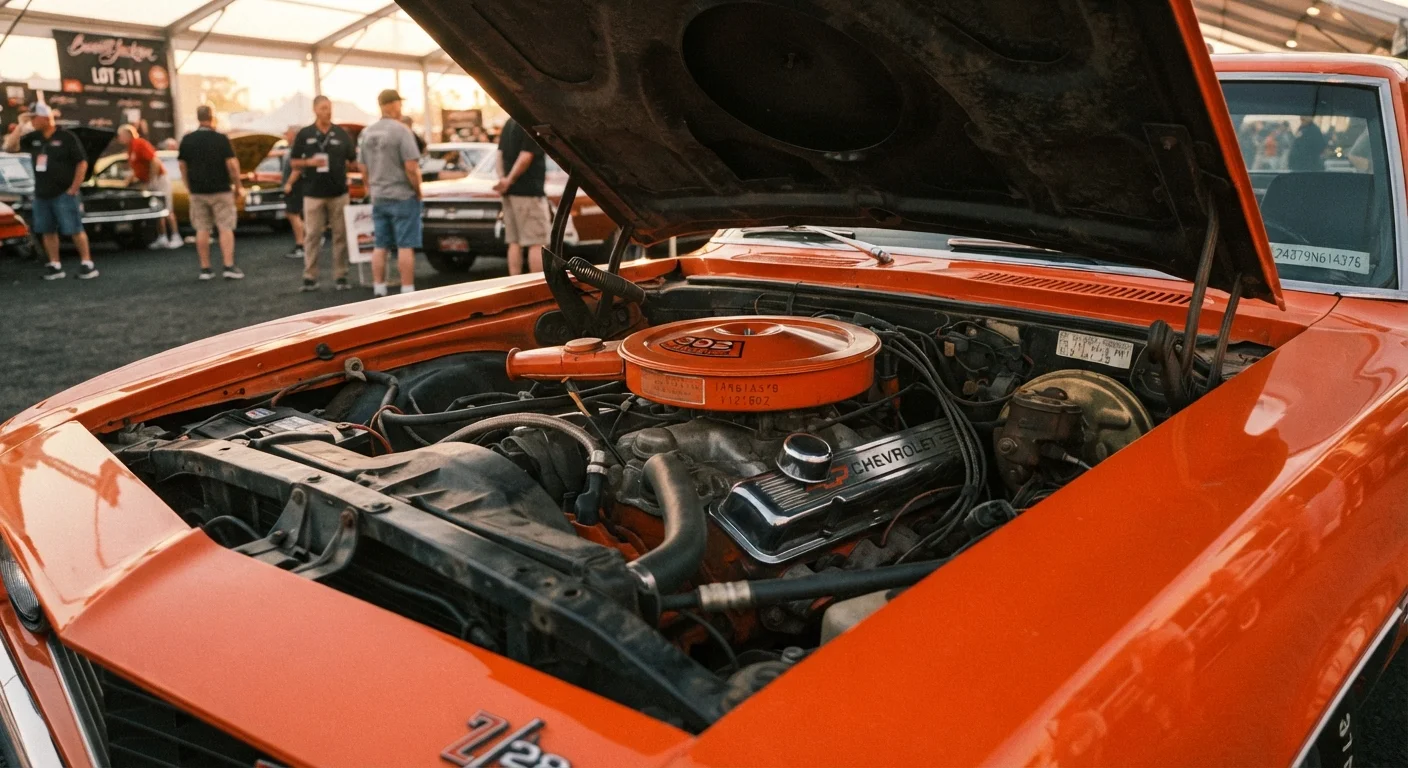
Numbers matching is the most scrutinized authenticity term in the hobby. It refers to whether the VIN-derivative codes stamped or cast on major components - engine block, transmission case, rear axle - correspond to the vehicle's documented build record. Matching numbers generally command a meaningful price premium, though what qualifies as "matching" can vary by marque and era. For a thorough breakdown of how this verification process works, our guide on what numbers matching really means for a classic car's value covers the specifics in detail.
Date-coded components take the concept further: not only should part numbers align, but casting or manufacture dates stamped on the component should fall before the vehicle's assembly date - confirming the part was installed at the factory, not sourced later from a donor car.
Broadcast sheet or tank sticker refers to the original factory build document sometimes found tucked beneath carpet or inside door panels. When present, these records can verify options, colors, and equipment independent of the door jamb tag - a significant authentication asset.
Verification Is Always Your Responsibility
No condition or authenticity term in a listing carries legal weight - it is the buyer's responsibility to verify claims through independent inspection, marque club resources, and, where possible, factory documentation requests. Many manufacturers' heritage centers can decode build records for a nominal fee. A pre-purchase inspection by a qualified specialist familiar with the specific marque is generally considered prudent practice before any significant purchase.
Terms Sellers Use (and What They Really Signal)
Classified listings and auction descriptions have their own dialect. Recognizing these phrases - and what they imply about a car's actual state - protects you from surprises at inspection.
- Solid driver / weekend driver: The car is mechanically serviceable and cosmetically presentable but not show-ready. Expect minor imperfections, possibly refreshed but not restoration-quality paint, and no expectation of originality in every detail.
- Show car / show winner: Claims recent show-class recognition. Always ask which sanctioning body and class - a local club ribbon and a national AACA Senior trophy are very different achievements.
- Frame-off restoration: The body was separated from the chassis during a full rebuild. This is the most labor-intensive process; confirm documentation, because the term is sometimes applied loosely to cosmetic refreshes.
- Nut-and-bolt restoration: Similar implication to frame-off - a ground-up rebuild in which every fastener was addressed. Again, ask for invoices or photographic documentation.
- Survivor / unrestored original: The vehicle retains its factory paint, interior, and mechanical components with minimal intervention. True survivors command strong premiums; verify by looking for consistent aging patterns across all surfaces.
- Barn find: A vehicle discovered after long-term dormant storage. Condition varies wildly - the romance of the term should never substitute for a thorough mechanical inspection by a qualified specialist.
- Project car / roller: Sold as incomplete or non-running. A roller specifically means the drivetrain is absent but the body and chassis roll freely. Budget conservatively - restoration costs routinely exceed initial estimates.
When evaluating any listing, the parts and maintenance reference can help you understand what specific mechanical components are being referenced.