Why Condition Grades Matter More Than Year or Model
In the collector car market, two identical vehicles sharing the same make, model, and production year can carry valuations that differ by 200% or more. The variable doing most of that work is condition. Standardized grading terminology - from concours at the top to project at the bottom - gives buyers, sellers, and appraisers a common language for describing a vehicle's state of preservation, restoration quality, and mechanical integrity.
Understanding what each grade actually means protects you from overpaying for a car dressed up with fresh paint and chrome trim that hides deferred mechanical work underneath. It also helps you recognize when a lower-graded car represents genuine opportunity. For a broader primer on how these grades feed into full valuation models, see the Classic Vehicle Valuation beginner's introduction.
| Number of standard condition grades | 5 (Concours through Project) (Hagerty Price Guide, Sports Car Market) |
| Typical value spread between Grade 1 and Grade 3 | 40%-100%+ depending on marque (General market observation; varies by vehicle) |
| Numbers-matching premium over non-matching | 15%-50%+ for desirable marques (Auction results, marque registries) |
| Most actively traded segment | Driver quality (Grade 3) (Collector car market consensus) |
| Key authenticity document | Broadcast sheet or build sheet (Used to verify factory component codes) |
| Recommended pre-purchase step | Independent Pre-Purchase Inspection (PPI) (Standard practice for transactions over $10,000) |
The Standard Condition Scale Explained
Grade 1 - Concours
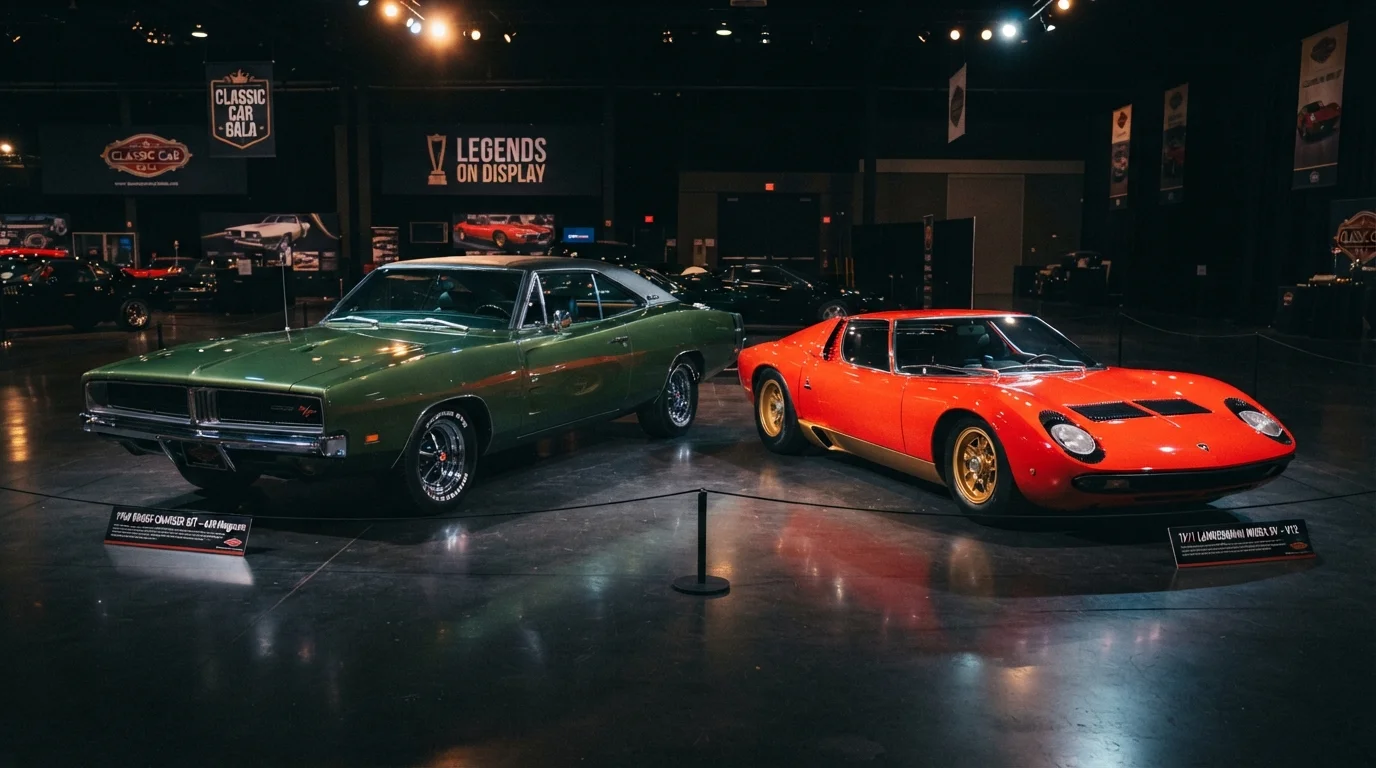
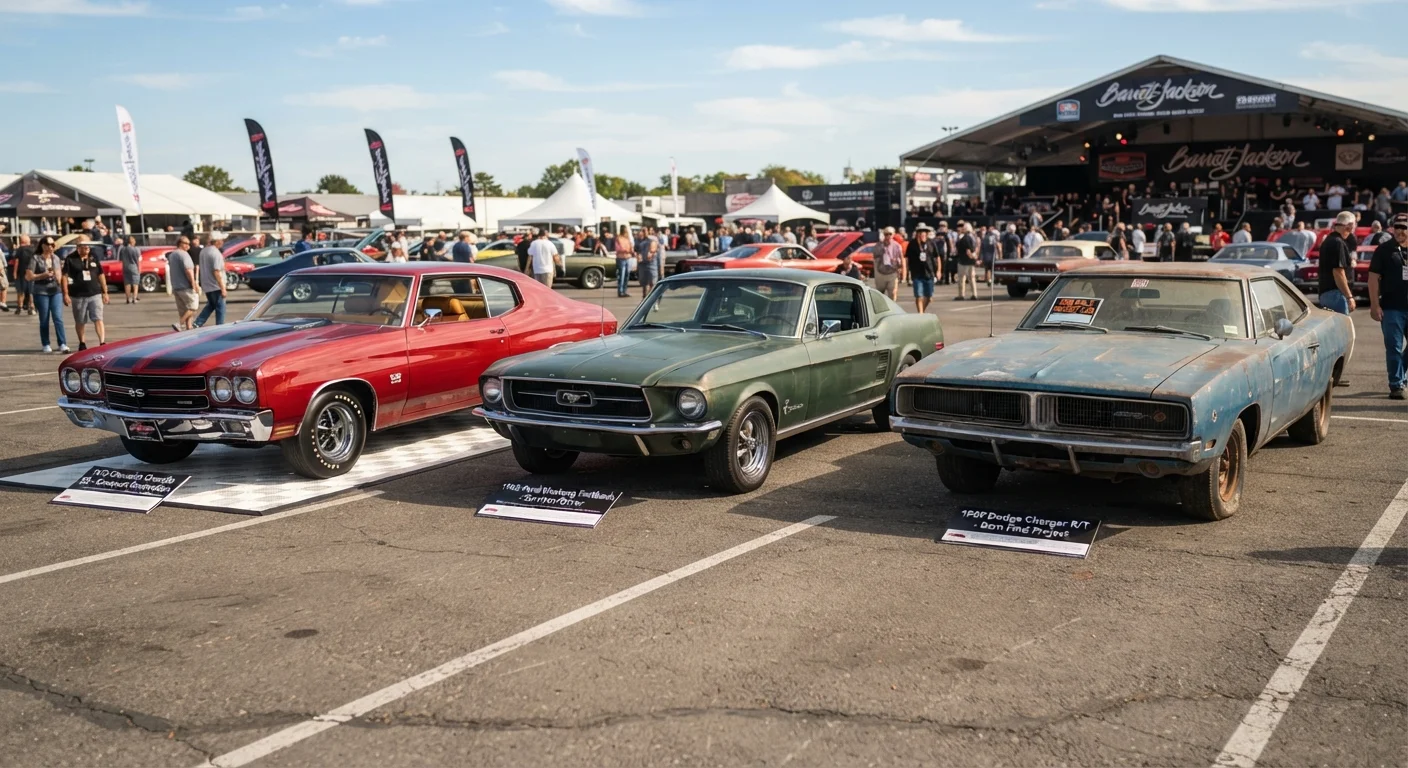
A concours-quality vehicle is, by definition, show-ready. Every component - paint, chrome, interior, engine bay, chassis, and undercarriage - has been restored or preserved to a standard that would be competitive at a national-level concours d'elegance event. Judges at such events measure gap tolerances, period-correct fastener types, and original finish textures, so a true Grade 1 car tolerates virtually no deviation from factory specification. Prices for top concours examples routinely reach the upper boundary of published Hagerty Price Guide and Sports Car Market valuations - and occasionally exceed them at major auctions.
Grade 2 - Show Quality / Near-Concours
This tier describes a vehicle that presents exceptionally well at regional shows and earns high scores from casual judging, but may carry minor imperfections invisible except under direct scrutiny: a slightly off-shade component, a non-original clamp on a hose, or a touched-up area on the firewall. Many of the most actively traded collector cars live in this band - they look stunning, drive confidently, and command strong prices without the premium associated with full concours certification.
Grade 3 - Driver Quality
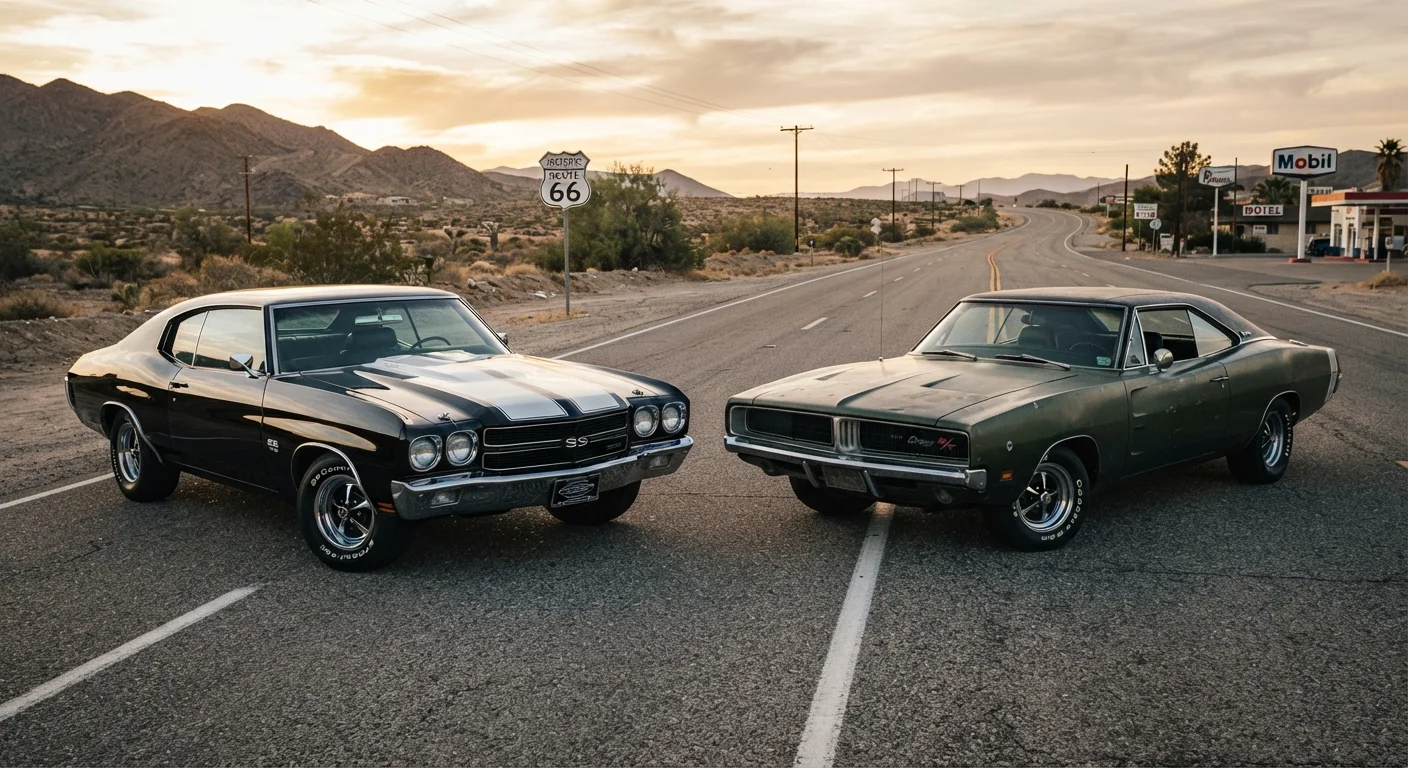
Driver-quality cars are mechanically sound, presentable vehicles used for regular touring, weekend rallies, and club events. Paint and body may show minor blemishes, the interior has honest wear, and mechanical components work correctly without necessarily being restored to cosmetic perfection. This is widely considered the most practical segment of the collector market: the cars can actually be enjoyed without anxiety about stone chips or door dings.
Grade 4 - Fair / Preservation Project
A Grade 4 vehicle is complete and typically running, but shows age clearly: faded or peeling paint, surface rust, worn upholstery, and mechanicals that may need attention before confident road use. Authenticity can be a genuine asset here - an unrestored, largely original car with documented history sometimes holds collector appeal precisely because its patina is real. Originality and documented history are compounding value factors that separate otherwise similar cars dramatically.
Grade 5 - Project
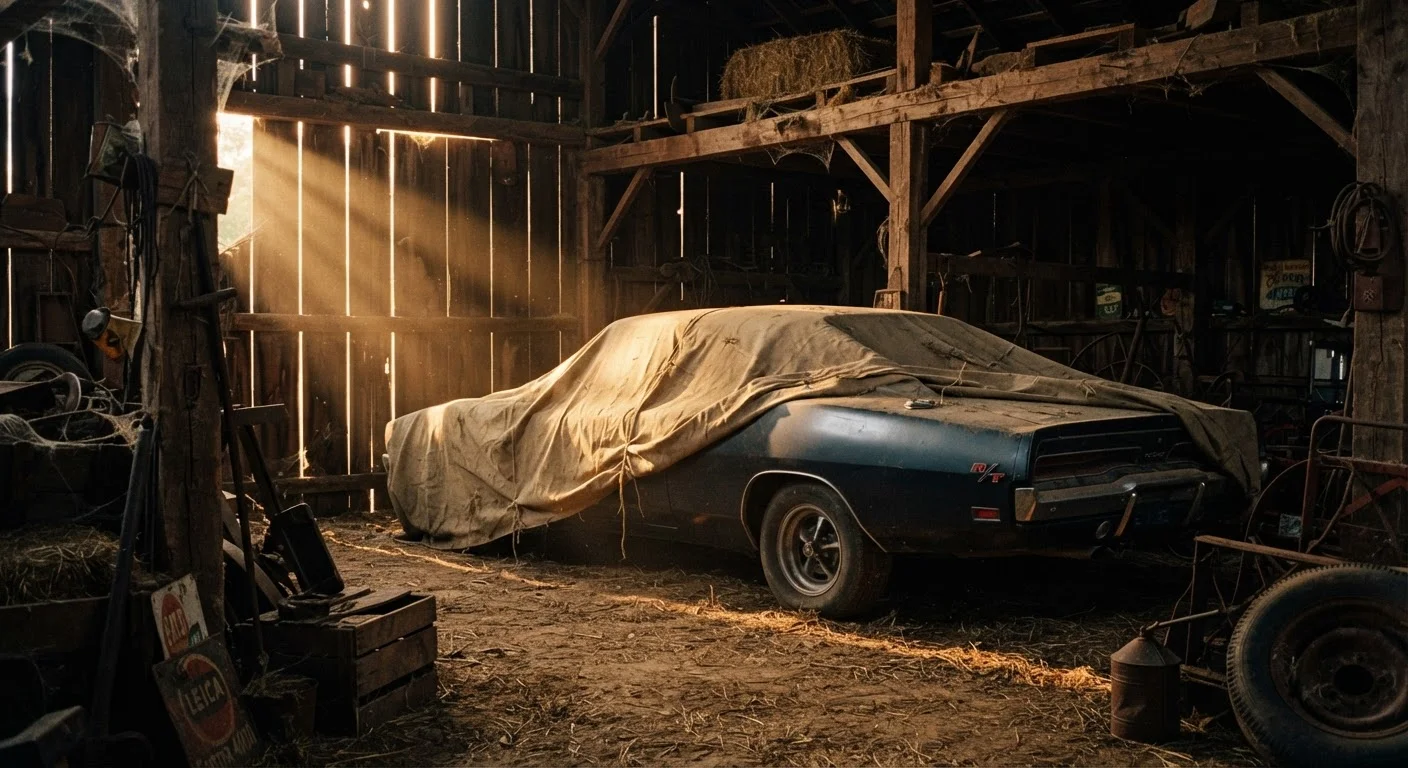
Project-grade cars are incomplete, non-running, or require substantial structural, mechanical, and cosmetic work before they can be safely or legally operated. Pricing reflects material cost plus risk: buyers effectively purchase potential rather than a finished vehicle. Anyone considering a project car should commission an independent pre-purchase inspection and develop a realistic restoration budget before committing. For a realistic framework on what restoration choices do - and don't - deliver in market return, see the end-to-end restoration and value guide.
Concours d'Elegance
A competitive judging event in which vehicles are evaluated against factory-original specifications. A car described as 'concours quality' meets the presentation standards required to compete - and score - at this level.
Numbers Matching
A vehicle whose major drivetrain components - engine, transmission, and sometimes axle - carry factory-stamped codes consistent with the car's original build documentation. Matching numbers are a significant authenticity premium in most marque markets.
Driver Quality
A condition grade describing a mechanically sound, roadworthy vehicle suitable for regular use that presents well but is not restored to show-competition standards. Often the most practical entry point for active enthusiasts.
Project Car
A vehicle requiring substantial restoration work - structural, mechanical, or cosmetic - before it can be safely operated. Priced to reflect potential rather than current condition.
Patina
The natural aging of original surfaces - paint, chrome, leather, and metal - accumulated over a vehicle's life. Genuine patina on unrestored cars is increasingly valued by collectors who prize authenticity over cosmetic perfection.
Pre-Purchase Inspection (PPI)
An independent mechanical and structural evaluation performed by a qualified specialist before a vehicle purchase is completed. A PPI is the primary tool buyers use to verify a seller's condition claims.
Authenticity, Numbers Matching, and How They Interact with Grade
Condition grade and authenticity are related but distinct variables. A car can be cosmetically stunning - Grade 2 or even Grade 1 in presentation - yet lose significant value if the engine block, transmission, or rear axle has been replaced with non-original components. The phrase numbers matching describes a vehicle whose major drivetrain components carry VIN-derivative or broadcast-sheet-documented stampings consistent with original factory assembly. A numbers-matching drivetrain in a driver-quality car can sometimes outperform a non-matching concours restoration at auction.
For a full breakdown of how collector terminology around matching numbers, driver quality, and project status is used - and misused - in classifieds and auction catalogs, consult the companion piece decoding collector condition terms. Understanding what sellers actually mean versus what they imply is a practical skill that saves money.
Condition grades also interact with mileage in nuanced ways. On late-model collector cars, documented low mileage reinforces a high grade; on pre-war vehicles, mileage carries far less weight than structural integrity and provenance. The article how mileage, age, and condition move a vehicle's price explores how these three variables interact across different market segments.
This article provides general educational information about collector car condition grading. It does not constitute financial, appraisal, or purchasing advice. Consult a qualified independent appraiser for decisions involving significant transactions.