Why the Price Gap Is Rarely Linear
Two cars can share the same make, model, and year - and yet one sells at a regional auction for $32,000 while an essentially identical vehicle hammers at $285,000 the following spring at a major national sale. That gap is not random, and it is almost never explained by a single variable. Instead, it reflects the compounding effect of several intersecting factors, each capable of multiplying or discounting the others.
For enthusiasts who want to evaluate a vehicle with confidence - whether buying, selling, or simply tracking a marque's market - understanding these variables is foundational. If you are newer to the collector market, our primer on classic vehicle valuation covers the core framework before you apply the finer distinctions explored here.
Numbers-Matching Drivetrain Integrity
In collector parlance, a numbers-matching vehicle is one whose major mechanical components - engine block, transmission, rear axle - carry factory-stamped codes that correspond to the vehicle identification number and original build documentation. For most American muscle cars and European sports cars from the 1950s through the 1980s, this is the single variable that moves prices most dramatically within a given model.
A correct, documented numbers-matching powertrain can represent 40-60% of a vehicle's premium valuation compared to a cosmetically identical example with a date-correct replacement engine. Buyers at serious auctions routinely commission pre-sale inspections specifically to verify these stampings. Replacement engines - even correct date-code examples - introduce a discount that proper cosmetics cannot fully offset.
A verified numbers-matching drivetrain can represent 40-60% of a vehicle's premium over an otherwise identical replacement-engine example.
Documented Provenance and Build Records
Factory documentation - broadcast sheets, window stickers, Protect-O-Plate cards, dealer invoices, and continuous service records - transforms a vehicle from a plausible story into a verifiable one. This distinction matters enormously at the top of the market. Collectors paying six figures are, in part, paying for certainty.
Provenance also includes ownership history. A well-documented single-family ownership spanning decades, or a traceable connection to a notable original owner, can add meaningful premium. Our detailed guide on how provenance documents shape a vehicle's price breaks down which records carry the most weight with serious buyers and auction specialists.
Buyers paying six figures are partly paying for certainty - and factory documentation provides exactly that.
Marque Prestige and Model Hierarchy
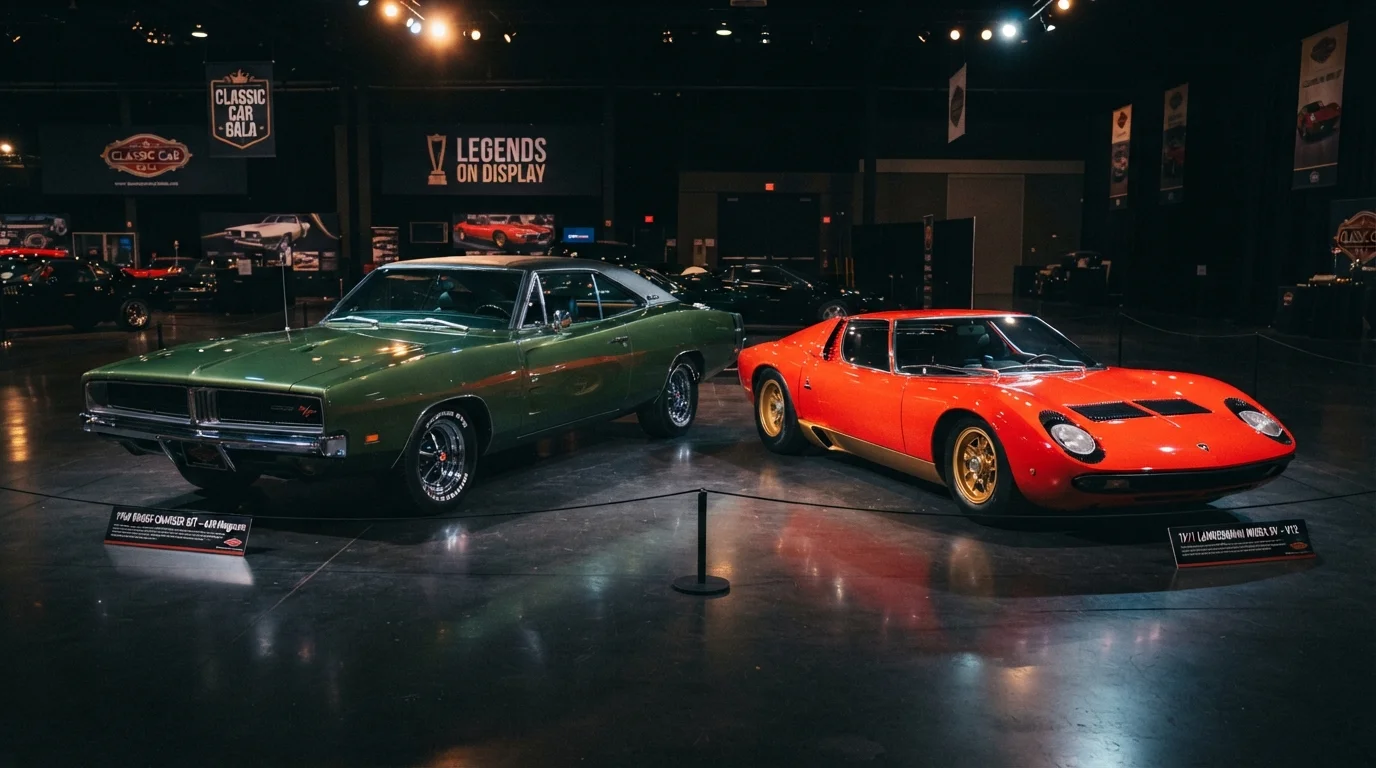
Not all classics compete in the same market segment, regardless of condition. Within any marque, a strict hierarchy governs which models anchor the top of the range. A base-trim coupe and a factory high-performance variant may share a platform, yet their valuation ceilings differ by orders of magnitude. Ferrari's limited-production racing homologation models, Chevrolet's COPO-optioned muscle cars, and Porsche's RS-designated variants each command premiums that reflect their position at the apex of their respective marque hierarchies.
Understanding where a specific model sits within that hierarchy - and recognizing that lower-hierarchy models have a hard ceiling regardless of condition - prevents both overpaying and undervaluing. Marque prestige is not negotiable through restoration quality.
Marque hierarchy sets a hard ceiling that no amount of restoration quality can overcome on a base-trim model.
Factory Option Combinations and Color Rarity
Color and option combinations are among the most underappreciated value drivers in the collector market. A vehicle finished in a low-production exterior color, paired with a complementary rare interior, and equipped with factory performance options can command a substantial premium over the same vehicle in a common color with a base interior - even if both are in identical condition.
Production data, where available through marque registries, establishes exactly how many examples of a given combination were built. Combinations documented at under 100 units - or in some cases fewer than 10 - are treated as significant rarity factors at auction. Researching a marque's option codes and consulting the relevant registry is a prerequisite for accurate valuation.
Low-production color and option combinations documented through marque registries are treated as genuine rarity factors at serious auctions.
Physical Condition Relative to Its Grade
The collector market uses standardized condition grades - ranging from concours-quality show vehicles to project-grade drivers - to anchor pricing expectations. However, condition grade alone does not determine whether a vehicle reaches the top of its range. A concours-quality restoration of a common model may still fall well short of a concours-quality original in terms of realized price.
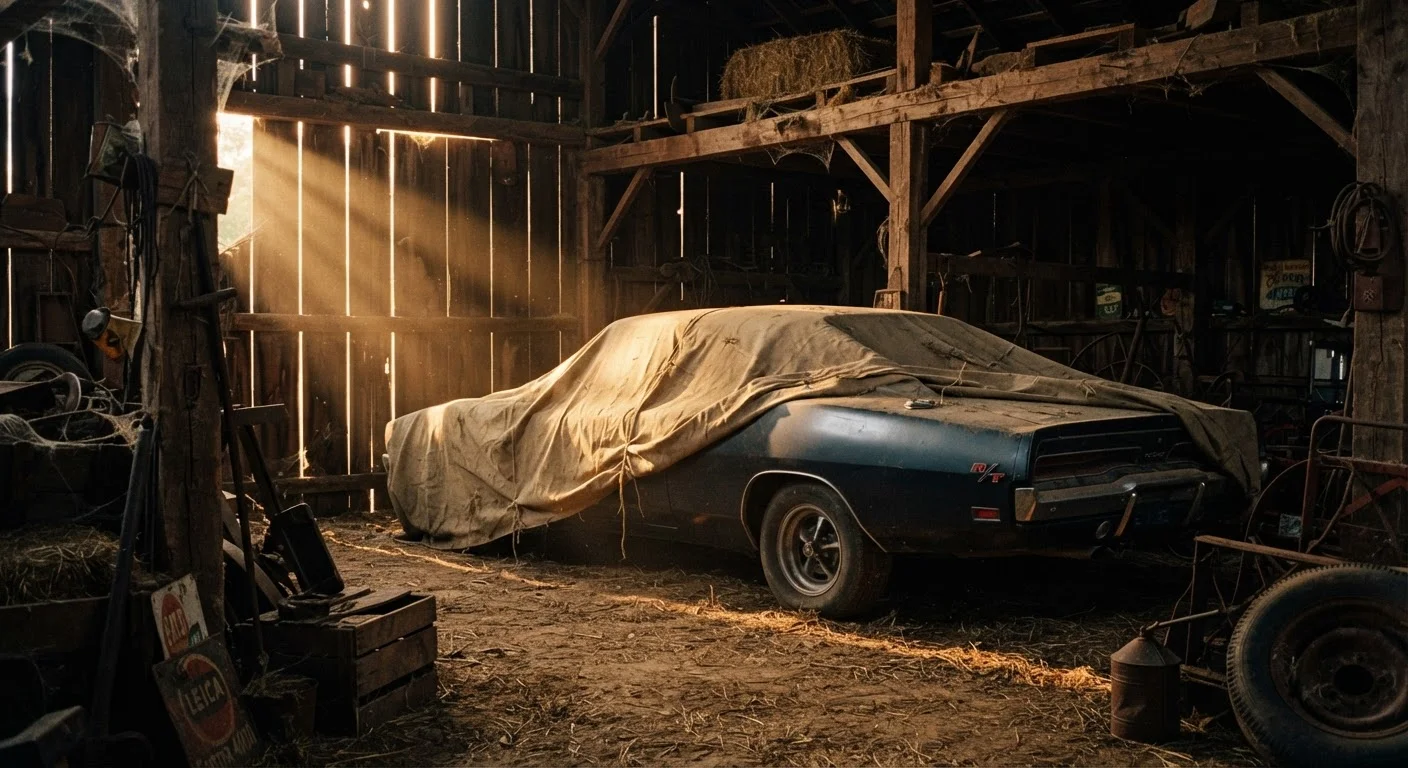
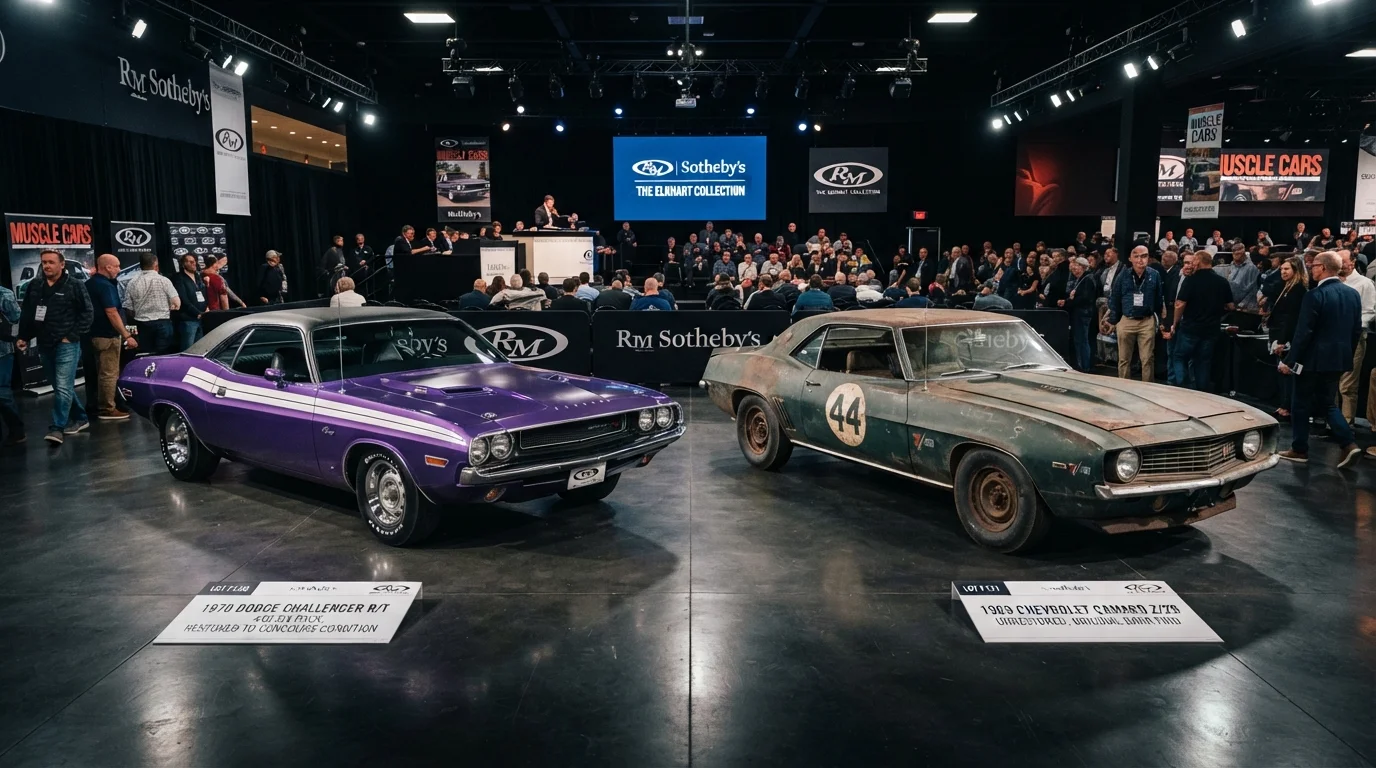
Originality within a condition grade matters. An unrestored vehicle retaining its factory paint, original interior surfaces, and undisturbed undercarriage - even showing honest patina - often outperforms a frame-off restored counterpart at sophisticated auctions. The debate between factory originality and correct restoration has meaningful implications for realized values, and the answer is not always intuitive. For a full breakdown of how grades translate to price bands, see our guide to concours, driver, and project condition classifications.
An honest, unrestored original frequently outperforms a frame-off restoration at sophisticated auctions - condition grade is only part of the equation.
Authenticity of Non-Drivetrain Components
Beyond the engine and transmission, top-tier buyers examine whether trim pieces, glass, electrical components, and undercarriage hardware are date-code correct and original to the vehicle. Replacement glass lacking the correct manufacturer date stamps, reproduction trim on a car represented as original, or a repainted engine bay that has erased stampings and codes are all red flags that experienced inspectors flag immediately.
The distinction between a car marketed as a "tribute" or "clone" and a genuine factory original is not always disclosed clearly in private sales. Understanding how replica, tribute, and continuation vehicles differ is essential background for any buyer operating at the upper end of the market.
Date-code correct trim and hardware are scrutinized as carefully as the drivetrain by experienced buyers at top-tier auctions.
Reading the Market With Clear Eyes
None of these factors operates in isolation. A numbers-matching drivetrain on an undocumented car earns less than the same drivetrain paired with factory build records. A rare color combination on a rough driver earns far less than the same color on a verified, well-preserved example. The collector market rewards convergence - when multiple premium factors align, prices accelerate non-linearly.
Use Multiple Comparables, Not One
A single auction result - high or low - can be skewed by bidder competition, regional interest, or an unusual sale day. Build your valuation framework from at least three to five comparable sales spanning different auction venues. Factor in buyer's premiums, which typically add 10-15% above the hammer price, when comparing realized prices to private-sale asking prices.
Before placing a value on any classic, cross-reference at least three comparable auction results and weigh how each sold vehicle stacked up across the factors listed above. Our analysis of what auction results actually tell you explains how to account for buyer's premiums and reserve dynamics when using hammer prices as benchmarks. And if you are weighing a purchase primarily as a financial decision, understand the real economics of classic car collecting before committing capital.
This article provides general educational information about collector vehicle valuation and does not constitute financial, investment, or legal advice. Consult a qualified appraiser or financial professional for guidance specific to your circumstances.