Why the Investment Narrative Is So Persistent
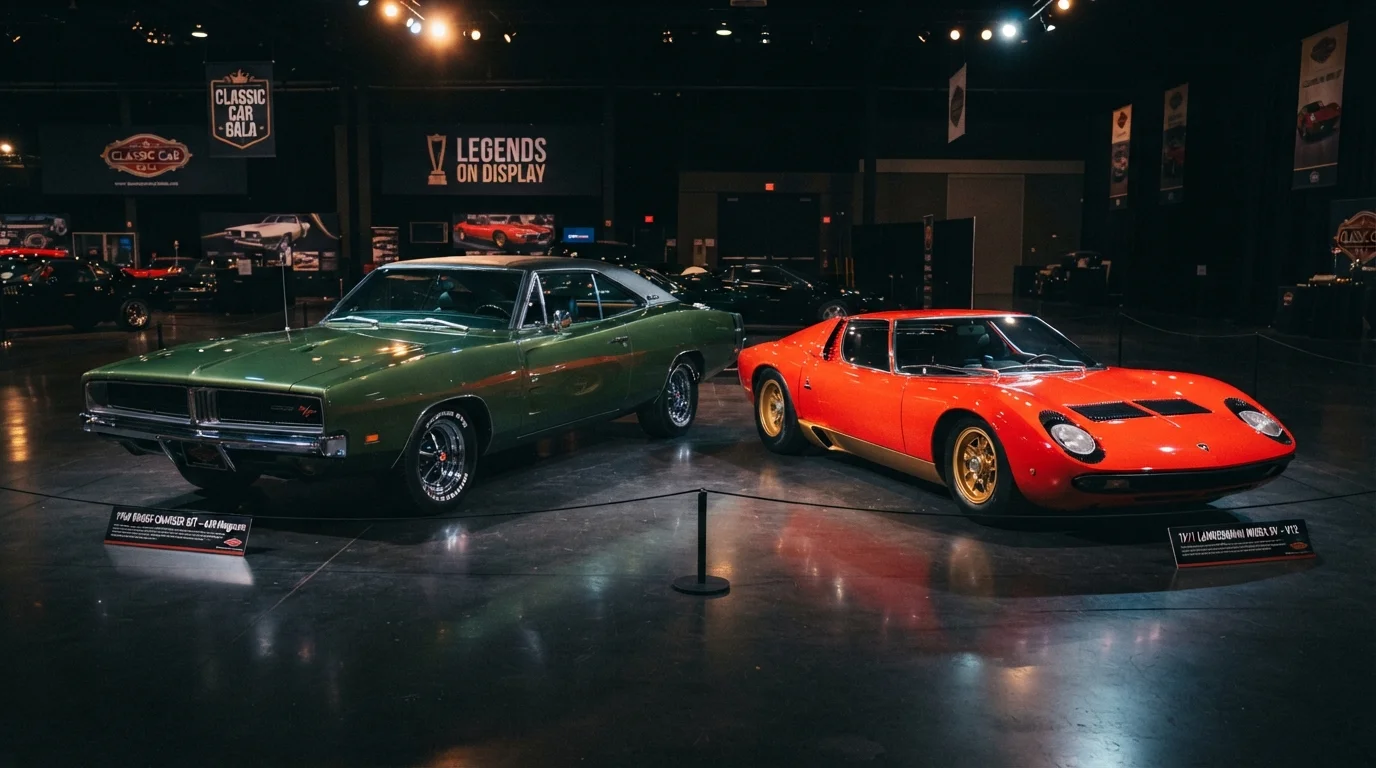
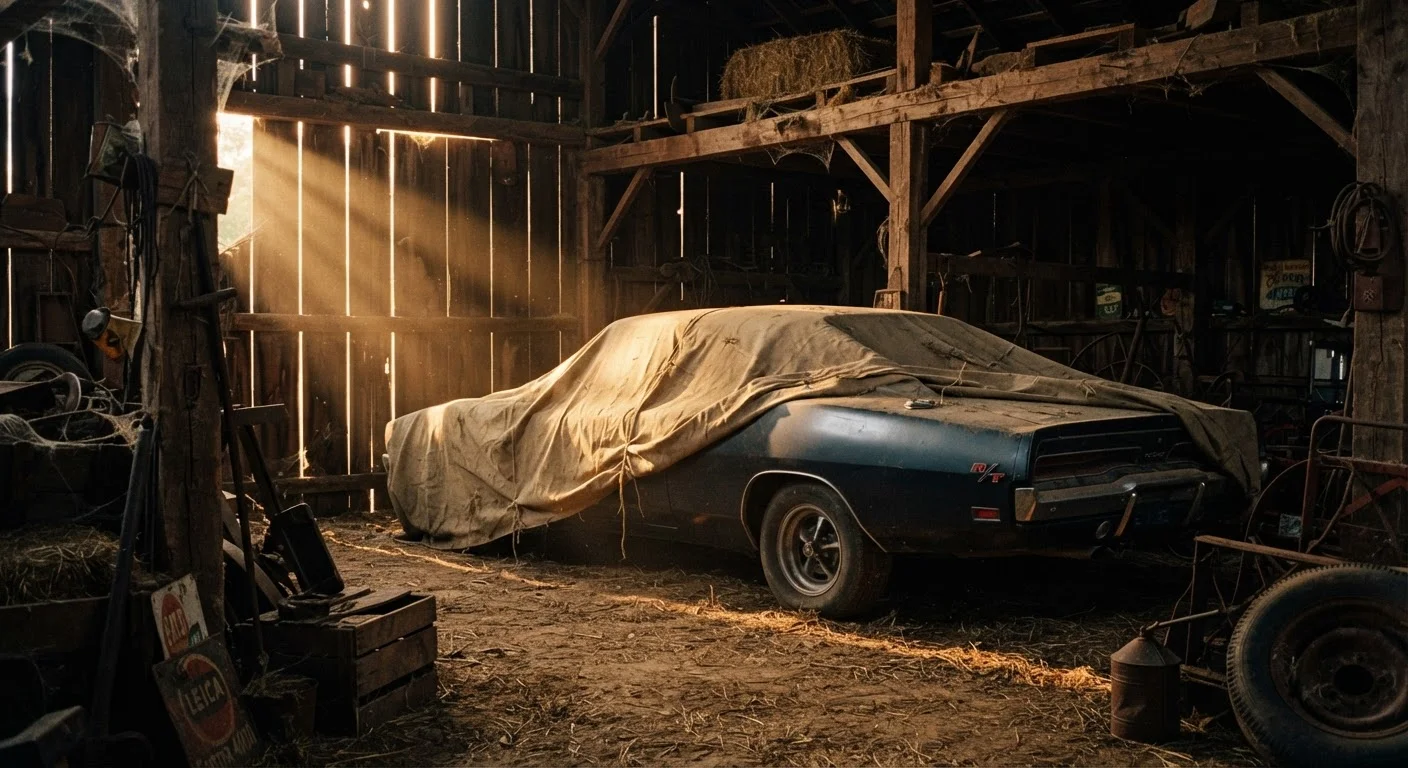
It's easy to understand why the idea of classic cars as reliable investments has taken hold. A well-documented 1969 Camaro Z/28 hammering at six figures at a major auction, or a barn-find Shelby Cobra fetching multiples of any reasonable estimate - these stories circulate through the enthusiast community and take on a life of their own. They're compelling, romantic, and occasionally true.
But individual trophy results are not a market. They represent the rarest intersection of provenance, condition, timing, and buyer appetite. For the vast majority of collector vehicles - the honest driver-quality examples, the partially restored projects, the one-owner sedans with genuine history - the financial picture is far more nuanced. Treating your collection as a retirement strategy without understanding those nuances is a path toward genuine disappointment.
The Restoration & Value hub offers a grounded framework for understanding what actually drives prices - a useful starting point before anyone commits capital based on auction headlines.
Myth
Classic cars reliably appreciate in value, making them a sound alternative investment.
Fact
Some vehicles in specific segments have appreciated over time, but the market is highly selective, segment-dependent, and historically volatile.
Appreciation in the classic car market is real - but deeply uneven. Top-condition, documented, numbers-matching examples in perennially desirable segments (certain muscle cars, pre-war sports cars, low-production European exotics) have posted strong long-term gains. The broader market, however, includes thousands of vehicles that have tracked sideways or declined in inflation-adjusted terms. Market timing, condition grade, and shifting generational tastes all introduce risk that is fundamentally different from conventional asset classes. No credible source guarantees collector car appreciation, and past segment performance does not predict future results.
Myth
A full restoration automatically increases a car's market value beyond what was spent.
Fact
Restoration costs almost never translate dollar-for-dollar into market value; in many cases, a professional restoration cannot be fully recovered at sale.
Labor costs for quality restoration work - bodywork, engine rebuilding, interior, electrical - routinely exceed the finished vehicle's market value. This gap is sometimes called being "upside down" on a car. Buyers at sale are purchasing the result, not reimbursing the journey. A correct, factory-authentic restoration on a highly desirable car can approach cost recovery, but this is the exception. Collector-grade correctness matters, but so does the underlying vehicle: restoring a common, low-option example rarely produces the same return as the same investment applied to a rare, documented counterpart. See classic car value myths that can cost enthusiasts dearly for a detailed look at this dynamic.
Myth
Ownership costs are minimal once a classic car is properly restored.
Fact
Ongoing costs - climate-controlled storage, agreed-value insurance, periodic mechanical upkeep, and detailing - are substantial and continuous.
A properly restored classic vehicle requires ongoing stewardship. Climate-controlled storage protects paint, rubber, and metal from the deterioration that ordinary garaging accelerates. Agreed-value specialty insurance is a recurring annual cost. Mechanical systems on vehicles 40-60 years old require preventive attention even when not driven frequently - rubber seals dry, fuel systems gum, brake components corrode. These carrying costs, compounded over years, represent real capital that must be factored against any hypothetical appreciation. Collectors who account honestly for carrying costs often conclude that their effective cost basis is substantially higher than the original purchase price.
Myth
Auction hammer prices reflect what your similar car is worth on the open market.
Fact
Auction results represent a specific moment, a specific buyer pool, and often include buyer's premiums that inflate the apparent price.
High-profile auction results are frequently cited as valuation benchmarks, but they require careful interpretation. Buyer's premiums - typically 10-15% added to the hammer price - are part of the buyer's total cost but are not reflected in the headline number. Reserve dynamics, the presence of motivated or competing bidders, and the promotional environment of a major sale all influence results. A vehicle that sells strongly at a peak-season Scottsdale auction may not replicate that result in a private sale or a regional event. What auction results actually tell you about classic car market values unpacks these dynamics in depth.
Myth
Rarity alone makes a classic car valuable.
Fact
Rarity contributes to value only when paired with documented authenticity, condition, and meaningful collector demand for that specific vehicle.
Low production numbers are frequently cited as a value driver, but rarity without desirability produces no premium. An obscure variant of an unpopular model may have been produced in tiny numbers - and still command modest prices, because the collector community for that vehicle is small. Conversely, documented authenticity, correct build-sheet options, and verifiable ownership history can dramatically elevate value even for vehicles produced in relatively large quantities. The compounding interaction of rarity, provenance, and active collector demand is what separates a six-figure result from a four-figure one.
What the Data and Community Experience Actually Show
Collector car indices - such as those published by Hagerty - do track average price movement across vehicle segments, and some eras and marques have posted meaningful long-term appreciation. However, averages obscure enormous variation. A numbers-matching, fully documented muscle car performs very differently from a rebodied or re-engined example of the same model. The compounding variables behind top-tier valuations are well worth studying before drawing conclusions from index data alone.
Seasoned collectors also note that the market is generational. Vehicles that defined the childhood of baby boomers commanded premium prices as that generation entered peak earning years. Whether subsequent generations attach the same emotional - and financial - weight to the same vehicles is an open question, not an assumption. Common beliefs that don't always hold up under scrutiny covers this shifting demand landscape directly.
~10-15%
Typical auction buyer's premium
Most major collector car auction houses add a buyer's premium of roughly 10-15% on top of the hammer price, a cost not reflected in headline sale figures.
Highly variable
Classic car segment appreciation
Hagerty's collector car indices show significant variation across segments and years; broad market averages can obscure individual vehicle performance substantially.
$5,000-$30,000+
Estimated annual ownership costs
Industry observers and experienced collectors commonly cite annual carrying costs - storage, insurance, maintenance - in this range for a properly maintained collector vehicle, varying widely by marque and condition.
Sourcing decisions also carry financial weight that is frequently underestimated. How collectors actually source classic vehicles reveals why acquisition channel, due diligence, and patience at purchase are often more consequential to long-term financial outcomes than any appreciation the market might provide.
For those just entering the hobby, what no one tells you first about classic car collecting offers grounded guidance on pre-purchase inspections, realistic budgeting, and finding community - the foundations that protect both passion and financial exposure. And for a comprehensive view of ownership from acquisition philosophy to long-term stewardship, the full spectrum of classic car ownership is an essential companion read.
Classic Cars Are Not Conventional Financial Assets
Unlike publicly traded securities, classic vehicles are illiquid, condition-sensitive, and subject to taste-driven demand that can shift across generations. There is no guaranteed market, no standardized pricing mechanism, and no regulatory framework protecting buyers from overpaying. Anyone approaching classic car ownership primarily as a financial strategy - rather than as a passion pursuit - should seek qualified financial advice and apply rigorous due diligence before committing capital.
This article is for general informational and educational purposes only and does not constitute personalised financial, investment, or legal advice. Consult a qualified financial adviser before making investment decisions based on collectible asset values.