Why Classic Car PPIs Require a Different Lens
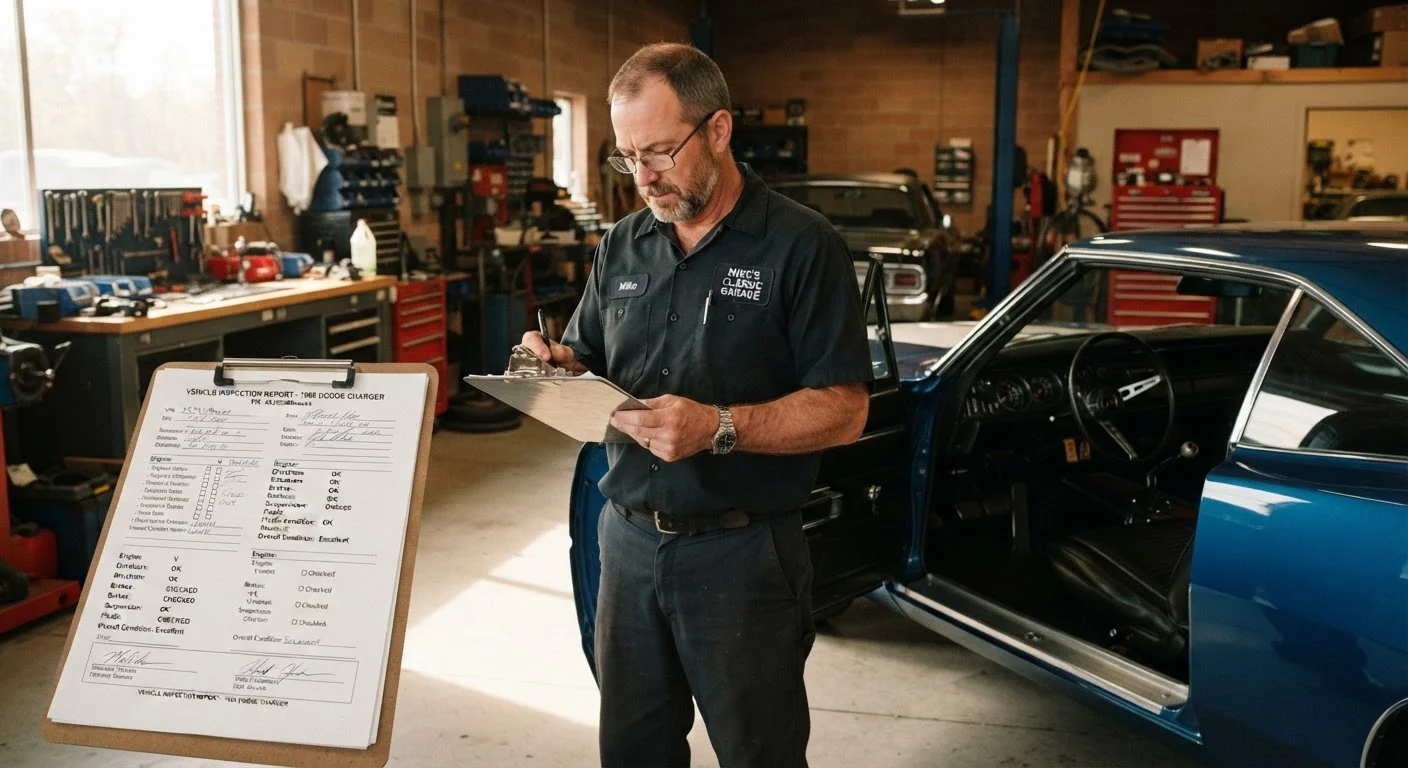
A pre-purchase inspection on a vintage vehicle operates on fundamentally different priorities than one conducted on a late-model used car. Modern vehicle PPIs focus largely on wear items, diagnostic fault codes, and safety systems. For a classic car - particularly one marketed as original, restored, or numbers-matching - the inspection must also evaluate authenticity, period-correct components, and the often decades-long accumulation of repairs, modifications, and concealed damage.
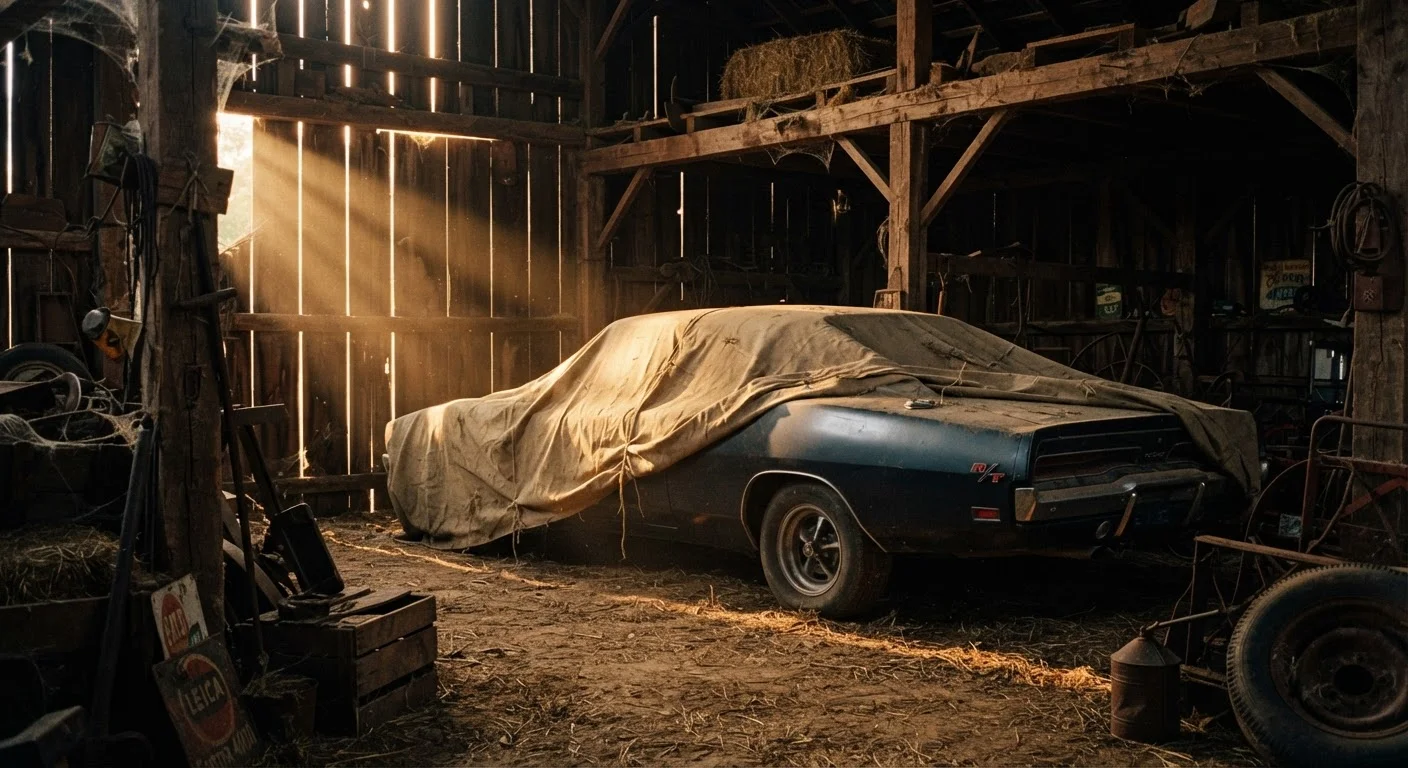
The condition grading systems commonly referenced in the collector market, such as those used by major auction houses, assign sharply different values to a car with documented original drivetrain versus one with replacement components, even when mechanical condition is equivalent. Understanding this distinction is the foundation for reading any PPI report accurately. For additional context on approaching barn finds and undocumented vehicles, the anatomy of a barn find provides a useful parallel framework.
What you will need
What to Do After Reading the Report
A PPI report is not a binary pass-or-fail document - it is a detailed profile of a vehicle's actual condition versus its represented condition. Once you have worked through each section using the steps above, you are equipped to make one of three decisions: proceed at the asking price if findings are minor and consistent with the seller's description; negotiate a price adjustment supported by documented remediation costs; or walk away if structural, authenticity, or financial concerns are too significant to resolve.
If mechanical findings warrant attention, the DIY repairs hub and pre-purchase inspection checklist are useful next resources as you plan your approach. For any findings that involve structural repair, electrical system overhaul, or drivetrain rebuilds, consult a qualified restoration professional before committing to a scope of work - costs in this segment can vary substantially based on parts availability and marque expertise.
This article provides general educational guidance on interpreting pre-purchase inspection reports and does not constitute personalized financial, legal, or mechanical advice. Consult qualified professionals for assessments specific to your situation.