Why a Structured Inspection Matters More Than Enthusiasm
Buying a classic car on instinct is how enthusiasts end up with expensive projects they didn't intend to acquire. The collector market rewards preparation: a buyer who arrives with marque-specific knowledge, the right tools, and a methodical checklist consistently makes better decisions than one relying on visual appeal alone. This checklist is designed to work alongside - not replace - a formal pre-purchase inspection by a qualified professional.
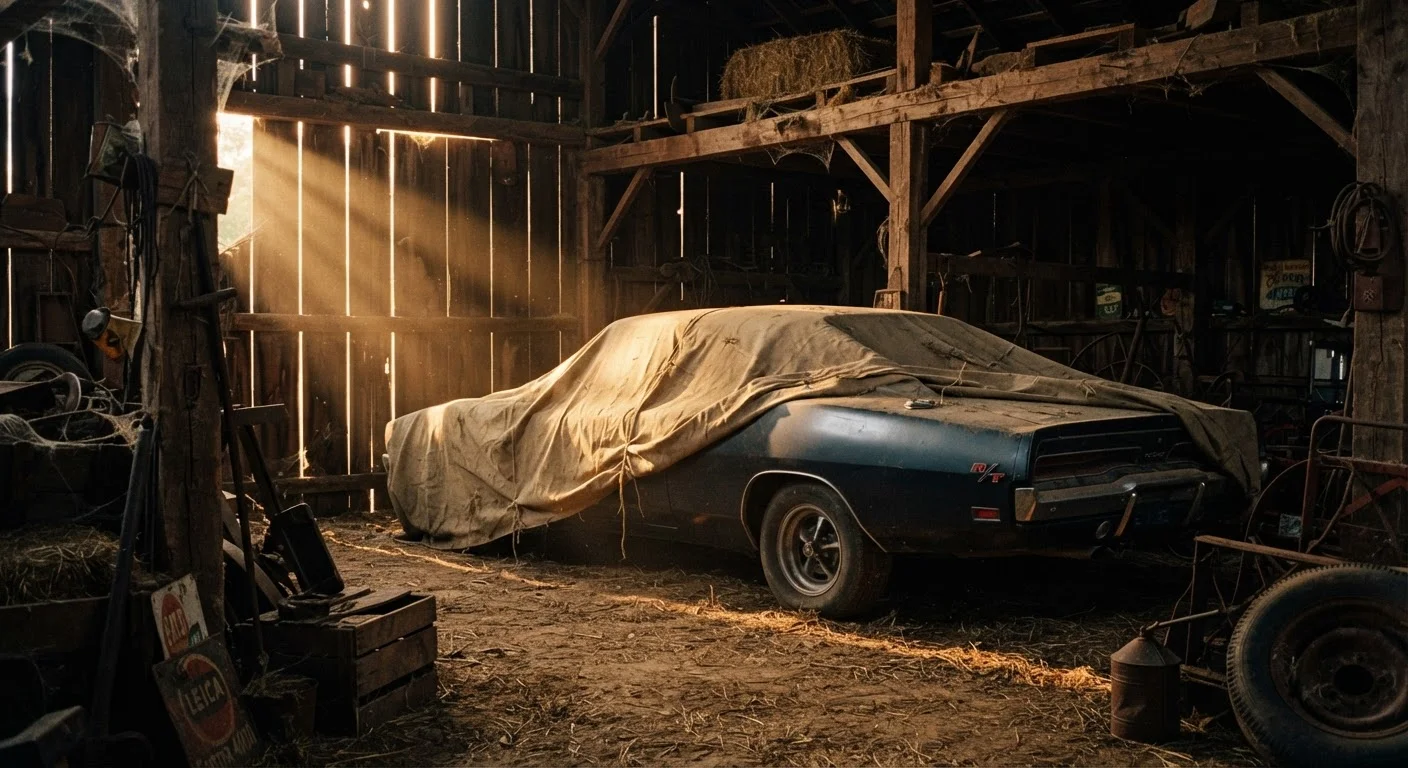
If you're newer to the hobby, our introduction to classic car collecting outlines what to expect before you ever attend your first viewing. For barn finds and storage discoveries that present unique evaluation challenges, see our guide to separating recoverable classics from expensive mistakes.
Never Skip a Professional Pre-Purchase Inspection
Even experienced collectors can miss hidden structural damage, fraudulent VIN stamps, or concealed mechanical problems. A qualified, marque-familiar mechanic or appraiser provides an objective second opinion and may identify issues that significantly alter a vehicle's value. The cost of a PPI is modest relative to the financial exposure of purchasing a misrepresented vehicle.
Altered or Re-Stamped VINs Are a Legal Risk
If frame stampings, VIN pads, or trim tags appear to have been altered, removed, or re-stamped, treat this as a serious red flag. Purchasing a vehicle with a tampered identifier can result in title problems, registration refusal, and potential legal liability. Consult a professional authenticator and, if warranted, the appropriate authorities before proceeding.
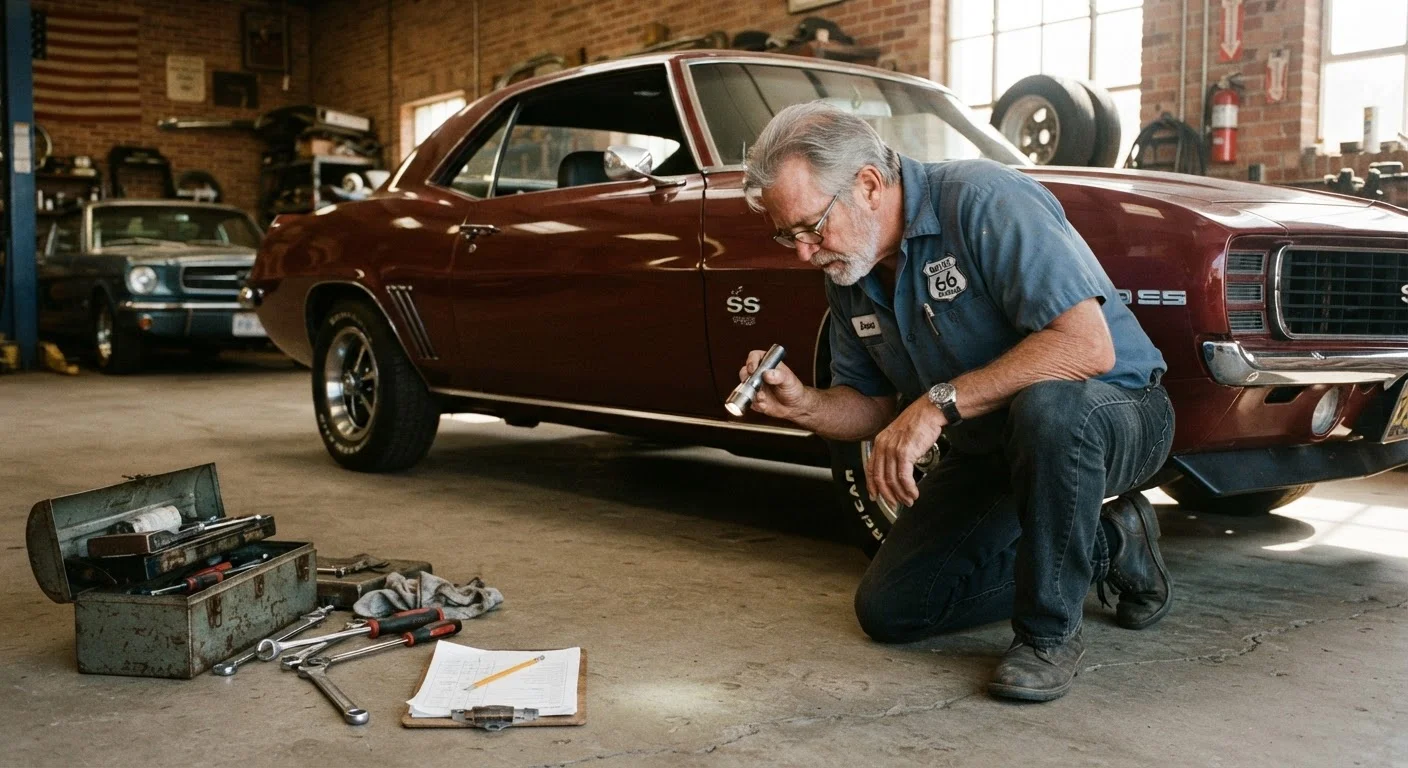
Use the tools listed below during your physical inspection. Each plays a specific role in surfacing problems that aren't visible to the naked eye.
Paint Thickness Gauge
Measures paint depth on body panels to detect filler, respray, or replacement panels beneath the surface finish.
Borescope or Inspection Camera
Allows visual inspection of cavities, frame rails, and hard-to-reach areas without major disassembly.
Flashlight (high-lumen)
Essential for examining the undercarriage, engine compartment, trunk, and door jambs in low-light conditions.
Marque-Specific Decoder Guide
Enables on-site verification of VIN derivatives, date codes, casting numbers, and factory option codes.
Creeper or Hydraulic Jack Stands
Provides safe access to the underside of the vehicle for frame and chassis evaluation.
Title History Report Service
Surfaces lien records, salvage designations, odometer discrepancies, and prior state ownership before you visit.
Compression Tester
Provides a quantitative snapshot of engine cylinder health to identify wear or sealing problems.
Working Through the Checklist
The checklist below is organized to move from macro to micro - starting with structural concerns that carry the highest repair costs, then working toward mechanical, interior, and documentation verification. Always begin with the frame and bodywork; discovering serious rust or collision damage early can save you the time of a full mechanical evaluation on a vehicle that doesn't merit it.
Numbers-Matching Status Directly Drives Market Value
For most sought-after American collectibles, the presence of original, date-correct drivetrain components - particularly a matching-numbers engine - can represent a substantial portion of total market value. Replacing a non-original engine with the correct unit rarely recaptures full provenance value in the eyes of serious collectors and auction houses. Verify matching status with documentary evidence, not seller representation alone.
Pre-Visit Preparation
Bodywork & Paint
Frame & Chassis
Drivetrain & Mechanicals
Interior Condition
Documentation & Provenance
Once you've completed your physical inspection, the documentation section is critical. Cross-reference the build sheet or broadcast sheet against every component you've verified in person. Discrepancies between paperwork and the physical vehicle deserve a direct explanation from the seller - vague answers warrant caution. For help interpreting a formal inspection report, our guide to reading a classic car PPI report explains what each finding category means in practice.
Before making any offer, it's also worth reviewing our pre-offer listing evaluation checklist to confirm the asking price aligns with comparable market data. Understanding what key components do and when they need replacement will also help you estimate realistic ownership costs once the purchase is complete.
This article provides general educational guidance for classic vehicle enthusiasts and is not a substitute for professional mechanical inspection, legal advice, or personalized financial counsel. Always consult qualified professionals before committing to a significant vehicle purchase.