Why Barn Finds Demand a Different Inspection Standard
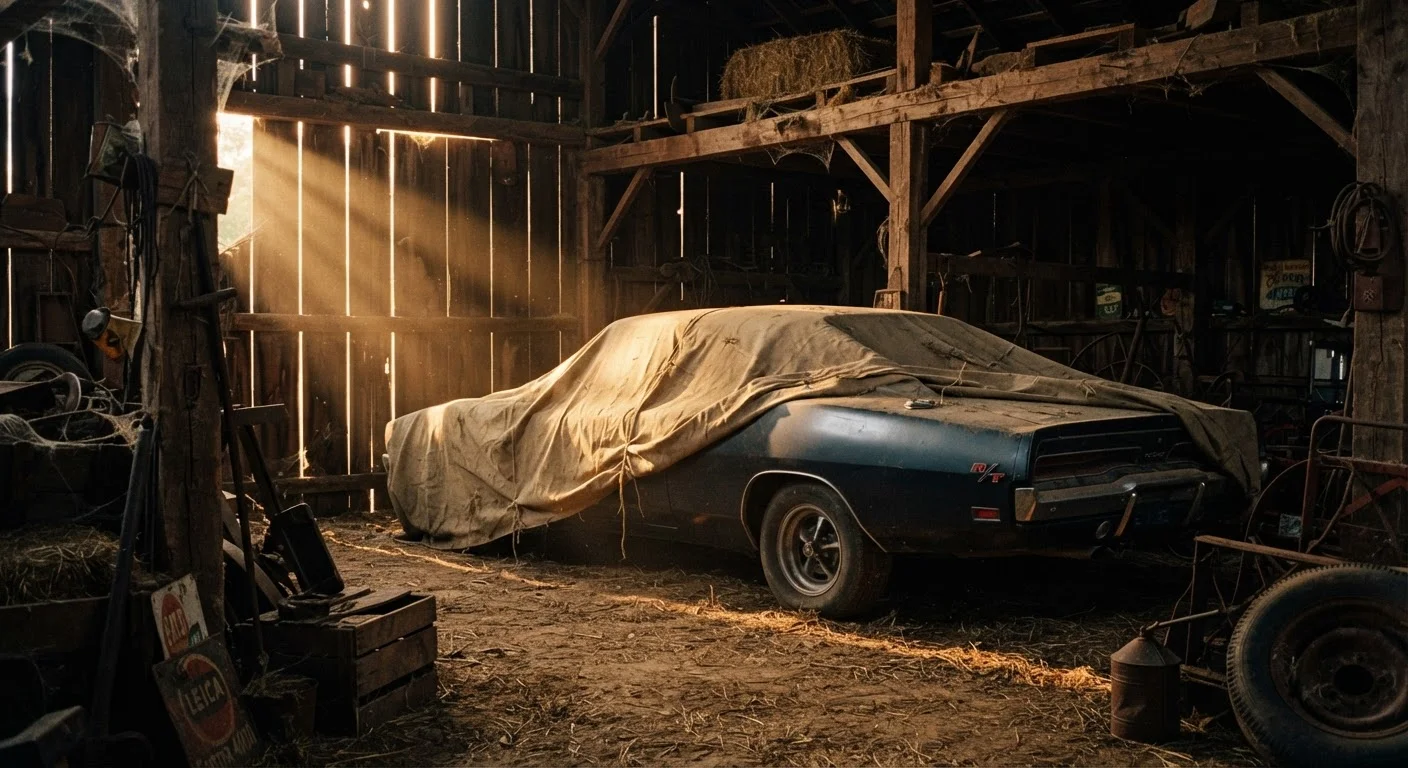
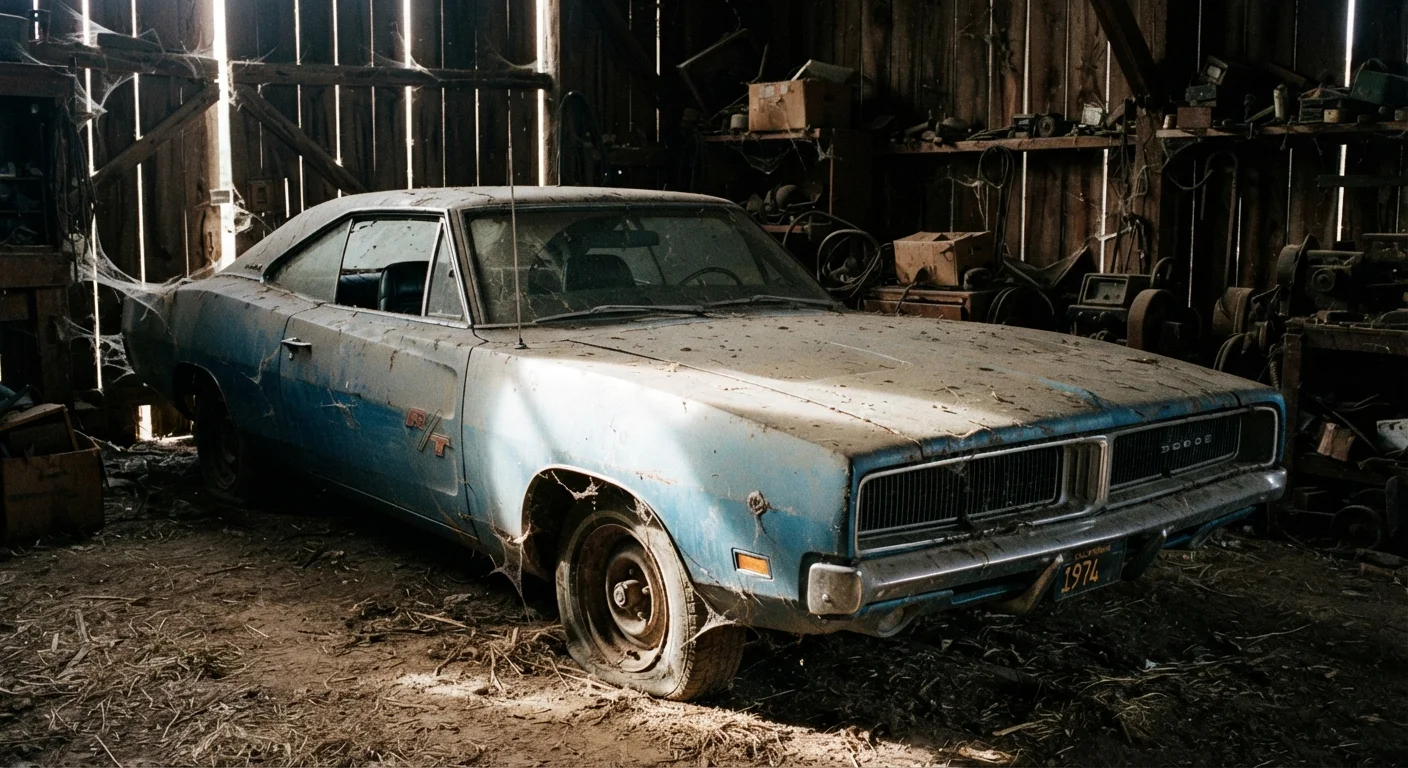
The romance of a barn find is real - decades-dormant vehicles sometimes emerge with low mileage, original paint, and untouched interiors that no concours restoration can replicate. But the same isolation that preserved them can also mask compounding deterioration: rodent-chewed wiring, ethanol-damaged fuel systems, and rust that has silently migrated inward for thirty years.
Unlike a running driver or an auctioned show car, a barn find rarely comes with recent service records, a pre-purchase inspection, or even a clear sense of what failed first. The seller may be an estate executor with no automotive knowledge, or a family member who genuinely believes the car "just needs a battery." That information gap is your primary risk.
This checklist is designed for the moment you're standing in front of a potential acquisition - flashlight in hand, phone camera ready. Work through it systematically. Cross-reference your findings against our structured pre-purchase inspection checklist for deeper mechanical guidance, and consult our end-to-end restoration and value guide before committing to a project budget.
Structural & Frame Assessment
Numbers & Identity Verification
Drivetrain & Mechanical Condition
Electrical & Wiring
Interior & Glass
Documentation & Title
Before You Make Any Offer: Context and Provenance
The paperwork surrounding a barn find often tells you more than the car itself. Ask who owned it, when it was last registered, and why it was parked. Cross-check the VIN on the dash against the door jamb tag and any available title. Discrepancies aren't automatically disqualifying - plates were sometimes swapped, titles were lost - but each unexplained inconsistency adds risk.
Running a vehicle history report is worth the modest fee on any barn find with a traceable VIN. For pre-1981 vehicles that predate standardized 17-digit VINs, marque-specific registries and owner clubs often maintain ownership histories that commercial databases cannot.
Title Issues Can Stall a Project Indefinitely
In many states, a vehicle stored for an extended period may have a lapsed or suspended title, liens from decades-old financing, or no surviving title at all. Bonded title processes and statutory lien procedures vary significantly by state and can take months. Never assume a title problem is minor - consult your state's DMV or a title specialist before finalizing any purchase agreement.
Surface Appearance Rarely Reflects True Structural Condition
A barn find with intact, original paint can simultaneously have severe frame or floor perforation hidden beneath undercoating or surface scale. Conversely, a rough-looking exterior sometimes conceals a solid structure beneath. There is no substitute for a hands-on, under-car inspection - preferably with the vehicle raised on jack stands or a lift. Do not make an offer based solely on photos or a walkaround.
If the seller cannot produce a clean title - or any title at all - engage a title research service familiar with your state's bonded title and mechanic's lien processes before money changes hands. A car without clear title can become legally stranded regardless of its mechanical or aesthetic merit.
Consider also the financial reality before emotional investment takes hold. Our editorial piece on classic car investment and financial expectation frames the broader market context that should inform what you're willing to spend on a speculative recovery project.
Inspection flashlight (LED, high-lumen)
Illuminates dark floor pans, engine bays, and frame rails where ambient light is insufficient for accurate rust or damage assessment.
Rust pick or awl
Probes suspicious areas to differentiate surface scale rust from structural perforation - critical for accurate frame and floor evaluation.
Breaker bar and correct-size socket
Used to attempt manual rotation of the crankshaft on a seized or long-dormant engine without risking starter or battery damage.
VIN decoder (marque-specific)
Decodes factory build information encoded in the VIN to verify drivetrain, option, and assembly plant claims.
Vehicle history report service
Pulls available title history, state registration records, and reported incidents for vehicles with traceable 17-digit VINs.
Magnet (medium-strength)
Detects Bondo or fiberglass filler in body panels - a magnet will not adhere where significant non-metallic fill has been applied.
Camera or smartphone
Documents all findings with timestamped photos for restoration estimates, registry submissions, and your own negotiation record.