Why Boot Loading Matters More Than Most Drivers Realize
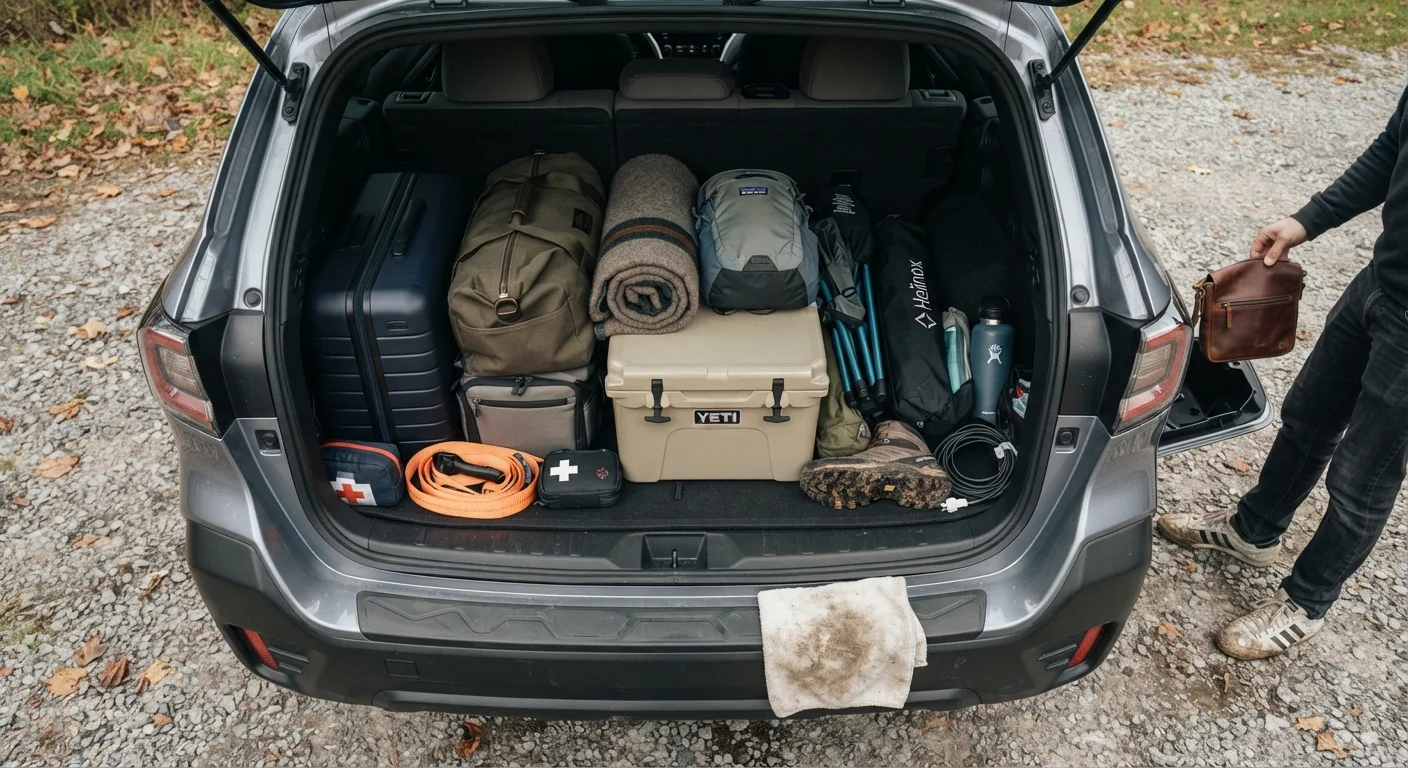
Most drivers treat the boot as a simple container - fill it, close the lid, drive away. In practice, the way weight is distributed across the load space directly influences how the vehicle steers, brakes, and responds to sudden maneuvers. On a short supermarket run, sloppy loading is rarely consequential. On a multi-hour highway trip, the cumulative effect of poor weight placement becomes a genuine safety factor.
Vehicle manufacturers specify a payload capacity - the maximum combined weight of passengers, cargo, and any accessories - for a reason. Exceeding it stresses suspension components, extends braking distances, and can void warranty coverage for related damage. Checking your owner's manual for this figure before you start loading is the simplest step most drivers skip entirely.
For a broader look at what gear actually deserves space on a long drive, see our guide to road trip packing essentials.
Common Boot-Loading Mistakes - and How to Avoid Them
The errors below are consistent across vehicle types and trip lengths. Understanding why each one happens makes it easier to catch before you hit the road.
Loading the heaviest items on top of lighter ones.
Why it happens: Drivers naturally place soft bags first, then stack hard cases and heavy coolers on top for easy access at the destination.
Leaving items loose and unrestrained in the boot.
Why it happens: When packing quickly, drivers assume friction between bags will keep things stable. It rarely does under hard braking.
Piling bags so high they obstruct the rear-view mirror sightline.
Why it happens: Drivers underestimate how far stacked luggage rises when the boot lid is closed, particularly in hatchbacks and SUVs.
Overloading without checking the vehicle's payload rating.
Why it happens: Payload limits are printed in small text in the owner's manual or on a door-jamb sticker, so most drivers never look them up.
Concentrating all weight on one side of the boot.
Why it happens: Drivers pack bags in the order they're carried to the car, which tends to fill one side before the other.
Unsecured Loads Are a Legal Issue, Not Just a Safety One
In most U.S. states, an unsecured load that falls from a vehicle and causes property damage or injury can expose the driver to civil liability and, in some cases, criminal charges. This applies equally to items inside the cabin or boot that exit the vehicle during an incident. Check your state's specific statutes, and treat cargo restraint as a legal obligation, not just best practice.
Rethinking Storage When the Boot Isn't Enough
When the boot genuinely cannot contain everything safely, the instinct is often to compress bags tighter or stack things higher - both of which introduce the risks described above. A better approach is to reconsider what's actually necessary, then evaluate external storage if the trip genuinely demands it.
~30%
Braking distance increase from overloading
Vehicle safety research consistently shows that exceeding recommended payload can extend stopping distances by roughly 30% or more, depending on load and speed.
13%
Average fuel economy reduction from roof cargo boxes
Studies from automotive engineering groups estimate that a loaded rooftop cargo box reduces fuel efficiency by approximately 10-25% at highway speeds, varying by box size and vehicle profile.
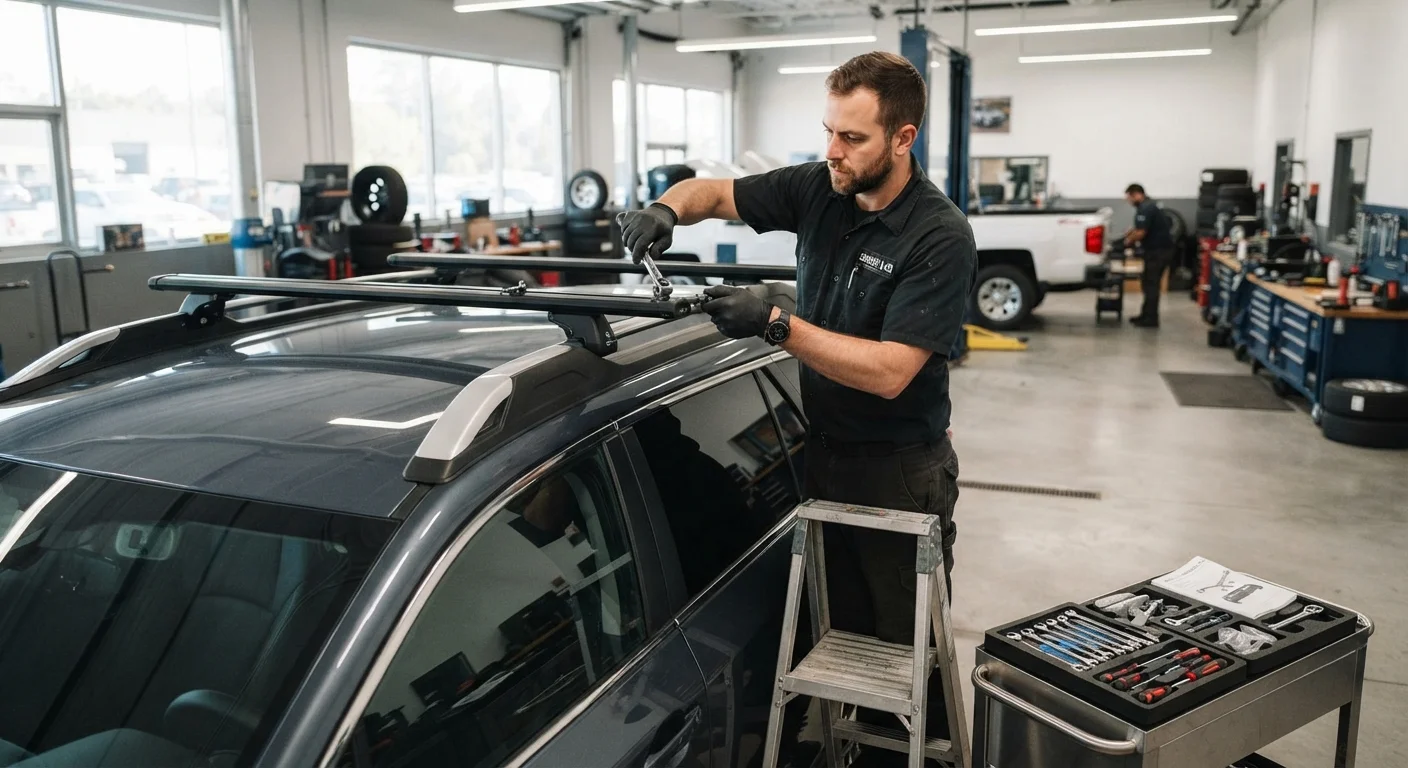
Roof-mounted cargo boxes, hitch carriers, and rear-platform systems each have real-world trade-offs: added wind resistance, increased vehicle height, and changes to handling. Our guide to roof racks and cargo carriers covers how each option mounts and what it costs in fuel economy.
Whatever storage solution you use, the same loading principles apply: heaviest items lowest and closest to the axle, everything restrained, and nothing obstructing driver visibility. Passengers also benefit when the cabin isn't crammed - see our advice on keeping passengers comfortable on long drives for the cabin side of the equation.