What the Law Actually Says About Aftermarket Parts
Many enthusiasts assume that adding any aftermarket accessory automatically voids their factory warranty. That's a misconception worth clearing up before you install a single bolt.
In the United States, the Magnuson-Moss Warranty Act of 1975 establishes that a manufacturer or dealer cannot void your warranty simply because you used an aftermarket or non-OEM part. To deny a warranty claim, the manufacturer must demonstrate - with evidence - that the aftermarket accessory directly caused the failure in question. The burden of proof sits with them, not you.
That said, the law doesn't give you unlimited freedom. If an aftermarket exhaust system causes measurable stress on engine components and that engine later fails, a manufacturer has a defensible basis for denial. Understanding where the line sits is the whole game.
Magnuson-Moss Does Not Cover Everything
The Magnuson-Moss Warranty Act applies to written warranties on consumer products sold in the U.S. It does not override every manufacturer restriction, and it does not prevent a manufacturer from denying a claim if they can show a causal link between an aftermarket part and the failure. State lemon laws and other consumer protection statutes may also apply depending on your situation. When in doubt, consult a consumer protection attorney familiar with automotive warranty disputes.
Which Accessories Carry the Most Risk
Not all accessories are created equal from a warranty standpoint. Risk generally scales with how deeply a part integrates with vehicle systems.
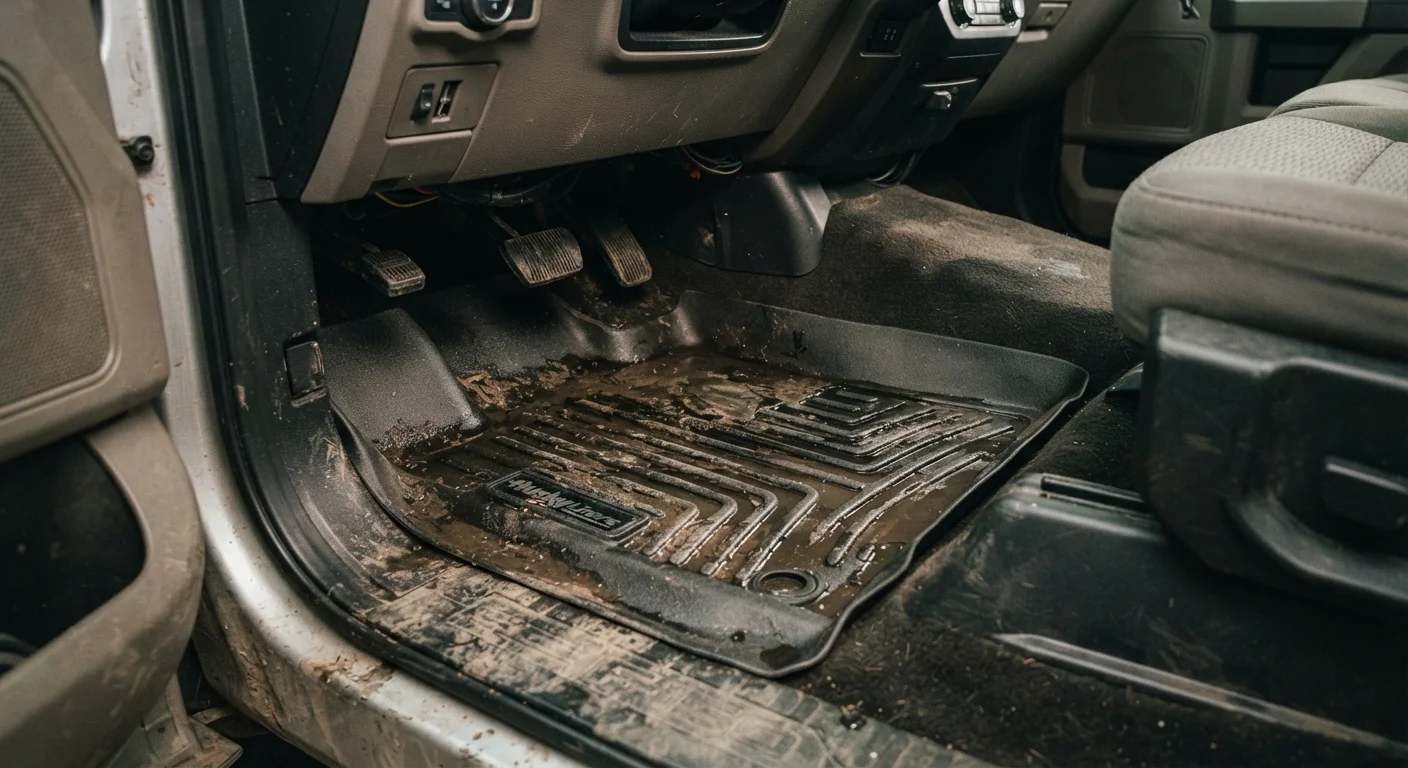
- Low risk: Floor mats, seat covers, cargo organizers, exterior styling trim, bed liners, and similar bolt-on or drop-in items that don't interface with electrical, mechanical, or emissions systems.
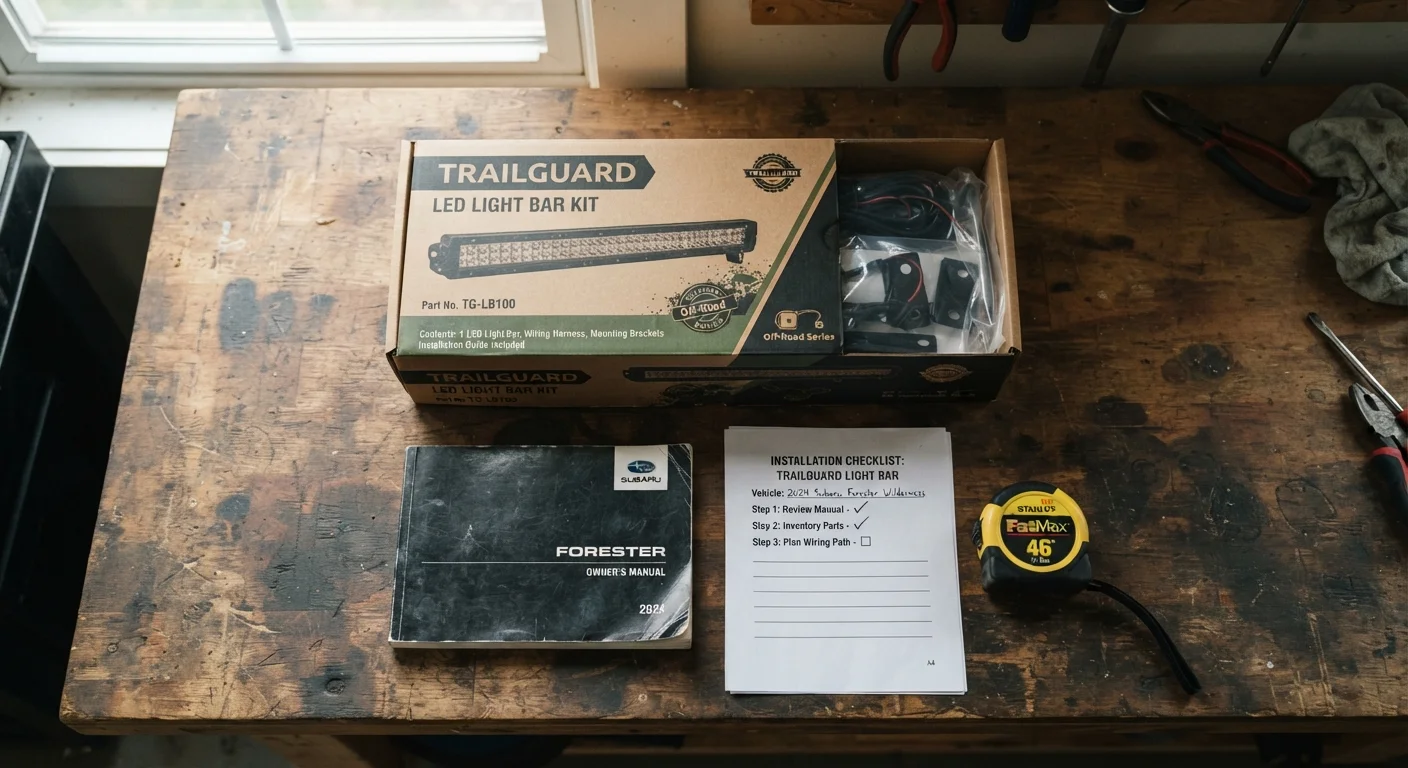
- Medium risk: Aftermarket lighting (especially wiring into existing circuits), suspension leveling kits, and performance air intakes. These touch vehicle systems but don't alter core calibration if installed correctly.
- Higher risk: ECU tunes, exhaust modifications that affect emissions output, lift kits that alter driveline geometry, and any accessory that requires disabling factory safety systems.
Before purchasing, ask yourself: does this part interact with the powertrain, emissions controls, or anything a dealership technician would flag on a diagnostic scan? If yes, research whether the manufacturer has a documented stance on that modification category. Our pre-purchase verification checklist covers exactly what to confirm before you order.
Best Practices for Staying Protected
Read your warranty documentation before installing any accessory
Warranty terms vary significantly between manufacturers and even between vehicle lines within the same brand. Some manufacturers explicitly list approved accessory categories or note which modifications will affect specific coverage areas. Knowing this in advance saves disputes later.
Keep detailed records of every accessory installed, including receipts and installation notes
If a warranty claim is ever contested, documentation shifts the conversation from speculation to evidence. A paper trail showing what was installed, when, and by whom makes it significantly harder for a manufacturer to assert that an accessory caused an unrelated failure.
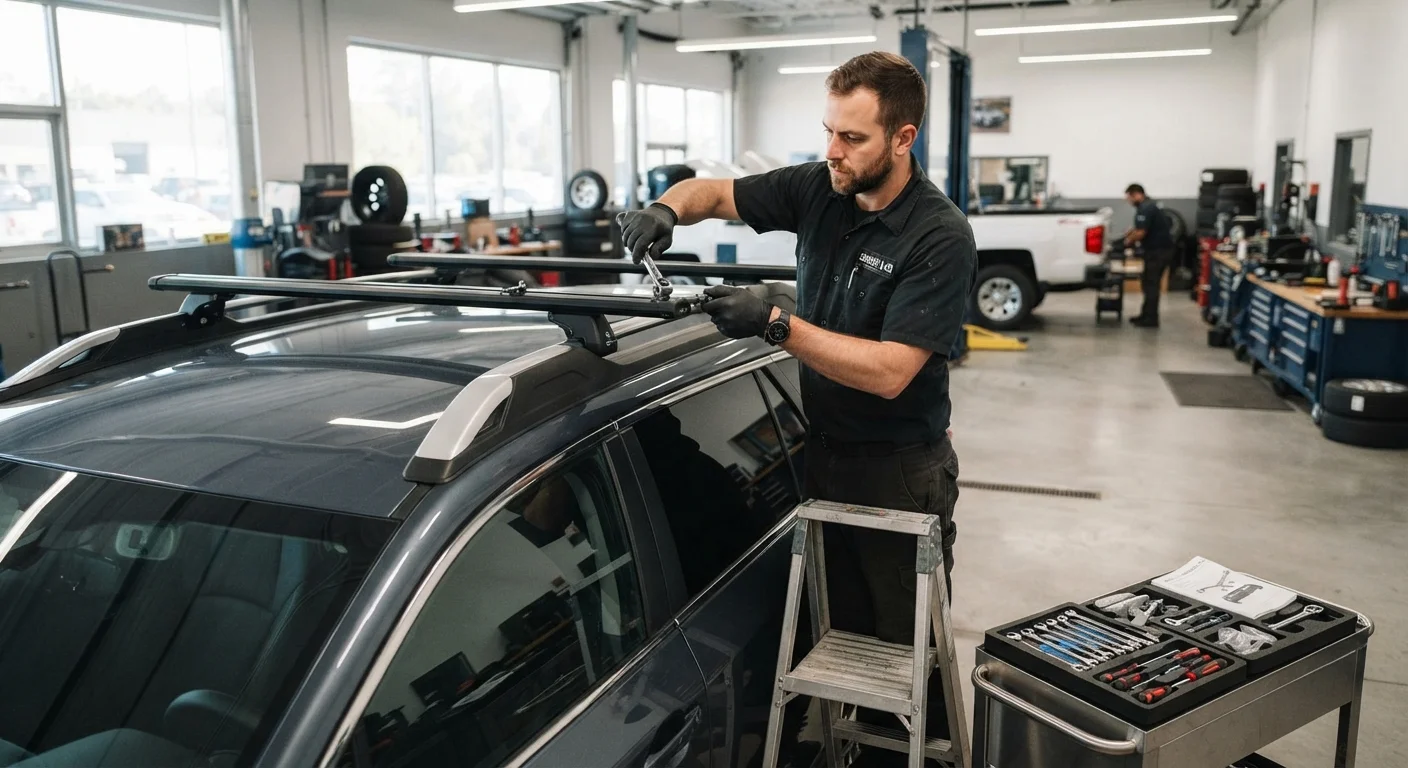
Use a qualified shop for installations that touch vehicle wiring or mechanical systems
Improper wiring or mechanical installation is one of the most common triggers for legitimate warranty denials - not because the accessory itself was the problem, but because the installation caused secondary damage. Professional installation also provides its own paper trail.
Choose OEM-approved or vehicle-specific accessories over generic alternatives when warranty coverage matters
Manufacturer-approved accessories are designed to integrate cleanly with a vehicle's systems and typically come with their own limited warranty. Generic or universal parts are more likely to require adaptation that creates risk of incidental damage.
Confirm whether an accessory affects emissions-related components before installing it
Emissions system modifications carry a distinct risk profile in the U.S. because federal law (the Clean Air Act) restricts tampering with emissions controls independently of warranty law. An accessory that affects catalytic converter function or O2 sensor readings can create legal exposure beyond just a warranty denial.
If a warranty dispute does arise, your documentation is your evidence. Enthusiasts who record their installs methodically are in a far stronger position than those who don't.
Also consider whether universal-fit parts are actually right for your vehicle - poorly fitted accessories are more likely to cause incidental damage that muddies a warranty claim.
Getting Started Without Overcomplicating It
Most enthusiasts aren't doing engine tunes on day one. If you're new to the aftermarket world, starting with accessories that have zero realistic warranty interaction - interior upgrades, cargo solutions, exterior trim - lets you build experience and confidence without any legal complexity.
For a structured look at where most enthusiasts begin, see where enthusiasts usually start. And if something goes sideways during installation, understanding what causes installs to go wrong will help you course-correct before any damage is done.
This article provides general educational information about vehicle warranty principles in the U.S. and is not legal advice. Warranty terms vary by manufacturer, vehicle, and specific situation. Consult your warranty documentation and, where needed, a qualified legal professional for guidance specific to your circumstances.