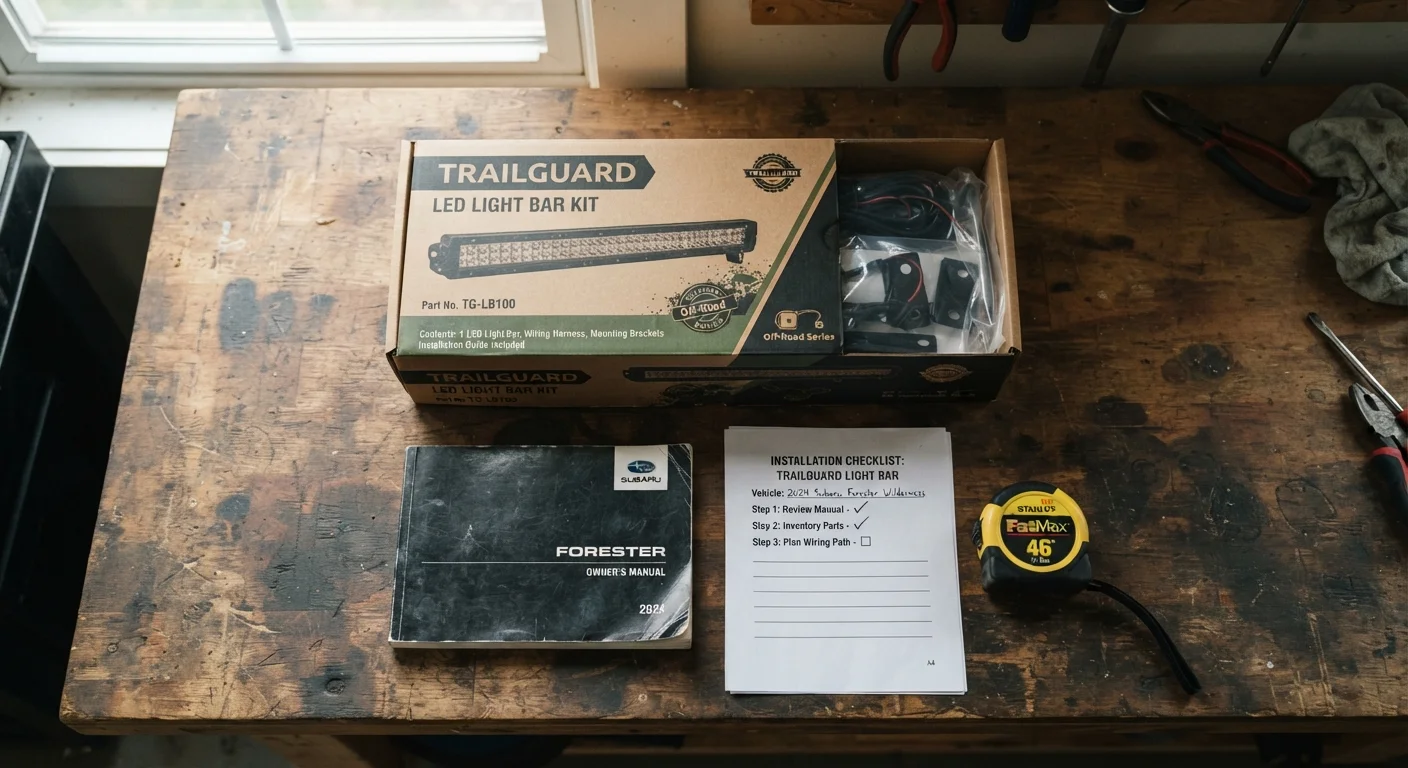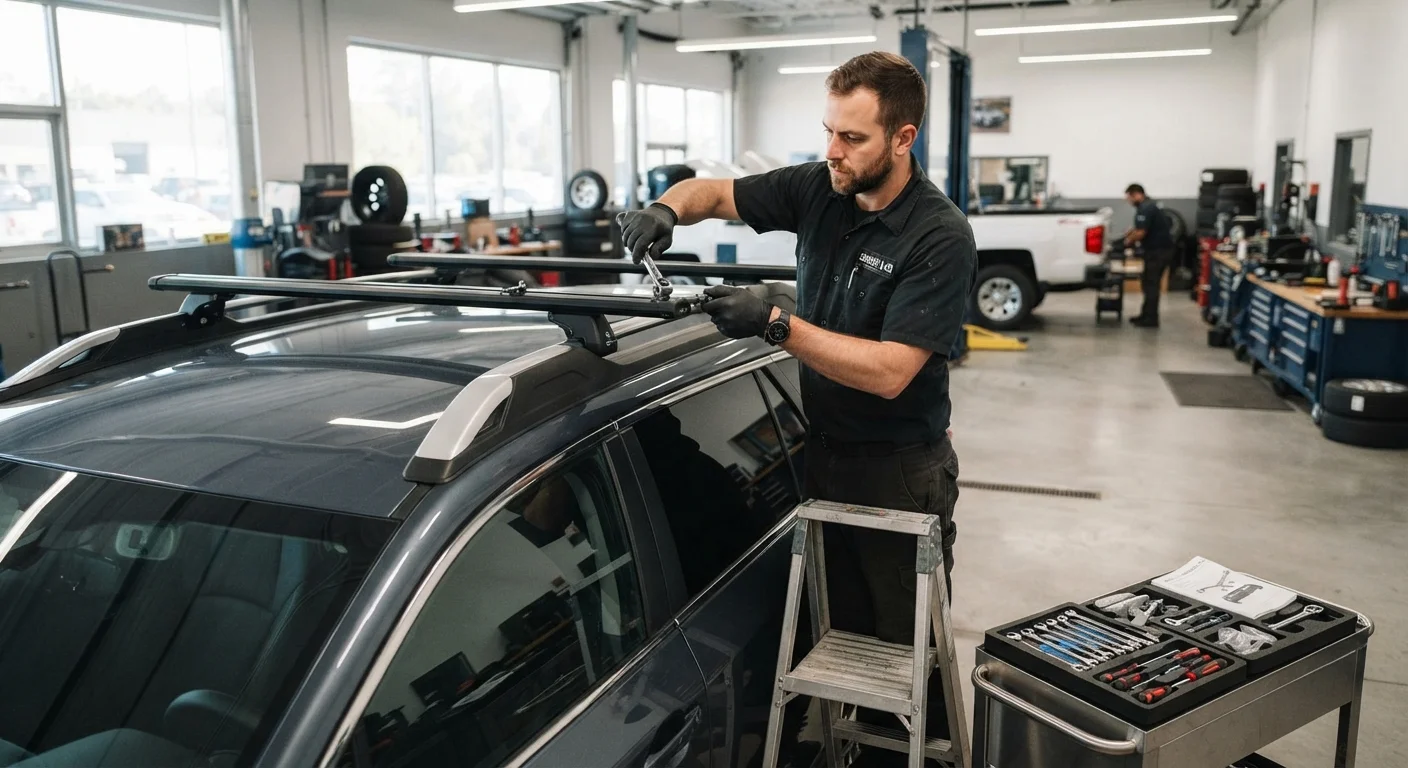
What 'Universal Fit' Actually Means
When a product listing says universal fit, it means the manufacturer designed the part to work across a wide range of vehicles without vehicle-specific engineering. That's a description of production strategy, not a guarantee of compatibility. Before exploring the myths, it's worth understanding the terminology - our glossary of vehicle accessory terms covers universal-fit, OEM fitment, and related jargon in plain language.
Universal parts exist on a spectrum. A bungee-style cargo net that clips to anchor points is genuinely flexible. A universal-fit catalytic converter heat shield or a one-size-fits-most mud flap is a different matter entirely - the fit tolerance matters far more, and the consequences of a poor fit are real.
Myth
If a product says 'universal fit,' it will work on any vehicle without issue.
Fact
Universal fit means the part is designed to work across many vehicles, not all - and 'work' often means 'install,' not 'fit precisely.'
Manufacturers use universal fit to reach a broader market without tooling separate parts for every vehicle variant. The label tells you about production economics, not engineering precision. A universal-fit product may mount successfully on your vehicle while still leaving visible gaps, requiring improvised modifications, or performing below what a vehicle-specific part would deliver.
Myth
Universal-fit parts are always cheaper, so they're the smart budget choice.
Fact
Universal-fit parts may have a lower sticker price, but poor fitment can mean additional hardware, modification time, or early replacement - which erases the initial savings.
A vehicle-specific part that fits correctly the first time often costs less in total when you account for installation labor, any adapters needed to make a universal part work, and the possibility of needing to replace a poorly fitting part sooner. Price-per-outcome is a more useful frame than purchase price alone.
Myth
Universal-fit accessories are fine for any non-mechanical application.
Fact
Even non-mechanical accessories can create hazards or accelerated wear when fitment is imprecise - the application context matters more than the mechanical vs. non-mechanical distinction.
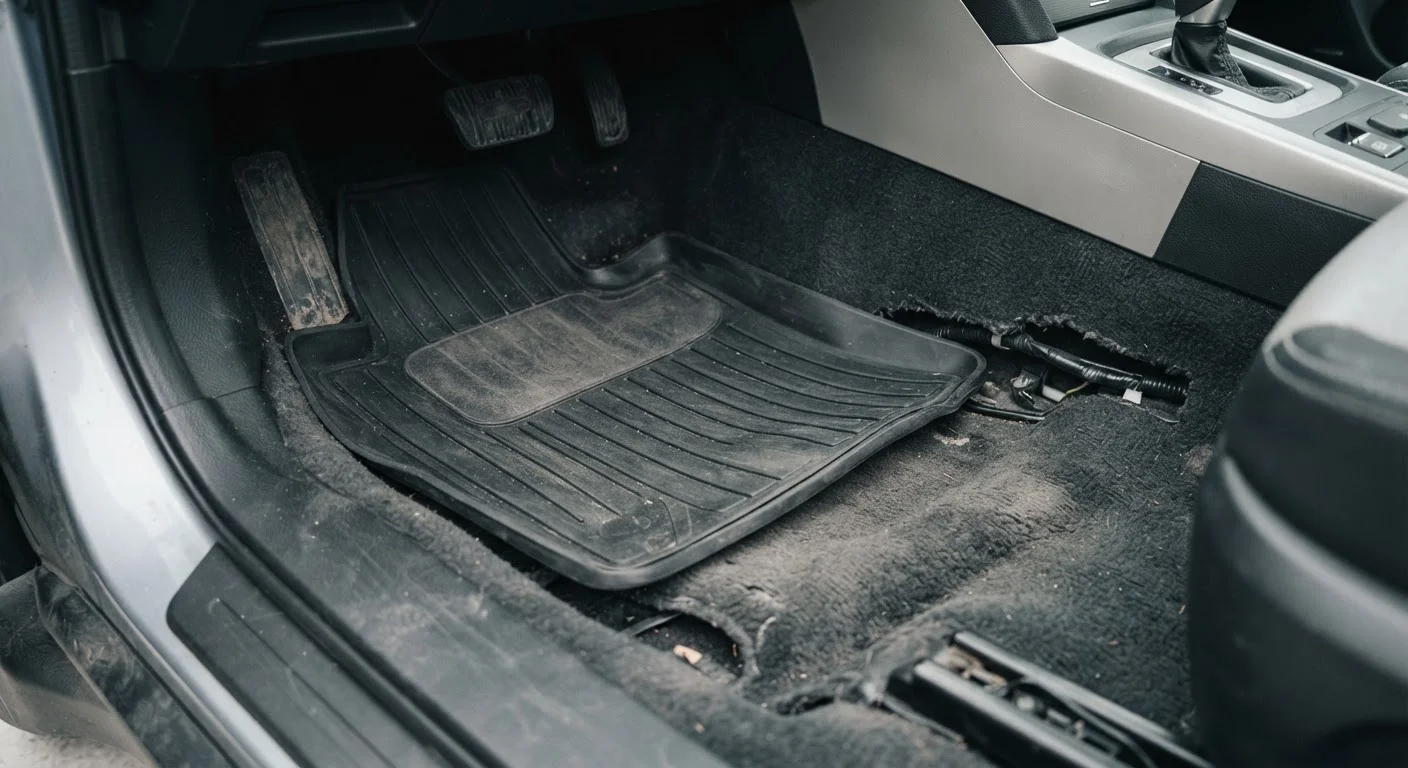
Floor mats are a well-documented example: a mat that slides forward can interfere with brake or accelerator pedals. Loose-fitting covers can trap heat. Ill-seated weatherstripping lets in water. The question isn't whether the part is mechanical, but whether imprecision in its fit creates downstream risk for the vehicle or occupants.
Myth
If it installed without major modifications, the fitment is good enough.
Fact
A part that physically installs isn't necessarily performing correctly - gaps, flex, vibration, and seal failures may only become apparent over time or under load.
Many fitment problems aren't visible at installation. A seemingly snug universal-fit mud flap may work loose after several miles of road vibration. A universal air filter housing that appears to seat correctly may develop micro-gaps as temperatures cycle. Installation success is a starting point, not a fitment verdict.
When Universal Fit Creates Real Problems
Fitment gaps aren't just cosmetic. A floor mat that doesn't anchor properly can slide under a pedal. A poorly fitting dashboard phone mount may vibrate loose on rough roads. A universal-fit intake snorkel that doesn't seal cleanly against the airbox can draw unfiltered air. These are low-probability events with specific parts, but they're also preventable with the right fitment choice.
Floor Mats and Pedal Clearance
Universal-fit floor mats are one of the most common fitment problem areas flagged in vehicle safety literature. A mat that doesn't anchor securely to factory retention points can migrate toward the pedal cluster during normal driving. Always confirm that any floor mat - universal or otherwise - is secured using the vehicle's OEM anchor points and does not impede full pedal travel.
The risk profile scales with the application. Non-structural, low-load accessories - cargo organizers, seat-back pockets, cup holder inserts - tolerate universal fitment reasonably well. The further a part moves toward structural, safety-adjacent, or sealed-system applications, the more precise fitment matters.
If you're unsure whether a planned install could affect your factory warranty, understand the warranty implications before you commit. And for a broader look at what separates a bolt-on accessory from a modification, see our accessories vs. modifications explainer.
How to Verify Fitment Before You Order
The single most effective habit is confirming fitment with your vehicle's full specification - year, make, model, trim level, and submodel - not just the general model name. Many vehicles share names across generations or trim lines while having meaningfully different dimensions, mounting points, or electrical architectures.
6+
Vehicle specs needed for accurate fitment lookup
Year, make, model, trim, submodel, and engine displacement are typically required to return reliable fitment data from parts databases.
~30%
Returned auto parts attributed to fitment errors
Industry estimates from parts retailers suggest fitment-related returns consistently account for a substantial share of aftermarket accessory returns.
Reputable parts suppliers maintain fitment databases you can cross-reference. When that data is absent or vague, treat it as a flag. Our pre-purchase accessory checklist walks through the specific verification steps worth running before placing any order.
Installation errors compound fitment problems. For a clear-eyed look at what goes wrong when accessories don't fit properly - and how to approach the install process more carefully - see our guide on accessory install pitfalls.
Universal-fit parts are a legitimate category. The problem isn't the parts themselves - it's assuming the label means more than it does.