Why Accessories Before Modifications?
The most common beginner mistake is jumping straight to modifications - suspension tweaks, engine tunes, exhaust swaps - before understanding how they interact with your vehicle's systems, warranty, and insurance. Accessories are a smarter entry point: they're typically reversible, lower in installation risk, and immediately practical.
Before you spend anything, it's worth reading what counts as an add-on versus a modification so you know which category your intended purchase falls into. That distinction shapes everything from installation complexity to potential warranty implications.
OEM Fitment
A part or accessory designed to match the original equipment manufacturer's specifications exactly, so it fits your vehicle as precisely as a factory-installed component.
Universal Fit
An accessory designed to work across a wide range of vehicles with some adjustment, rather than being engineered for one specific make and model.
ADAS
Advanced Driver-Assistance Systems - electronic safety features like lane-keeping, automatic emergency braking, and blind-spot monitoring that can be disrupted by improperly installed accessories near their sensors.
Magnuson-Moss Warranty Act
A US federal law that limits a manufacturer's ability to void a vehicle warranty solely because an aftermarket part was added, unless they can prove the aftermarket part caused the specific problem.
Trim Level
A specific configuration or package tier of a vehicle model - such as base, mid, or sport - that determines which factory features and dimensions your vehicle has, which directly affects accessory compatibility.
The Foundational Categories Most Enthusiasts Start With
Experienced enthusiasts tend to converge on a handful of starting categories - not because forums say so, but because these areas deliver tangible, everyday value:
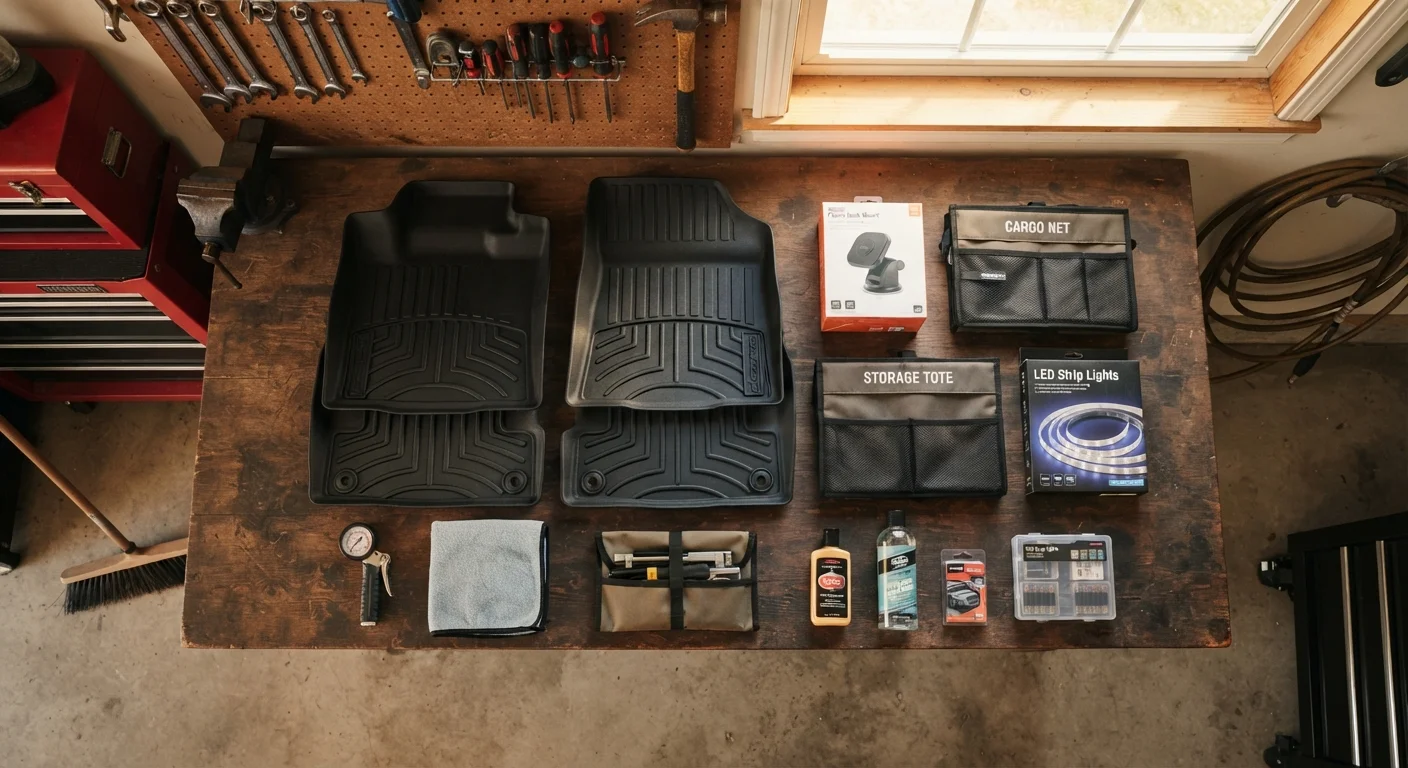
- Interior protection: All-weather floor liners and cargo mats guard against the wear that quietly erodes resale value. This is arguably the highest-utility first purchase for any daily driver.
- Cabin organization: Seat-back organizers, center console trays, and trunk cargo nets address the chaos that builds up quickly in a used or working vehicle.
- Driver convenience: Phone and GPS mounts, sunshades, and steering wheel covers are inexpensive and interact with every single drive.
- Exterior protection: Door edge guards, mud flaps, and paint-protection film strips on high-impact zones prevent cosmetic damage that accumulates gradually.
- Lighting: Upgraded interior LED kits or cargo-area lights are low-complexity installs that meaningfully improve usability.
Notice what's absent from this list: performance parts, appearance upgrades, and audio overhauls. Those categories involve more compatibility variables, higher costs, and sometimes professional installation - appropriate for a second or third phase, not the first.
Start With What You'll Use Every Day
The accessories that deliver the most satisfaction are the ones you interact with on every drive. A quality floor liner or a well-placed phone mount outperforms a flashy performance part you forget is there. Prioritize frequency of use when building your first list.
Fitment and Compatibility: What to Verify First
Poor fitment is the single most common source of buyer's remorse in the accessory world. A cargo liner that doesn't sit flush, a phone mount that obstructs the airbag, or a mud flap that contacts the wheel well - all avoidable with verification before purchase.
At minimum, you need your vehicle's year, make, model, and trim level. For truck and SUV accessories, add cab configuration and bed or cargo dimensions. For anything touching electronics, know your factory-installed option codes - a lane-keeping system or factory audio upgrade can change what's compatible.
The accessory shopping pre-flight checklist walks through every variable worth confirming before you order. The enthusiast glossary of accessory terms is also useful if you're encountering terms like OEM fitment, IP ratings, or universal-fit for the first time.
Your Door Jamb Label Is Your Fitment Reference
The sticker inside your driver's door jamb contains your vehicle's exact build date, paint code, GVWR, and often option codes. This information is more reliable than memory when confirming accessory compatibility. Take a photo of it now and keep it handy when shopping.
Warranty Considerations You Shouldn't Skip
The Magnuson-Moss Warranty Act governs how aftermarket accessories interact with factory warranties in the US. In general, a manufacturer cannot void your entire warranty simply because you added an aftermarket accessory - but they can deny coverage for a specific claim if they demonstrate the accessory caused the problem.
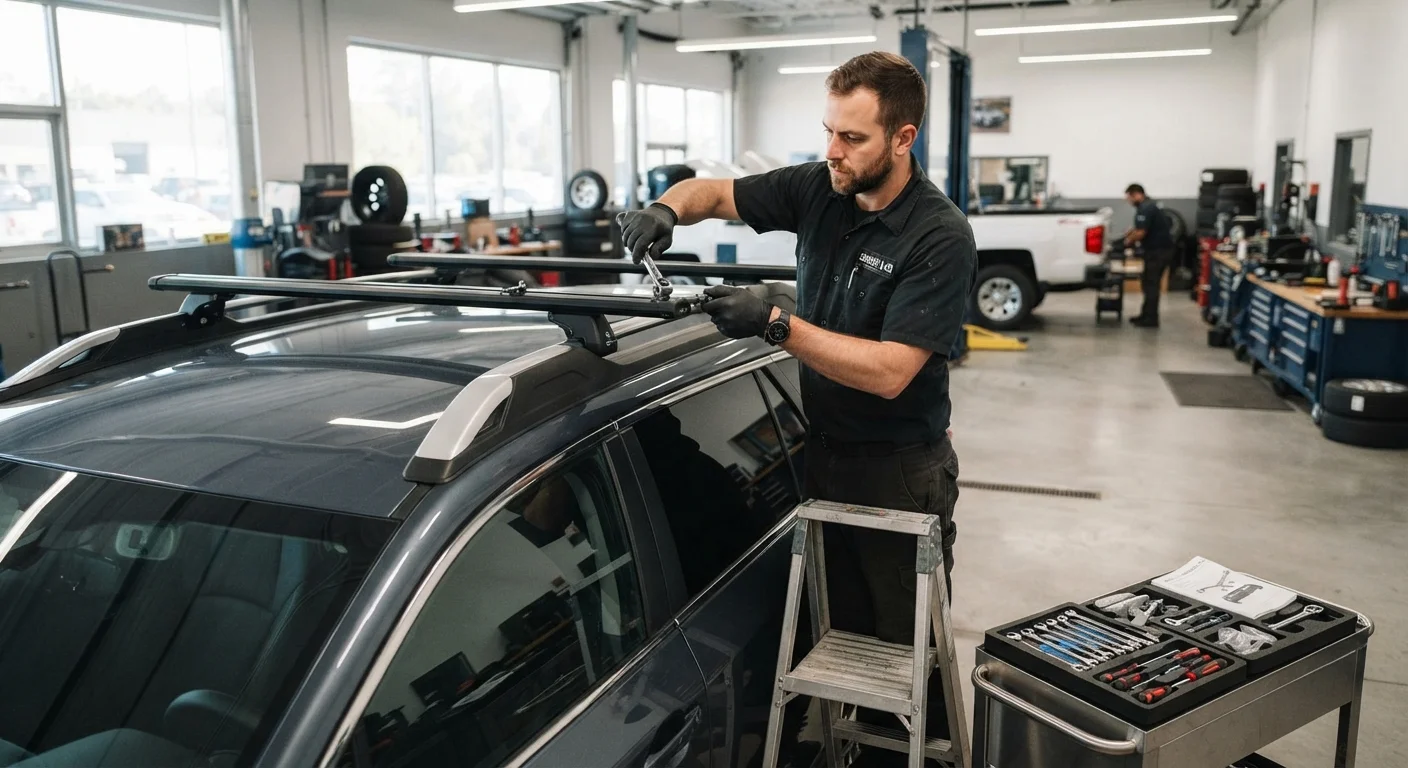
Practical implications: a cargo mat won't endanger your powertrain warranty. But an improperly installed roof rack that damages the headliner might affect a related interior claim. And anything touching your vehicle's ADAS sensors, fuel system, or emissions equipment carries real risk if installed incorrectly.
Read how to fit accessories without voiding your warranty before purchasing anything you're uncertain about. When in doubt, have the installation reviewed by a qualified mechanic or authorized dealer technician.
Building Your Accessory List Strategically
The most effective approach is to start with a use-case audit: how do you actually use your vehicle? A weekend trail runner has different priorities than a weekday commuter hauling a family. Write down the three friction points or annoyances you experience most on your drives - those are your first three accessory targets.
From there, apply a simple filter before any purchase:
- Does it solve a real, recurring problem or protect something I care about?
- Is fitment confirmed for my exact vehicle configuration?
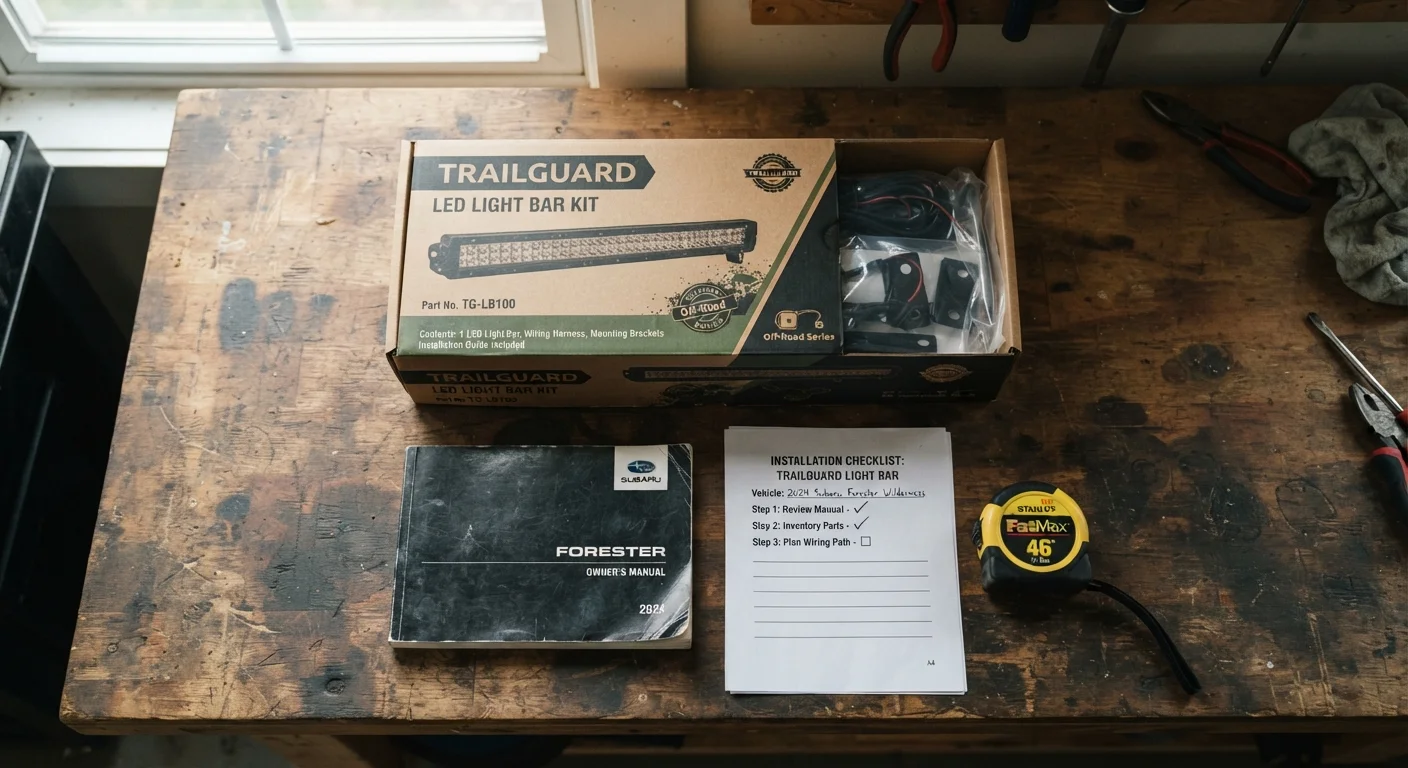
- Can I install it safely without specialized tools or professional help?
- Have I checked the warranty implications?
If an item doesn't clear all four, it's either a later-phase purchase or it needs more research first. Accessories accumulate fast, and the enthusiasts who end up with the most useful setups are the ones who resisted impulse buying early on. For a broader perspective on assessing vehicle-related value, the framework in evaluating vehicle prices translates well to accessory decisions too.
When you're ready to expand into hands-on installation, DIY repair guides and parts explainers provide the mechanical context that makes accessory installation less intimidating.