Why Most Accessory Purchases Go Underused
Automotive accessories are easy to justify at the point of sale. You're in an enthusiast mindset, the packaging is compelling, and the use case feels obvious. But research into consumer purchasing habits consistently shows that specialty accessories - especially those tied to specific activities - see far less real-world use than buyers anticipate when purchasing them.
The core problem is confusing intended driving with actual driving. Most SUV owners log the majority of their miles on commutes, school runs, and grocery trips. Accessories designed for off-road trails or weekend camping rarely get activated during those miles. Before evaluating any add-on, it helps to understand what counts as an accessory vs. a modification, since that distinction affects fitment, resale, and in some cases, warranty coverage.
Accessories vs. Modifications: A Practical Distinction
Some products marketed as accessories cross into modification territory - meaning they alter factory systems, affect structural components, or require professional installation. This distinction matters because modifications can affect manufacturer warranties and may have insurance implications. When evaluating any add-on, confirm whether it qualifies as a reversible accessory or a permanent modification under your vehicle's warranty terms.
Accessories That Genuinely Improve Daily Driving
Certain categories earn their keep precisely because they engage with every single trip, not just occasional adventures.
All-weather floor liners protect and add daily convenience
Used on every trip by every occupant, quality floor liners contain mud, water, and debris while preserving the factory carpet beneath - directly supporting resale value over time.
Cargo organizers reduce load chaos on every trip
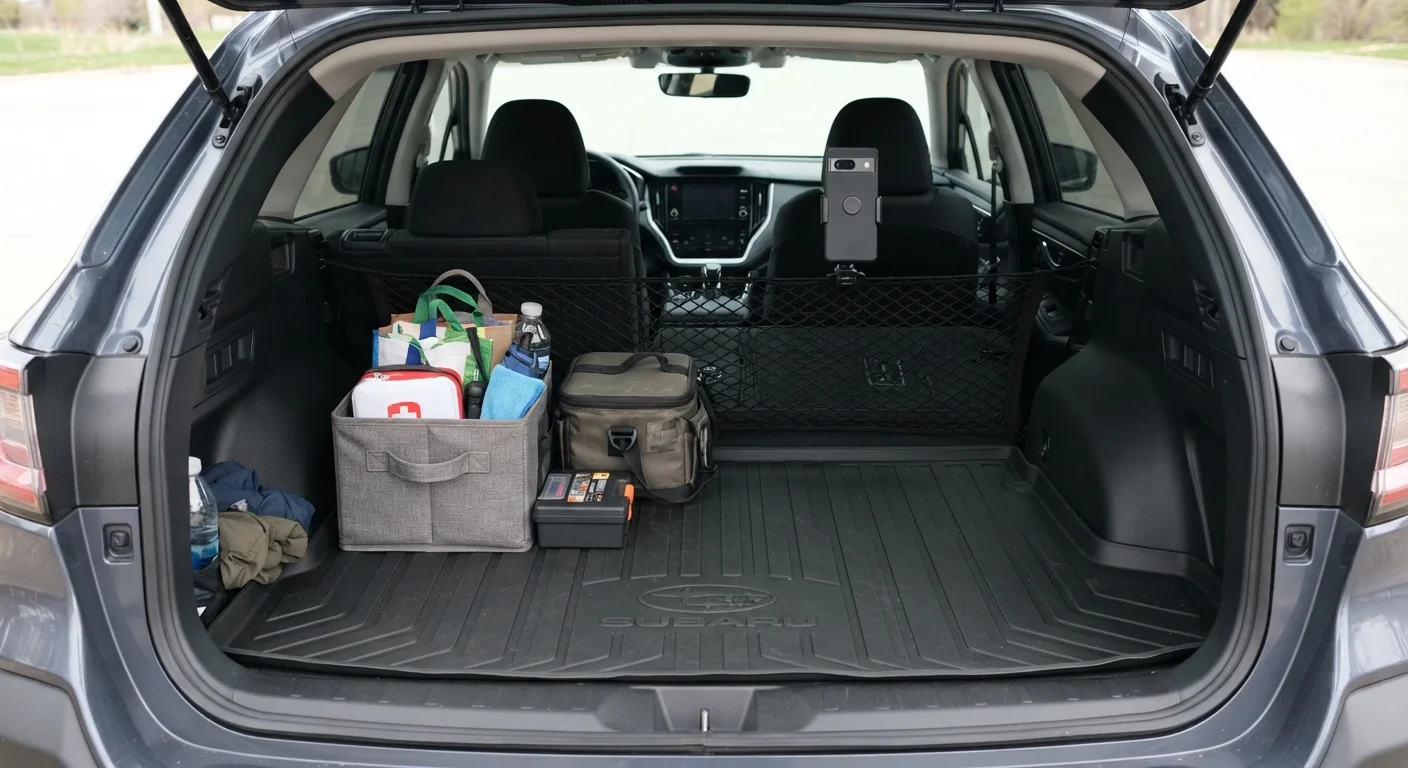
Whether hauling groceries or gear, a structured boot organizer prevents shifting loads, makes items retrievable without unpacking everything, and adds measurable utility to weekly driving.
Stable phone mounts eliminate daily navigation friction
Drivers who rely on GPS apps interact with a phone mount on every single journey; a reliable holder reduces distraction and is among the most-used accessories in any category.
Cabin comfort add-ons improve long trips noticeably
Lumbar cushions, sun shades, and rear-seat organizers address real fatigue and comfort gaps that accumulate over hours, benefiting both drivers and passengers on frequent longer runs.
Rear cargo liners protect high-wear surfaces affordably
Boot liners are low-cost relative to the upholstery and panel damage they prevent, and they're easy to remove and clean - a straightforward value proposition with no significant downsides.
All-weather floor liners are arguably the highest return-on-investment accessory category. Every occupant interacts with them constantly, they protect resale value by preserving factory carpet, and the cleanup benefit is immediate. Similarly, cargo area organizers and boot liners reduce the chaos of mixed loads - work gear, groceries, sports equipment - that many SUV owners haul weekly. For those frequently carrying passengers on longer stretches, cabin comfort accessories like lumbar supports and window shades consistently rank as high-use items.
Dashboard and vent-mounted phone holders also clear a low bar easily: if you use navigation daily, a stable mount removes constant friction. Magnetic or adjustable-arm designs that work with your specific dashboard layout tend to outperform cheap universal options, though the category itself delivers regardless of price tier.
Accessories That Rarely Earn Their Price in Practice
Some add-ons have legitimate use cases - they're just not suited to most drivers most of the time.
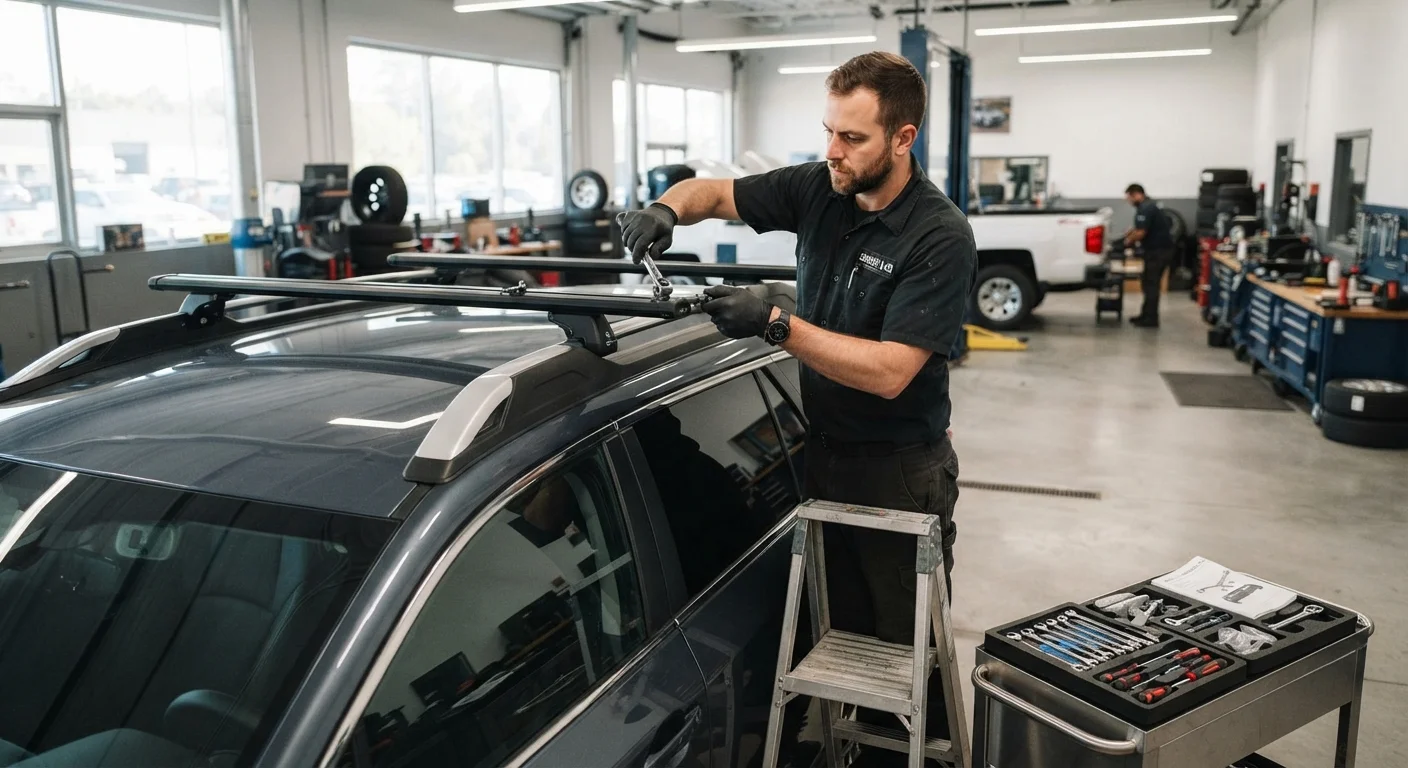
Roof racks add drag and noise when not loaded
Permanently mounted crossbars create wind resistance and audible noise at highway speeds even when carrying nothing, creating an ongoing cost in both fuel efficiency and comfort.
Specialty lighting rigs serve a narrow use case
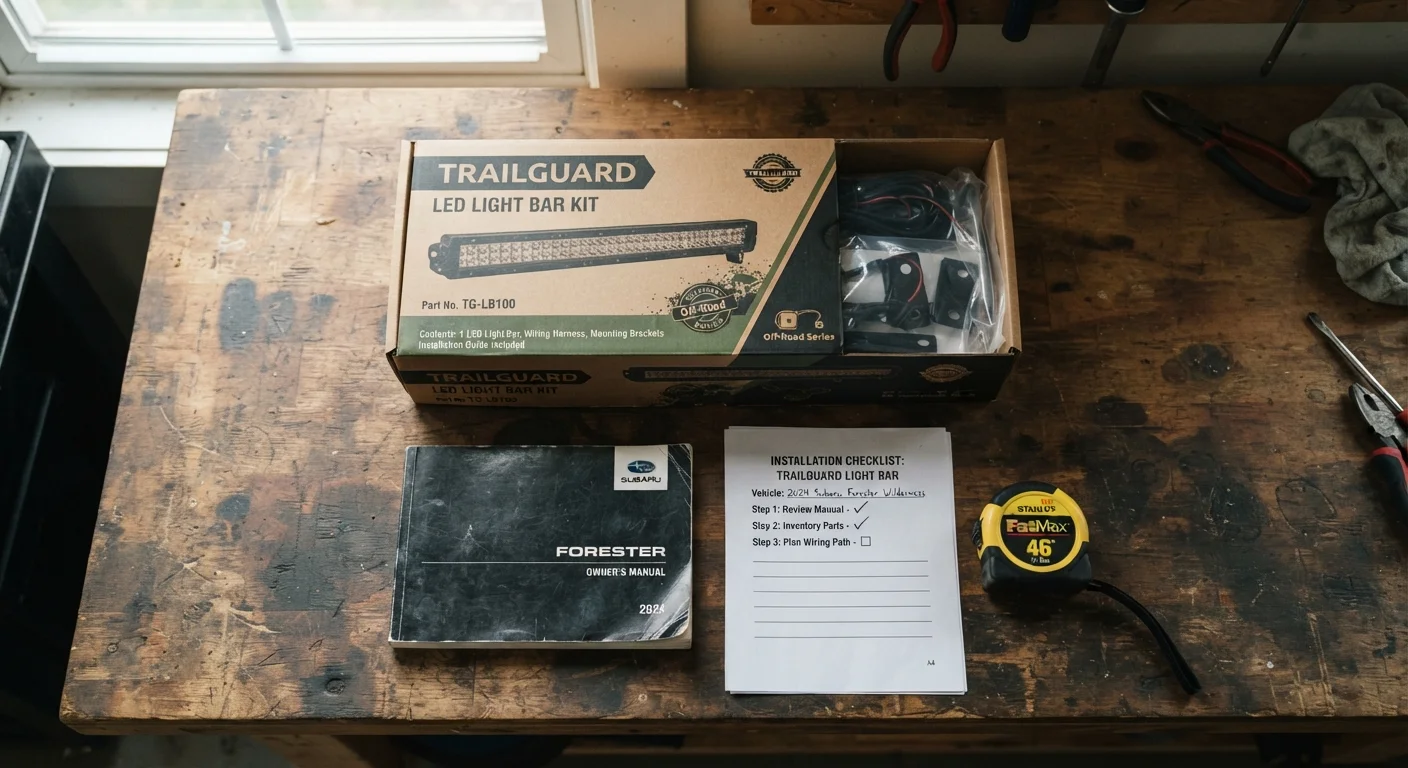
Roof-mounted light bars are designed for off-road night driving - a scenario most SUV owners encounter rarely if ever, making this one of the lower-utilization accessory categories.
Running boards may compromise ground clearance
Aftermarket side steps add entry convenience but can reduce the clearance margin that makes SUVs capable on rough terrain, creating a trade-off that undermines a core vehicle strength.
Activity-specific gear sits idle between seasons
Roof-mounted bike carriers, ski boxes, and kayak cradles are excellent when in active use, but owners who use them infrequently absorb cost and installation effort for limited return.
Overland-style accessories rarely match real driving patterns
Heavy-duty skid plates, snorkels, and external storage systems are purpose-built for demanding off-road use that most SUV owners - even enthusiasts - engage in only occasionally.
Roof racks and crossbars are a textbook example. They make sense for drivers who regularly haul bikes, kayaks, or cargo boxes. But for owners who mount equipment a handful of times annually, the permanent wind noise penalty, slight fuel economy drag, and installation hassle rarely balance out. Similarly, roof-mounted lighting bars are almost exclusively useful off-road at night - a scenario that applies to a small fraction of SUV owners with any regularity.
Aftermarket running boards and side steps are another case where the real-world math can disappoint. Taller SUVs do have a legitimate entry-height challenge, but many factory step heights are manageable without additions, and aftermarket boards can complicate ground clearance if the owner ever uses the vehicle off-pavement. Targeted cabin storage solutions often solve perceived cargo problems more effectively and cheaply than adding external carry systems.
How to Assess an Accessory Before Buying
A simple self-audit cuts through the noise. Ask: how many times per week will this accessory be actively used? If the honest answer is fewer than once or twice, the use case may not justify the cost or installation effort.
~70%
SUV miles driven in urban or suburban settings
Industry estimates consistently indicate the majority of SUV mileage accumulates in everyday commuting and errand contexts, not the off-road or adventure scenarios many accessories target.
3-5×
Higher perceived value for daily-use accessories
Consumer satisfaction surveys across automotive accessories categories generally show that high-contact, daily-use items score substantially higher satisfaction ratings than activity-specific add-ons.
It also helps to distinguish between accessories that solve a friction you currently experience - things that actively annoy or inconvenience you in your current setup - versus accessories that solve a hypothetical future friction. The former category nearly always delivers satisfaction; the latter frequently disappoints.
For SUV owners who also run recreational vehicles or spend time camping, the calculus shifts somewhat - external storage and cargo-management systems see far more use in that context. The RV living and setup considerations that apply to full-time campers overlap meaningfully with what heavy-use SUV adventurers should weigh. But for most daily drivers, the practical wins remain firmly inside the cabin.