Where the Line Actually Falls
The clearest way to draw the line: an add-on is reversible and doesn't change how the vehicle was designed to operate. A modification changes the vehicle's original engineering, performance envelope, or compliance status - and those changes are often difficult or impossible to fully undo.
Consider a bed liner in a pickup truck. A drop-in liner sits on top of the bed; remove it, and the truck is exactly as it left the factory. A spray-in liner permanently bonds to the metal and changes the bed's surface - it's a minor modification by most definitions, even though it serves a purely protective function.
The same logic applies across vehicle types. A cargo net in an SUV is an add-on. Removing the rear seats to create cargo space by altering mounting points is a structural modification. The part category matters less than what changes when it's installed.
The Same Part, Two Different Outcomes
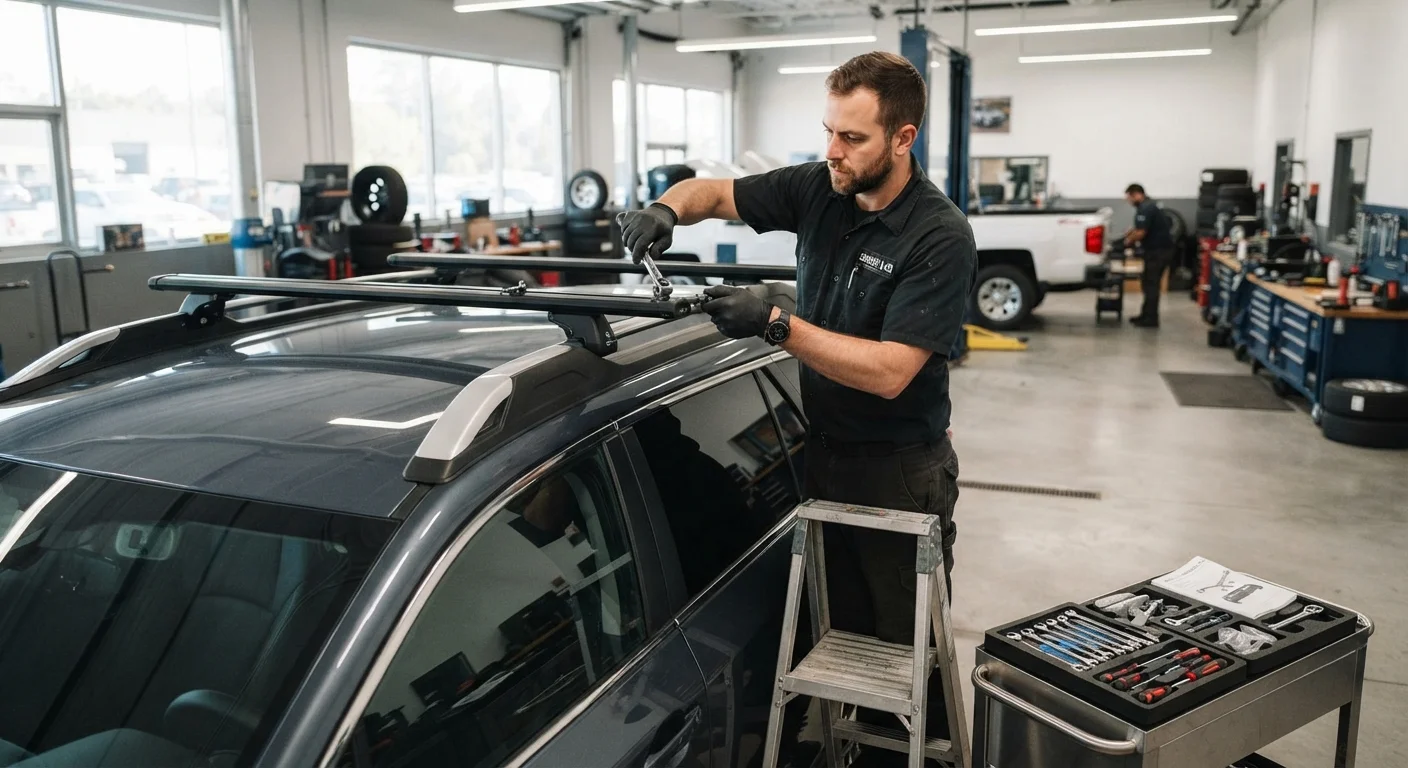
Installation method can flip a part from accessory to modification. An aftermarket suspension component bolted into factory mounting points may qualify as a direct replacement accessory. The same component installed by grinding down a mounting bracket or welding in new points becomes a structural modification. Always check fitment documentation and, when in doubt, consult a qualified mechanic before installation.
Why the Distinction Has Real Consequences
This isn't just semantic. The add-on versus modification divide has practical effects in three areas:
- Warranty coverage: Modifications that affect powertrain, emissions, or safety systems can give manufacturers grounds to deny related warranty claims. Straightforward accessories rarely create that exposure. For a detailed breakdown, see our guide on fitting accessories without voiding your warranty.
- Insurance: Undisclosed modifications can complicate claims. Many insurers require disclosure of changes that alter performance or safety characteristics, and failing to disclose can affect coverage.
- Resale and financing: Lenders appraising a vehicle for a loan may discount heavily modified vehicles. Dealer-installed accessories, meanwhile, have their own pricing dynamics - something worth understanding before you sign. Our article on how dealer add-ons affect the true cost of a vehicle covers this in depth.
~$42B
U.S. automotive accessories market size
The U.S. automotive accessories and parts aftermarket is a multi-billion-dollar segment, reflecting how common add-on purchases are among vehicle owners.
15 Mag-Moss
U.S.C. section governing aftermarket warranty rights
The Magnuson-Moss Warranty Act (15 U.S.C. § 2302) sets the federal standard requiring manufacturers to prove a causal link before denying warranty coverage due to aftermarket parts.
Gray Areas Enthusiasts Encounter Most Often
Most genuine head-scratchers fall into a few recurring categories:
Performance air intakes and exhaust components
A cold-air intake or cat-back exhaust system replaces OEM parts and changes airflow characteristics. Even if emissions output stays within legal limits, these are modifications - they alter how the engine breathes and sounds. In some states, any aftermarket exhaust component requires a CARB (California Air Resources Board) exemption order or equivalent state approval to remain street-legal.
Lift kits and leveling kits
A leveling kit that uses spacers to raise the front of a truck a couple of inches is often treated as an accessory in casual conversation. But it changes suspension geometry, affects tire clearance, and can influence handling dynamics - making it a functional modification with real alignment and wear implications. Trucks and SUVs are particularly prone to this gray zone; see our hub on Trucks & SUVs for more context on capability-focused upgrades.
Lighting upgrades
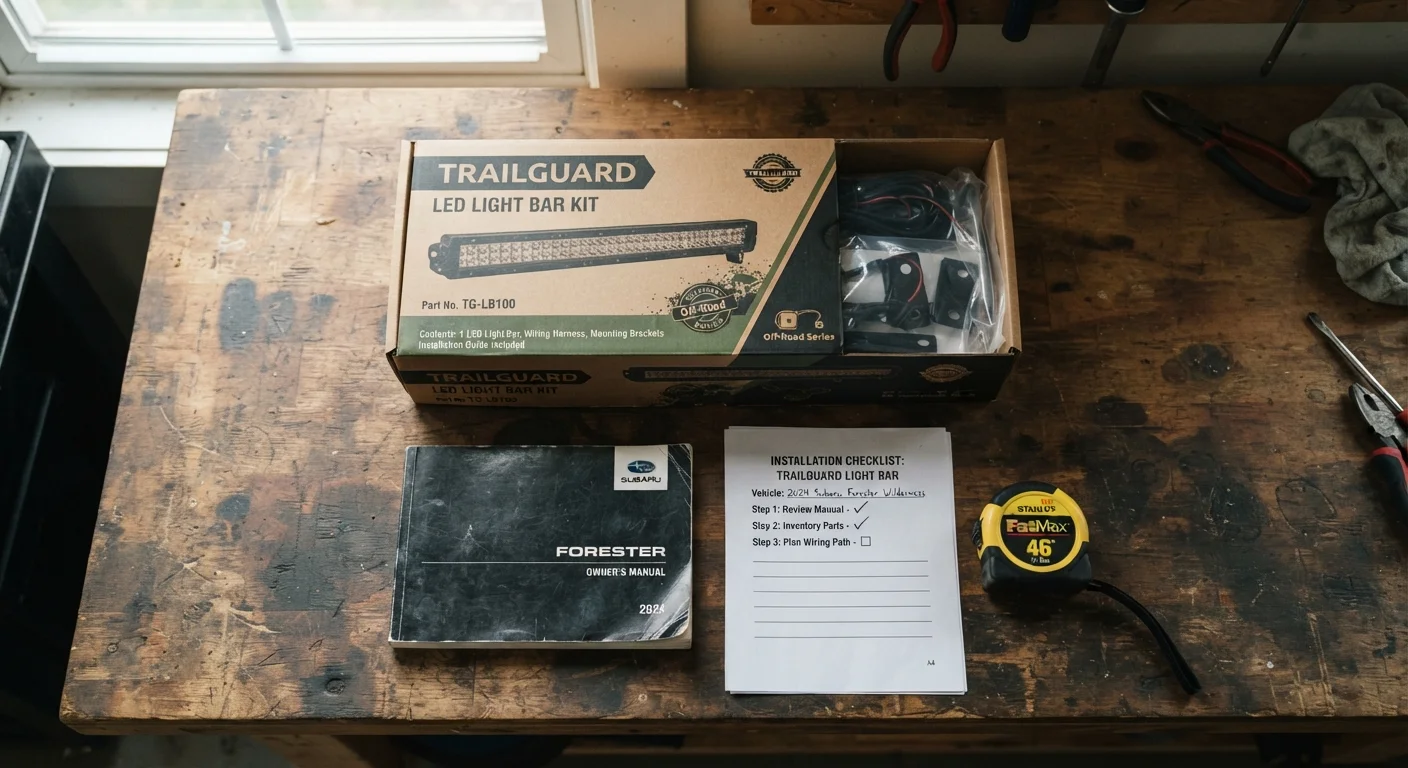
Swapping OEM bulbs for higher-output LEDs in a direct-fit housing is widely considered an accessory swap. Installing projector housings that weren't designed for your vehicle, or adding auxiliary lighting without proper wiring and control, moves into modification territory - and may create DOT compliance questions.
Check Your State's Equipment Laws First
Emissions standards, lighting regulations, and suspension height limits vary meaningfully by state. What's street-legal in one state may require inspection or certification in another. Before purchasing any part that changes performance, lighting, or ride height, verify compliance with your state's vehicle equipment statute - not just the retailer's product description.
Starting Smart: Accessories That Deliver Without the Complications
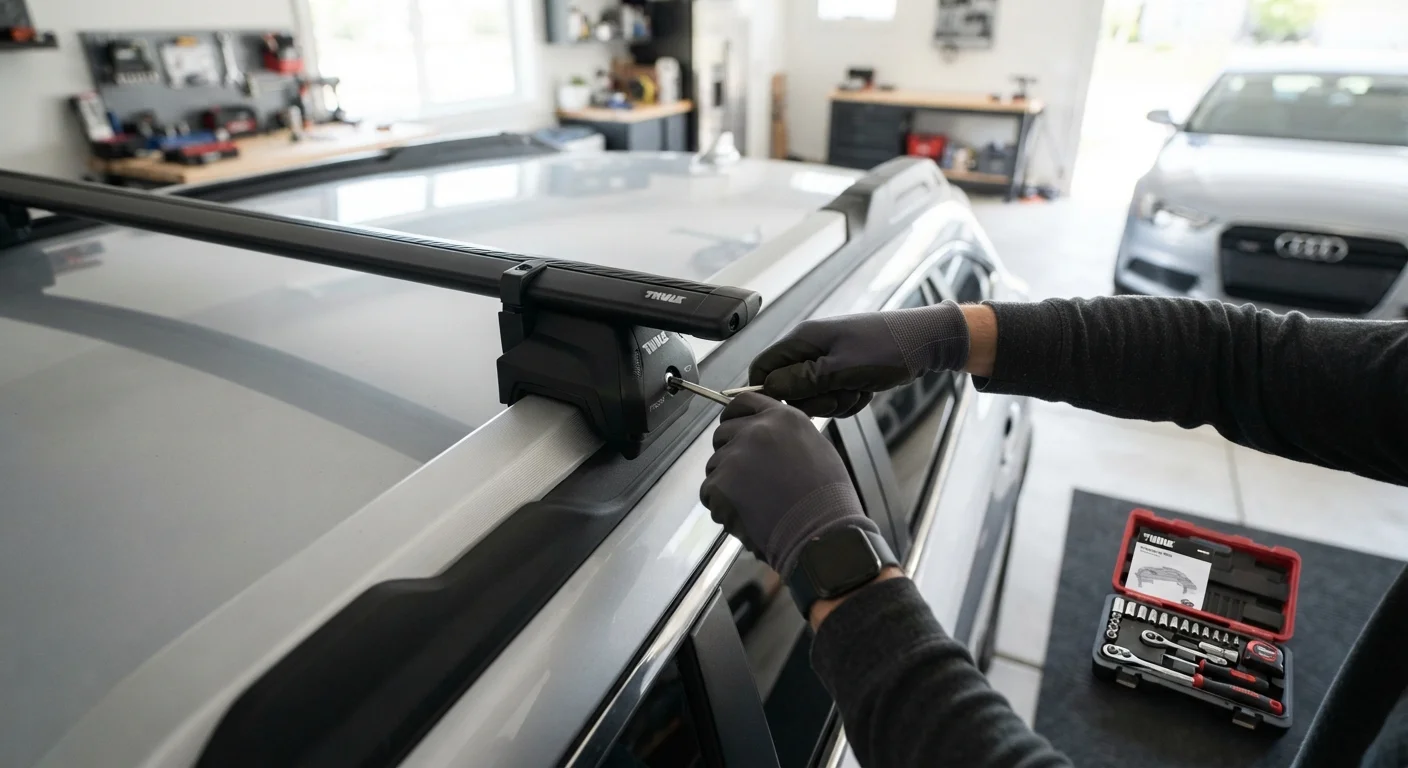
For enthusiasts who want meaningful improvements without navigating modification territory, the foundation is bolt-on, vehicle-specific fitment. Parts engineered for your exact year, make, and model are less likely to introduce fitment problems than universal alternatives - a point worth understanding before you shop. Our piece on why 'universal fit' is often a warning sign explains when generic fitment creates more problems than it solves.
If you're new to the aftermarket space, your first set of aftermarket accessories walks through where most enthusiasts begin and what to evaluate before committing. And if the terminology itself is tripping you up, the enthusiast's glossary of vehicle accessory terms is a practical reference for decoding product listings and spec sheets.
The cleaner your installations, the simpler your relationship with your warranty, insurer, and eventual buyer. That's not a reason to avoid modifications - it's a reason to go in with clear eyes about what you're changing and why.