How the Mid-Size Segment Is Defined - and Why It Matters
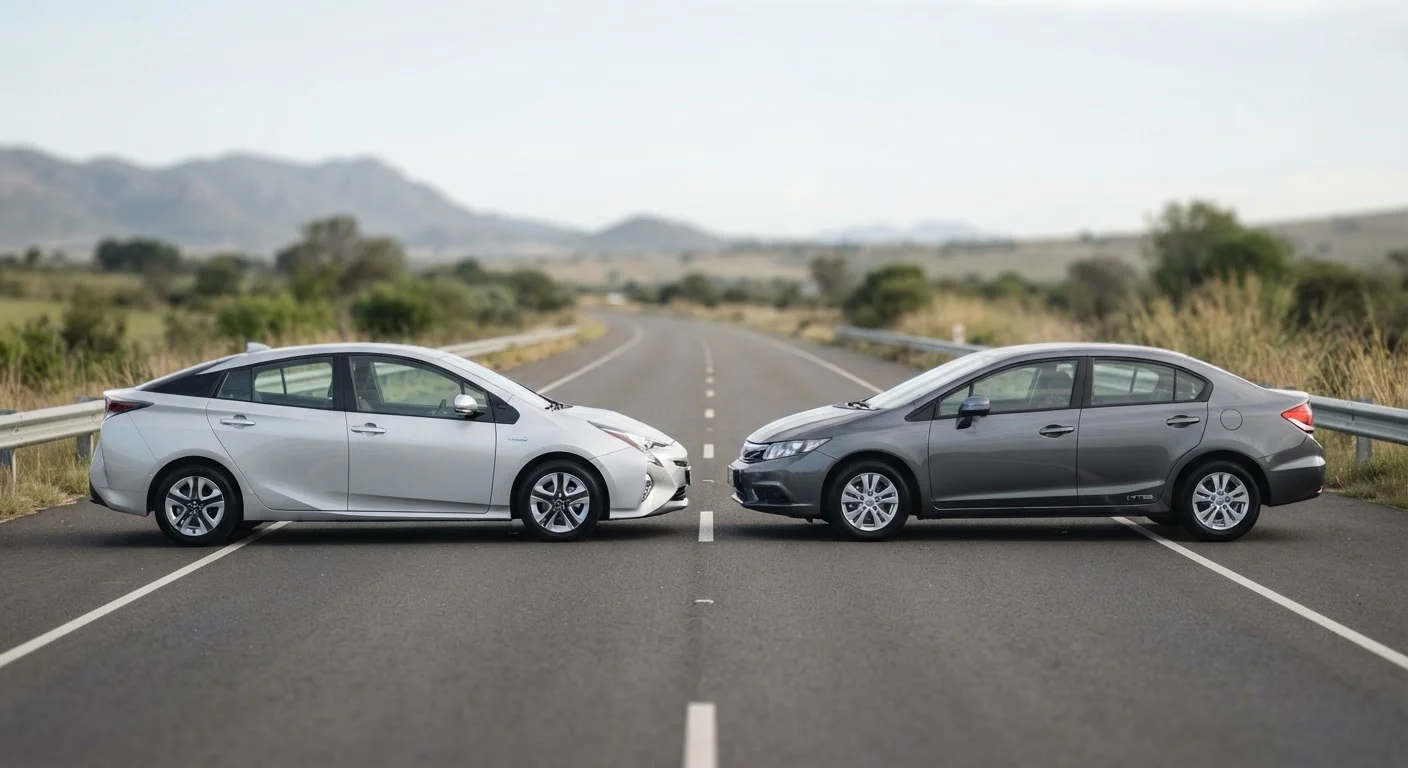
The mid-size sedan sits between the compact and full-size categories, generally spanning wheelbases from around 109 to 113 inches and overall lengths from roughly 191 to 196 inches. That range sounds narrow, but the real-world differences in cabin space, trunk access, and ride character are consequential. If you're migrating from a compact, understand the compact trade-offs before assuming a mid-size automatically solves them.
Buyer priorities in this segment cluster around three axes: passenger room (especially rear legroom, where mid-size models typically offer 38-41 inches), cargo utility (trunk volumes that range from approximately 14.1 to 16.3 cubic feet among mainstream models), and powertrain efficiency. The last axis has grown more complex as hybrid and mild-hybrid options have proliferated, making apples-to-apples comparison harder without a structured framework.
Dimensions: Where Inches Actually Translate to Comfort
Wheelbase is the single most predictive dimension for rear-seat legroom - longer wheelbases push the rear seat further from the front seatback. Among current mid-size sedans, wheelbases cluster between 110.4 and 112.2 inches, a gap that sounds trivial but can translate to two to three inches of legroom variation. For a six-foot passenger, that difference is the line between comfortable and tolerable on a two-hour drive.
Trunk volume figures require context: a 15-cubic-foot trunk with a wide, low opening loads more practically than a 16-cubic-foot trunk with a narrow aperture and a high liftover height. Look at trunk opening width and the presence or absence of a spare tire eating into cargo space. Hybrid models frequently sacrifice three to four cubic feet of trunk volume compared to their non-hybrid siblings - a genuine trade-off worth pricing into your decision.
| Dimension / Feature | Naturally Aspirated 4-Cyl | Turbocharged 4-Cyl | Full Hybrid | |
|---|---|---|---|---|
| Typical horsepower range | 185-206 hp | 180-255 hp | 192-219 hp combined | |
| EPA city fuel economy (est.) | 28-32 mpg | 26-31 mpg | 44-51 mpg | |
| EPA highway fuel economy (est.) | 37-42 mpg | 36-43 mpg | 44-52 mpg | |
| Trunk volume impact | Full volume, ~15-16 cu ft | Full volume, ~14-16 cu ft | Reduced ~11-14 cu ft | |
| Transmission type | CVT common | 8-9 speed automatic | CVT or e-CVT | |
| Powertrain complexity | Low | Moderate | Higher (dual system) | |
| Best use case | Balanced daily use | Highway & spirited driving | High-mileage city commuting |
For a deeper breakdown of how to read these dimensional specs without getting misled by marketing framing, see our guide on reading a sedan spec sheet.
Powertrains: Efficiency vs. Responsiveness
The mid-size sedan segment now supports three broad powertrain architectures: naturally aspirated four-cylinders (typically 2.4-2.5L, 185-206 hp), turbocharged four-cylinders (1.5-2.0L, 180-255 hp), and full self-charging hybrids (combined outputs from roughly 192 to 219 hp). Each has a distinct character.
Naturally aspirated engines deliver linear, predictable power delivery and generally lower maintenance complexity, but they lag in highway passing response compared to turbocharged alternatives. Turbocharged engines close the power gap and often improve EPA highway figures, but real-world fuel economy varies more depending on driving style. Full hybrids post the strongest city fuel economy - often 44-51 mpg city - but that advantage narrows substantially on sustained highway driving.
Test the Powertrain in Your Actual Conditions
EPA fuel economy estimates are generated on standardized cycles that rarely reflect individual driving habits. Request a test drive that includes the type of roads - city streets, highway on-ramps, grades - you encounter regularly. A turbocharged engine driven aggressively can match or exceed the fuel consumption of a naturally aspirated alternative, erasing any efficiency advantage on paper.
Continuously variable transmissions (CVTs) dominate the naturally aspirated and hybrid variants; eight- and nine-speed automatics appear in turbocharged models. CVTs optimize efficiency but produce a less engaging driving feel - a meaningful distinction for buyers who spend significant time on winding roads. If the hybrid vs. conventional question is central to your decision, the EVs & Hybrids comparison hub provides additional segment context.
Safety Architecture: Standard vs. Available Features
Every mainstream mid-size sedan now ships with automatic emergency braking, lane-keeping assist, and adaptive cruise control as standard equipment - a baseline that did not exist five years ago. What separates models at this level is calibration quality, not presence or absence of the technology. IIHS small-overlap front test results and headlight ratings remain the sharpest differentiators; several models that score well on basic crash metrics receive Acceptable or Poor headlight ratings, which is a genuine safety gap on unlit rural roads.
Decoding IIHS and NCAP scores side by side is worth doing before treating a five-star NHTSA rating as equivalent to an IIHS Top Safety Pick+ designation - the two programs test different scenarios and use different methodologies. Blind-spot monitoring and rear cross-traffic alert are widely available but not universally standard at base trim levels.
41 in
Maximum rear legroom in segment
Several mid-size sedans offer rear legroom figures that rival entry-level luxury vehicles, per published manufacturer specifications.
~3 cu ft
Average trunk loss in hybrid variants
Hybrid battery placement typically reduces trunk volume by two to four cubic feet compared to non-hybrid equivalents in the same model line.
Matching Specs to Your Driving Reality
Spec sheets are most useful when filtered through actual use patterns. A buyer who logs 15,000 highway miles annually extracts more value from a turbocharged engine's highway efficiency than from a hybrid's city-cycle advantage. A buyer with a long urban commute and frequent stop-and-go traffic gets the inverse benefit. Aligning sedan attributes to your driving patterns is the analytical step most buyers skip - and it explains why satisfaction rates vary significantly among owners of the same model.
If you're approaching this segment for the first time, starting with a structured sedan shopping framework before drilling into powertrain specifics will produce a more disciplined shortlist. Mid-size sedans offer genuine variety - the comparison table above is a starting point, not a verdict.
This article is for informational and educational purposes only. Specifications referenced reflect general segment characteristics and may not apply to all trim levels or model years. Verify current specifications with manufacturer documentation before making a purchase decision.