What You're Actually Buying Into
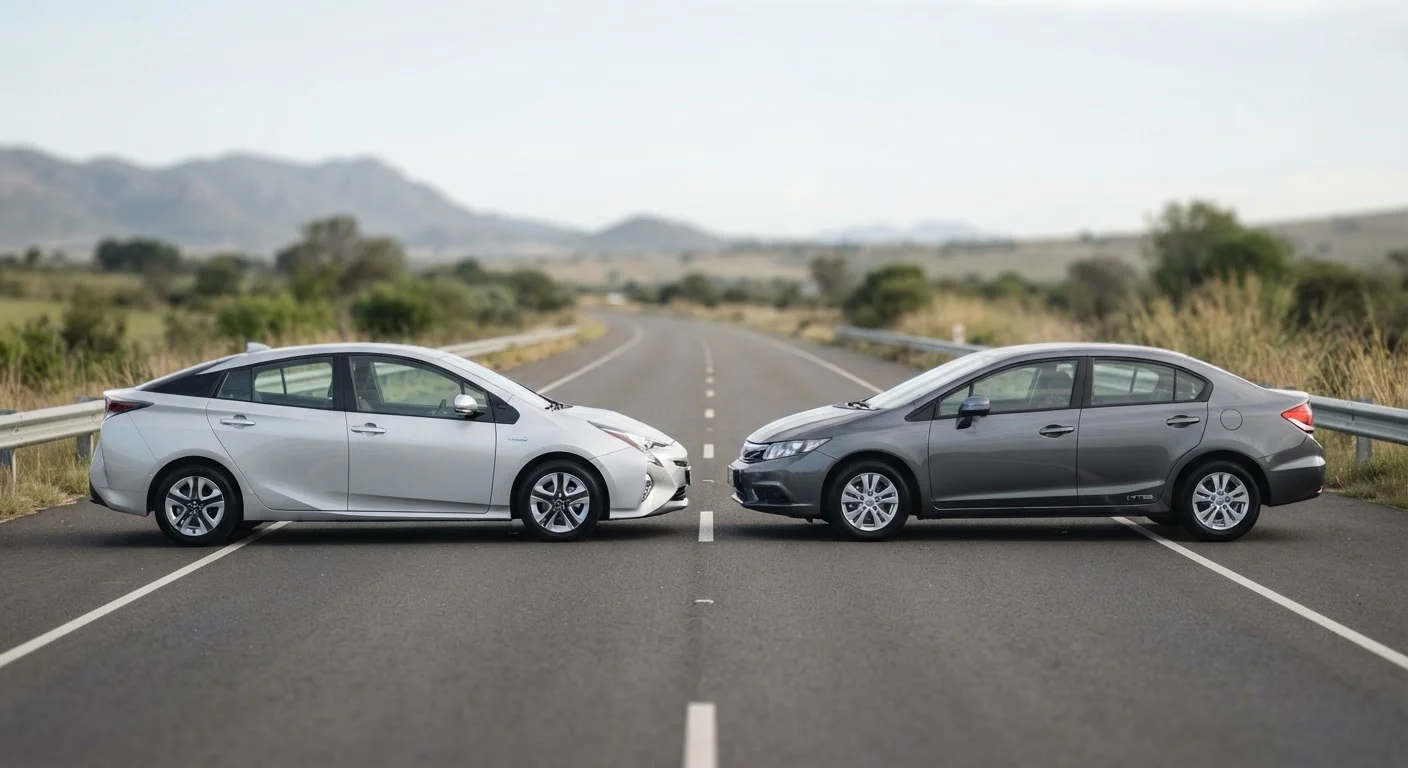
Compact sedans - typically defined by the EPA's classification system as vehicles with combined interior volume between 100 and 109 cubic feet - sit in one of the most competitive spaces in the US market. They're not the cheapest vehicles available, nor the most spacious, nor the most capable. Their appeal is a specific kind of balance: manageable size, predictable running costs, and a feature set that's grown substantially over the past decade.
That balance, however, is not equal across all dimensions. Every compact sedan involves genuine compromises, and the most common buyer mistake is not recognizing which compromises will matter most in daily use. Before comparing nameplates, it's worth mapping the structural trade-offs that define the segment as a whole. For a deeper look at how to interpret the spec data that differentiates individual models, see reading a sedan spec sheet without getting lost in the numbers.
The Advantages That Define the Segment
Compact sedans earn their place in the market through measurable strengths that hold up across most buyers' primary use cases.
Strong fuel economy relative to segment size
Most compact sedans with four-cylinder engines achieve combined EPA estimates in the high 20s to mid-30s mpg, reducing fuel costs meaningfully for high-mileage drivers.
Lower purchase price than larger segments
Base-trim compact sedans typically carry lower MSRPs than comparable mid-size sedans or compact SUVs, reducing both upfront cost and financed loan amounts.
Easier to park and maneuver in urban environments
Shorter wheelbases and tighter turning radii make compact sedans noticeably easier to navigate in dense city traffic and tight parking structures.
Generally lower insurance premiums
Simpler front-end structures and lower repair costs relative to SUVs translate into lower average insurance premiums for many compact sedan models.
Wide availability of hybrid powertrain options
Several compact sedans offer hybrid variants that can push combined fuel economy into the 40-50 mpg range without requiring charging infrastructure.
13-15 cu ft
Typical compact sedan trunk volume
EPA vehicle classification data shows most compact sedans fall within this trunk capacity range, below many compact crossovers.
~30+ mpg
Typical combined fuel economy estimate
Most four-cylinder compact sedans achieve combined EPA estimates in the high 20s to low 30s mpg range, varying by powertrain and trim.
Fuel efficiency is arguably the segment's most durable advantage. Most compact sedans with naturally aspirated four-cylinder engines return EPA-estimated combined figures in the high 20s to mid-30s mpg range, meaningfully ahead of compact crossovers and well ahead of trucks and body-on-frame SUVs. Hybrid variants in the segment push those figures higher still - the trade-offs between hybrid and conventional powertrains are explored in detail in hybrid sedans vs. conventional gas sedans.
Insurance costs tend to be lower than for crossovers and SUVs of comparable price, largely due to lower repair costs from less complex front-end structures. Depreciation curves vary by nameplate but are generally predictable within the segment.
The Disadvantages You Need to Price In
None of the compact sedan's trade-offs are dealbreakers in isolation - but collectively, they can disqualify the segment for certain buyers.
Rear seat space is genuinely limited
Most compact sedans provide 35-37 inches of rear legroom - adequate for average-height passengers but uncomfortable on long trips for taller adults.
All-wheel drive is rarely available
The majority of compact sedans are front-wheel drive only, with AWD options limited to a small number of models and usually priced at a significant premium.
Trunk volume trails crossover competitors
Compact sedan trunks average 13-15 cubic feet - less than many compact crossovers and with a fixed aperture that limits loading of bulky or irregularly shaped items.
Turbocharged variants carry higher ownership costs
Turbocharged four-cylinders offer performance gains but can require premium fuel and may incur higher long-term maintenance costs compared to naturally aspirated alternatives.
Resale value varies significantly by nameplate
Unlike trucks or select SUVs, compact sedan depreciation is uneven across the segment - some models hold value well while others depreciate sharply in the first three years.
Space is the most immediate limitation. A typical compact sedan offers 13-15 cubic feet of trunk space and rear headroom that becomes genuinely constrained for adults over six feet tall. If you regularly transport adults in the back seat, measure the relevant dimensions against your passengers - don't assume the sedan's footprint will be adequate. For context on how the segment compares structurally, mid-size sedans compared side by side provides a direct dimensional benchmark.
All-wheel drive is rare in the compact sedan segment. Most models are front-wheel drive only, with a handful offering AWD - typically at a significant price premium and with fuel economy penalties. Buyers in snow-prone regions should check availability carefully before narrowing their search. For buyers considering a move across segments entirely, costs of switching vehicle segments breaks down what that transition actually costs.
Matching the Trade-Offs to Your Driving Reality
The compact sedan's trade-off profile is not static - it shifts depending on how you actually drive. A buyer logging 15,000 highway miles per year extracts more value from the fuel efficiency advantage than someone who drives 6,000 urban miles annually. A buyer who occasionally hauls flat-pack furniture or sports equipment will hit the trunk limitation quickly; a commuter who rarely carries cargo won't.
EPA Estimates vs. Real-World Fuel Economy
EPA combined fuel economy figures are useful for comparison but rarely match real-world results precisely. Variables including driving style, climate, tire condition, and load all affect actual consumption. Drivers in stop-and-go urban conditions typically see figures below the EPA combined estimate, while steady highway driving can sometimes meet or exceed it. Factor in a realistic buffer when projecting fuel savings.
Powertrain selection compounds these considerations. Turbocharged four-cylinders offer more performance headroom than naturally aspirated alternatives but can carry higher maintenance costs over time and may require premium fuel depending on the application. The performance-to-efficiency curve is worth examining carefully against your actual driving patterns - not EPA estimates alone. For a structured framework on aligning vehicle attributes to driving habits, matching a sedan to your actual driving patterns provides practical guidance.
If the compact sedan's constraints feel close to your boundaries - particularly on space or AWD - it's worth running the numbers against the mid-size segment before committing. The trucks and SUVs hub is a useful reference if your needs skew toward utility or all-weather capability.