Why EV Myths Are So Persistent
Electric vehicles have been commercially available at scale for over a decade, yet a cluster of misconceptions about their range, safety, cost, and grid impact continues to circulate. Some originate from genuine limitations of early-generation models. Others reflect unfamiliarity with how electricity pricing and charging infrastructure actually work. A few are simply the result of worst-case anecdotes being treated as representative norms.
Understanding what the evidence actually shows matters - not because EVs are the right choice for every driver, but because decisions grounded in myths rarely hold up under real-world scrutiny. For a broader orientation on powertrain types and how to evaluate your options, see our electrified vehicle introduction.
Myth
EVs don't have enough range for everyday use, and range anxiety makes them impractical.
Fact
Most current EVs offer 250-350+ miles of EPA-rated range, which exceeds the daily driving distance of the vast majority of U.S. households.
U.S. Department of Transportation data consistently shows that average daily vehicle miles traveled per driver falls well below 40 miles. Even accounting for real-world variance - cold weather, highway speeds, and HVAC use can reduce range meaningfully - most modern EVs cover multiple days of typical driving on a single charge. Range anxiety is a legitimate consideration for long-distance road trips, but DC fast-charging networks have expanded significantly and are continuing to grow. The gap between rated and real-world range is also narrowing as thermal management systems improve.
Myth
EV batteries are a fire hazard and burn more frequently than gasoline-powered vehicles.
Fact
Available data suggest EV battery fires occur at lower rates per vehicle than fires in internal combustion engine vehicles, though EV fires can be more difficult to extinguish.
High-profile EV fire incidents receive disproportionate media coverage relative to the frequency of gasoline vehicle fires, which are far more common in absolute terms. The National Fire Protection Association and AutoInsuranceEZ have both published analyses indicating ICE vehicles experience significantly more fires per registered vehicle. That said, lithium-ion battery fires do present distinct challenges - they can reignite and require large volumes of water to suppress. These are legitimate firefighter-training and emergency-response considerations, but they are separate from the question of fire probability for everyday owners.
Myth
The electrical grid can't handle widespread EV adoption - mass adoption will cause blackouts.
Fact
Grid studies from national laboratories and utility operators generally find that managed, off-peak charging can accommodate substantial EV growth without major infrastructure stress.
The U.S. grid does face real challenges - aging infrastructure, regional capacity constraints, and the need for ongoing investment - but EV load specifically is manageable when charging is distributed across off-peak hours, which is already common behavior among home chargers with scheduled charging features. A 2021 analysis by the National Renewable Energy Laboratory found that even aggressive EV adoption scenarios through the 2030s fall within ranges that grid upgrades and demand management can accommodate. The concern is not unfounded at a systemic planning level, but it does not translate to imminent blackout risk from EVs charging overnight.
Myth
EV batteries degrade rapidly and will need replacement within a few years.
Fact
Battery degradation in contemporary EVs is gradual; most retain the majority of their capacity well beyond 100,000 miles under normal use.
Early-generation EVs, particularly some first-model-year vehicles with less sophisticated thermal management, did show steeper degradation curves. Current battery management systems are substantially more sophisticated. Data aggregated from fleet telematics and owner surveys - including analyses published by Recurrent Auto - indicate that median battery capacity loss after 100,000 miles is often in the range of 10-15% for newer models, though this varies by chemistry, climate, and charging habits. Frequent DC fast charging and consistently charging to 100% capacity can accelerate degradation; most manufacturers recommend routine charging to 80% for daily use.
Myth
EVs aren't actually greener because electricity is generated from fossil fuels.
Fact
Even on grids with significant fossil fuel generation, EVs typically produce lower lifecycle emissions than comparable gasoline vehicles; the advantage grows as grids add renewable capacity.
This critique has more validity in regions with coal-heavy grids, but lifecycle analyses - including those published by the Union of Concerned Scientists and the MIT Energy Initiative - consistently find that EVs produce lower total greenhouse gas emissions over their lifetime in most U.S. regions, even accounting for manufacturing emissions. As the grid mix shifts toward natural gas, wind, solar, and other lower-emission sources, the carbon advantage of EVs increases. The manufacturing phase, particularly battery production, does carry a higher upfront carbon cost than building an ICE vehicle - but this is typically offset within the first few years of operation in most grid regions.
Cost and Ownership: Separating Perception from Evidence
Ownership cost debates around EVs are particularly prone to selective accounting. Critics often cite higher sticker prices without factoring in lower per-mile energy costs, reduced brake and fluid maintenance, or the absence of oil changes. Proponents, meanwhile, sometimes overstate savings without accounting for home charger installation or real-world electricity rates.
Public Charging Costs Can Vary Significantly
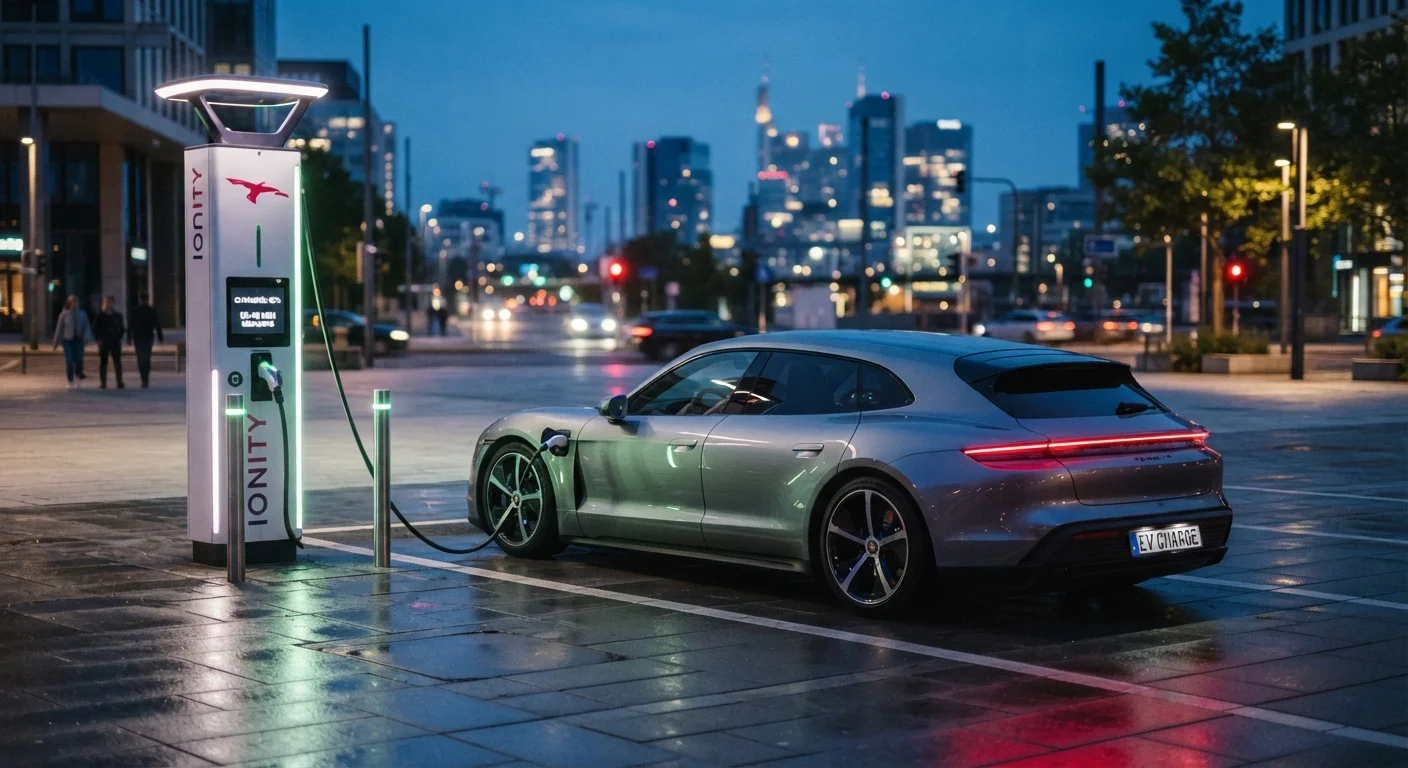
Not all charging is equal in cost. DC fast charging at public stations - especially at premium networks - can approach or exceed the per-mile cost of gasoline for some vehicles. Ownership cost calculations that assume home charging rates may not reflect real-world costs for drivers without reliable home charging access. Always verify local electricity rates and your expected charging mix before drawing conclusions about fuel savings.
The honest picture sits in between. A driver who charges primarily at home in a state with moderate electricity rates will likely see meaningful fuel savings over a comparable ICE vehicle - but the timeline to break even on the purchase price premium varies considerably by model, usage pattern, and local incentives. For a detailed look at how ownership cost assumptions can mislead across vehicle types, our ownership cost myths article examines the evidence rigorously.
It's also worth noting that maintenance cost advantages are real but not unlimited. High-voltage battery replacement - a relatively rare event, but a significant one - can substantially alter the total cost picture if it occurs outside warranty. Prospective buyers should review warranty terms carefully, particularly the battery coverage period and capacity-retention thresholds.
~37 miles
Average U.S. daily vehicle miles traveled
Per U.S. Department of Transportation data, the average American driver travels well within the range of a single EV charge on a typical day.
10-15%
Typical battery capacity loss at 100,000 miles
Aggregated fleet data analyzed by Recurrent Auto suggests most modern EVs retain the large majority of their battery capacity at high mileage under normal charging habits.
For a balanced assessment of what EV ownership actually involves day-to-day, our full EV ownership trade-offs guide covers both the genuine advantages and the real constraints.