What Makes Full EV Ownership Structurally Different
A battery-electric vehicle (BEV) operates on an entirely different energy model than a gasoline car: you recharge rather than refuel, typically overnight at home rather than at a station. That single shift cascades into nearly every aspect of ownership - cost structure, trip planning, maintenance intervals, and daily routine.
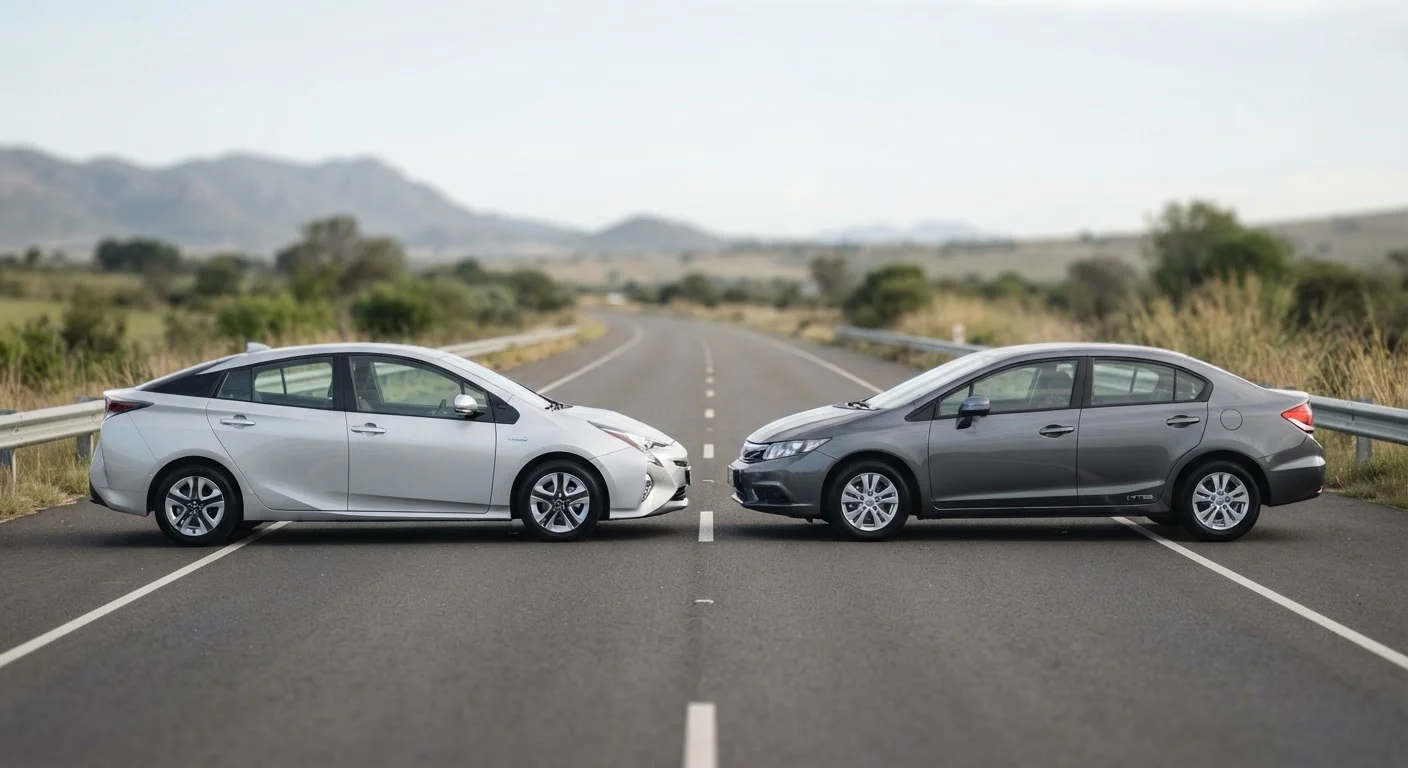
Understanding the advantages and constraints requires separating two distinct use cases: the everyday commute and errand cycle, and longer, less predictable travel. EVs perform very differently across each. For a structured comparison of BEV versus hybrid ownership, the powertrain trade-offs extend well beyond simple range numbers.
The Genuine Advantages of Going Fully Electric
The case for full EV ownership isn't marketing copy - several advantages are quantifiable and durable.
Substantially lower per-mile energy cost
Electricity costs per mile are generally well below gasoline equivalents in most U.S. markets, with off-peak home charging widening that gap further. High-mileage drivers see the most pronounced savings.
Reduced routine maintenance requirements
No oil changes, fewer brake replacements due to regenerative braking, and no transmission or exhaust system servicing translate to meaningfully lower scheduled maintenance bills over time.
Instant torque and responsive acceleration
Electric motors deliver maximum torque from zero RPM, producing brisk acceleration that most drivers find genuinely engaging regardless of the vehicle's price tier.
Home charging eliminates most gas station trips
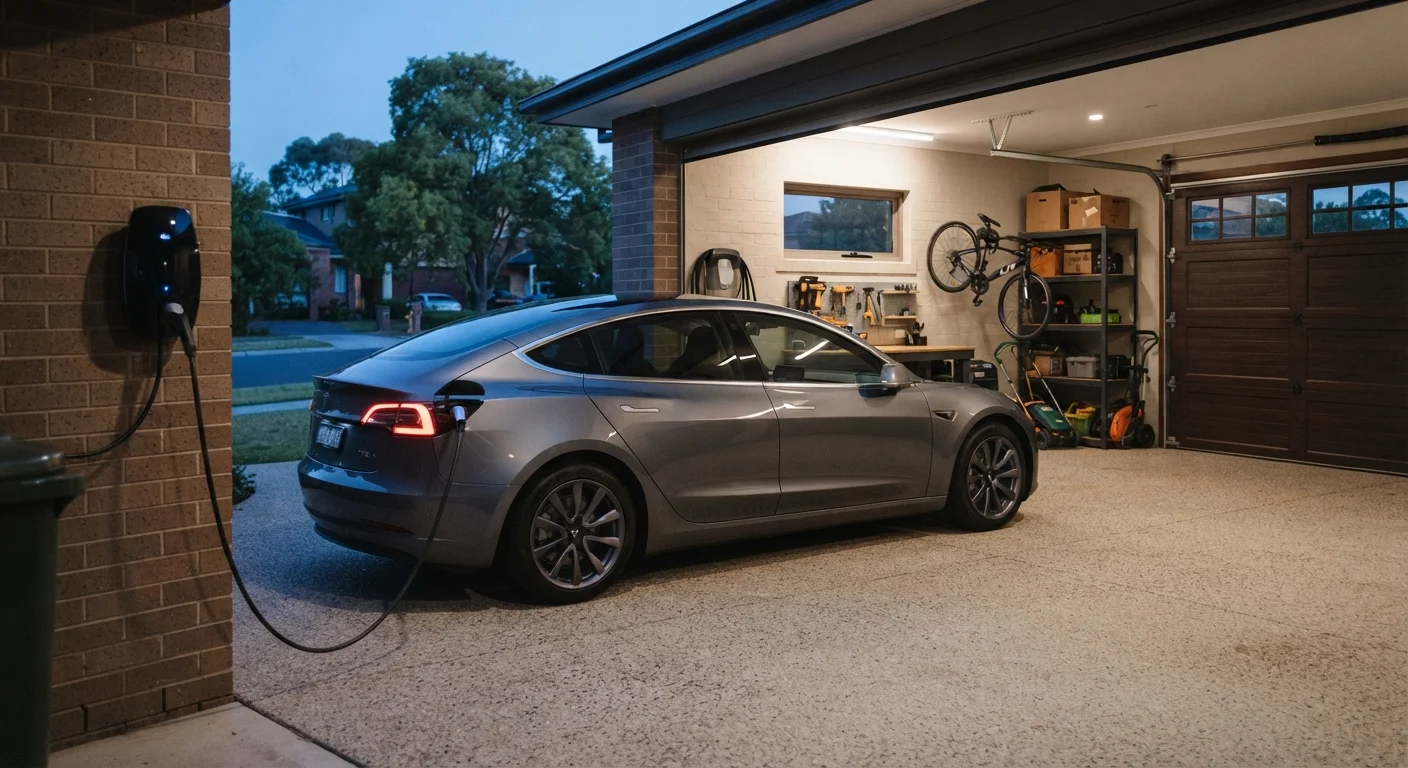
For drivers with Level 2 home charging, the vehicle leaves each morning with a full charge - a convenience that flips the traditional refueling model entirely.
Zero tailpipe emissions in operation
Full EVs produce no direct exhaust emissions, which matters for urban air quality and may align with HOV lane access or other regional incentives depending on your state.
~$700-$1,000
Estimated annual fuel savings vs. gasoline
The U.S. Department of Energy estimates average annual fuel cost savings for EV drivers compared to gasoline vehicle owners, though figures vary by local electricity and gas prices.
~40%
Winter range reduction in cold climates
Studies from organizations including AAA have documented real-world EV range losses of up to 40% in temperatures around 20°F, primarily due to battery chemistry and cabin heating demand.
Lower energy cost per mile is the most consistent financial benefit. Electricity, even at peak residential rates, typically costs significantly less per mile than pump gasoline. Regenerative braking reduces brake wear, and the absence of an internal combustion engine eliminates oil changes, coolant flushes, and transmission service. For a full picture of long-term vehicle ownership costs, drivetrain simplicity is a meaningful variable.
The driving experience also changes in ways many owners find irreversible: instant torque delivery, near-silent cabin at city speeds, and single-pedal driving (where lifting off the accelerator applies braking force) are features with no direct ICE equivalent.
The Real Trade-Offs You Shouldn't Gloss Over
Balanced evaluation means confronting the constraints directly, not treating them as temporary inconveniences that charging infrastructure will eventually erase.
Real-world range falls short of EPA estimates
Highway speeds, climate control use, and cold weather all reduce available range - sometimes by 20-40% in winter conditions. Planning longer trips requires buffer and charging stop mapping.
Home charging requires upfront infrastructure investment
A Level 2 (240V) charger installation typically costs several hundred to over a thousand dollars depending on panel capacity and labor, and isn't feasible for renters or those without dedicated parking.
Public fast-charging reliability remains inconsistent
Despite network expansion, non-operational DC fast chargers and queuing at popular stations remain friction points on long routes, particularly outside major metropolitan corridors.
Higher purchase price before incentives
BEVs carry higher transaction prices than comparable ICE models. Federal tax credit eligibility depends on income limits, vehicle MSRP caps, and battery sourcing rules that not all models satisfy.
Battery replacement cost is a long-term uncertainty
While manufacturer warranties cover pack capacity for a defined period, out-of-warranty battery replacement can represent a significant expense, and resale value is partly tied to pack health.
Apartment and Condo Owners Face a Different Calculus
Drivers without dedicated parking or the ability to install home charging are more dependent on workplace and public charging infrastructure. In dense urban areas, this can work - but it requires mapping your charging access realistically before purchase. Relying solely on public Level 2 chargers for daily top-ups adds time friction that home charging eliminates. This is a structural constraint, not a temporary one, and it should factor heavily into the go/no-go decision.
Range degradation in cold weather is a documented phenomenon, not a myth. Lithium-ion chemistry loses efficiency at low temperatures, and cabin heating draws from the same pack that powers the motor. Real-world range in winter can fall 20-40% below EPA estimates depending on conditions and driving style. Understanding how EPA range figures are calculated is essential for setting accurate expectations before purchase.
Public charging reliability also varies. DC fast-charging (DCFC) networks have expanded substantially, but out-of-service stations and peak-time queuing remain real friction points on high-traffic corridors. Home charging infrastructure resolves most of this for daily use, but requires a compatible electrical panel, a Level 2 charger installation, and ownership or landlord cooperation - none of which are universal.
Total Cost of Ownership: Where the Numbers Actually Land
Purchase price for BEVs generally runs higher than comparable ICE vehicles at the transaction level, though federal tax credits (subject to income, vehicle price, and sourcing eligibility rules) can compress that gap materially. State-level incentives vary widely. Neither should be assumed available without verifying current eligibility criteria.
Over a five-to-ten-year horizon, lower fuel and maintenance costs frequently offset the higher upfront cost for high-mileage drivers. Battery longevity is the primary long-term uncertainty: most manufacturers warranty the pack to at least 70% capacity retention over eight years or 100,000 miles, but replacement cost outside warranty remains a significant variable. For a rigorous framework for comparing EV and hybrid costs, total cost of ownership modelling should account for your specific mileage, local electricity rates, and charging setup. Before committing, consult the full pre-purchase evaluation checklist to ensure no critical variable is overlooked.