Why Passion Alone Isn't Enough
The classic car hobby captures something few other pursuits can: a tangible connection to American automotive history, craftsmanship, and culture. But the gap between admiring a vintage vehicle and owning one responsibly is wider than most newcomers expect.
Seasoned collectors will tell you that enthusiasm is the fuel but knowledge is the chassis. Without a grounded understanding of condition grading, acquisition channels, ongoing costs, and community norms, even the most motivated beginner can walk into expensive mistakes. This guide exists to close that gap - not to dampen excitement, but to direct it productively.
Before you attend your first auction or respond to a classified listing, spend time on research. Understand what makes a particular marque or era desirable, what the market considers a driver-quality car versus a show car, and how those distinctions affect price. See our primer on classic vehicle valuation for a structured breakdown of how condition grades and rarity factors shape asking prices.
Numbers matching
A vehicle described as numbers-matching has its original major components - typically engine, transmission, and body - with factory-stamped identification numbers that correspond to the original build records. This status generally commands a premium in the collector market.
Driver quality
A classification for vehicles that are mechanically sound and presentable but not restored to show or concours standards. Driver-quality cars are typically more affordable and suitable for regular use.
Concours condition
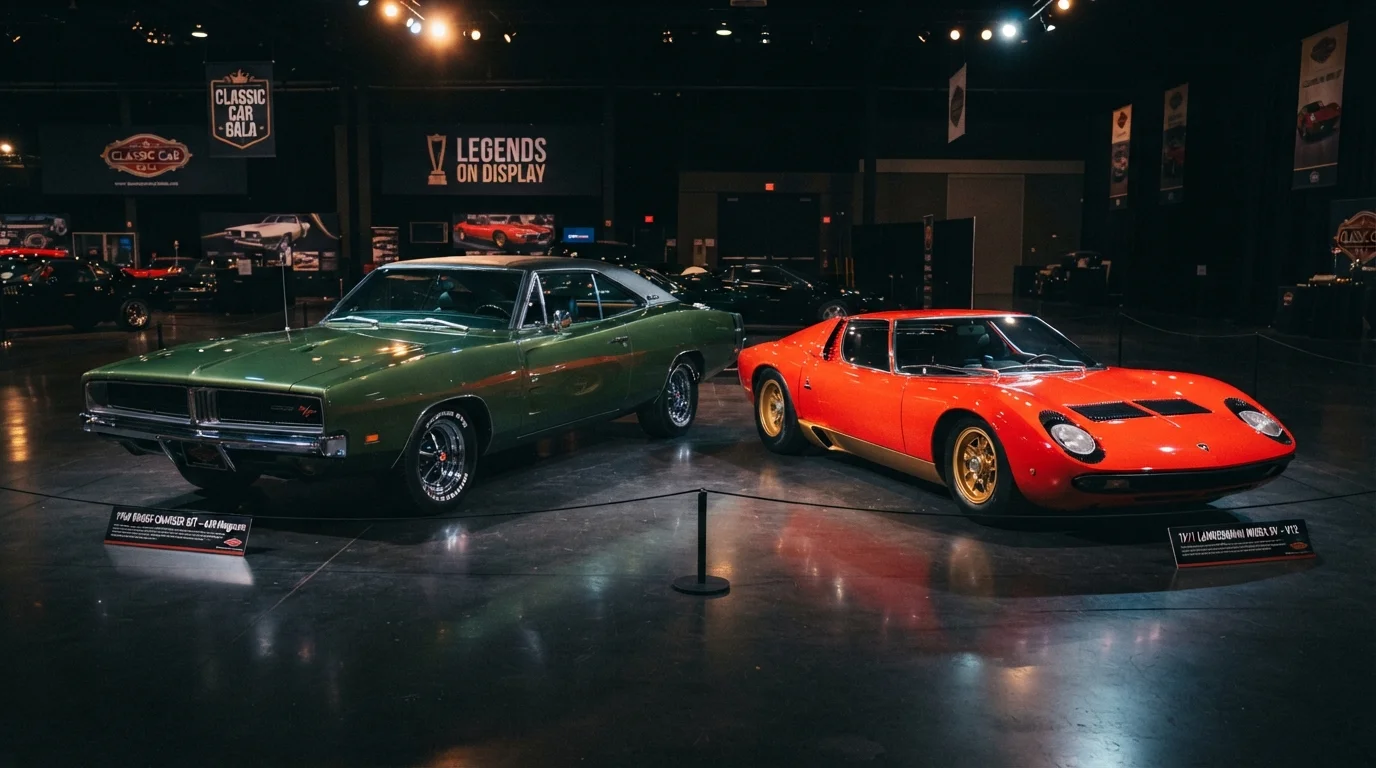
The highest standard of restoration or preservation, where the vehicle is presented as close to factory-new condition as possible. Concours vehicles are usually judged at shows and command the highest valuations.
Agreed value policy
A type of collector car insurance where the owner and insurer agree on the vehicle's value upfront. In a total loss, the insurer pays that agreed amount - not a depreciated actual cash value.
Marque
The brand or make of a vehicle - for example, Packard, Hudson, or Studebaker. In collector circles, 'marque' often implies a particular brand identity and heritage that defines a community of enthusiasts.
Barn find
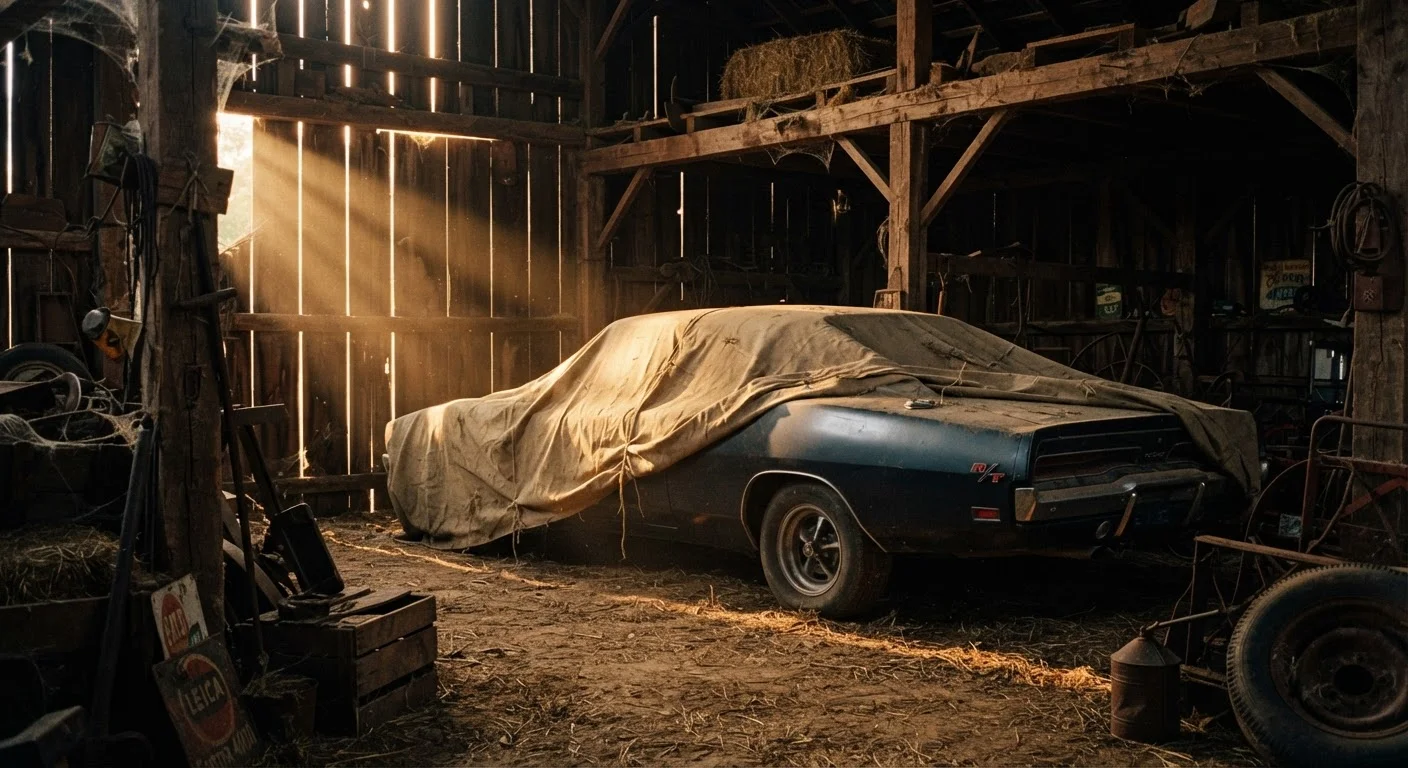
A vehicle discovered in long-term storage - often decades - in barns, garages, or similar structures. Barn finds range from remarkably preserved originals to neglected project cars requiring extensive work.
Choosing Your First Classic Vehicle
One of the most common early mistakes is falling in love with a vehicle before assessing whether it fits your circumstances. Your first classic car should align with three practical factors: your available storage, your realistic budget (purchase and ongoing), and your mechanical aptitude.
Vehicles with strong marque clubs and widely available parts are generally more forgiving for first-time owners. Orphan makes - manufacturers no longer in production - can be rewarding but often require more resourceful sourcing for components. Similarly, a vehicle that needs full restoration demands a different commitment than one that is already driveable and maintained.
Think carefully about intended use. Will this car be driven on weekends, shown at regional events, or stored as a long-term project? Each path has different implications for the condition you need at purchase. For a broader look at what the ownership experience actually entails, this comprehensive ownership overview is worth reading before you commit to a direction.
Start With What You Know and Love
New collectors who begin with a vehicle from an era or marque they already have personal or historical familiarity with tend to stay engaged longer and make better-informed decisions. Nostalgia is a legitimate starting point - just pair it with research. Attend shows and club events before purchasing to get a realistic sense of what ownership actually involves.
Pre-Purchase Inspection: What's at Stake
No matter how appealing a listing looks, never skip a thorough pre-purchase inspection. Classic vehicles can conceal decades of deferred maintenance, accident repair, or rust hidden beneath fresh paint. What you see at a show or in photographs is rarely the complete picture.
A qualified inspection covers bodywork and panel gaps, frame and chassis integrity, engine and drivetrain condition, brake systems, electrical wiring (often the most age-degraded system), interior authenticity, and documentation. For vehicles advertised as numbers-matching - meaning original engine, transmission, and major components - independent verification matters enormously to value.
Engage a specialist with experience in the specific marque when possible, rather than a general mechanic unfamiliar with period-correct construction. The cost of a professional inspection is modest relative to the risk of purchasing a vehicle with concealed structural damage or a fraudulent history. Our practical pre-purchase checklist walks through each inspection area in structured detail.
Fresh Paint Can Hide Serious Problems
A recent respray is sometimes a selling point - but it can also conceal rust repairs, filler work, or accident damage. Always inspect beneath brightwork, along floor pans, inside wheel wells, and at frame rails regardless of how pristine the surface appears. If a seller resists a thorough inspection or declines to allow a specialist review, treat that as a significant red flag.
Storage, Running Costs, and Budget Reality
The purchase price of a classic car is only the beginning of the financial picture. First-time collectors consistently underestimate what it costs to own a vehicle responsibly over time. Climate-controlled storage, specialty collector car insurance, routine maintenance, and parts sourcing all add up - and costs vary considerably depending on the vehicle's age, rarity, and condition.
Specialty insurance for collector vehicles differs substantially from standard auto coverage. Agreed value policies - where insurer and owner pre-establish a payout amount - are typically recommended over actual cash value policies for collector cars. Consult a licensed insurance professional about the options appropriate for your vehicle and usage.
Parts availability varies enormously across marques and model years. Some vehicles benefit from active reproduction parts industries; others require sourcing original components from specialist dealers, salvage yards, or fellow marque club members. Factor this into your selection process early. For a candid look at where first-timers most often miscalculate, this article on running costs is directly relevant.
Classic Car Financing Is Not Standard Auto Financing
Conventional auto loans are rarely appropriate for collector vehicle purchases. Specialty lenders who understand agreed value, condition-based pricing, and the unique nature of classic cars exist, but terms and availability vary significantly. This article provides general educational context only - consult a licensed financial professional for guidance appropriate to your specific situation.
Finding Your Collecting Community
The classic car hobby is, at its core, a community pursuit. Marque-specific clubs, regional car councils, and national organizations provide access to technical expertise, parts networks, driving events, and show culture that no individual collector can replicate alone.
Local chapters of national clubs frequently hold monthly meets, technical sessions, and driving tours that give beginners hands-on exposure to the hobby's social dimension. Online forums and marque-dedicated communities extend that network further, offering searchable archives of technical discussions that represent decades of collective knowledge.
Shows are another important entry point - not just as spectators, but as participants once you have a vehicle. Understanding the customs and protocols of the show field helps you engage respectfully. The unwritten etiquette of classic car shows is a useful companion resource for navigating those social norms.
When it comes to finding the car itself, the acquisition process has its own learning curve. How experienced collectors actually source classic cars covers the distinct advantages and risks of auctions, private sales, and barn finds in depth.
Marque Club Directories
National marque clubs maintain regional chapter directories that connect new collectors with experienced members, technical resources, and organized events. Searching for your vehicle's marque alongside 'owners club' or 'registry' is a reliable starting point.
Collector Vehicle Inspection Services
Independent pre-purchase inspection services specializing in collector vehicles can assess condition, verify authenticity, and flag hidden issues before you commit. Many operate nationally and can travel to a seller's location.
Classic Vehicle Condition Grading Guides
Industry-standard grading guides - such as those published by major auction houses and appraiser associations - provide a common language for describing vehicle condition from concours to parts-only. Familiarizing yourself with these scales helps you interpret listings accurately.