The Anatomy of America's Club Landscape
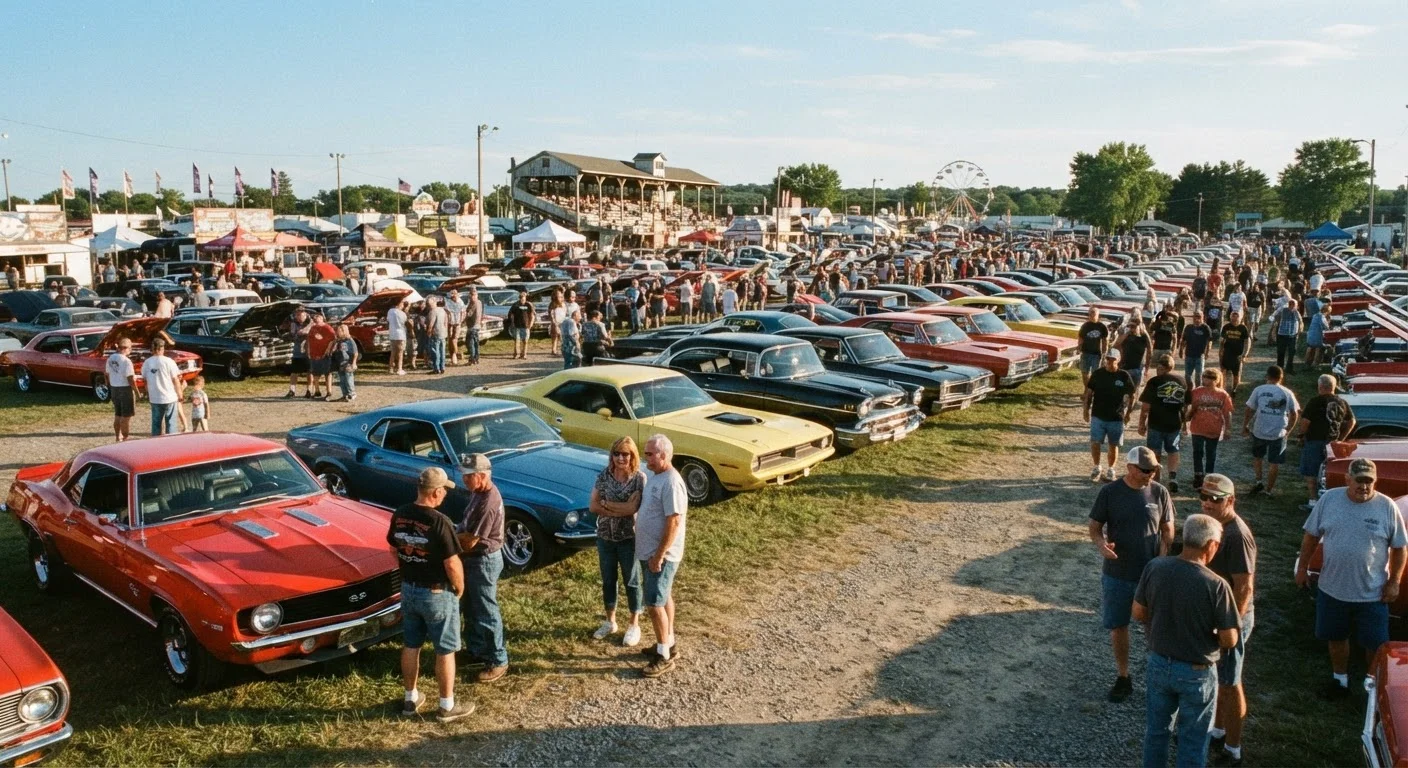
America's classic car club ecosystem is deliberately layered. At the national level, federated bodies establish eligibility rules and judging standards - the kinds of definitions explored in detail in the ongoing debate over what qualifies a vehicle as 'classic'. Beneath those umbrella organizations, regional chapters do the daily work of connecting enthusiasts: hosting monthly breakfast meets, coordinating spring and fall tours, and running the local judged shows that serve as community anchors.
Single-marque clubs represent the hobby's most focused tier. Organizations built around a specific manufacturer or model line maintain owner registries, publish technical bulletins, and often archive factory documentation that would otherwise be lost. Their marque-specific depth is something an all-make general club simply cannot replicate. For owners deep in a restoration, this distinction matters enormously - a member who has owned the same model for thirty years is an irreplaceable resource. The complementary role these organizations play in preserving documentation and chassis records is covered further in how collector registries and clubs preserve rare automotive history.
400+
AACA regions and chapters across the United States
The Antique Automobile Club of America reports a national chapter network spanning all fifty states, making it one of the largest federated collector vehicle organizations in the country.
~250,000
Estimated active classic car club members in the US
Industry observers and hobby publications have estimated total organized club membership in the high hundreds of thousands when national, regional, and single-marque bodies are combined.
1935
Year the AACA was founded
The Antique Automobile Club of America, established in 1935, is among the earliest formalized collector vehicle clubs in the United States, predating the postwar hobby boom by over a decade.
Shows, Tours, and the Social Grammar of Club Life
Two event formats define the rhythm of club membership: the judged concours-style show and the touring rally. They serve fundamentally different purposes, and experienced enthusiasts tend to value both for different reasons.
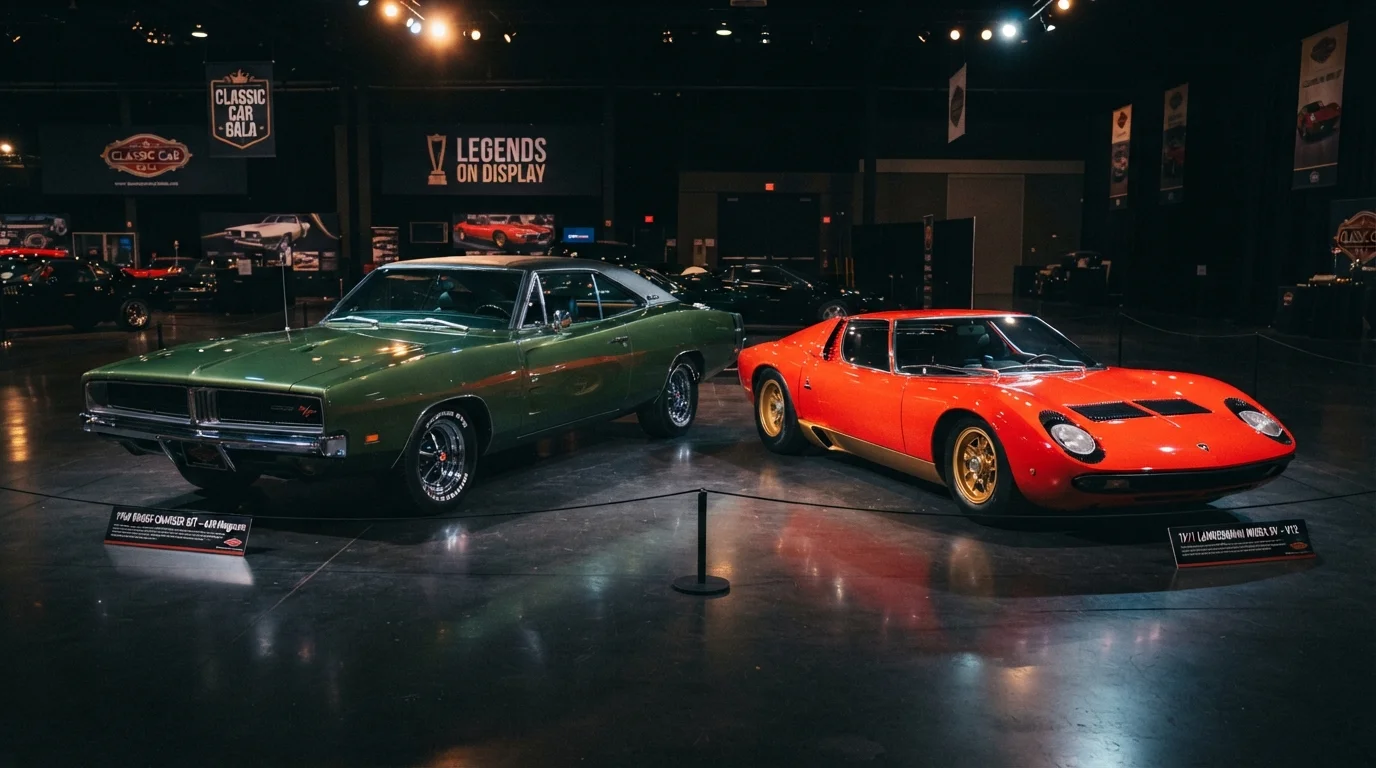
At judged events, vehicles are evaluated against published criteria - factory correctness, finish quality, mechanical presentation - with recognition awarded in class. The competitive element is real, but veteran participants consistently describe the social exchange as the event's actual reward: comparing notes on suppliers, debating period-correct details, and examining another owner's solution to a shared restoration problem. Understanding the unspoken customs that govern these gatherings is its own discipline, documented in the unwritten etiquette of classic car shows.
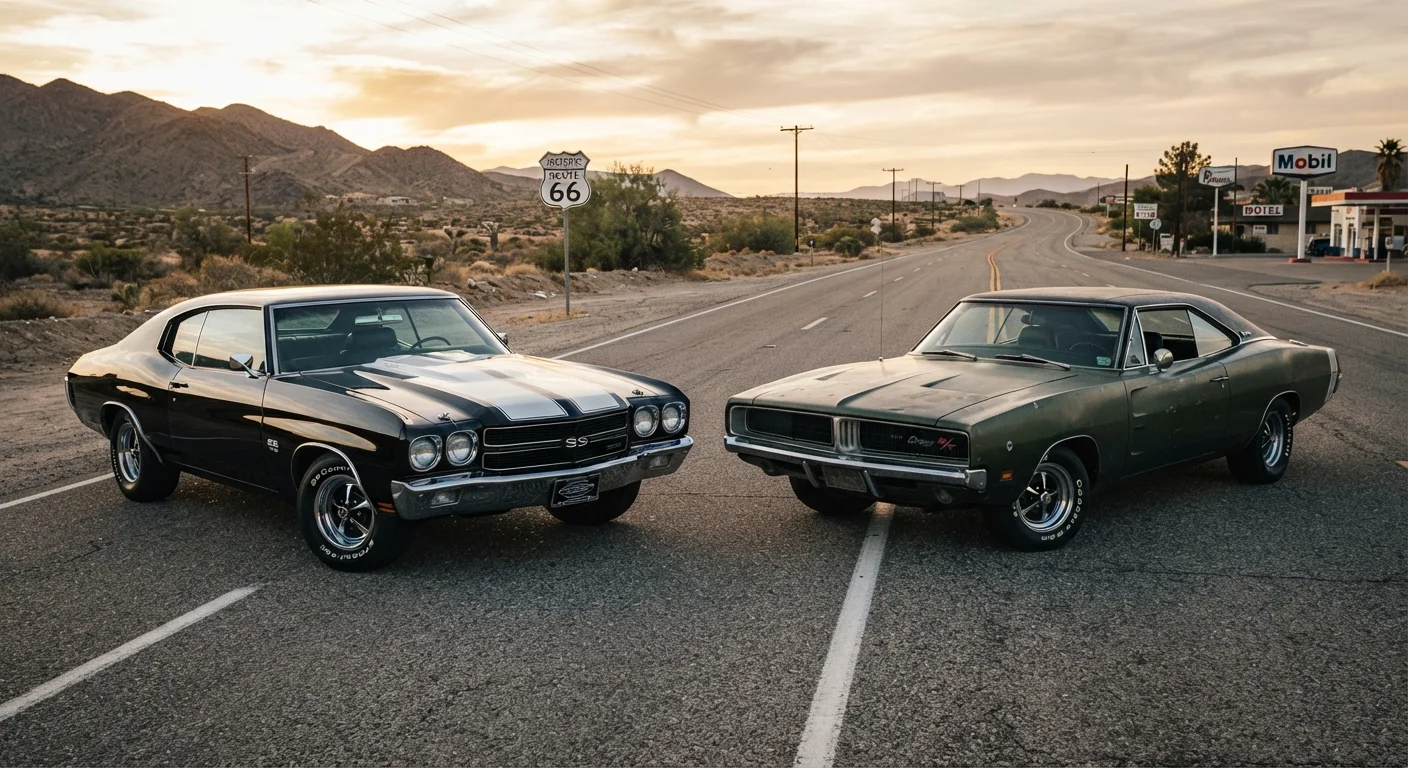
Touring events shift the emphasis from presentation to participation. A well-routed rally through rural county roads - stopping at a historic site or a period-appropriate roadside diner - reinforces the idea that these are driving machines, not static artifacts. The conversation during a tour is less technical and more personal, and it is often where newer members begin building the relationships that anchor long-term club engagement.
“The judging sheet gets people to the field, but it's the conversation in the parking lot afterward that keeps them coming back for forty years.”
— Composite observation from long-term AACA chapter members, Veteran classic car show participants and regional chapter organizers
Identity, Mentorship, and Generational Continuity
Clubs function as identity communities as much as they function as technical resources. A collector who self-identifies as a "Tri-Five Chevy guy" or a devotee of pre-war European touring cars is expressing an aesthetic and historical allegiance that the club reinforces and legitimizes. This identity formation matters for the hobby's longevity: enthusiasts with strong community ties are statistically more likely to remain active over decades, mentoring newer members and stabilizing the marque's collector ecosystem.
Generational transfer is a genuine challenge the club world is actively grappling with. Established clubs have experimented with reduced junior membership fees, youth judging categories, and social media outreach to attract owners under forty. The vehicles themselves help - the expanding definition of what qualifies as collectible now draws in enthusiasts whose formative automotive memories belong to the 1980s and 1990s, broadening the tent considerably. Those philosophical divides between collector communities, including the divergent cultures of domestic muscle devotees and European marque specialists, are examined in American Iron vs. European Exotics.
For a fuller picture of what club membership means within the broader context of ownership - costs, stewardship obligations, and long-term commitment - The Full Spectrum of Classic Car Ownership provides a comprehensive reference point.
Start With a Regional Chapter, Not National Membership
New enthusiasts often find that joining a regional or local chapter before committing to a national umbrella organization offers a more immediate return. Regional chapters host more frequent events, and the smaller scale makes it easier to build relationships quickly. Many national bodies allow provisional or guest attendance at local events before formal membership - take advantage of that before deciding where your dues are best spent.