Why a Structured Field Inspection Matters
Acquiring a classic car is one of the most rewarding pursuits in American automotive culture - and one of the most financially consequential decisions an enthusiast can make. The gap between a car that needs cosmetic attention and one hiding catastrophic structural damage is rarely visible from across a parking lot. A disciplined, point-by-point field inspection narrows that gap before you commit emotionally or financially.
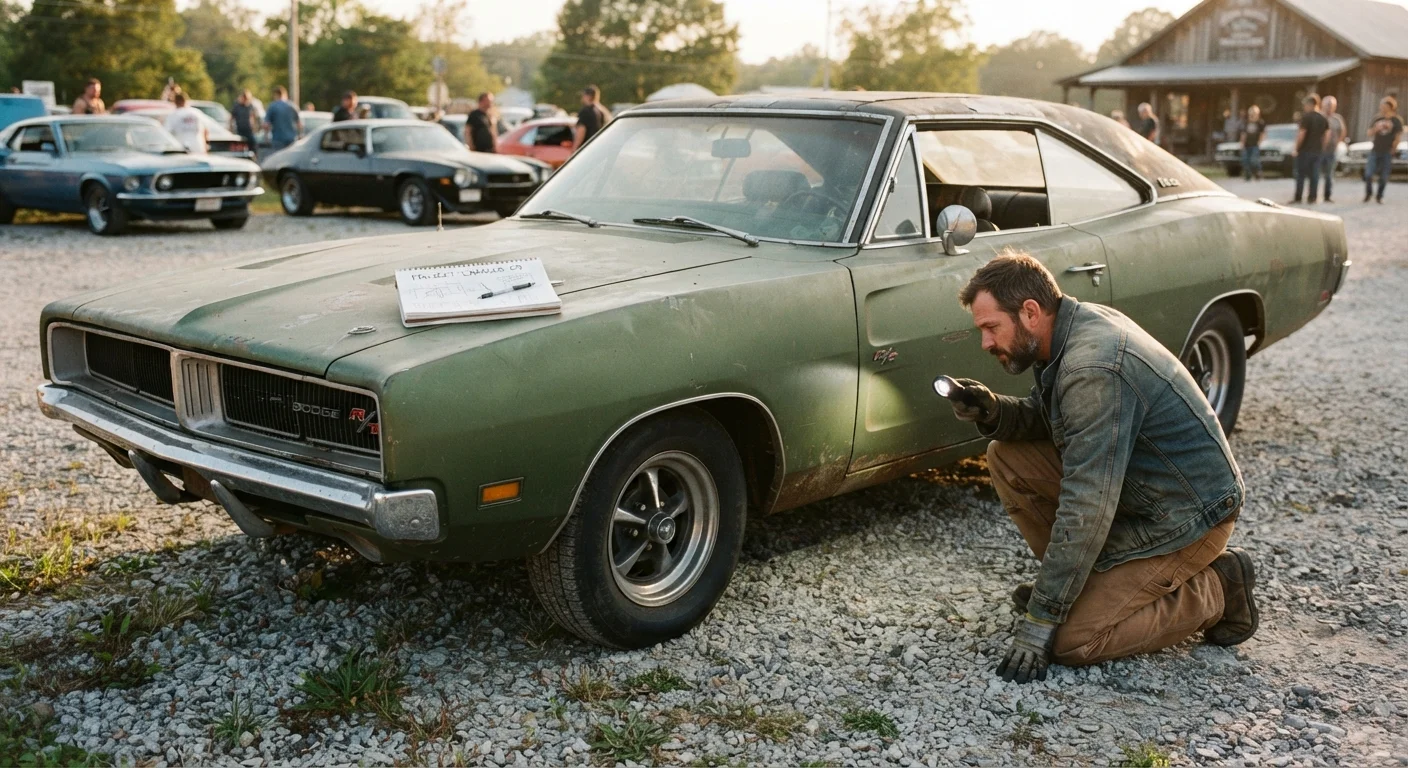
This checklist is designed for use at the seller's location, whether that's a private driveway, a dealer's lot, or the edge of a field. It covers four primary domains: bodywork and exterior, frame and undercarriage, mechanicals, and documentation. Work through each section methodically. If a seller resists any portion of this process, treat that resistance as data.
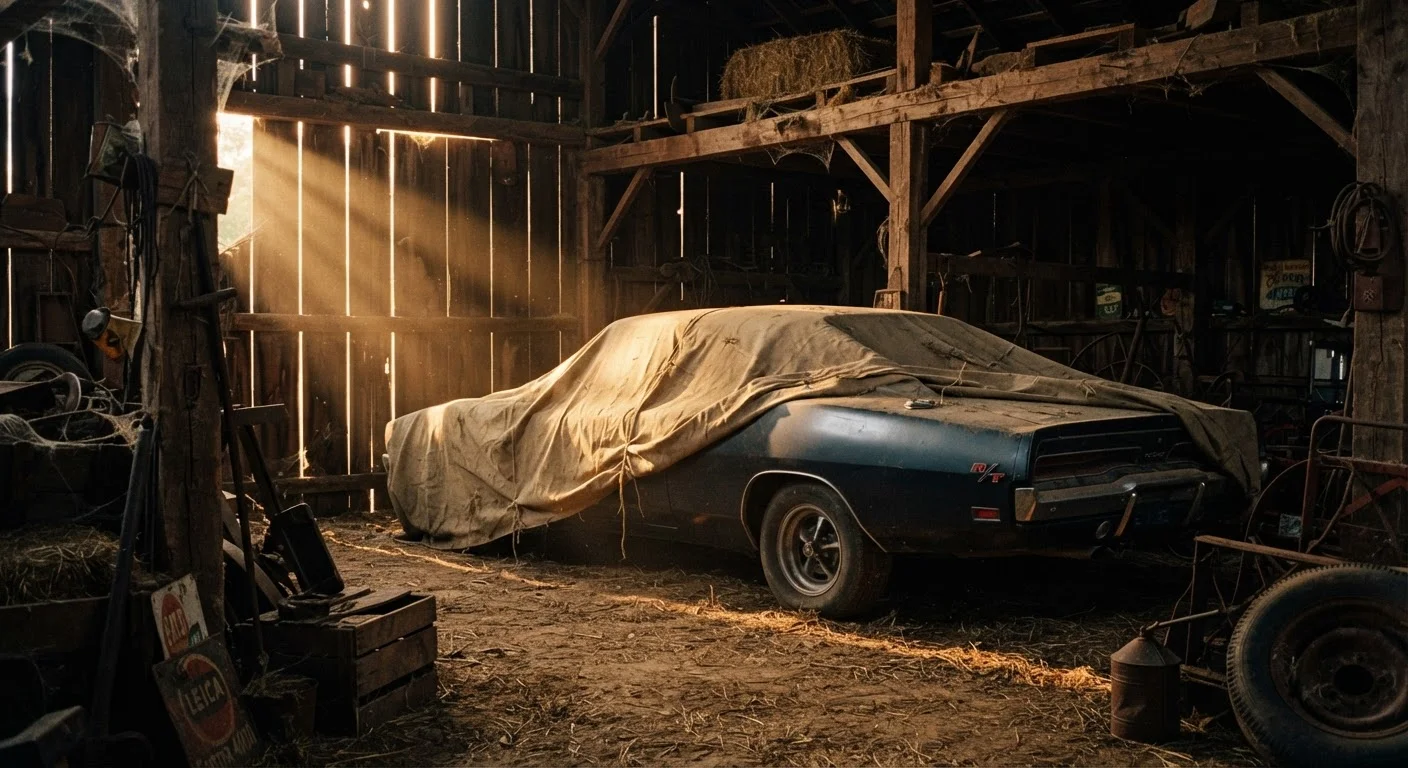
For barn finds and long-dormant vehicles, pair this checklist with our deeper guide on separating recoverable classics from expensive mistakes. And once you've completed your own walk-around, consider scheduling a formal pre-purchase inspection - our article on reading a pre-purchase inspection report explains how to interpret what a qualified inspector finds.
Structural Rust Is a Category-One Finding
Surface rust on trim or minor corrosion on non-structural sheet metal is manageable. Rust perforation in frame rails, floor pans, torque boxes, or subframe mounting points is an entirely different matter - it can compromise vehicle safety and result in restoration costs that far exceed the car's market value. If you discover structural rust, obtain professional repair estimates before making any offer or walking away from what might otherwise be a legitimate project.
What to Bring to the Inspection
Arriving prepared signals seriousness to the seller and ensures you can complete a thorough evaluation. The right tools make the difference between a cursory glance and a genuine assessment.
Flashlight or LED work light
Illuminating wheel wells, undercarriage, engine bays, and trunk cavities that are impossible to assess in ambient light.
Telescoping inspection mirror
Viewing frame rails, subframe pockets, and other confined areas without requiring full crawl access.
Refrigerator magnet or blunt pick
Detecting body filler beneath paint - filler areas will not hold a magnet the way bare steel does.
OBD-II or OBD-I scan tool (if applicable)
Reading stored fault codes on vehicles with on-board diagnostics; not applicable to pre-electronics-era classics.
Notepad and camera or smartphone
Documenting findings with photographs and written notes for post-visit comparison and negotiation reference.
Marque-specific reference guide or VIN decoder
Verifying correct casting numbers, trim codes, and factory build configurations for the specific year and model under evaluation.
The Full Field Checklist
Work through each group in sequence. Flag items that require follow-up rather than walking away prematurely - context matters, and some findings are negotiating points rather than disqualifiers. Items marked must are non-negotiable evaluation steps; should items are strongly recommended; nice to have items add depth when time permits.
Bodywork & Exterior
Frame & Undercarriage
Engine & Mechanicals
Interior & Documentation
Fresh Paint and New Undercoating Deserve Skepticism
A recent full respray or freshly applied undercoating is not inherently suspicious, but it warrants additional scrutiny. Both can conceal prior accident repair, rust treatment of varying quality, or structural patching. Ask for documentation of the work performed and who performed it. If the seller cannot provide it, price your risk accordingly.
After completing your field inspection, review the pre-offer listing checklist to confirm the seller's advertised claims align with what you observed in person.
Turning Findings Into a Decision
No classic car will pass every point without comment - that's not the goal. The goal is to understand the true condition of the vehicle relative to the asking price and your own restoration capacity. Structural and safety findings deserve the most weight; cosmetic and mechanical issues are often quantifiable and negotiable.
Document everything you observe with photographs taken on-site. If the seller agrees, a cold-start test and a short drive are invaluable - listen for valve train noise, watch temperature gauges, and feel for brake fade. For a deeper understanding of how components interact and what their failure modes mean, the Parts Explained hub is a useful reference before you commit to a complex restoration.
This article provides general educational guidance for classic vehicle evaluation and is not a substitute for a professional mechanical inspection. Always consult a qualified mechanic or marque specialist before completing any significant vehicle purchase.